
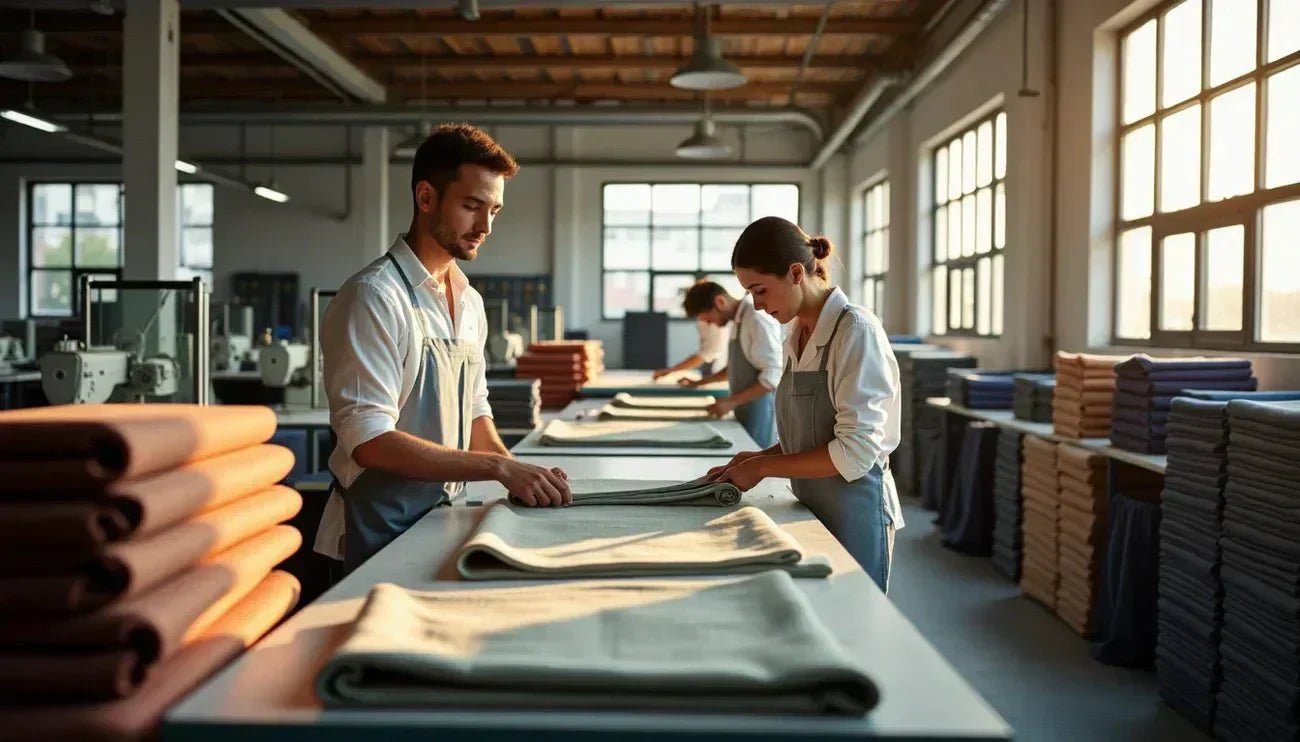
Clothing Manufacturers in Portugal
Portuguese Clothing Manufacturers: Europe's Quality Production Partner
Portuguese clothing manufacturers are specialized production partners within the European Union, recognized for combining technical expertise with a deep textile heritage. Brands partner with Portugal for vertically integrated services, from fabric sourcing to finished garments, characterized by high-quality construction, flexible low minimum order quantities (MOQs), and strong adherence to EU labor and environmental standards.
This operational model presents a distinct alternative to manufacturing in distant regions. The focus on skilled craftsmanship, responsive communication, and strategic location within Europe makes Portuguese suppliers a strategic choice for brands prioritizing quality, agility, and ethical production.
This guide covers the essentials of partnering with Portugal's apparel industry. You'll learn about the standard production process, material selection, customization options, and the compelling reasons why Portugal remains a top choice for producing quality garments in 2026 and beyond.
How Does Clothing Manufacturing Work in Portugal?
Manufacturers in Portugal follow a structured, transparent process to transform designs into finished products while maintaining consistent quality.
1. From Tech Pack to Final Product
Production begins with a detailed tech pack, which serves as the blueprint for your garment. This document includes all specifications, from measurements to stitch details. Portuguese pattern makers then create precise templates, and textile experts assist in sourcing fabrics that match your requirements for composition, weight, and handfeel.
2. Sampling and Prototyping
Before full production, a prototype (sample) is created for your approval. This phase allows for testing fit, functionality, and fabric quality. Most factories offer sampling without high minimums, making this critical step accessible for brands of all sizes. Approved samples are shipped efficiently, often via express couriers.
3. Bulk Production and Quality Control
Bulk manufacturing begins after sample approval. MOQs are typically accessible, ranging from 50-300 pieces per style/color. Stringent quality control is integral, with inspections at multiple stages to check stitching, measurements, and construction against the approved sample.
4. Packaging and Global Delivery
Finished garments are packaged, often in custom-branded packaging, and shipped via reliable global logistics networks. Portugal's location enables faster delivery to European and North American markets compared to Asian manufacturing centers, with many factories offering dedicated shipping routes.
Process Summary:
- Tech pack & fabric sourcing
- Pattern making & sampling
- Bulk production with multi-stage QC
- Branded packaging & efficient global shipping
What Fabrics and Materials Are Available in Portugal?
Portuguese manufacturers offer extensive expertise across a wide range of textiles, supporting diverse collections from luxury to casual wear.
1. Popular Fabric Structures
Mastery is evident in key structures: jersey for t-shirts and loungewear, fleece for sweatshirts, and twill & denim for workwear and fashion jeans. Specialties also include piqué, interlock, rib, jacquard, satin, and corduroy for various applications.
2. Common Fiber Choices
While cotton remains predominant, innovative fibers are widely used:
- Lyocell/Modal: Plant-based fibers known for softness and drape.
- Recycled Polyester: Made from post-consumer plastic waste.
- Organic Cotton: Grown without synthetic pesticides.
- Other common fibers include linen, wool, and elastane for stretch.
3. Sustainable Fabric Options
Leading producers offer eco-conscious material options, such as organic cotton, recycled cotton (from pre-consumer waste), and fabrics dyed with low-impact, water-saving processes. Environmentally responsible finishing techniques are also standard.
What Customization Techniques Do Portuguese Factories Offer?
Technical expertise in customization blends traditional craft with modern technology.
1. Printing Methods
Screen Printing: For durable, vibrant designs.
DTG (Direct-to-Garment): For complex, photorealistic prints without high minimums.
Sublimation: For all-over prints that resist cracking.
2. Embroidery Options
Capabilities extend beyond basic stitching to include 3D puff embroidery, vintage-style chain stitching, and decorative applications with sequins, cords, or ribbons.
3. Special Finishes
Factories can apply functional and aesthetic finishes such as foil accents, silicone prints for texture, and anti-pilling treatments to extend garment lifespan.
4. Advanced Construction
For technical and athleisure wear, options include bonded seams (for waterproofing) and fusion processes that create seamless garments with enhanced performance.
Key Advantages of Sourcing from Portugal
Beyond technical capabilities, Portuguese production offers strategic benefits for modern brands.
1. High-Quality Production Standards
Generations of textile heritage are combined with modern technology and meticulous multi-stage quality checks, resulting in finished products with superior attention to detail.
2. Ethical and Sustainable Practices
Adherence to strict EU labor laws ensures fair wages and safe working conditions. Environmental responsibility is prioritized through eco-friendly dyeing, waste reduction systems, and energy-efficient operations.
3. Low MOQs for Startups and Small Brands
Flexible minimum orders (often 50-100 pieces per style/color) allow emerging brands to test the market with lower financial risk and inventory commitment.
4. Strong Logistics and Geographic Location
Strategically located in Europe, manufacturers provide efficient shipping to key Western markets, often with dedicated logistics teams and partnerships with global couriers.
Core Advantages at a Glance:
- EU-regulated quality & ethics
- Flexible, startup-friendly MOQs
- Faster lead times to Western markets
- Wide range of fabrics & customization
Examples of Portuguese Clothing Manufacturers
The Portuguese textile industry comprises hundreds of factories. The following are well-known examples that illustrate the diversity of specialization within the sector, from knitwear to sustainable innovation.
- Petratex: Specializes in innovative seamless technology for high-performance sportswear and technical outerwear.
- Polopiqué: A large, vertically integrated group handling production from yarn to finished garment, suitable for larger runs.
- Valérius Hub: Champions circular fashion, converting textile waste into new yarns through a closed-loop system.
- Confetil: Focuses on premium knitwear using advanced knitting machines and hand-finishing techniques.
- Twintex: Produces outerwear and tailored garments, often with accessible MOQs around 150 pieces per style.
- Clothe: Known for a startup-friendly approach, offering development support and low MOQs from 50 pieces.
Frequently Asked Questions (FAQs)
What are typical MOQs for Portuguese clothing manufacturers?
Minimum order quantities are highly flexible, often starting between 50 and 300 pieces per style/color, making Portugal particularly accessible for startups and small brands.
Is production in Portugal more expensive than Asia?
While unit costs can be higher, Portugal offers advantages in lower shipping costs, faster lead times, reduced import duties (within the EU), and lower risk regarding quality consistency and ethical compliance, often providing better overall value.
Do Portuguese factories work with overseas startups?
Yes. Many specialize in and actively support international startup brands, offering comprehensive guidance from tech pack development through to final logistics.
What are typical production lead times?
Lead times vary by complexity but generally range from 6 to 12 weeks from approved sample to delivery, which is significantly faster than transcontinental sourcing.
What sustainable certifications are common?
Many manufacturers hold recognized certifications such as GOTS (Global Organic Textile Standard), OEKO-TEX, and follow EU REACH chemical regulations, underpinning their commitment to eco-friendly practices.

Leave a comment
This site is protected by hCaptcha and the hCaptcha Privacy Policy and Terms of Service apply.