
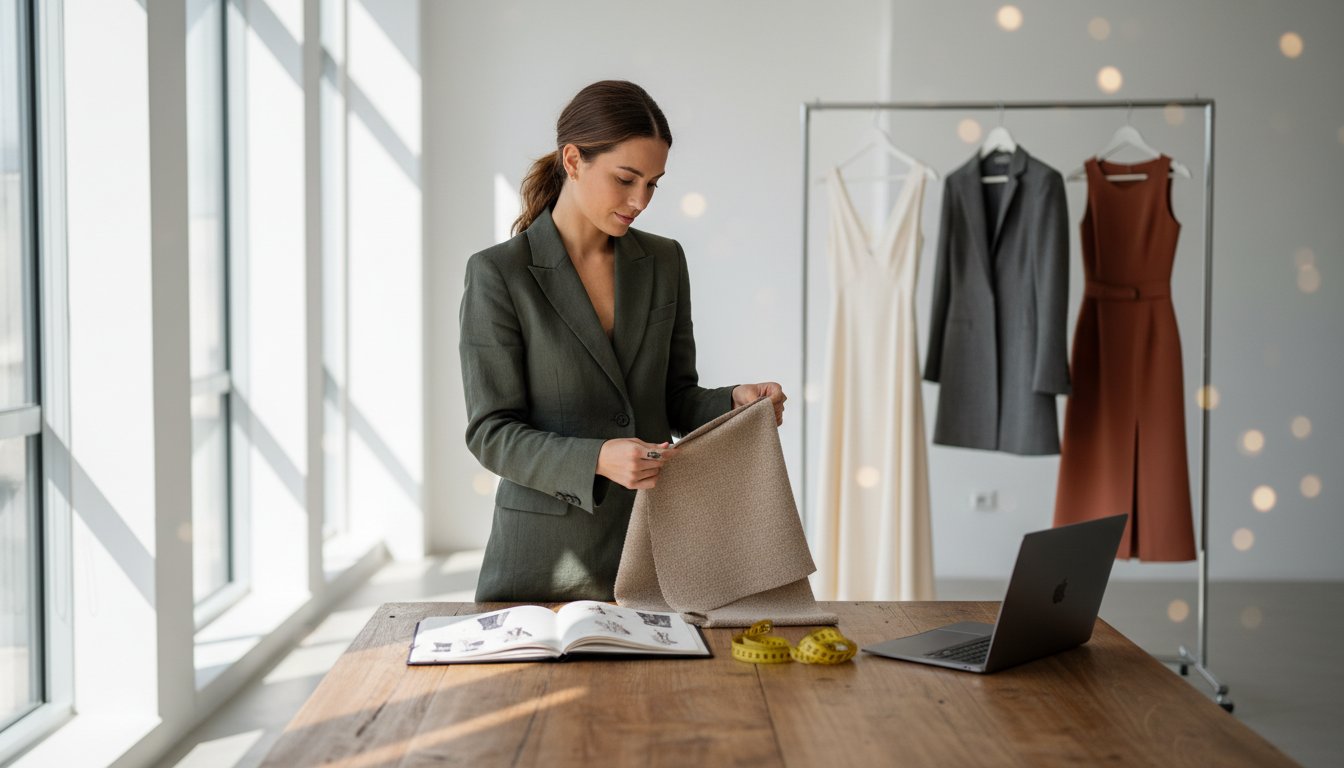
How to Create a Clothing Brand: The Ultimate 10-Step Guide
You have a powerful vision for a clothing brand, but the path from concept to customer can feel overwhelming. Questions about the complex manufacturing process, finding reliable partners, and the fear of making costly mistakes can stop even the most brilliant ideas in their tracks. This guide is designed to demystify the process and give you the confidence to create a profitable and lasting brand built on superior quality.
We understand the challenges that stop aspiring entrepreneurs. That’s why we’ve broken down the entire journey into a clear, 10-step roadmap. Inside, you will find a professional blueprint for transforming your ambitious vision into a tangible reality. From defining your niche and finding a trustworthy manufacturing partner to navigating production and launching your first sale, consider this your definitive guide to building a brand that people will love and respect.
Key Takeaways
- Define your brand's core identity and target audience first to build a strong foundation for long-term success.
- Learn how to select a manufacturing partner who aligns with your quality standards and can bring your creative vision to life.
- Understand the critical production phases, from initial sampling to final shipment, to ensure a smooth and efficient manufacturing process.
- Discover the essential strategies you need to launch effectively and create a powerful online presence that connects with customers.
Step 1: Laying the Foundation for Your Brand
Every successful clothing brand is built on a strong, clear foundation. Before a single stitch is sewn or a tech pack is drafted, you must define who you are and who you serve. This initial phase is about transforming your passion into a focused, marketable brand concept that guides every future decision. Rushing this step is a common mistake; taking the time to solidify your identity now will make it far easier to create products and marketing that resonate authentically with your customers. A solid identity is the blueprint for everything that follows, from building a community to applying fundamental fashion design principles in your first collection.
Find Your Niche
To stand out in a crowded market, you need a specific focus. A niche is a specialized segment of the market for a particular kind of product or service. Instead of trying to appeal to everyone, identify a specific gap or an underserved audience. This could mean focusing on a distinct style like premium athleisure, minimalist streetwear, or sustainable formalwear. A well-defined niche reduces direct competition and allows you to build a loyal community of customers who feel that your brand was made specifically for them.
Define Your Target Audience
Once you have your niche, you must understand the exact person you're selling to. The most effective way to do this is to create a detailed ‘customer avatar.’ This is a semi-fictional representation of your ideal customer based on market research. Define their:
- Demographics: Age, gender, location, income.
- Psychographics: Lifestyle, values, interests, and pain points.
What do they want from their clothing? What problems can you solve for them? Every aspect of your brand, from your product design to your marketing voice, should speak directly to this avatar.
Craft Your Brand Identity
Your brand identity is the collection of all elements that a company creates to portray the right image to its consumer. It’s how your audience will recognize and connect with you. Key components include:
- Brand Name, Logo, and Color Palette: Your visual signature must be memorable and reflect your brand's personality.
- Brand Story: A compelling narrative that explains your 'why' and connects with your audience on an emotional level.
- Mission and Core Values: What does your brand stand for? This could be a commitment to ethical manufacturing, superior quality, or body positivity.
These elements work together to build a powerful and recognizable brand that can scale from a startup vision into a lasting legacy.
Step 2: Designing Your First Collection
This is the pivotal stage where your brand vision begins its transformation into a tangible, high-quality product. After establishing your business foundation-a process well-documented in resources like the SBA's 10-step guide-the focus now shifts to design and development. For your initial launch, success hinges on focus. Instead of an extensive line, concentrate on a small, cohesive collection of core pieces that perfectly represent your brand’s promise. Prioritizing superior quality and an impeccable fit from day one is essential for building a strong reputation and earning customer loyalty.
Sketching and Conceptualizing Your Designs
Every great collection starts with inspiration. Begin by developing mood boards that capture the aesthetic, colours, and textures you envision. From there, start creating initial sketches of your core garments. This process isn't just about drawing; it's about defining the unique details and silhouettes that will form your signature style. This conceptual work is the first step to create a distinct identity that sets your brand apart in a competitive market.
Selecting the Right Fabrics and Materials
The materials you choose are a direct reflection of your brand’s quality and values. Select fabrics that align with your desired price point and performance, considering key factors like comfort, durability, and drape. For brands focused on premium, ethical production, materials like sustainable Portuguese cotton offer a compelling story and superior feel. An experienced manufacturing partner can be an invaluable resource here, guiding you through sourcing decisions to find the perfect materials for your vision.
Creating a Professional Tech Pack
The tech pack is the single most important document in the production process; it is the official blueprint for your garment. This comprehensive file translates your design into a technical language that any factory can understand. It must include precise details to ensure nothing is lost in translation. A complete tech pack contains:
- Technical Sketches: Flat drawings of the garment from all angles (front, back, side).
- Measurements & Grading: A full points of measure (POM) sheet with sizing specifications.
- Bill of Materials (BOM): A list of all fabrics, trims, labels, and packaging.
- Construction Details: Notes on stitching, seams, and other assembly instructions.
This document is essential for a manufacturer to create an accurate first sample, saving you significant time and money on revisions.
Step 3: Finding the Right Manufacturing Partner
Once your tech pack is complete, the next critical step is selecting a manufacturing partner. This decision is one of the most important you will make for your brand. Your manufacturer isn’t just a supplier; they are a strategic partner responsible for turning your vision into tangible, high-quality products. The right partner will understand your quality standards, respect your design intent, and have the expertise to bring your collection to life. Factors like location, production capabilities, and Minimum Order Quantity (MOQ) will heavily influence your brand's trajectory and profitability, making this choice foundational to your success.
Custom Manufacturing vs. White Label
Understanding your production options is key. Custom manufacturing allows you to create completely unique designs from scratch, using your tech pack as the blueprint. In contrast, white label involves selecting pre-designed, premium quality garments and adding your branding. For startups, white label is often the ideal entry point, offering a faster path to market with significantly lower MOQs and reduced development risk.
If the white label or merchandise printing path sounds right for your brand, you can explore partners who specialize in this. For example, UK-based entrepreneurs can discover RAW Merch for custom clothing and printing services.
Why 'Made in Portugal' is a Mark of Quality
The country of origin says a lot about your product. Portugal has earned a global reputation for its premium textiles, top-notch craftsmanship, and ethical production facilities. Manufacturing within the EU ensures compliance with strict labor laws and environmental standards. For brand owners, this means superior quality, easier communication, and more reliable shipping logistics compared to sourcing from Asia, giving your brand a competitive edge from day one.
What to Look for in a Manufacturer
As you evaluate potential partners, focus on the factors that will support your brand's growth. Finding a manufacturer who aligns with your business goals is a crucial step discussed in any comprehensive guide to starting a clothing business. Prioritize a partner who offers:
- Low Minimum Order Quantity (MOQ): For new brands, a low MOQ is non-negotiable. It allows you to test the market, manage inventory effectively, and preserve cash flow without committing to thousands of units.
- Specialized Expertise: Ensure they have proven experience producing your specific product type, such as premium athleisure. Ask to see examples of their work to verify their quality and capabilities.
- A True Partnership Approach: Look for transparency in communication, clear pricing structures, and a willingness to guide you through the process. A great partner is invested in your success.
At Athleisurebasics, we specialize in helping brands launch and scale with flexible, high-quality production solutions. Learn about our low MOQ manufacturing services.
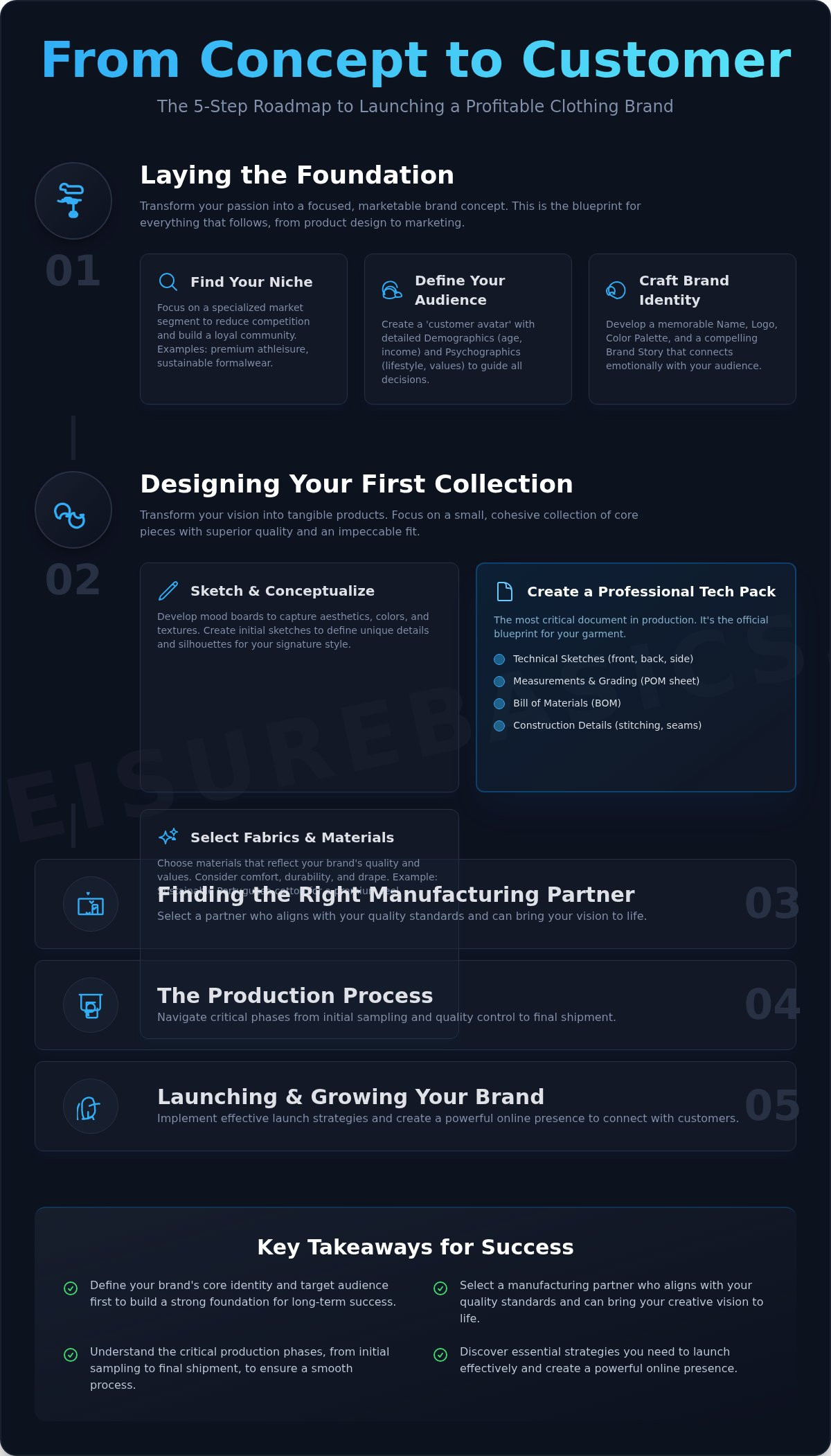
Step 4: The Production Process From Sample to Shipment
Once you have submitted your tech pack and selected a manufacturing partner, the most exciting part of your journey begins: turning your vision into a tangible, high-quality product. This phase moves from initial sampling and refinement to full-scale production. Maintaining clear, consistent communication with your manufacturer is the key to ensuring the final product perfectly matches your specifications. This is where your detailed tech pack becomes the ultimate source of truth.
The Sampling Phase
Your manufacturer will use your tech pack as a blueprint to create the first physical sample of your garment. When it arrives, your job is to review it meticulously. Don't just look at the overall design; assess every detail against your tech pack. This is your most critical opportunity to make adjustments before committing to a full production run. Check the following:
- Fit and Measurements: Does the garment fit as intended? Compare its measurements directly against your spec sheet.
- Construction Quality: Examine the stitching, seams, and overall craftsmanship.
- Materials and Trims: Confirm the fabric, zippers, buttons, and labels are all correct and meet your quality standards.
Providing Feedback and Finalizing the Design
After reviewing the first sample, provide your manufacturer with clear, consolidated feedback. It is more efficient to send one comprehensive list of revisions rather than multiple emails. If changes are needed, a second sample is often produced. Once you are completely satisfied, you will approve a final "pre-production sample" (PPS). This approval is a critical milestone-it locks in the design and serves as the gold standard for the entire bulk order.
The Bulk Production Run
With the PPS approved, your manufacturer will proceed with the main production run. The process typically involves grading your approved pattern for all required sizes, cutting the fabric in bulk, and moving the pieces through sewing and finishing lines. Throughout this stage, quality control checks are performed to ensure every piece is consistent with the approved sample. This diligent process ensures that the product that lands on your doorstep is ready to launch your brand and impress your customers. As a dedicated partner, we guide you through every step to ensure a smooth and successful production experience. Learn more about our process at athleisurebasics.com.
Step 5: Launching and Growing Your Brand
A meticulously prepared tech pack and a superior quality product are foundational, but the journey doesn’t end when production is complete. Creating the physical product is only half the battle; now you must build a profitable brand and connect with your target audience. Your focus now shifts from production to presentation, marketing, and strategic growth.
Setting Up Your E-commerce Store
Your online store is your brand’s digital flagship. To effectively showcase your premium apparel, it must be professional, trustworthy, and easy to use. We recommend starting with a platform like Shopify for its robust features and user-friendly interface. Invest in high-quality product photography that captures the craftsmanship of your garments, and write compelling descriptions that highlight the unique materials and fit. Ensure your website is fully mobile-friendly, as a significant portion of your customers will shop from their phones.
Marketing Your New Brand
Effective marketing connects your high-quality products with the right people. Instead of trying to be everywhere at once, focus your efforts where they will have the most impact. Identify the social media platforms your ideal customers frequent and build a community there. Consider collaborating with influencers whose values and aesthetic align with your brand. Finally, start building an email list from day one; it’s a powerful tool for nurturing customer relationships and driving repeat sales.
Planning for the Future
Your first collection is a source of invaluable data that will guide your brand’s evolution. As you grow, focus on these key areas:
- Analyze Sales Data: Identify which styles, colors, and sizes performed best. This information is crucial for managing inventory and planning future production runs.
- Gather Customer Feedback: Actively listen to what your first customers are saying. Use their reviews and comments to refine existing products and create your next collection with confidence.
- Scale with a Trusted Partner: As your brand gains momentum, you’ll need a manufacturing partner who can scale with you. Working with a reliable manufacturer like Athleisure Basics ensures that your quality standards are maintained as your order volume increases.
Building a brand is a marathon, not a sprint. By combining a superior product with smart business strategy, you can turn your vision into a lasting legacy.
Ready to create your brand? Get a quote today.
From Vision to Reality: Your Next Steps
Building a clothing brand is an ambitious journey, but one that is achievable with a clear strategy. This guide has provided the roadmap: from laying a strong brand foundation to navigating the complexities of production and launch. The single most important step is finding a manufacturing partner who can translate your designs into superior quality products. This is how you create a brand that inspires loyalty and is built for long-term success.
At Athleisure Basics, we exist to make this process seamless for startups and established brands alike. We offer expert guidance from concept to production, backed by premium, ethical manufacturing in Portugal. Our low MOQs are specifically designed to empower new founders, removing the risk so you can focus on growth.
Your vision deserves to become a reality. Partner with us to bring your vision to life. Get a quote.
Frequently Asked Questions
How much money do I need to create a clothing brand?
The investment needed to create a clothing brand can range from $5,000 to over $25,000. Key costs include design, sampling, bulk production, and marketing. To help manage this, we recommend starting with a focused collection. Our low MOQ (Minimum Order Quantity) model is designed for startups, allowing you to launch with less upfront capital, test your products in the market, and scale your brand efficiently without the risk of excess inventory.
Do I need to be a fashion designer to start a clothing line?
No, you do not need to be a fashion designer. A strong brand vision and a clear understanding of your target customer are far more important. Many successful founders are entrepreneurs first. As your manufacturing partner, we provide the technical expertise to translate your ideas into production-ready designs. We help bridge the gap between your concept and a superior quality finished product, allowing you to focus on building your brand.
What is MOQ and why is a low MOQ important for startups?
MOQ stands for Minimum Order Quantity, which is the fewest units a manufacturer will produce of a single style. For startups, a low MOQ is essential for managing risk and cash flow. It enables you to launch your brand with a smaller initial investment, test new designs without committing to thousands of pieces, and avoid the financial burden of unsold stock. Our low MOQ services are structured to empower new brands to enter the market and grow sustainably.
How long does it take to create a clothing line from idea to launch?
The timeline from concept to launch typically ranges from 4 to 8 months. This process includes key stages like design and tech pack finalization (2-4 weeks), fabric sourcing and sample development (4-8 weeks), and bulk production (6-12 weeks). Design complexity and material availability can influence the schedule. We partner with you to ensure an efficient journey from your initial vision to a market-ready collection without compromising our premium quality standards.
Should I choose custom manufacturing or white label for my first collection?
Your choice depends on your brand's immediate goals. White label is ideal for a fast, low-risk launch. You can add your branding to our existing premium styles, allowing you to test the market with a very low MOQ. Custom manufacturing (cut and sew) provides complete creative control to build a unique product from scratch. It requires a larger investment and longer timeline but is essential for brands with a highly specific and original vision.
What are the benefits of manufacturing in Portugal versus China?
Manufacturing in Portugal provides superior craftsmanship, access to high-quality European fabrics, and adherence to strict EU ethical and quality standards. For brands in Europe and North America, lead times are significantly shorter and communication is often more seamless. While production in China may seem cheaper initially, Portugal offers a more reliable and transparent partnership, ensuring your brand is built on a foundation of top-notch quality and ethical production from day one.

Leave a comment
This site is protected by hCaptcha and the hCaptcha Privacy Policy and Terms of Service apply.