
How to Start a Clothing Brand: The Ultimate 10-Step Guide for 2026
You have the vision: a unique design, a powerful message, and the ambition to build a lasting brand. But the path from concept to reality can feel overwhelming. Questions about high startup costs, confusing production methods, and finding a trustworthy manufacturer can quickly turn entrepreneurial excitement into paralyzing uncertainty. This is where the dream to start a clothing brand often stalls-but it doesn’t have to.
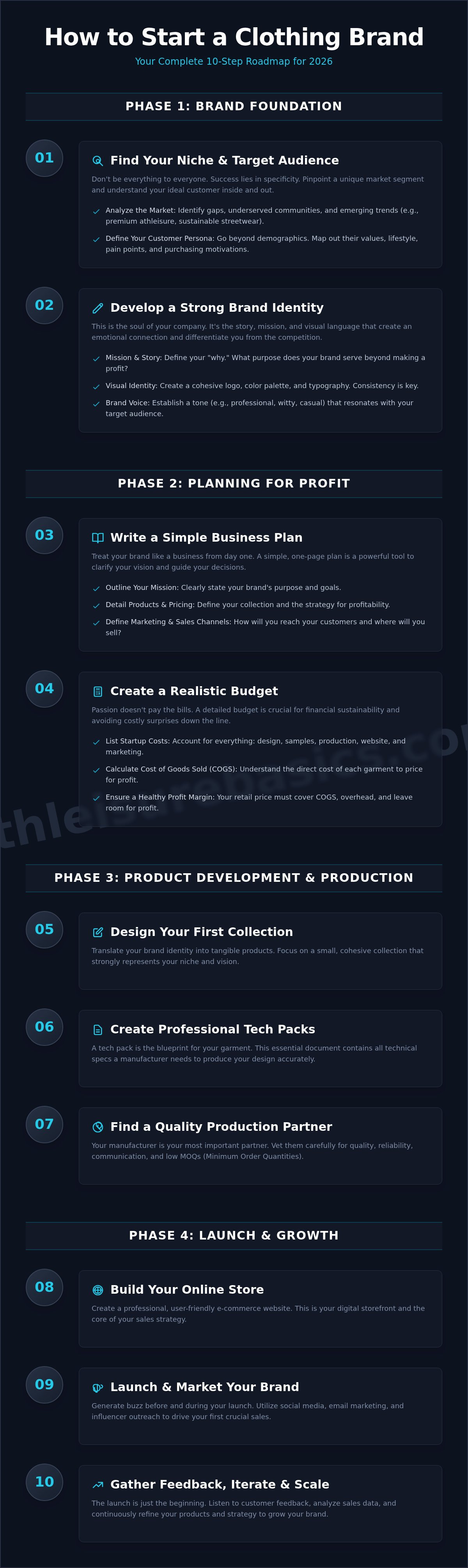
Consider this definitive guide your complete roadmap for 2026. We demystify the entire process, breaking it down into 10 clear, actionable steps. We’ll show you how to navigate the critical decisions, from choosing a profitable business model to finding a reliable, low-MOQ production partner who values superior quality. By the end, you won’t just have a plan; you’ll have the confidence and strategic knowledge needed to launch and scale a brand you can be proud of.
Key Takeaways
- Build a strong brand foundation by defining your niche and target audience before you design a single product.
- Develop a comprehensive business plan from day one to ensure your brand is structured for profitability and long-term success.
- Learn how to select the right production partner to transform your creative vision into superior quality garments, a critical step when you start a clothing brand.
- Master the launch and marketing strategies needed to build a professional online presence and drive your first crucial sales.
Steps 1-2: Defining Your Brand's Foundation
The journey to launch a successful clothing line begins long before the first stitch is sewn. The most common-and costly-mistake new founders make is rushing into production without a solid foundation. Before you think about fabrics or manufacturers, you must focus on creating a brand people connect with, not just clothes they wear. These initial steps are the strategic blueprint that will guide every future decision, from your marketing campaigns to your product development.
For entrepreneurs who want to successfully start a clothing brand, this foundational work is the non-negotiable path to building a profitable and lasting legacy.
Step 1: Find Your Niche and Target Audience
You cannot be everything to everyone. The most successful brands have a crystal-clear understanding of who they are selling to and what unique value they offer. Instead of casting a wide net, focus on a specific segment of the market where you can become the go-to choice. This requires deep, strategic thinking about both the market and your ideal customer.
- Analyze the Market: Identify gaps that your brand can fill. Is there an underserved community? A demand for higher-quality, ethically-made basics? A new trend in premium athleisure or sustainable streetwear?
- Define Your Customer Persona: Go beyond simple demographics. Create a detailed profile of your ideal customer. What are their values, lifestyles, and pain points? What other brands do they love? What motivates their purchasing decisions?
Step 2: Develop a Strong Brand Identity
Your brand identity is the soul of your company. It’s the combination of your mission, values, and visual aesthetic that tells your story and differentiates you from the competition. A strong identity creates an emotional connection, turning one-time buyers into loyal advocates. This is where you translate your vision into a tangible concept that people can recognize and trust. A solid grasp of the core principles is essential, and an overview of fashion design can provide a helpful, high-level context for how aesthetics and function intersect in this industry.
- Mission and Story: Why does your brand exist beyond making a profit? What is the story you want to tell?
- Brand Name: Choose a memorable name that reflects your identity and secure the domain and social media handles immediately.
- Visual Identity: Develop your logo, color palette, and typography. These elements should be cohesive and consistently applied across all touchpoints.
- Brand Voice: Define how you communicate. Are you professional and authoritative, or casual and witty? This voice must resonate with your target audience.
Steps 3-4: Planning for Profitability and Success
Many entrepreneurs focus entirely on design, but a premium product is only half the battle. To successfully start a clothing brand, you must treat it like a serious business from day one. A passion for fashion won't pay the bills; a solid plan will. Before you invest a single dollar in inventory, understanding your financial and operational roadmap is the most critical step toward building a profitable, long-term legacy. This section covers the foundational planning that separates thriving brands from costly hobbies.
Step 3: Write a Simple Business Plan
Your business plan is your brand’s blueprint. It doesn't need to be a 50-page document; a simple, one-page summary is a powerful starting point to clarify your vision and provide direction. This document should outline your company's mission, detail your product offerings and pricing strategy, and define how you’ll market and sell your collection. Formalizing your plan is a key part of the official steps to start a business and ensures you have a clear strategy to guide every decision you make.
Step 4: Create a Realistic Budget
A great plan is useless without a realistic budget to ensure profitability. Begin by listing all potential startup costs to avoid surprises down the line. Your budget must accurately calculate your Cost of Goods Sold (COGS)-the direct cost of producing each garment. This number is essential for setting a retail price that guarantees a healthy profit margin after all expenses are paid. Be thorough and conservative in your estimates.
Common startup costs include:
- Design and tech pack creation
- Sample production and shipping
- Initial bulk production order (your first inventory investment)
- Website development and marketing expenses
Understanding these numbers empowers you to make cost-effective manufacturing choices and build a financially sustainable brand from its launch.
Steps 5-6: Bringing Your Product Vision to Life
After establishing your brand identity and understanding your market, the next phase is where your creative vision becomes a tangible product. This is arguably the most critical stage when you start a clothing brand, as the quality of your garments will define your reputation. While a comprehensive guide to starting a clothing business covers the entire journey, success in production hinges on meticulous planning and clear communication from the very first sketch.
Step 5: Design Your First Collection
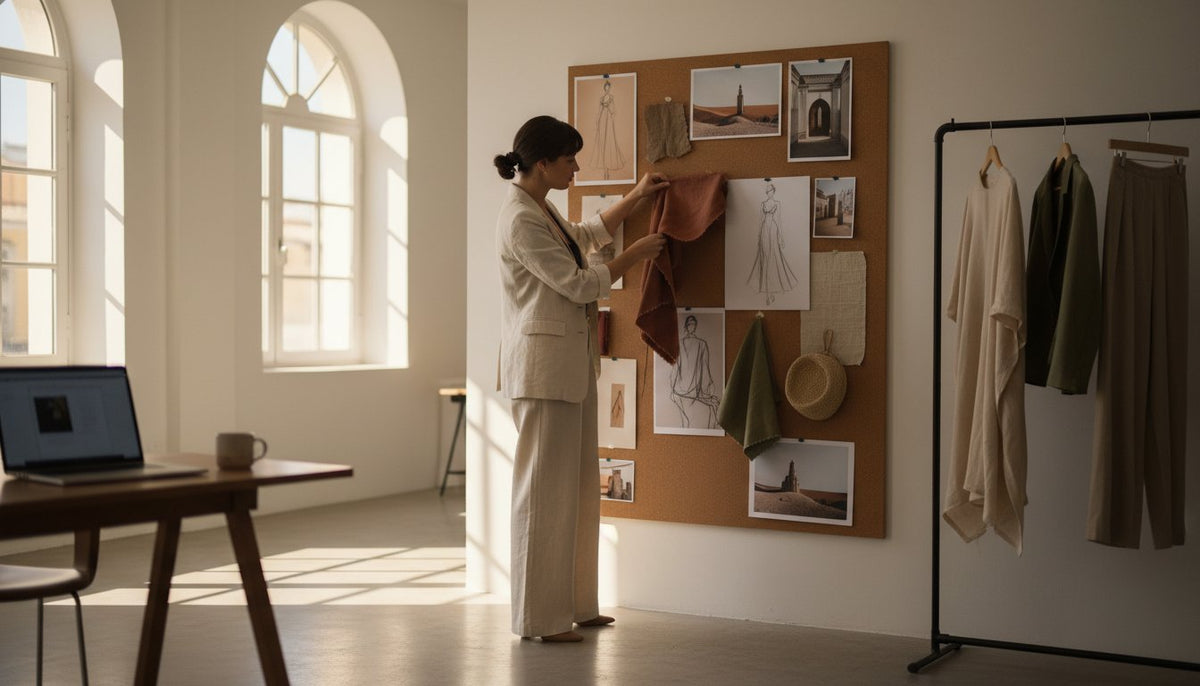
A common mistake is designing too many pieces at once. Instead, launch with a focused, cohesive collection of 2-5 core garments. This approach minimizes initial investment and allows you to test the market effectively. Develop mood boards and detailed sketches for each piece, considering not just aesthetics but also functionality and fit for your target customer. Selecting premium fabrics and materials that align with your brand's promise of quality is non-negotiable at this stage.
Step 6: Create a Professional Tech Pack
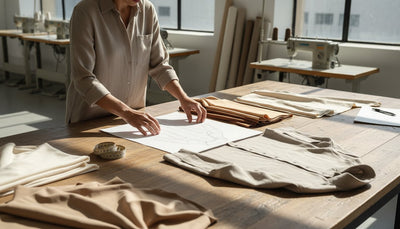
A "tech pack," or technical package, is the single most important document you will provide to a manufacturer. It is the official blueprint for your garment, translating your design into a technical language that production teams understand. A detailed tech pack is your best tool for minimizing errors and ensuring your vision is executed precisely. While you can create one yourself, many manufacturing partners can help you develop a professional document.
A complete tech pack should always include:
- Technical Drawings: Flat sketches of the garment from all angles (front, back, side).
- Bill of Materials (BOM): A list of all materials needed, including main fabric, linings, threads, buttons, and zippers.
- Measurements & Sizing: A detailed garment specification sheet with measurements for each size.
- Construction Details: Instructions on stitching, seam types, and other finishing details.
- Color & Artwork Info: Pantone color codes and placement details for any prints or embroidery.
Mistake #4: Choosing the Wrong Production Model and Partner
When you start a clothing brand, few decisions are as foundational as choosing how your products will be made and who will make them. This choice directly impacts your product quality, profit margins, brand perception, and ability to scale. Selecting the wrong path can lead to wasted capital and a product that doesn't align with your vision. A great production partner, however, acts as an extension of your team, guiding you toward sustainable growth.
Understanding the primary production models is the first step to making an informed decision that empowers your launch.
Option 1: Print-on-Demand (POD)
This hands-off model involves uploading your designs to a third-party service that prints and ships orders directly to customers as they come in. While it offers the lowest barrier to entry, it comes with significant trade-offs.
- Pros: No upfront inventory costs, zero risk of unsold stock, and an easy way to test new designs and market concepts.
- Cons: Very low profit margins, limited control over garment quality, and minimal customization beyond a simple print.
Best for artists, influencers, or entrepreneurs validating an idea before committing serious capital.
Option 2: White Label / Private Label
White labeling allows you to select pre-designed, premium-quality garments and add your own branding, such as custom neck tags, prints, or embroidery. It's the ideal middle ground for launching a serious brand without the complexities of ground-up development.
- Pros: Access to proven, high-quality products, low Minimum Order Quantities (MOQs), and a much faster path to market.
- Cons: Less product differentiation than full custom manufacturing.
This is the most efficient way to launch with a professional, high-quality feel. You can explore our low MOQ white label options to see how quickly you can start with premium, ethically-made garments.
Option 3: Custom Manufacturing (CMT)
Custom manufacturing, or Cut, Make, and Trim (CMT), is the process of creating a completely unique product from your own patterns and tech packs. This path offers total creative control, allowing you to build a distinct brand identity from the fabric up.
- Pros: Full control over design and fit, higher perceived brand value, and better profit margins at scale.
- Cons: Requires a larger investment, higher MOQs, and a longer development timeline.
This is the ultimate goal for building a lasting legacy brand. When you're ready to create something truly yours, you can learn about our custom manufacturing process and turn your vision into reality.
Steps 8-10: Launching, Marketing, and Scaling Your Brand
Creating a premium product is a monumental achievement, but it’s only the first step. The final, and most common, hurdle where new entrepreneurs falter is in the execution of their launch and marketing. A superior product cannot sell itself; it requires a professional platform, a strategic marketing plan, and a commitment to continuous improvement. Successfully navigating this phase is what separates a fleeting idea from a profitable, lasting legacy when you start a clothing brand.
Step 8: Build Your Professional E-commerce Store
Your e-commerce store is your digital flagship. Choose a reliable platform like Shopify or WooCommerce that offers both flexibility and security. Invest in high-quality product photography that showcases the craftsmanship of your garments. Write compelling, detailed product descriptions that answer customer questions before they’re asked. Finally, ensure your checkout process is simple and secure, and clearly display your shipping and returns policies to build essential customer trust from day one.
Step 9: Execute a Strategic Launch Marketing Plan
A successful launch begins long before your store goes live. Your goal is to build anticipation and connect with your target audience where they spend their time. A powerful marketing strategy includes several key components:
- Pre-Launch Hype: Use social media platforms like Instagram and TikTok to share behind-the-scenes content, teasers, and countdowns to build an engaged following.
- Influencer Collaboration: Partner with micro-influencers in your niche whose audience aligns perfectly with your ideal customer.
- Targeted Advertising: Run paid ad campaigns to reach a wider, yet highly specific, audience based on demographics and interests.
- Email Marketing: Start an email list immediately. Offer a small discount for signing up and use it to announce your launch directly to your most interested potential customers.
Step 10: Launch, Gather Feedback, and Scale Intelligently
Once you launch, your most important job becomes listening. Pay close attention to customer feedback, from product reviews to social media comments. This data is invaluable. Analyze your sales to identify best-sellers and understand which designs resonate most. Use these insights not just to manage inventory, but to inform the design of your next collection. This cycle of launching, learning, and iterating is the engine that will allow you to scale your business sustainably and build a brand with true longevity.
To effectively manage this cycle of launching, learning, and iterating, many successful brands rely on specialized software. A robust platform like TrackMyBusiness can help you streamline and manage all your business workflows, ensuring nothing falls through the cracks as you scale.
As you grow, having a reliable manufacturing partner that can scale with your vision is critical. We're here to support your brand's journey from its first launch to becoming an established name in the industry.
Your Journey from Founder to Fashion Legacy Starts Now
Following this 10-step guide provides a clear and actionable roadmap for success. The journey begins with a strong foundation-defining your niche and brand identity-and is sustained by a solid business plan that ensures profitability. However, the most pivotal moment is transforming your designs into superior quality products. This framework has equipped you with the knowledge to confidently start a clothing brand and navigate the path from concept to launch.
When you reach the production stage, choosing the right partner is critical. As expert partners for both white label and custom apparel, we specialize in helping new founders turn their vision into a reality. We provide premium, ethical manufacturing in Portugal, offering the flexibility of low MOQs that are perfect for startups focused on quality and sustainable growth from day one. We remove the barriers so you can focus on building your brand.
When you're ready to bring your collection to life, we're here to help you succeed. Ready to produce your collection? Get a quote from a trusted partner. Your vision is worth building, and your brand's legacy is waiting.
Frequently Asked Questions
How much does it cost to start a clothing brand?
The initial investment to start a clothing brand varies widely, typically from $2,000 to over $25,000. Your primary expenses will be business registration, branding, website development, and your first inventory order. Choosing a manufacturing partner with a low Minimum Order Quantity (MOQ) is the most effective way to manage these initial costs, allowing you to launch a premium collection without a massive upfront financial commitment. This makes building a high-quality brand more accessible and efficient.
Do I need to be a fashion designer to start a clothing brand?
No, a formal design background is not a requirement. What is essential is a clear brand vision and a deep understanding of your target customer. A reliable manufacturing partner can help translate your concepts into production-ready specifications. Through tools like detailed tech packs and expert guidance, you can create superior quality apparel that perfectly matches your vision. The strength of your idea and your partnerships are more critical than a design degree.
What are the essential legal steps to starting a clothing brand?
The fundamental legal steps include registering your business as a formal entity (like an LLC or sole proprietorship), obtaining a federal tax ID number (EIN), and opening a business bank account. It is also highly recommended to trademark your brand name and logo to protect your intellectual property from the beginning. Consulting with a legal professional is always a prudent step to ensure you are fully compliant and your brand is protected for future growth.
What is a 'tech pack' and why do I need one?
A tech pack is the official blueprint for a garment, used to communicate every design detail to a manufacturer. It includes technical sketches, precise measurements, fabric and trim specifications, color codes, and placement details for logos and labels. A professional tech pack is non-negotiable for achieving accuracy and consistency. It ensures you receive precise quotes, perfect samples, and a final product that meets the highest quality standards, preventing costly errors and delays.
What is Minimum Order Quantity (MOQ) and how does it affect startups?
Minimum Order Quantity (MOQ) is the smallest number of units a factory will produce for a specific style and color. For startups, MOQ is a critical financial consideration. High MOQs demand a significant upfront investment, increasing risk and tying up capital in inventory. A manufacturer offering a low MOQ provides essential flexibility, allowing new brands to launch with less capital, test more designs, and manage cash flow efficiently without sacrificing premium, ethical production.
Should I start with print-on-demand or find a manufacturer?
This choice depends entirely on your brand's long-term vision. Print-on-demand (POD) offers low risk and is excellent for testing concepts, but it provides limited control over product quality and lower profit margins. Partnering with a manufacturer offers complete control over customization, superior quality, and higher profitability as you scale. For founders committed to building a premium brand legacy with top-notch craftsmanship from day one, a manufacturing partner is the strategic path forward.


Leave a comment
This site is protected by hCaptcha and the hCaptcha Privacy Policy and Terms of Service apply.