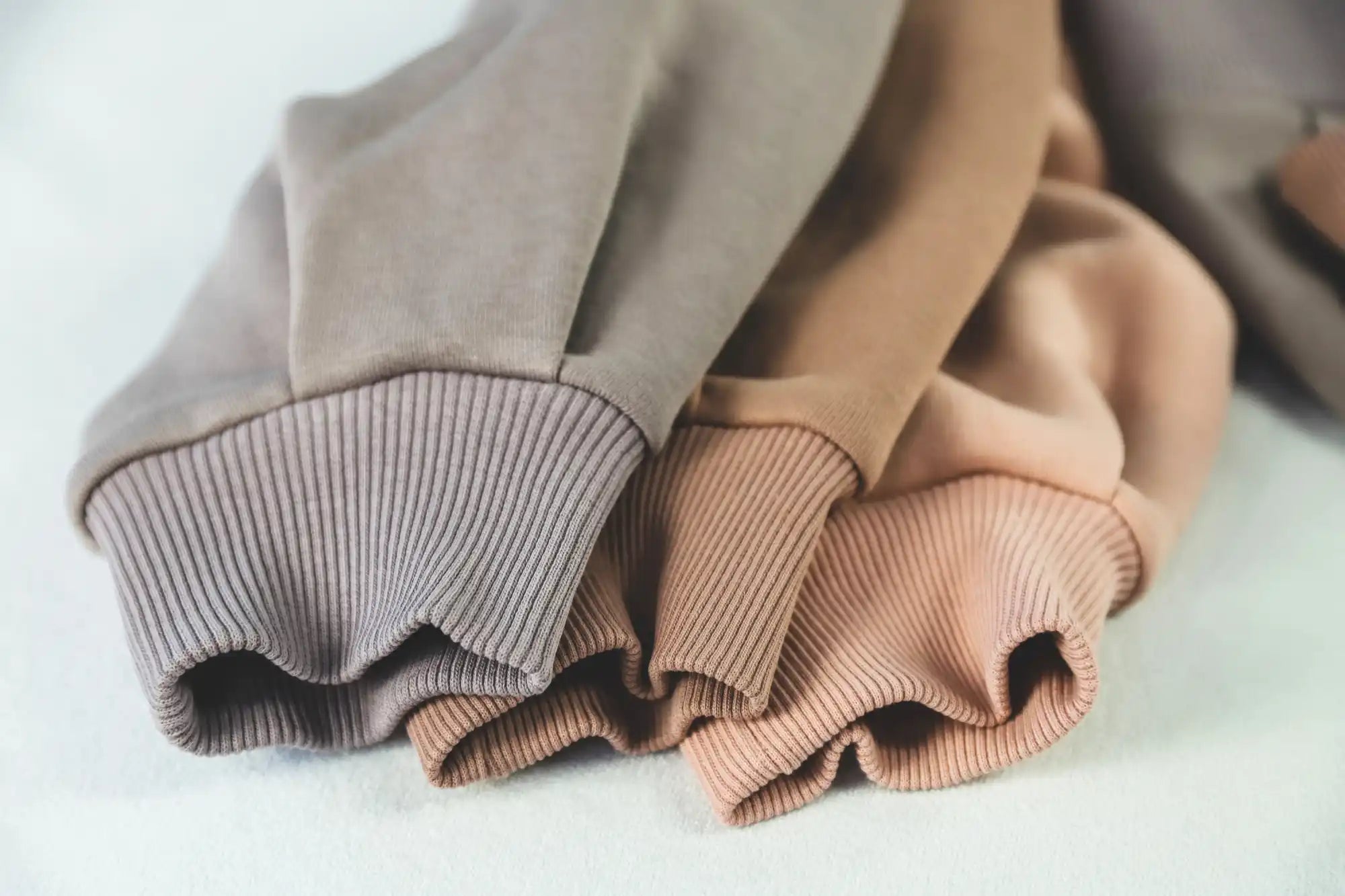
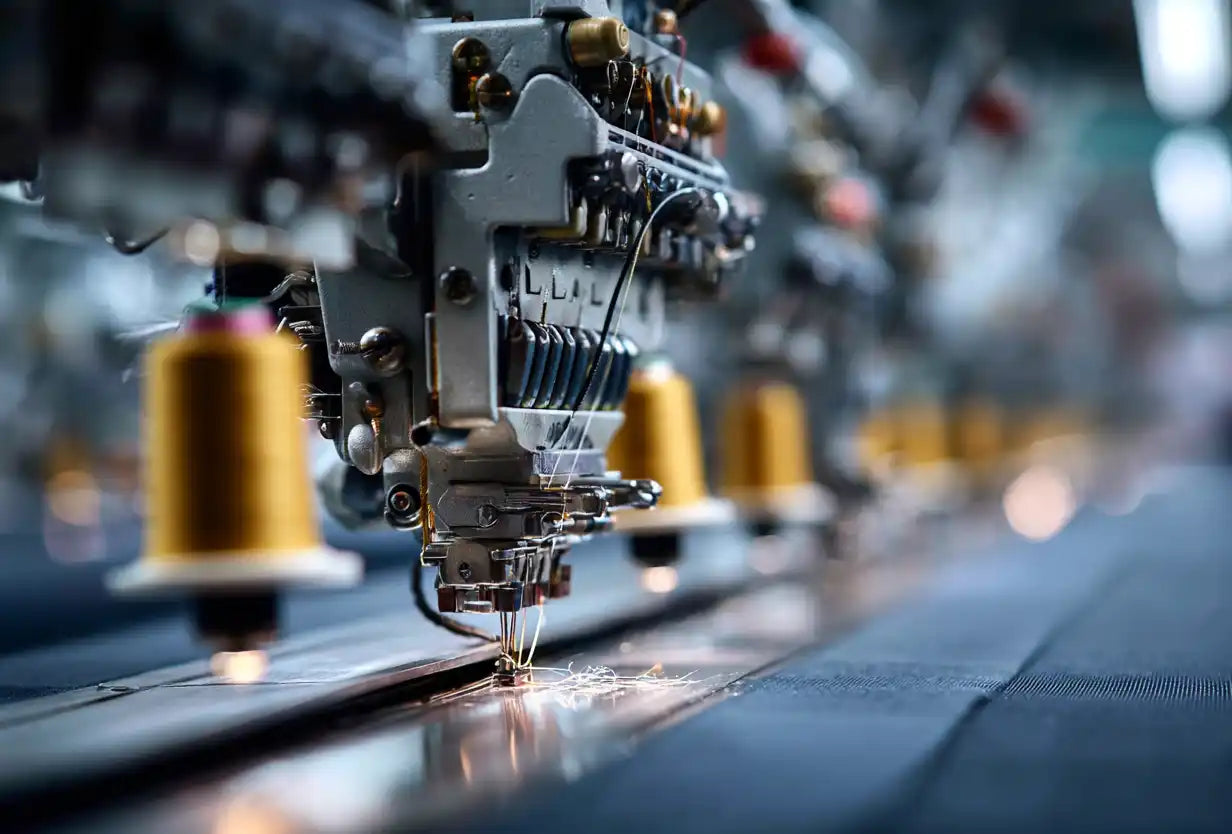
Acid wash has evolved from a denim-only trend to a refined, sustainable garment finishing technique now widely used in streetwear and athleisure. This guide explains its process, compliance standards, production controls, and sourcing recommendations for apparel brands.
Quick Snapshot
| Purpose | Create marbled, high-contrast texture and soft handfeel |
|---|---|
| Common Fabrics | Cotton fleece, French terry, heavyweight jersey, denim |
| Typical Production Impact | Medium unit cost; moderate lead time; manageable environmental impact with certified controls |
| Certifications to Target | OEKO-TEX® Standard 100, GOTS (where applicable), ZDHC MRSL & wastewater compliance |
What Is Acid Wash?
Acid wash—also known as snow wash or marble wash—is a selective color removal technique using mild oxidizing chemicals and abrasion. The reaction lifts dye irregularly to create a clouded, vintage-inspired surface, resulting in both a unique appearance and a soft hand.
Step-by-Step Process
- Base dyeing: Garments are dyed evenly to achieve a solid foundation tone.
- Stone preparation: Pumice or synthetic stones are soaked in a diluted oxidizing bath.
- Tumbling/agitation: Stones and garments rotate together, causing dye to fade unevenly.
- Neutralization: Residual oxidizers are neutralized to protect fabric integrity and color balance.
- Rinsing and finishing: Enzymes and softeners are applied to restore softness and dimensional stability.
Notes on Chemicals & Safety
Modern facilities utilize digital dosing, pH monitoring, and closed-loop neutralization systems to minimize chemical residues. Mills aligned with ZDHC Roadmap to Zero protocols ensure wastewater safety and adherence to MRSL standards.
Key Visual & Fabric Characteristics
| Feature | Description |
|---|---|
| Pattern | Cloudy, marbled, high-contrast “snow” or smoke effects |
| Texture | Slightly abraded with soft, smooth hand after enzyme finishing |
| Best Fabrics | Cotton fleece, heavyweight jersey, French terry, denim blends |
| Uniqueness | Each garment is visually distinct—ideal for limited editions |
Comparing Wash & Distressing Options
Below is a sourcing reference comparing common garment wash techniques:
| Technique | Process | Visual Result | Unit Cost | Lead Time | Sustainability |
|---|---|---|---|---|---|
| Acid Wash | Chemical oxidizer + stones | High-contrast marbling | Medium | Medium | High (with ZDHC-compliant controls) |
| Stone Wash | Mechanical abrasion | Faded, worn look | Low | Medium | Moderate |
| Enzyme Wash | Cellulase enzyme treatment | Smooth, subtle fade | Medium | Short | Very High |
| Ozone Wash | Oxygen-based fading | Even, low-impact fade | High | Short | Very High |
Applications & Product Examples
- Hoodies & Sweatshirts: Textured fleece with depth — Hoodies Collection
- Oversized T-shirts: Tonal marbling with drop-shoulder silhouettes — Oversized T-shirt Guide
- Capsule Drops: Distinctive, limited-edition styles — Acid Wash Capsule Collection
Quality Control & Production Parameters
- Precise chemical dosing and agitation control
- pH and residual oxidizer monitoring
- ISO 105 colorfastness and tensile testing
- Wastewater checks under ZDHC MRSL
Sustainability & Certification Guidance
Always request MRSL conformance certificates and updated wastewater test results from your partner mills for compliance verification.
Design & Brand Considerations
- Create capsule collections emphasizing artisanal variation
- Enhance oversized silhouettes with tone depth
- Use enzyme finishing to balance softness and structure
Care Recommendations
Cold wash, gentle cycle, no bleach, and air dry. Include clear care labeling to preserve the acid wash finish.
Cost & Lead Time Insights
- Unit Cost: Moderate — includes chemical prep and neutralization
- Lead Time: Add 3–5 days for sampling and QC
- MOQ: Flexible with low-MOQ certified mills
Next Steps for Brands
- Confirm GSM and fiber composition (cotton-rich blends preferred)
- Request three wash intensity samples
- Verify ZDHC and wastewater documentation
- Define tonal variance and wash specs in your tech pack
If your brand plans to develop certified acid wash garments, connect with our sourcing team through the request form to explore sampling and production options.
FAQs
Certifications & Standards
What makes acid wash sustainable today?
Modern facilities use enzyme-assisted or ozone bleaching, closed-loop rinsing, and MRSL-approved inputs to minimize effluent impact.
Can acid wash meet OEKO-TEX® or GOTS criteria?
Yes. Garments can qualify if chemical residues, pH, and dye stability comply with testing standards.
Sourcing & Production
Where are sustainable acid-wash garments produced?
Portugal and Turkey lead production, offering low-MOQ and certified wash capacity.
How long does the process take?
Typically 45–90 minutes plus drying and QC verification.
Materials & Care
Which fabrics work best?
Cotton fleece, French terry, and heavyweight jersey yield the most stable finishes.
Does acid wash damage fabric?
Controlled processing minimizes tensile loss; post-finishing softeners maintain durability.
Author
Written by the AthleisureBasics Editorial Team — Sustainable Textile Sourcing Division.