
Comprehensive Clothing & Garment Manufacturing Glossary
This comprehensive clothing and garment manufacturing glossary explains the most important apparel production terms used in sourcing, product development, sampling, quality control, and bulk manufacturing. If you are working with a clothing manufacturer, building a tech pack, comparing CMT vs full package production, or trying to understand MOQ, lead time, fabric GSM, trims, printing methods, and compliance standards, this glossary gives you clear, manufacturer-ready definitions in plain language. Use the section links to jump directly to any term and share exact anchors with your team to reduce misunderstandings, speed up approvals, and improve production outcomes
1. Manufacturing & Production Methods
CMT (Cut, Make, Trim)
CMT means you supply fabrics and trims, and the factory cuts and assembles the garment. It’s best when you want control over materials and sourcing.
FPP (Full Package Production)
Full Package Production means the factory manages sourcing, development, and production under one workflow. It reduces coordination effort, but requires clear specs and approvals.
OEM (Original Equipment Manufacturer)
OEM means the factory manufactures your product based on your designs and specifications. The brand owns the concept; the factory executes production.
ODM (Original Design Manufacturer)
ODM means the factory provides designs (or base designs) and manufactures them for private label. It’s faster to launch, but less unique than true custom development.
Sample Development
Sample development is the process of creating prototypes to confirm fit, construction, and materials before bulk production. It’s where most issues are discovered and corrected.
Tech Pack
A tech pack is the garment blueprint: measurements, construction details, materials, trims, artwork placement, and instructions. Strong tech packs reduce sampling rounds and production errors.
Pre-Production Sample (PPS)
A PPS is the approved “golden sample” used as the production reference. It locks final decisions so bulk output matches what you signed off.
Size Set Sample
A size set sample is produced across all sizes to verify grading accuracy and fit consistency. It prevents surprises when scaling from one fit sample to the full size range.
Pilot Run
A pilot run is a small first production run to validate quality, workflow, and consistency before scaling. It’s useful on new products or new factories.
Lead Time
Lead time is the total time from confirmed order to delivery, including production and shipping. It’s driven by capacity, complexity, and material availability.
2. Fabrics & Materials
GSM
GSM (grams per square meter) is fabric weight, influencing thickness, drape, and durability. Higher GSM typically feels heavier and more structured.
Selvage
Selvage is the finished edge of fabric that prevents fraying and helps maintain stability. It’s often used as a quality indicator in certain woven fabrics.
Yarn Count
Yarn count relates to yarn thickness and density, influencing hand-feel, texture, and performance. It can materially change softness, durability, and appearance.
Blends
Blends combine fibers (e.g., cotton/poly) to balance comfort, durability, stretch, and cost. The blend ratio affects shrinkage, pilling, and care performance.
Performance Fabrics
Performance fabrics are engineered for stretch, moisture management, compression, or abrasion resistance. They’re common in activewear where fit retention and comfort matter.
Sustainable Fabrics
Sustainable fabrics include organic, recycled, or lower-impact fibers chosen to reduce environmental footprint. Claims should be supported by credible certifications where applicable.
Deadstock Fabric
Deadstock fabric is leftover inventory from mills or factories repurposed for new products. It can reduce waste, but color and quantity continuity can be limited.
Greige Fabric
Greige fabric is raw, unfinished fabric straight from the loom or knitting machine. It typically requires dyeing and finishing before production use.
Notions
Notions are small components like zippers, snaps, buttons, thread, and elastics. Notions often drive lead time and quality perception more than brands expect.
Trim
Trim refers to functional or decorative components such as rib, drawcords, zippers, labels, or bindings. Trim choices affect durability, branding, and cost.
3. Printing, Dyeing & Finishing
Screen Printing
Screen printing applies ink through a stencil (screen) for durable, high-impact graphics. It’s cost-effective at volume and depends on setup and ink choice.
Sublimation Printing
Sublimation uses heat to bond dye into fibers for vivid, long-lasting prints. It’s most effective on synthetics like polyester.
DTG (Direct-to-Garment)
DTG prints digital ink directly onto fabric for detailed graphics and smaller runs. It requires compatible fabrics and proper pre-treatment for consistency.
Embroidery
Embroidery uses stitched thread to create logos or text with a premium look and long wear. Stitch density, backing, and placement affect feel and durability.
Puff Print
Puff print uses specialty ink that expands with heat to create a raised 3D effect. It requires controlled curing to avoid cracking or uneven lift.
Garment Dye
Garment dye colors the product after it is sewn, creating a unique washed look. It can affect shrinkage and requires testing to maintain consistency.
Pigment Dye
Pigment dye deposits color on the surface for a vintage, worn-in appearance. It often yields variation that should be approved via sampling.
Acid Wash
Acid wash is a chemical distress technique that creates high-contrast fading. Results can vary, so strike-offs and approvals are essential.
Stone Wash
Stone wash uses abrasive media to soften fabric and create a worn effect. It changes hand-feel and appearance and must be controlled for consistency.
Finishing
Finishing refers to treatments that affect feel, appearance, or performance (softening, coating, heat setting). Finishes should be tested for durability and compliance.
4. Quality Control & Compliance
AQL
AQL (Acceptable Quality Level) is the inspection standard that defines how many defects are acceptable in a batch. It sets a measurable pass/fail rule for bulk production.
Third-Party Inspection
A third-party inspection is an independent quality audit performed by an external inspector. It’s commonly used to verify bulk quality before shipment.
QC
QC (Quality Control) includes checks during and after production to ensure garments match specifications. It reduces rework, returns, and brand damage.
Compliance Audit
A compliance audit reviews whether a facility meets safety, labor, and legal standards. Brands often require audits as part of supplier onboarding.
CSR
CSR (Corporate Social Responsibility) describes policies and actions related to ethical production and sourcing. In manufacturing it commonly covers worker rights and transparency.
OEKO-TEX®
OEKO-TEX® indicates textile safety testing for harmful substances in certain product classes. It supports confidence in chemical safety for fabrics and trims.
GOTS
GOTS is a certification covering organic fiber content plus environmental and social criteria. It’s commonly used to substantiate organic textile claims.
REACH
REACH is the EU regulation controlling restricted chemicals in products placed on the market. It impacts dyes, finishes, inks, and certain trims.
Social Audit
A social audit evaluates working conditions, wages, hours, and worker rights practices. It’s often requested by retailers and brands to reduce compliance risk.
Code of Conduct
A code of conduct is a brand’s supplier rulebook covering labor, ethics, and quality expectations. It becomes the baseline standard for supplier compliance.
5. Shipping & Logistics
Incoterms
Incoterms define who is responsible for costs, risk, and paperwork at each stage of shipping. Choosing the right Incoterm prevents surprise fees and delays.
FOB
FOB typically means risk transfers to the buyer once goods are loaded for shipment at the origin port. Exact responsibilities depend on the named port and contract.
CIF
CIF generally means the seller arranges and pays main carriage and insurance to the destination port. Risk transfer rules still follow the Incoterms definition.
DDP
DDP means the seller delivers to the named place and covers duties and import costs. It can simplify delivery for buyers but requires careful pricing and documentation.
EXW
EXW means the buyer collects goods from the seller’s premises and assumes most shipping responsibility. It often requires a capable freight forwarder.
HS Code
An HS code is a customs classification used to determine duties and import requirements. Incorrect HS codes can cause delays, fines, or unexpected duty rates.
Bill of Lading
A bill of lading is the shipping document that acts as a receipt and contract of carriage. It’s required for tracking and customs processing.
Landed Cost
Landed cost is the true total cost of goods including product, freight, insurance, duties, and fees. It’s the number you should base pricing and margin decisions on.
Customs Clearance
Customs clearance is the process of legally importing goods through declarations, duties, and compliance checks. Accurate paperwork reduces delays and storage fees.
Freight Forwarder
A freight forwarder manages shipping logistics, documentation, and carrier coordination. Good forwarders reduce risk, cost, and customs issues.
6. Seams & Stitching
Flatlock
Flatlock is a seam that lays flat to reduce chafing, common in activewear. It’s useful where comfort and stretch performance matter.
Overlock
Overlock stitches wrap the fabric edge to prevent fraying and secure seams. It’s widely used in knit garments for clean edges and durability.
Coverstitch
Coverstitch creates a stretchy, durable hem often seen on knitwear and activewear. It provides a professional finish and improved seam recovery.
Lockstitch
Lockstitch is a strong straight stitch used for stable seams on woven garments and many construction steps. It’s valued for clean appearance and strength.
Chainstitch
Chainstitch forms looped stitches that can provide flexibility and speed in production. It’s common in hems and areas needing some give.
Bartack
Bartack stitching reinforces stress points like pocket corners and fly areas. It prevents seam failure under tension and repeated wear.
Blind Stitch
Blind stitch creates a nearly invisible hem with minimal stitch visibility on the outside. It’s common in tailored garments and cleaner finishes.
Topstitch
Topstitch is a visible stitch used for decoration, reinforcement, or both. It affects brand aesthetic and perceived quality at first glance.
Twin Needle Stitch
Twin needle stitching creates two parallel lines, commonly used on hems for a clean ready-to-wear look. It balances stretch needs with visual symmetry.
Seam Tape
Seam tape is applied to seal or reinforce seams, often for waterproof or technical garments. It improves performance but requires correct heat and pressure settings.
French Seam
French seams enclose raw edges inside the seam for a clean, premium interior finish. They’re common in lightweight wovens and higher-end construction.
Bound Seam
A bound seam finishes raw edges using binding tape for durability and a clean inside look. It’s used where both strength and interior presentation matter.
Flat-Felled Seam
Flat-felled seams fold and stitch seam allowances down for extra strength and durability. They’re common in denim and heavy-duty garments.
Lapped Seam
Lapped seams overlap fabric layers to create a durable join, often used in technical or heavy construction. They improve strength but add bulk if not managed well.
7. Garment Construction & Design
Placket
A placket is the reinforced opening where buttons, snaps, or zippers sit. It affects structure, durability, and how the garment sits on the body.
Yoke
A yoke is a shaped panel that improves fit and adds structure, often seen in shirts and jackets. It can also be a design feature that affects silhouette.
Darts
Darts are folds sewn into fabric to create shape and contour. They help achieve tailored fit without adding extra seams or panels.
Gusset
A gusset is an added panel that increases mobility, strength, and comfort in high-movement areas. It’s common in activewear and performance garments.
Inseam
Inseam is the measurement from crotch seam to hem on pants/shorts. It influences fit, proportion, and how the garment wears in motion.
Rise
Rise is the measurement from crotch seam to waistband on pants/shorts. It impacts comfort, silhouette, and perceived fit style (low, mid, high rise).
Grading
Grading is the process of scaling a pattern across sizes while maintaining proportion and fit. Poor grading causes inconsistent fit across the size range.
8. Retail & Business Models
Wholesale Pricing
Wholesale pricing is the price a retailer pays when buying in bulk for resale. It must cover your costs while leaving room for retailer markup.
MSRP
MSRP is the recommended retail price presented to customers. It should align with landed cost, channel needs, and brand positioning.
Keystone Markup
Keystone markup is a common retail model where retail price is roughly 2× wholesale. It’s a reference point, not a rule, and varies by category.
Consignment
Consignment means a store sells your product and pays you only after it sells. It reduces retailer risk but increases cashflow risk for the brand.
Distribution Channel
A distribution channel is the route your product takes to reach customers (DTC, retail, marketplaces, wholesale). Each channel needs its own pricing and inventory strategy.
Dropshipping
Dropshipping means products ship directly from supplier to customer without you holding inventory. Quality control and branding control are typically limited.
Pre-Orders
Pre-orders collect demand and payment before production, reducing inventory risk. They require realistic lead times and clear customer communication.
Private Label
Private label products are produced for your brand, often using existing factory patterns or designs. Differentiation depends on customization depth.
Supply Chain Transparency
Supply chain transparency means being able to explain where and how products are made. It supports trust, compliance, and stronger sustainability claims.
9. Costing & Commercials
MOQ (Minimum Order Quantity)
MOQ is the minimum quantity a factory requires per style and color to run production efficiently. It exists because setup work creates fixed costs that don’t scale down well.
Cost Sheet
A cost sheet breaks down how the factory price is built (fabric, trims, labor, overhead, margin). It helps you identify the real cost drivers.
BOM (Bill of Materials)
A BOM lists every component required to produce the garment with specifications and quantities. It prevents missing components and improves pricing accuracy.
CM Cost (Cut & Make)
CM cost is the labor and factory work cost to cut and sew a garment, excluding fabric and trims. It’s a key lever when you manage sourcing.
SMV (Standard Minute Value)
SMV estimates the time required to sew a garment and is used to calculate labor cost. Higher complexity increases SMV and unit price.
Margin
Margin is the profit left after all costs (including landed cost) are covered. It must support marketing, overhead, returns, and growth.
Payment Terms
Payment terms define when and how you pay (deposit, balance, net terms). Clear terms reduce disputes and production delays.
Proforma Invoice
A proforma invoice is a preliminary invoice used to confirm products, pricing, and terms before payment. It’s often used for deposits and documentation.
10. Development & Sampling (Extended)
Fit Sample
A fit sample is made to test sizing, silhouette, and comfort on-body. It focuses on fit corrections before final details are locked.
Proto Sample (Prototype)
A proto sample is an early build used to validate construction and concept before refinement. It helps identify issues early when changes are cheaper.
Salesman Sample
A salesman sample is made for sales meetings or buying presentations, often before bulk production. It’s used to validate market interest and secure orders.
Comments Sheet
A comments sheet records requested changes after each sample round (fit, construction, measurements, finishing). It keeps development decisions consistent.
TOP Sample (Top of Production)
A TOP sample is pulled from the production line to confirm bulk output matches the approved standard. It’s a final checkpoint before shipment completes.
Sample Approval
Sample approval is the formal sign-off that locks materials, measurements, and construction for production. Clear approvals enable reliable consistency.
11. Patterns, Cutting & Sewing Prep
Pattern Block
A pattern block is the foundational base pattern used to develop styles. Strong blocks reduce fit issues and speed up future development.
Marker (Nesting)
A marker is the layout plan for pattern pieces on fabric to minimize waste and control yield. Better markers reduce fabric cost.
Spreading
Spreading is laying fabric in layers before cutting to ensure accuracy and consistency. Poor spreading can cause skew and mismatched parts.
Bundling
Bundling groups cut components together so sewing lines assemble the correct sets. It reduces mix-ups across sizes and colors.
Notches
Notches are small pattern marks that help align pieces accurately during sewing. They improve consistency and reduce assembly errors.
Grainline
Grainline indicates fabric direction for cutting to control drape and stability. Incorrect grain can distort fit and twist after wash.
Shrinkage Allowance
Shrinkage allowance is extra measurement added so the garment lands on spec after wash or finishing. It should be validated through testing.
12. Testing & Performance
Colorfastness
Colorfastness measures how well color resists fading or bleeding from washing, rubbing, or sweat. It protects perceived quality and reduces complaints.
Pilling
Pilling is the formation of small fiber balls on the fabric surface from wear and friction. Reducing pilling requires correct yarn and finishing choices.
Shrinkage Test
A shrinkage test measures how much fabric or a garment changes size after washing/drying. It prevents sizing drift between sample and production.
Tear Strength
Tear strength measures resistance to ripping under stress and supports durability expectations. It’s especially relevant for lightweight wovens and performance items.
Seam Slippage
Seam slippage happens when fabric yarns shift at the seam under tension, causing gaps and weak seams. It’s a fabric-and-construction issue that should be tested early.
Lab Dip
A lab dip is a small dyed fabric sample used to approve color before bulk dyeing. It reduces the risk of color mismatch across production lots.
Strike-Off
A strike-off is a test print made to approve color, placement, and finish before full production. It’s the fastest way to prevent expensive print errors.
Pantone / Color Standard
A color standard is the reference used to match and control color across fabric, trims, and prints. It prevents “almost the same” mismatches between components.
13. Trims, Labels & Packaging
Labels
Labels include brand, size, and care labels that communicate identity and compliance. They are small details that strongly influence perceived quality.
Care Label
A care label communicates washing instructions and required product information by market. Incorrect labels create compliance risk and customer dissatisfaction.
Hangtag
A hangtag is the removable branding tag attached to a garment for retail presentation. It supports positioning and price perception at point of sale.
Polybag
A polybag is the individual garment bag used for protection during shipping and storage. Specs can matter for retailer and warehouse requirements.
Carton Spec
Carton spec defines box dimensions, strength, labeling, and packing quantity. It affects freight cost, damage rates, and warehouse efficiency.
Woven Label
A woven label is a premium branding label made by weaving yarn, producing crisp detail and durability. It’s common in higher-end streetwear and outerwear.
Heat Transfer (Label/Logo)
Heat transfers apply logos or labels using heat and pressure, offering a clean modern finish. They should be tested for wash durability and cracking.
14. Production Control & Workflow
Critical Path
The critical path is the timeline of dependent steps from development through shipment. Managing it prevents delays caused by late approvals or missing trims.
In-Line Inspection
In-line inspection checks quality during production, not only at the end. It catches issues early when they’re cheaper and faster to correct.
Final Inspection
Final inspection verifies finished goods against specs before shipment. It’s the last opportunity to stop defects from leaving the factory.
Rework
Rework is correcting defects after production steps are completed. It increases cost and lead time and is often caused by unclear specs or weak in-line QC.
CAPA (Corrective and Preventive Action)
CAPA is the process of fixing the root cause of defects and preventing them from recurring. It improves consistency across future production runs.
Production Spec Sheet
A production spec sheet is the condensed production-ready version of your tech pack used on the factory floor. It reduces ambiguity during cutting and sewing.
OOS (Out of Spec)
Out of spec means a measurement, component, or finish falls outside approved tolerances. It can trigger rework, rejection, or a CAPA process.
15. Compliance & Standards (Extended)
BSCI
BSCI is a framework used by brands and retailers to assess and improve social compliance in supply chains. It’s often referenced during supplier onboarding.
Sedex / SMETA
Sedex is a platform used to share responsible sourcing data; SMETA is a common audit methodology. Many buyers request SMETA audits as proof of social compliance.
ISO 9001
ISO 9001 is a quality management standard that formalizes processes for consistent output. It signals structured systems, though it doesn’t guarantee product quality by itself.
CPSIA (US)
CPSIA is a US consumer product safety law that can apply to apparel, especially children’s products. Requirements may include labeling and restricted substances.
Prop 65 (California)
Prop 65 requires warnings if products expose consumers to listed chemicals above certain thresholds. It can affect dyes, inks, and some trims depending on formulation.
Traceability
Traceability is the ability to track materials and production steps back through the supply chain. It supports compliance, sustainability claims, and faster issue resolution.
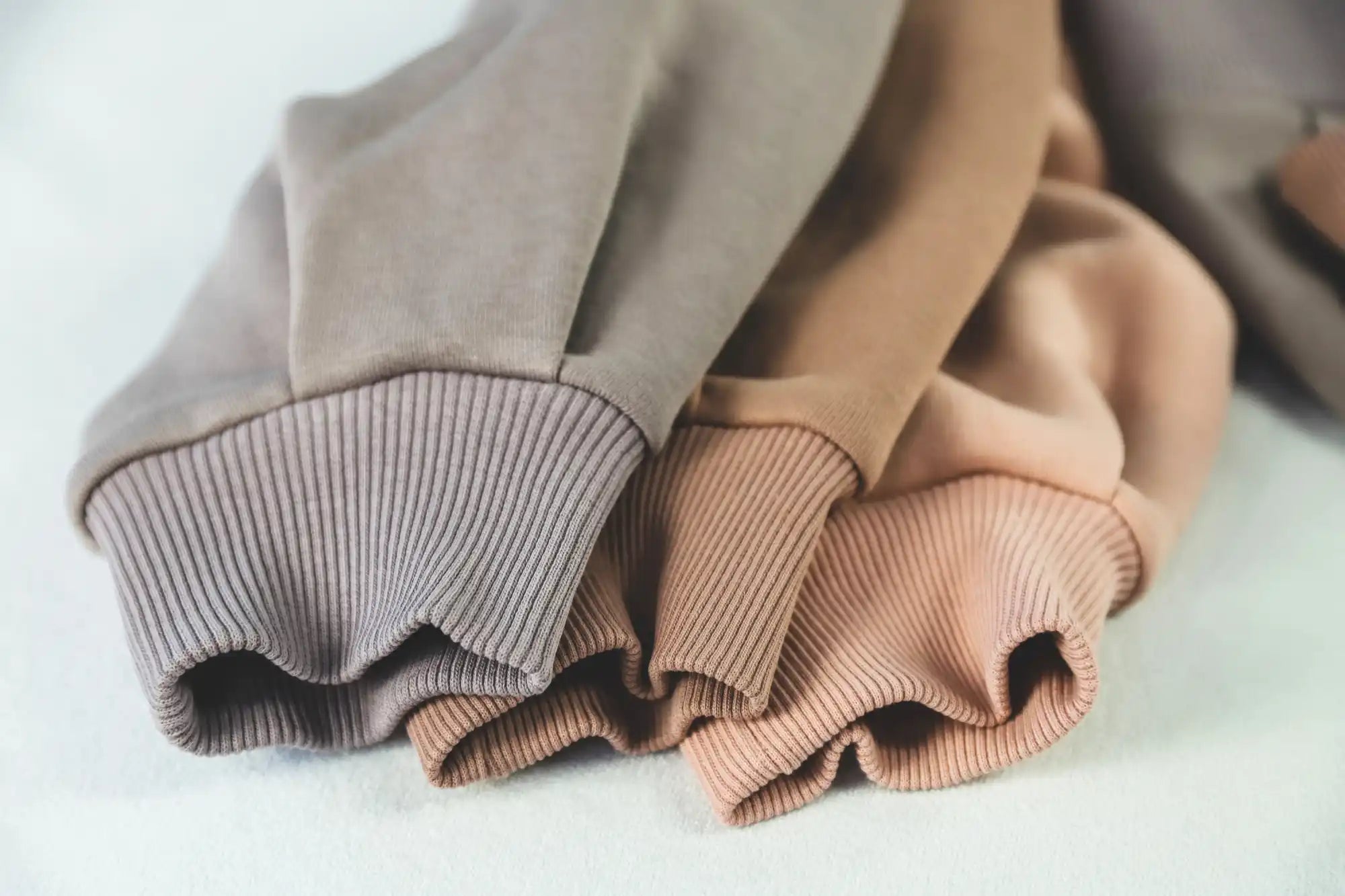
Materials & Fabrics for Clothing Production
Explore cotton, French terry, jersey, fleece, and sustainable blends used in premium apparel manufacturing.
Explore Premium Apparel Fabrics Guide
Printing Techniques for Apparel Production
Screen printing, embroidery, puff prints, and digital methods for custom clothing manufacturing.
Explore Custom Apparel Printing Techniques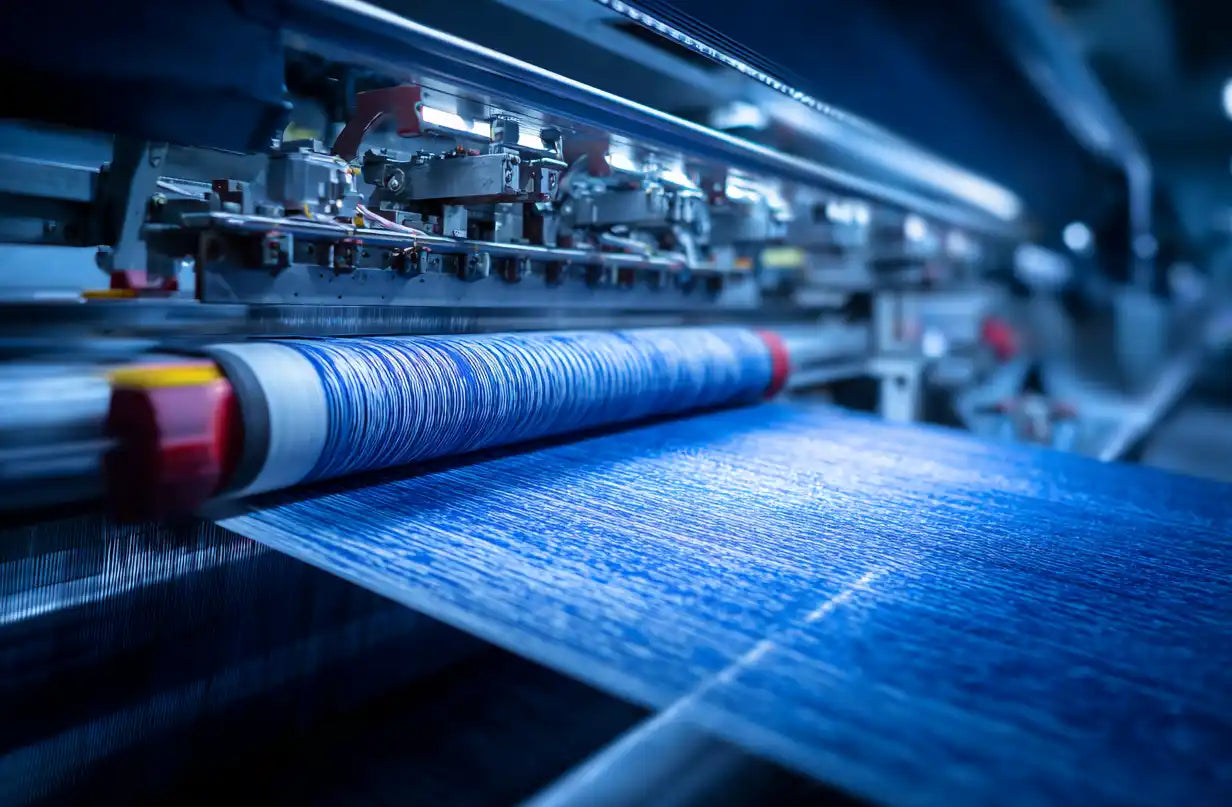
Dyeing Techniques in Clothing Manufacturing
Garment dye, pigment, acid wash, and stone wash finishes that create unique apparel designs.
Compare Apparel Finishing Techniques
Popular Clothing Items for Custom Apparel
Hoodies, joggers, t-shirts, leggings, and biker shorts — essentials for every apparel collection.
Explore Popular Custom Clothing Items
Trends & Designs in Modern Apparel
Oversized fits, streetwear influences, and activewear styles driving custom clothing production.
Explore Trends & Designs for Apparel Development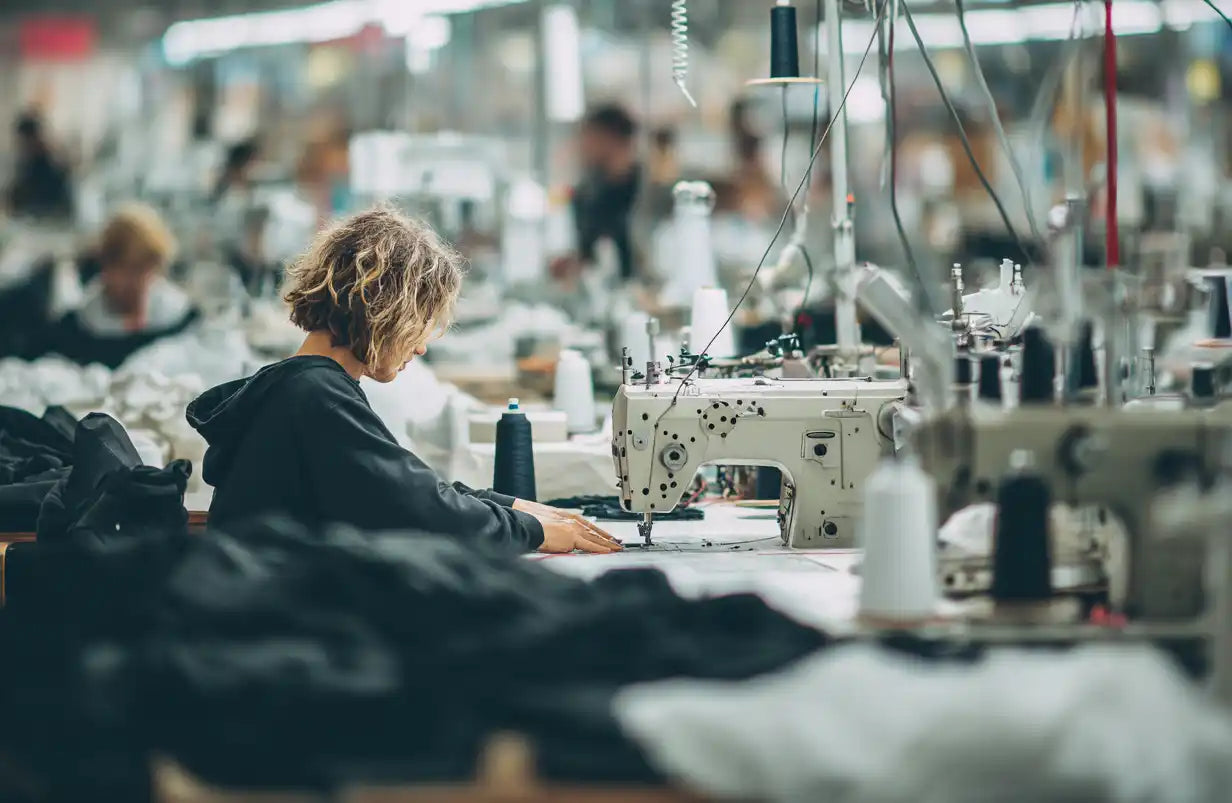
Sustainable & Ethical Clothing Production
OEKO-TEX® certified fabrics, organic cotton, and ethical apparel manufacturing in Portugal.
Understand Sustainable & Ethical Clothing Production
Essentials for Custom Clothing Production
Custom labels, packaging, and trims that elevate your apparel brand in production.
Explore Essentials for Custom Clothing Production
Resources for Custom Clothing Production
Startup guides, logistics support, and scaling strategies for apparel brands and wholesale clients.
Explore Resources for Custom Clothing Production
Clothing Manufacturing Glossary
Explore a complete glossary of clothing and garment manufacturing terms
The Complete Clothing Manufacturing Glossary
The Best Clothing Manufacturers
Explore global clothing manufacturers by country
Explore The Best Clothing Manufacturers
The Latest Clothing Industry Updates in 2025
Discover the latest news about important topics in the clothing industry in 2025,
Stay On Top Of Clothing Industry Updates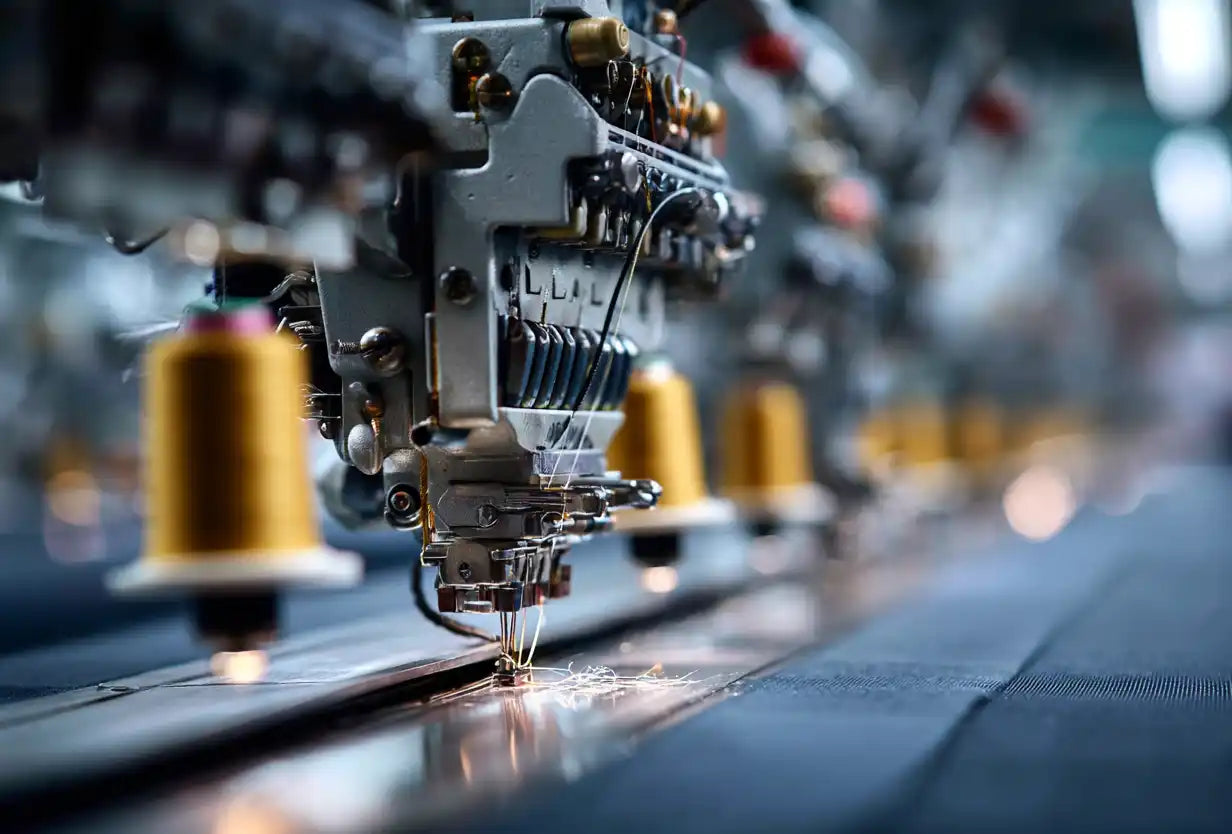
Worldwide Best Manufacturers of Clothes in 2026
Top clothing manufacturers worldwide organized by product type
Find The Worldwide Best Manufacturers of Clothes