
Asymmetric Hem Apparel Production & Style Fits Guide
Aesthetic and style fits have become defining factors in modern apparel collections, especially for brands producing custom made hoodies and custom t shirts. In 2025, fit-driven design choices increasingly determine how garments are perceived across retail, wholesale, and direct-to-consumer channels.
Among these design choices, the asymmetric hem stands out as a structural feature that adds visual hierarchy without relying on graphics or heavy branding. For apparel brands, sourcing managers, and production teams, asymmetric hems require precise pattern engineering, fabric selection, and finishing control to remain scalable.
What Is an Asymmetric Hem?
An asymmetric hem is a garment hemline intentionally constructed with uneven lengths. This can include angled cuts, high-low profiles, wrap-front overlaps, or offset side panels that create movement and depth.
Unlike distressed finishes, asymmetric hems are engineered at the pattern stage. This ensures consistent proportions across sizes and repeatable results in bulk manufacturing.
How It Works: Pattern Development
Pattern makers introduce asymmetric hems by adjusting hem curves and panel lengths while maintaining correct grain alignment. Each panel is balanced to prevent torque or twisting during wear.
During grading, hem drops are proportionally scaled to ensure visual consistency across sizes. Marker efficiency must also be recalculated to accommodate directional cutting.
Why Asymmetric Hems Matter in Apparel Collections
Asymmetric hems allow brands to create differentiation without increasing embellishment costs. They add perceived value through construction rather than decoration.
- Enhances silhouette without heavy graphics
- Improves garment drape on structured fabrics
- Supports premium positioning for minimalist designs
How to Customize a Hoodie with Asymmetric Hem Designs
Asymmetric hems are increasingly used when brands customize a hoodie for premium athleisure or streetwear collections. Common executions include extended back panels, angled side splits, and wrap-style fronts.
When developing custom made hoodies, asymmetric hems are typically paired with heavyweight fleece or French terry to maintain clean edges and structural integrity.
How It Works: Hoodie Construction
Balanced side-seam tension is critical when constructing asymmetric hoodie hems. Pattern makers offset seam lengths to prevent pulling or distortion during wear.
Hem-drop specifications are documented in the tech pack to ensure factories maintain consistent measurements during bulk production. Coverstitch machines are calibrated to follow curved or angled hem paths accurately.
Brands developing hoodie programs can reference the definitive guide to 2025 hoodie customization for production benchmarks.
Comparison: Asymmetric Hem vs Straight Hem
| Factor | Asymmetric Hem | Straight Hem |
|---|---|---|
| Visual differentiation | High | Low |
| Pattern complexity | Medium–High | Low |
| Production control required | High | Moderate |
Asymmetric Hems in Custom T-Shirt Production
In custom t shirts, asymmetric hems are most effective when paired with mid- to heavyweight jersey fabrics. Lightweight fabrics often curl or distort at angled edges.
Streetwear brands frequently use curved high-low hems to create layering effects without increasing garment weight.
How It Works: T-Shirt Hem Finishing
After cutting, asymmetric hems on t-shirts are finished using coverstitch or narrow twin-needle stitching. Operators follow directional stitch paths to maintain edge stability.
Wash testing is essential to confirm that hems retain their intended shape after laundering.
Detailed production workflows are outlined in the t-shirt manufacturing production guide.
Custom Embroidery on Sweatshirts with Asymmetric Hems
Custom embroidery on sweatshirts pairs well with asymmetric hems because embroidery adds texture without disrupting garment balance. Placement is typically kept above the hemline to avoid visual imbalance.
How It Works: Embroidery on Uneven Hems
Embroidery requires controlled hooping to prevent distortion, especially near angled edges. Uneven hems increase the risk of hooping distortion if embroidery is placed too close to the hem.
Factories often reinforce embroidery zones with stabilizers to preserve stitch accuracy and reduce rejection rates.
Brands can review embroidery best practices in the complete guide to embroidered sweatshirts.
Fabric Selection for Asymmetric Hem Integrity
Fabric choice directly affects hem performance. Structured knits maintain edge definition better than loose or low-twist yarns.
| Fabric GSM | Hem Stability | Recommended Use |
|---|---|---|
| 180–200 | Low | Basic t-shirts only |
| 220–240 | Medium | Curved hems |
| 280+ | High | Hoodies & sweatshirts |
Certifications & Compliance Considerations
Asymmetric hems do not alter certification requirements but may introduce additional trims or processes that must be documented.
- GOTS for certified organic textiles
- OEKO-TEX® Standard 100 for chemical safety
Industry sustainability benchmarks are also maintained by Textile Exchange.
Common Mistakes to Avoid
- Ignoring grain direction: Causes twisting during wear, leading to customer dissatisfaction and returns.
- Using curling fabrics: Results in uneven hems that reduce perceived quality and weaken premium positioning.
- Underestimating labor time: Increases per-unit costs and disrupts production timelines.
- Poor embroidery placement: Leads to hooping distortion, embroidery rejection, and higher defect rates.
FAQs About Certification & Standards
Do asymmetric hems affect certification eligibility?
No. Certifications such as GOTS and OEKO-TEX are based on material composition, chemical inputs, and processing methods. The physical shape of a garment does not influence certification status. However, any additional trims or finishes must be included in compliance documentation.
Can GOTS-certified fabrics be used for asymmetric designs?
Yes, GOTS-certified fabrics can be used without restriction for asymmetric garments. The key requirement is that all processing steps, including cutting and finishing, follow approved standards. Factories must maintain proper traceability throughout production.
Are extra compliance tests required for uneven hems?
No additional testing is required unless new dyes, finishes, or trims are introduced. If elastic bindings or reinforcements are added near the hem, those components must also meet compliance requirements.
FAQs About Sourcing & Production
Do asymmetric hems increase minimum order quantities?
Asymmetric hems typically do not affect minimum order quantities. They may increase development and sampling costs due to pattern complexity. Once approved, bulk production scales normally.
Are asymmetric hems suitable for small-batch production?
Yes, they are suitable for small runs when marker efficiency and grading are properly managed. Many brands use asymmetric hems for capsule collections or limited drops. Sampling accuracy is critical to avoid waste.
Do asymmetric hems slow down production?
Production may slow slightly due to additional quality checks and controlled hemming. However, experienced factories can integrate asymmetric hems with minimal disruption. Clear tech packs reduce delays.
FAQs About Materials & Care
Do asymmetric hems shrink unevenly after washing?
Uneven shrinkage only occurs if fabric shrinkage is not tested before production. Pre-shrunk or stabilized fabrics prevent this issue. Wash testing should always be completed during sampling.
Are special care labels required?
No special care labels are required solely due to an asymmetric hem. Care instructions should match the fabric and embellishment used. Clear labeling helps reduce post-purchase issues.
Do asymmetric hems reduce garment durability?
When constructed correctly, durability is not affected. Reinforced stitching and appropriate fabric selection maintain performance. Poor construction, not design, is the main risk factor.
If your brand plans to develop new collections using certified fabrics and scalable production methods, reach out to our team via the request form to discuss availability and production options.
Written by the AthleisureBasics Technical Sourcing Team.
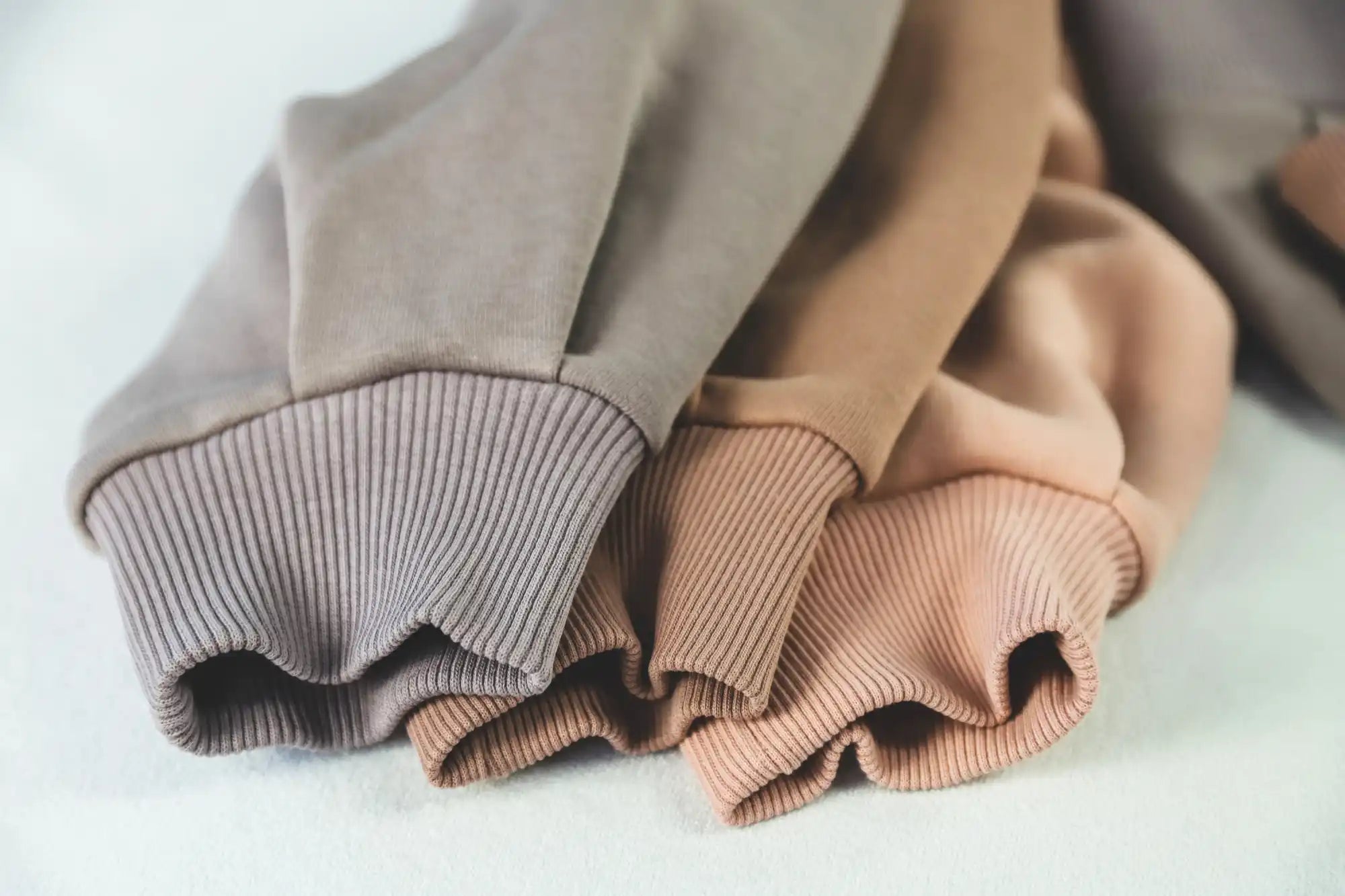
Materials & Fabrics for Clothing Production
Explore cotton, French terry, jersey, fleece, and sustainable blends used in premium apparel manufacturing.
Explore Premium Apparel Fabrics Guide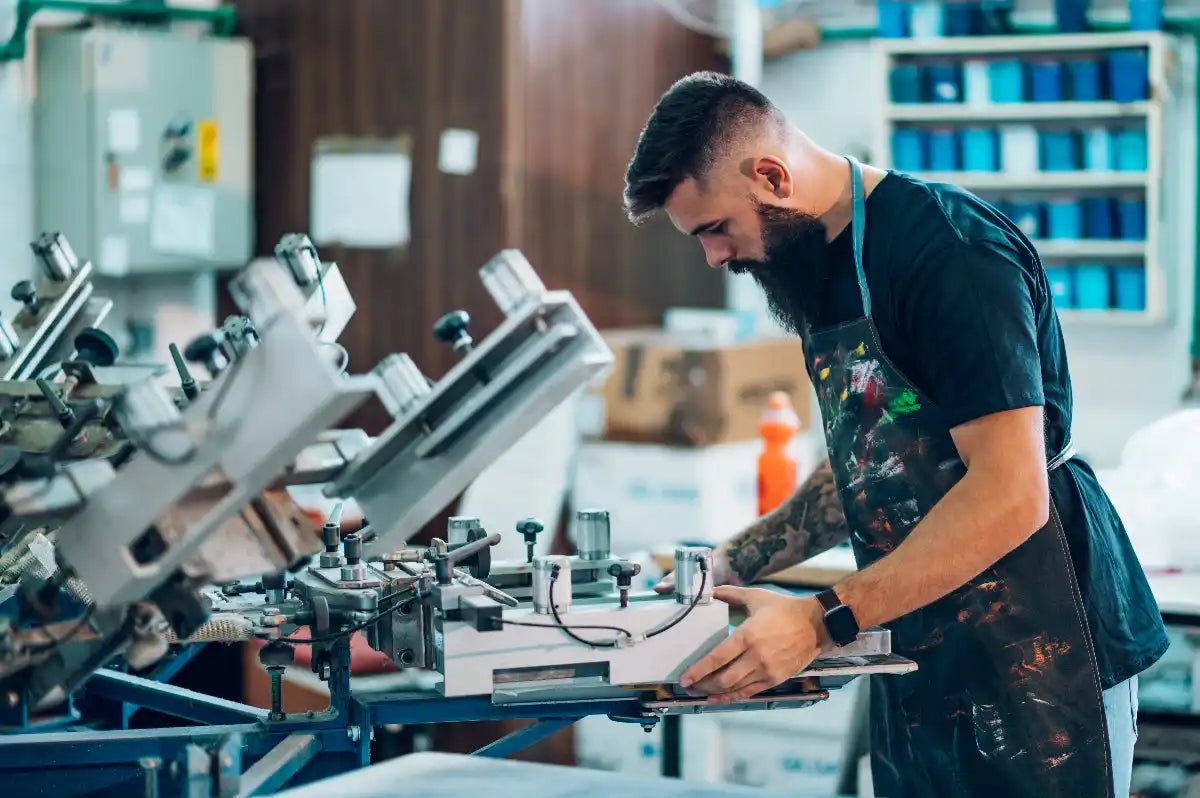
Printing Techniques for Apparel Production
Screen printing, embroidery, puff prints, and digital methods for custom clothing manufacturing.
Explore Custom Apparel Printing Techniques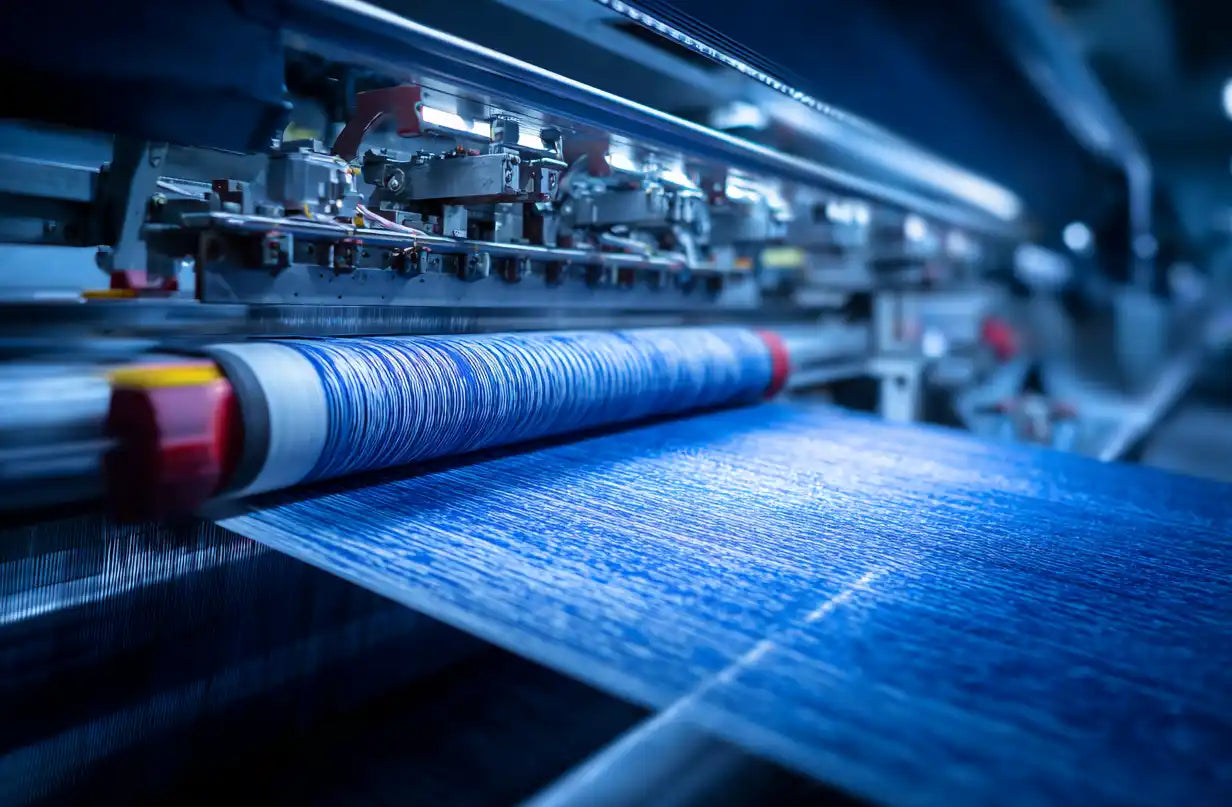
Dyeing Techniques in Clothing Manufacturing
Garment dye, pigment, acid wash, and stone wash finishes that create unique apparel designs.
Compare Apparel Finishing Techniques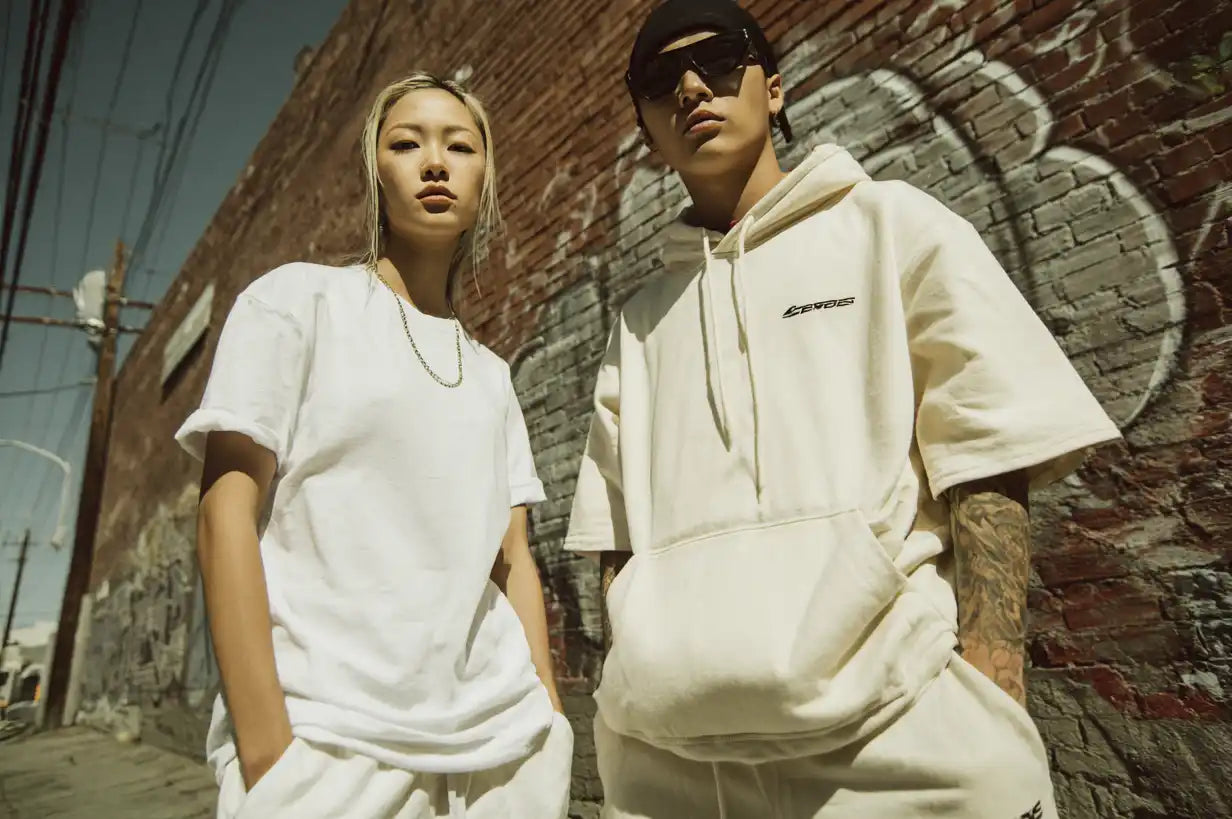
Popular Clothing Items for Custom Apparel
Hoodies, joggers, t-shirts, leggings, and biker shorts — essentials for every apparel collection.
Explore Popular Custom Clothing Items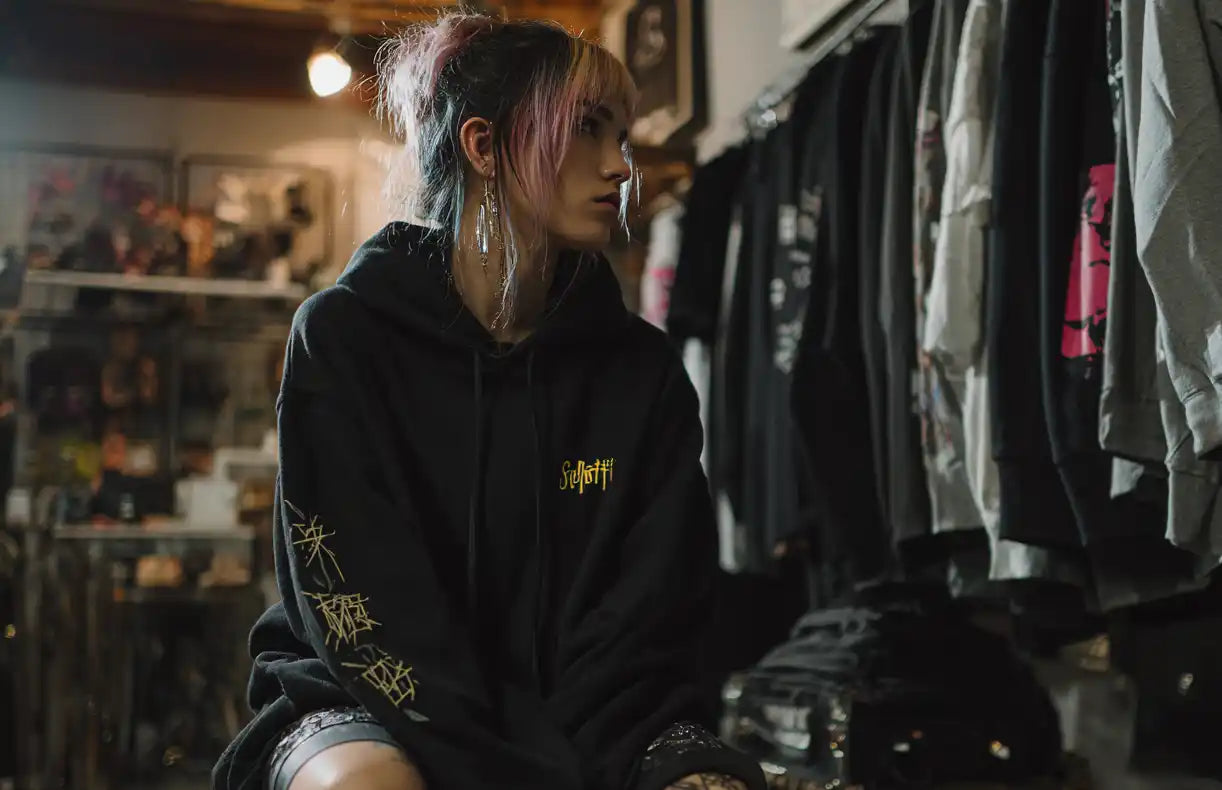
Trends & Designs in Modern Apparel
Oversized fits, streetwear influences, and activewear styles driving custom clothing production.
Explore Trends & Designs for Apparel Development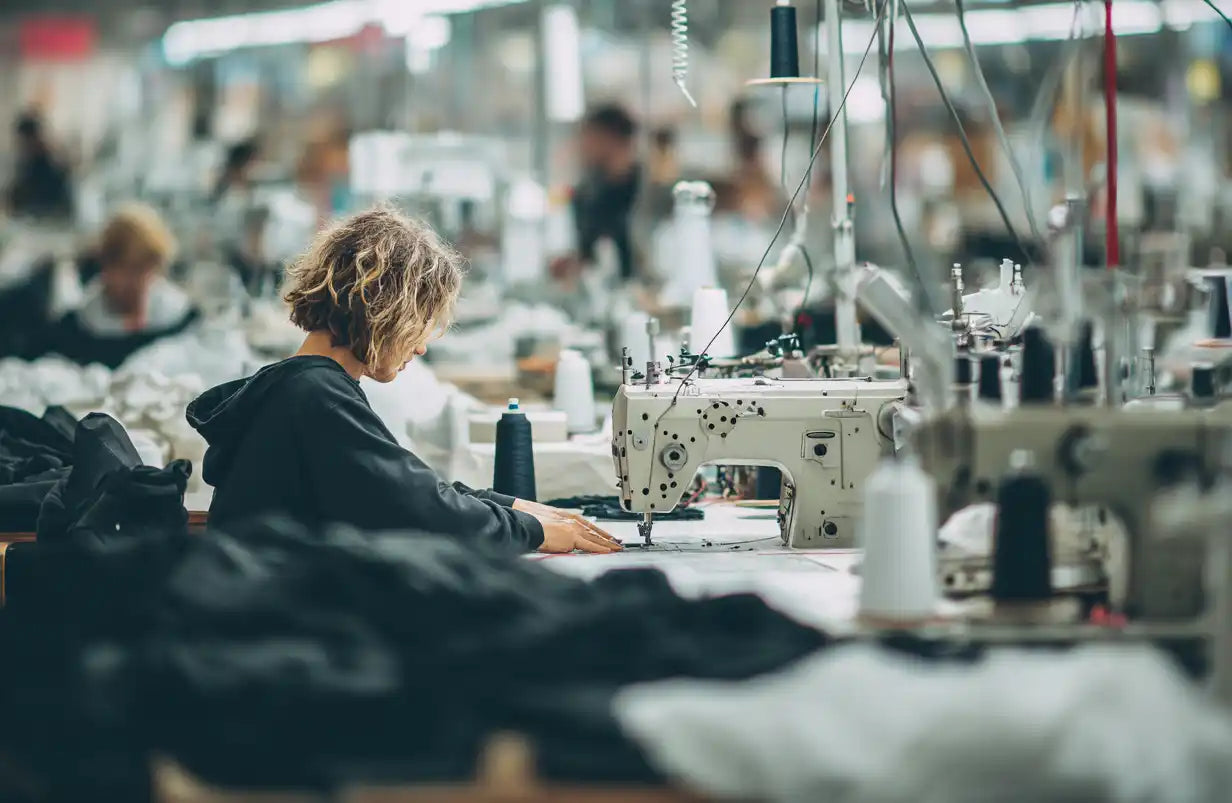
Sustainable & Ethical Clothing Production
OEKO-TEX® certified fabrics, organic cotton, and ethical apparel manufacturing in Portugal.
Understand Sustainable & Ethical Clothing Production
Essentials for Custom Clothing Production
Custom labels, packaging, and trims that elevate your apparel brand in production.
Explore Essentials for Custom Clothing Production
Resources for Custom Clothing Production
Startup guides, logistics support, and scaling strategies for apparel brands and wholesale clients.
Explore Resources for Custom Clothing Production
Clothing Manufacturing Glossary
Explore a complete glossary of clothing and garment manufacturing terms
The Complete Clothing Manufacturing Glossary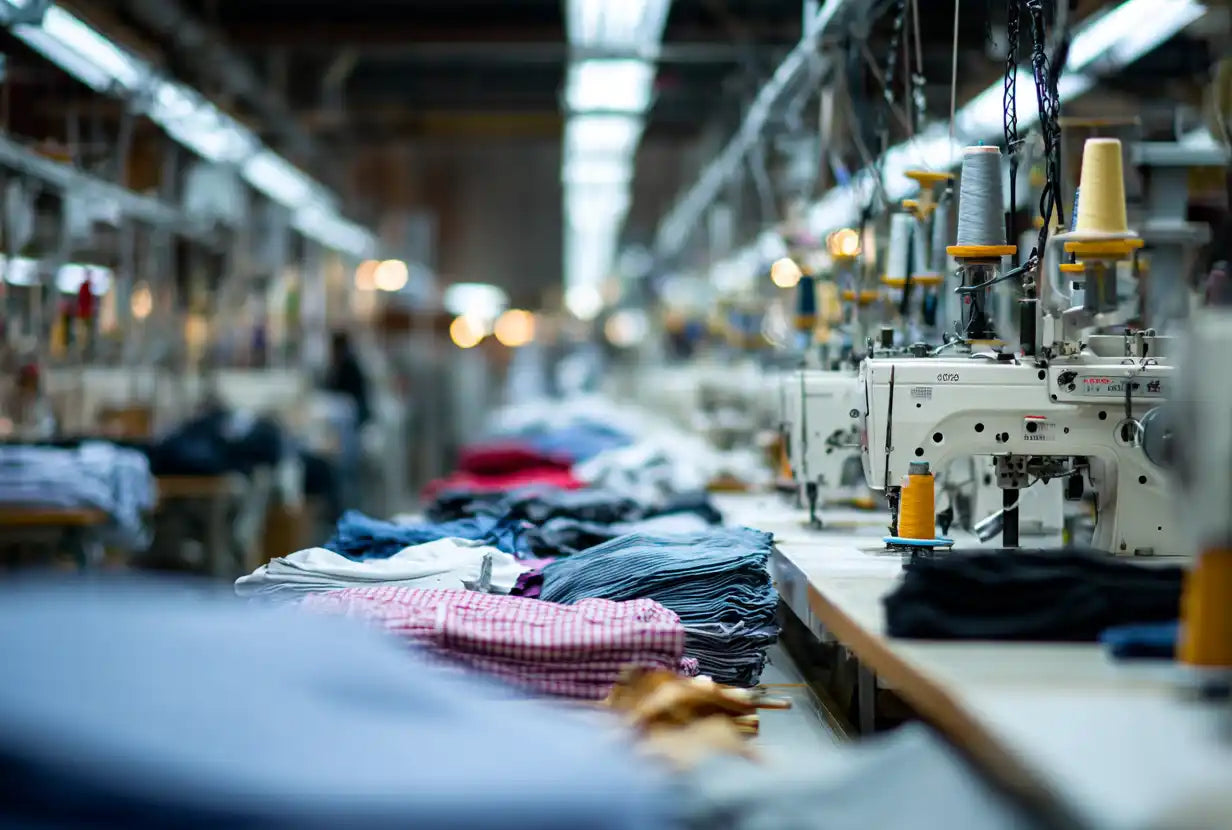
The Best Clothing Manufacturers
Explore global clothing manufacturers by country
Explore The Best Clothing Manufacturers
The Latest Clothing Industry Updates in 2025
Discover the latest news about important topics in the clothing industry in 2025,
Stay On Top Of Clothing Industry Updates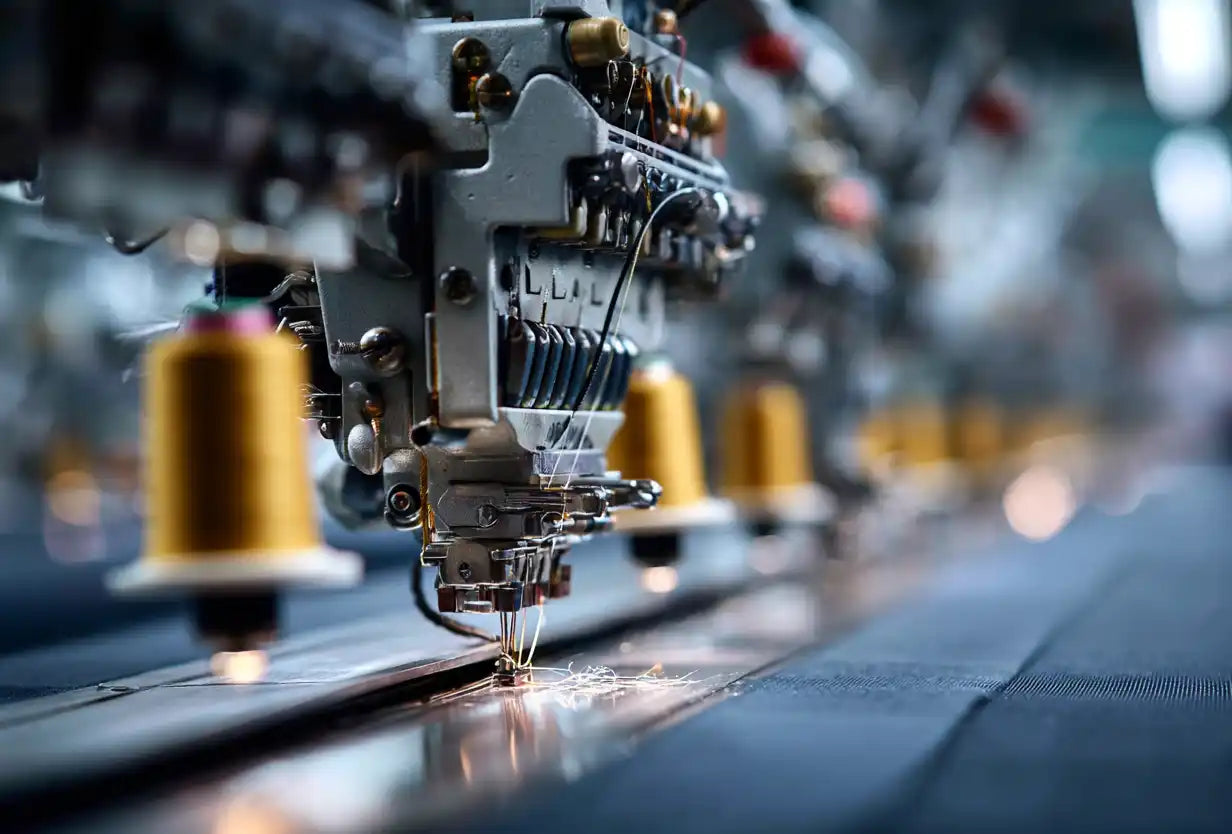
Worldwide Best Manufacturers of Clothes in 2026
Top clothing manufacturers worldwide organized by product type
Find The Worldwide Best Manufacturers of Clothes