
Athletic Fit Apparel Production for Performance Wear
Athletic fit apparel is engineered to support natural movement while maintaining a streamlined silhouette. Unlike compression garments, athletic fit relies on precise pattern engineering rather than fabric tension, allowing mobility without excessive pressure. This balance has made athletic fit a core requirement for performance collections, training apparel, and hybrid gym-to-street designs in 2025.
For apparel brands and sourcing teams, athletic fit is no longer a styling choice. It is a technical specification that directly affects wear comfort, garment durability, production efficiency, and long-term customer satisfaction.
What Is Athletic Fit in Apparel?
Athletic fit refers to a garment cut that sits closer to the body than a regular fit while preserving functional ease through the shoulders, chest, and hips. The purpose is to allow unrestricted motion without relying on compression or excessive stretch.
Athletic fit is commonly used in performance t-shirts, training hoodies, warm-up sweatshirts, and technical mid-layers that must perform during movement while remaining wearable off the gym floor.
Core Design Principles Behind Athletic Fit
Shoulder and Upper-Torso Mobility
Athletic fit patterns incorporate additional ease through the shoulders and chest. Forward-rotated sleeves and higher armholes allow rotational movement while reducing pull and seam stress during dynamic motion.
Controlled Waist Taper
A controlled taper through the waist removes excess fabric without restricting airflow. This improves comfort during activity and maintains a clean silhouette when worn casually.
Sleeve Articulation
Sleeves are shaped to follow the natural resting angle of the arms. This reduces torque at the armhole and improves long-term comfort during repetitive movement.
| Measurement Area | Athletic Fit Ease | Regular Fit Ease |
|---|---|---|
| Chest | +1.5–2.5 inches | +3–4 inches |
| Shoulders | Expanded with rotation | Standard 90° set-in |
| Waist | Light taper | Straight |
How Athletic Fit Is Developed in Production
Athletic fit development begins with a base pattern designed for movement rather than static posture. Neutral or slightly negative ease is applied in low-movement zones, while controlled ease is added at stress points.
The fit is validated through motion fittings, seam stress testing, and fabric recovery analysis. Once approved, grading rules are locked to ensure consistent mobility across all sizes.
Fabric Selection for Athletic Fit Apparel
Fabric behavior determines whether an athletic fit performs as intended. Stretch recovery, weight, and surface friction must align with the garment’s pattern and construction.
Common fabric options include cotton-elastane blends, engineered jersey knits, and recycled polyester blends developed for moisture control. Guidance on selecting appropriate textiles can be found in the AthleisureBasics overview of materials and fabrics for clothing production.
Athletic Fit vs Regular Fit
| Feature | Athletic Fit | Regular Fit |
|---|---|---|
| Mobility | Engineered for movement | Limited shaping |
| Silhouette | Structured and tapered | Straight |
| Use Case | Training and performance | Casual wear |
Athletic Fit in Custom T-Shirts
Athletic fit is increasingly requested for custom t shirts used in training programs, corporate wellness apparel, and performance-focused brand merchandise. These garments require higher armholes and reinforced seams to handle repeated movement.
Brands exploring athletic silhouettes can review the AthleisureBasics guide to popular clothing items for custom apparel manufacturing.
How Screen Printing Works on Athletic-Fit T-Shirts
Screen printing applies ink through a mesh stencil onto the garment surface and cures it using heat. The process creates durable prints suitable for frequent washing.
For athletic fits, stretch-compatible inks are required to prevent cracking during motion. Print placement must avoid high-tension areas to preserve comfort and longevity.
Screen Printing vs DTG Printing
Screen printing offers superior durability on stretch garments compared to DTG printing. DTG inks are more prone to cracking when fabrics are repeatedly extended during movement.
How to Customize a Hoodie with Athletic Fit Specifications
Athletic-fit hoodies balance warmth, structure, and mobility. Unlike oversized styles, they rely on shaped shoulders and articulated sleeves to support movement without bulk.
Brands looking to customize a hoodie with performance specifications can reference the AthleisureBasics definitive guide to hoodie customization.
Custom Embroidery on Sweatshirts
Custom embroidery on sweatshirts involves stitching thread directly into the fabric using programmable machines. For athletic fits, non-woven stabilizers are used to prevent distortion during stitching.
Low-friction threads and controlled stitch density help preserve fabric stretch and wearer comfort. Embroidery placement must avoid high-movement zones such as shoulder seams and underarms.
Embroidery vs 3D Silicone Printing
Embroidery delivers durability and a premium appearance but introduces localized rigidity. 3D silicone printing offers greater flexibility for stretch zones but lacks the dimensional texture of embroidery.
Certifications and Standards Relevant to Athletic Fit Apparel
Certifications validate material safety and responsible sourcing rather than garment fit. They remain essential for compliance in performance apparel production.
Additional sustainability frameworks are explained in the AthleisureBasics resource on sustainability and ethics in custom clothing production.
Common Mistakes to Avoid
- Ignoring seam stress testing, which increases product returns and damages technical credibility.
- Using rigid inks on stretch garments, leading to premature cracking and customer dissatisfaction.
- Placing heavy embroidery in movement zones, reducing comfort and range of motion.
- Selecting fabrics without recovery testing, causing long-term deformation and warranty claims.
FAQs About Certification & Standards
Do certifications guarantee performance quality?
Certifications confirm material safety, chemical compliance, and sourcing practices, but they do not guarantee garment performance. Fit quality depends on pattern engineering, construction methods, and testing protocols. Brands should treat certifications as a compliance baseline, not a performance indicator.
Is OEKO-TEX required for athletic apparel?
OEKO-TEX is not legally required in most markets, but it is widely used to verify chemical safety. Many brands adopt it to reduce regulatory risk and ensure consumer trust. It is especially relevant for garments worn close to the skin.
Does GOTS apply to blended performance fabrics?
GOTS applies only when organic fibers meet minimum content thresholds. Blended fabrics must be carefully evaluated to determine eligibility. Not all performance blends qualify under GOTS standards.
FAQs About Sourcing & Production
Is athletic fit more expensive to manufacture?
Athletic fit can increase development costs due to additional pattern testing and fittings. However, it often reduces returns, rework, and customer complaints over time. Many brands see improved cost efficiency at scale.
Can athletic fit be scaled across sizes?
Yes, athletic fit can be scaled when grading rules are adjusted for movement zones. Traditional grading methods may distort mobility if not adapted. Proper grading preserves fit integrity across the size range.
Is athletic fit suitable for private label?
Athletic fit is widely used in private-label performance and athleisure programs. It supports consistent branding and functional positioning. Clear technical specifications are critical for successful execution.
FAQs About Materials & Care
Do athletic-fit garments require special washing?
Most athletic-fit garments follow standard care instructions. Low-heat drying is recommended to maintain fabric recovery. Harsh washing conditions can reduce garment lifespan.
Does cotton work for athletic fit?
Cotton can be used when blended with elastane or engineered into stretch knits. Pure cotton without recovery may restrict movement. Fabric construction is more important than fiber alone.
Does embroidery affect garment care?
Properly stabilized embroidery does not significantly change care requirements. Poor backing or excessive stitch density can increase fabric stress. Correct embroidery execution preserves durability.
Planning Your Next Performance Collection
If your brand plans to develop new collections using certified fabrics and scalable production methods, reach out to our team via the request form to discuss availability and production options.
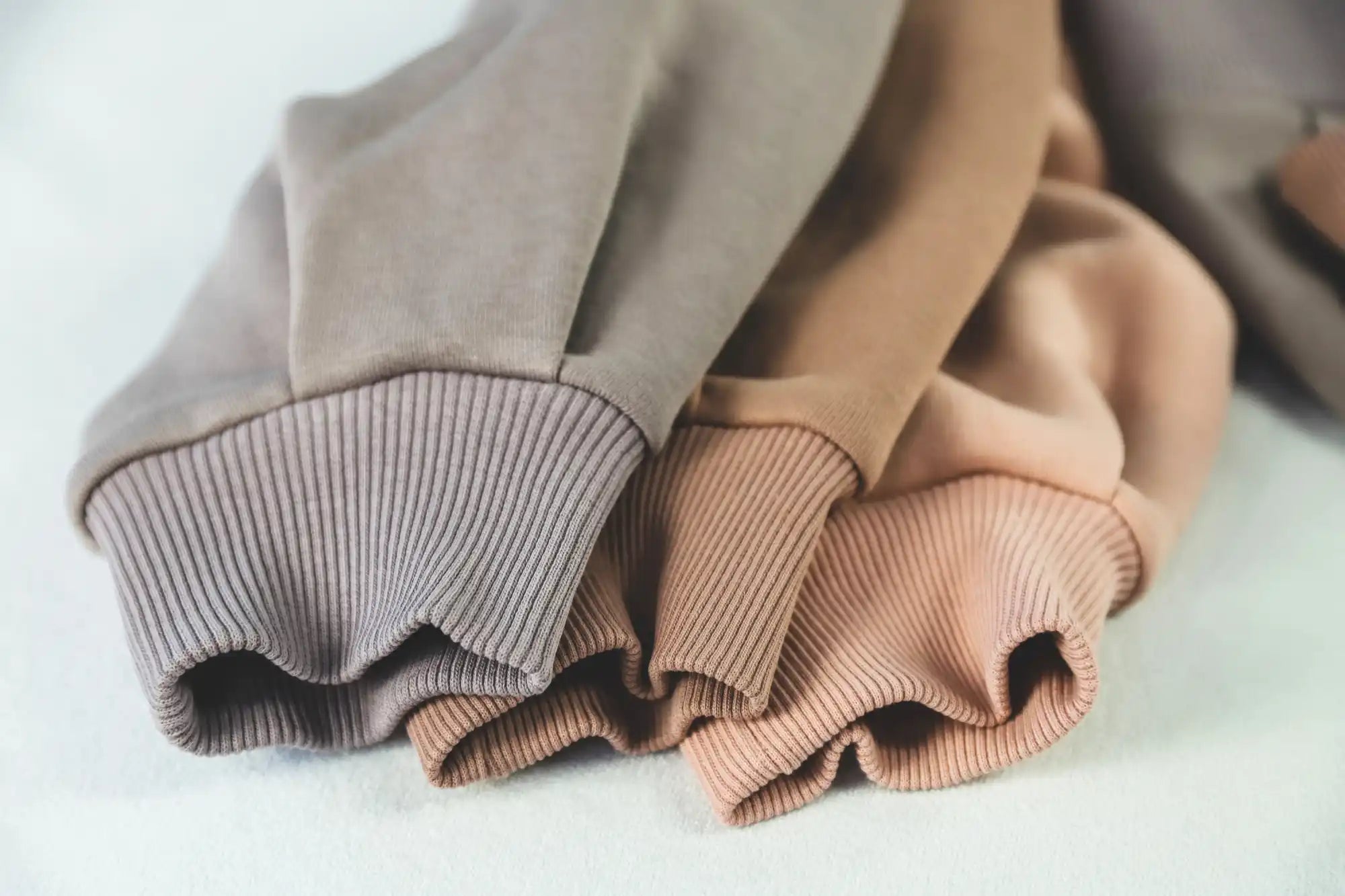
Materials & Fabrics for Clothing Production
Explore cotton, French terry, jersey, fleece, and sustainable blends used in premium apparel manufacturing.
Explore Premium Apparel Fabrics Guide
Printing Techniques for Apparel Production
Screen printing, embroidery, puff prints, and digital methods for custom clothing manufacturing.
Explore Custom Apparel Printing Techniques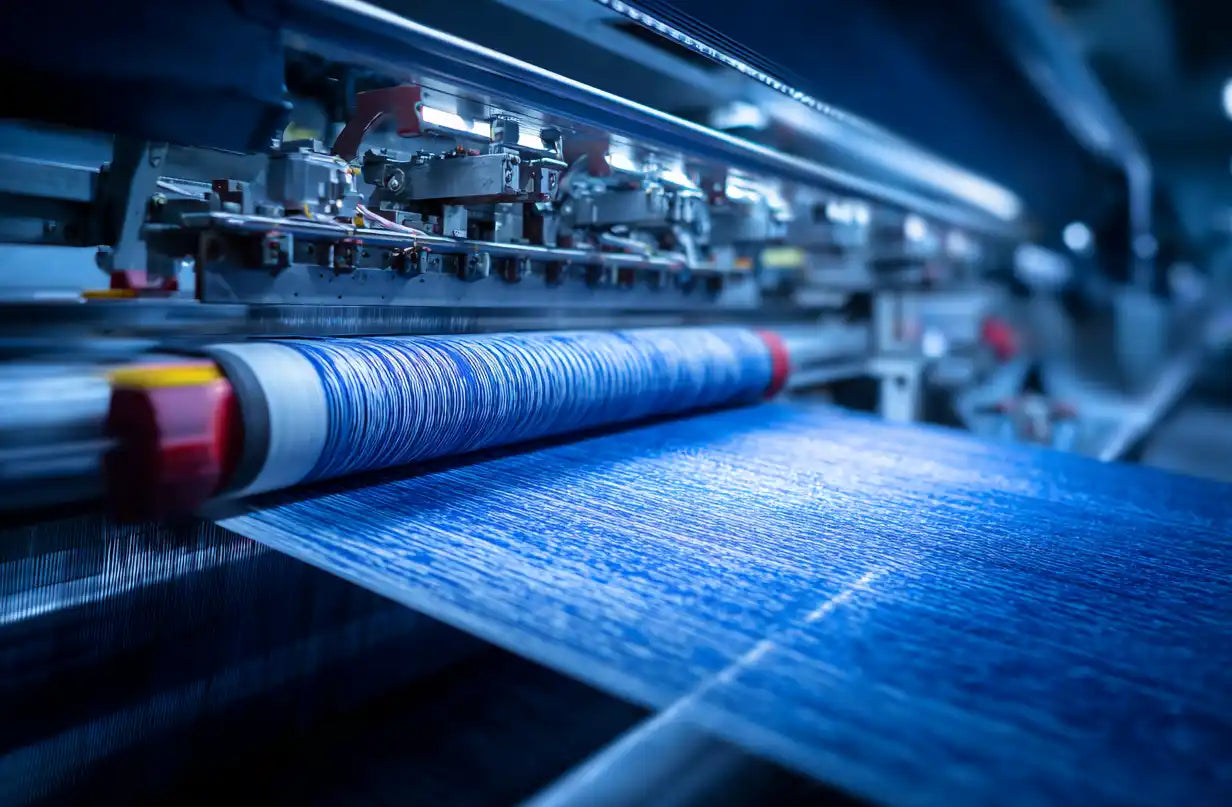
Dyeing Techniques in Clothing Manufacturing
Garment dye, pigment, acid wash, and stone wash finishes that create unique apparel designs.
Compare Apparel Finishing Techniques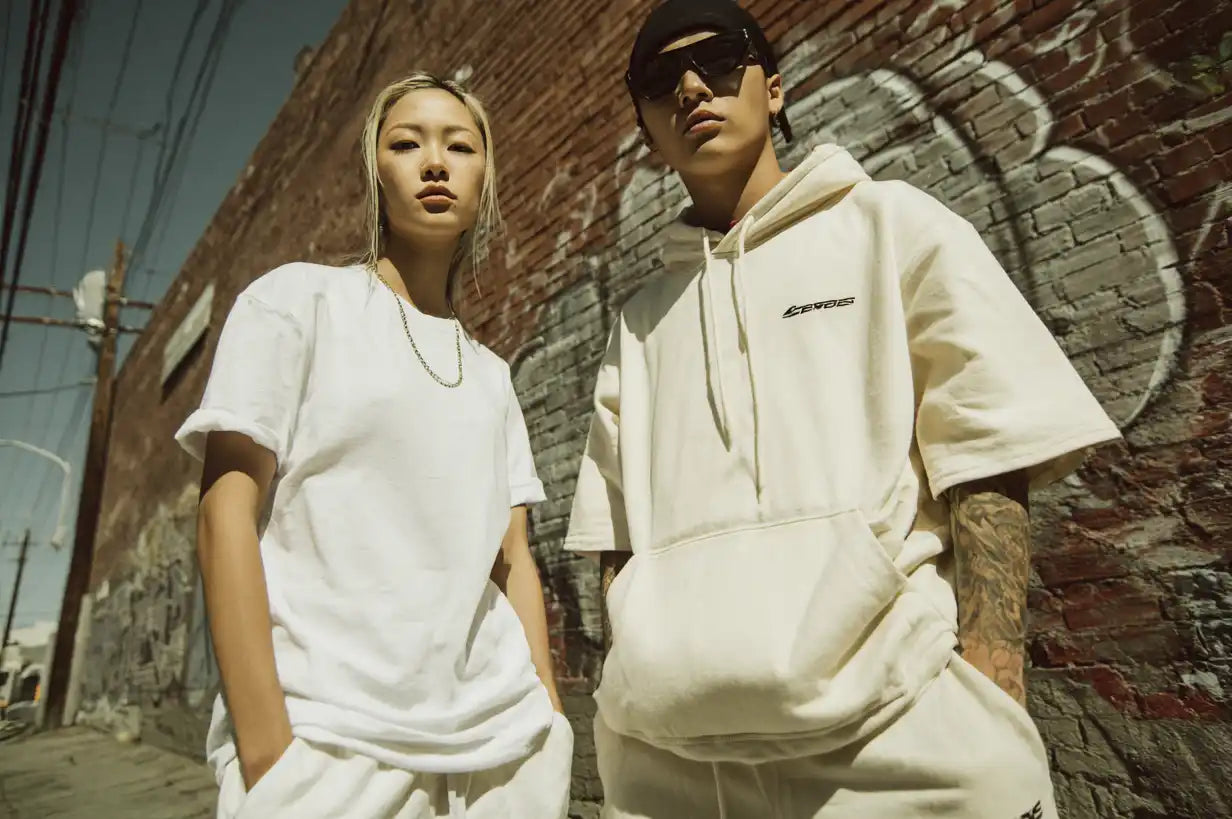
Popular Clothing Items for Custom Apparel
Hoodies, joggers, t-shirts, leggings, and biker shorts — essentials for every apparel collection.
Explore Popular Custom Clothing Items
Trends & Designs in Modern Apparel
Oversized fits, streetwear influences, and activewear styles driving custom clothing production.
Explore Trends & Designs for Apparel Development
Sustainable & Ethical Clothing Production
OEKO-TEX® certified fabrics, organic cotton, and ethical apparel manufacturing in Portugal.
Understand Sustainable & Ethical Clothing Production
Essentials for Custom Clothing Production
Custom labels, packaging, and trims that elevate your apparel brand in production.
Explore Essentials for Custom Clothing Production
Resources for Custom Clothing Production
Startup guides, logistics support, and scaling strategies for apparel brands and wholesale clients.
Explore Resources for Custom Clothing Production
Clothing Manufacturing Glossary
Explore a complete glossary of clothing and garment manufacturing terms
The Complete Clothing Manufacturing Glossary
The Best Clothing Manufacturers
Explore global clothing manufacturers by country
Explore The Best Clothing Manufacturers
The Latest Clothing Industry Updates in 2025
Discover the latest news about important topics in the clothing industry in 2025,
Stay On Top Of Clothing Industry Updates
Worldwide Best Manufacturers of Clothes in 2026
Top clothing manufacturers worldwide organized by product type
Find The Worldwide Best Manufacturers of Clothes