
Bold Graphic Prints for Custom Made Hoodies & Apparel
Bold graphic prints have become a cornerstone of modern apparel design. In 2025, the shift toward maximalist streetwear has accelerated demand for oversized visuals that command attention across retail floors and digital storefronts. For brands producing custom made hoodies and statement apparel, bold graphics are now a commercial necessity rather than a stylistic risk.
Large-scale prints influence fabric selection, print method, compliance planning, and minimum order quantities. This guide explains how bold graphic prints are produced, how to choose the right decoration method, and how to avoid costly sourcing and production errors when scaling.
What Are Bold Graphic Prints?
Bold graphic prints are high-impact, oversized designs applied to garments to create immediate visual recognition. They typically span the chest, back, sleeves, or full panels of a garment and rely on high-opacity inks or layered color systems.
These graphics are most commonly applied using screen printing, DTG (Direct-to-Garment), or DTF (Direct-to-Film). Each method carries different cost, durability, and scalability implications depending on fabric type and order volume.
Why Apparel Brands Use Bold Graphics
- Instant brand recognition in competitive retail environments
- Higher perceived value for statement pieces
- Stronger storytelling without relying on text
- Improved visibility in digital thumbnails and social media
Bold graphics are especially effective on custom t shirts, hoodies, and sweatshirts where large flat panels allow uninterrupted artwork.
Screen Printing for Bold Graphic Prints
How Screen Printing Works
Screen printing transfers ink onto fabric through mesh screens, with one screen required per color. High-opacity inks are pushed through the stencil using a squeegee, then flash cured between layers to prevent smudging and color contamination. Final curing permanently bonds the ink to the garment fibers.
This method delivers excellent color saturation, wash durability, and consistency, making it the preferred option for bold graphics produced at scale.
Screen Printing vs DTG
Screen printing is more cost-efficient for large runs with limited colors, while DTG is better suited for complex designs and smaller quantities. For flat, high-impact graphics requiring repeatable results, screen printing remains the industry standard.
DTG Printing for Large-Scale Graphics
How DTG Printing Works
DTG printing uses inkjet technology to apply water-based inks directly onto the garment. Before printing, a pretreatment solution is applied to stabilize the fabric and improve ink adhesion. After printing, the garment is heat cured to lock the ink into the fibers.
DTG allows for high-detail designs, gradients, and photographic elements without the need for screens.
DTG vs Sublimation
DTG works on cotton and cotton-blend fabrics, while sublimation is limited to polyester and light-colored garments. For bold graphics on natural fibers, DTG provides far greater flexibility in garment selection.
DTF (Direct-to-Film) as an Emerging Option
DTF printing transfers designs from a printed film onto garments using heat and adhesive powder. It performs well on textured, fleece, and blended fabrics where DTG ink penetration may be inconsistent.
DTF is increasingly used for bold graphics on difficult substrates, though long-term durability depends on adhesive quality and precise curing.
Combining Prints with Custom Embroidery on Sweatshirts
How Hybrid Decoration Works
Hybrid decoration combines printed graphics with embroidered elements to add texture and perceived value. The print establishes the main visual field, while embroidery is applied afterward for logos or accent details. Precise placement is required to avoid distortion or puckering.
This technique is commonly used for premium sweatshirts and limited-edition collections.
Embroidery vs All-Over Printing
Embroidery adds durability and tactile appeal but limits coverage area. All-over printing maximizes visual impact but does not provide the same dimensional feel.
Fabric Selection for Bold Graphic Prints
Fabric weight and surface finish directly affect print clarity and longevity. Heavier fabrics in the 220–400 GSM range provide better structural support for high-density ink applications and reduce distortion.
Smooth, combed cotton fabrics yield the most consistent results, while brushed fleece requires additional testing before bulk production.
Certifications & Compliance Considerations
Bold graphic production must comply with chemical safety and responsible sourcing standards across global markets.
- OEKO-TEX® Standard 100 for chemical safety in inks and textiles
- Textile Exchange standards for responsible fiber sourcing
Comparison of Printing Methods
| Method | Best Use Case | Strengths | Limitations | Standard MOQs |
|---|---|---|---|---|
| Screen Printing | Large runs | High opacity, durability | Setup cost | 50+ units |
| DTG | Short runs | Detail, flexibility | Slower scaling | 1+ unit |
| DTF | Difficult fabrics | Versatility | Adhesive longevity | 10–25 units |
Common Mistakes to Avoid
- Ignoring GSM and choosing lightweight fabrics under 180 GSM for high-density prints
- Skipping strike-offs before approving bulk production
- Using DTG for high-volume orders where screen printing is more efficient
- Over-layering ink, reducing breathability and comfort
- Misaligning embroidery over printed areas
FAQs About Certification & Standards
Which certifications apply to printed apparel?
OEKO-TEX® Standard 100 is the most widely used certification for chemical safety in textiles and inks. It ensures that finished garments are free from harmful substances. Many brands also reference Textile Exchange standards when sourcing certified fibers. Together, these frameworks help support regulatory compliance across major markets.
Do DTG inks require separate certification?
Yes, DTG inks must meet the same chemical safety standards as screen printing inks. Certification ensures inks are safe for skin contact and compliant with regional regulations. Brands should request documentation from print partners to confirm compliance. This is especially important for children’s and sensitive-skin garments.
Can bold prints be used on certified organic garments?
Yes, bold prints can be applied to certified organic garments when compliant inks and approved processing methods are used. The printing process must not compromise the garment’s certification status. Coordination between fabric supplier and printer is essential. Documentation should be reviewed during sampling.
FAQs About Sourcing & Production
Is screen printing better for custom made hoodies?
Screen printing is generally the best option for custom made hoodies produced in medium to large volumes. It delivers consistent color, strong durability, and predictable costs at scale. Setup costs are offset as order quantities increase. For flat, bold graphics, it remains the most reliable method.
How do brands customize a hoodie with large prints?
To customize a hoodie with large prints, artwork is adapted to seam placement, pocket positioning, and fabric stretch. Sampling and strike-offs are used to confirm scale and alignment. Fabric weight is reviewed to prevent sagging or distortion. These steps ensure consistency in bulk production.
What are typical lead times for bold graphic production?
Lead times depend on print method, order size, and number of sampling rounds. Screen printing generally requires longer setup but faster bulk output. DTG and DTF allow quicker starts but may extend production for large quantities. Planning ahead reduces delays.
FAQs About Materials & Care
Do bold prints fade faster than smaller designs?
Bold prints do not fade faster when properly cured and cared for. High-quality inks and correct curing temperatures preserve color saturation. Washing garments inside-out in cold water further extends print life. Proper production matters more than print size.
Can garments with bold prints be machine washed?
Yes, most printed garments can be machine washed when care instructions are followed. Cold water and gentle cycles are recommended. Avoiding high heat drying helps prevent cracking and shrinkage. These steps maintain print integrity over time.
Does fabric weight affect print longevity?
Fabric weight plays a major role in how long bold prints last. Heavier fabrics better support dense ink layers and resist distortion. Lightweight fabrics may stretch or pucker under heavy prints. Selecting the right GSM improves durability and appearance.
If your brand plans to develop new collections using certified fabrics and scalable production methods, reach out to our team via the request form to discuss availability and production options.
Production request form
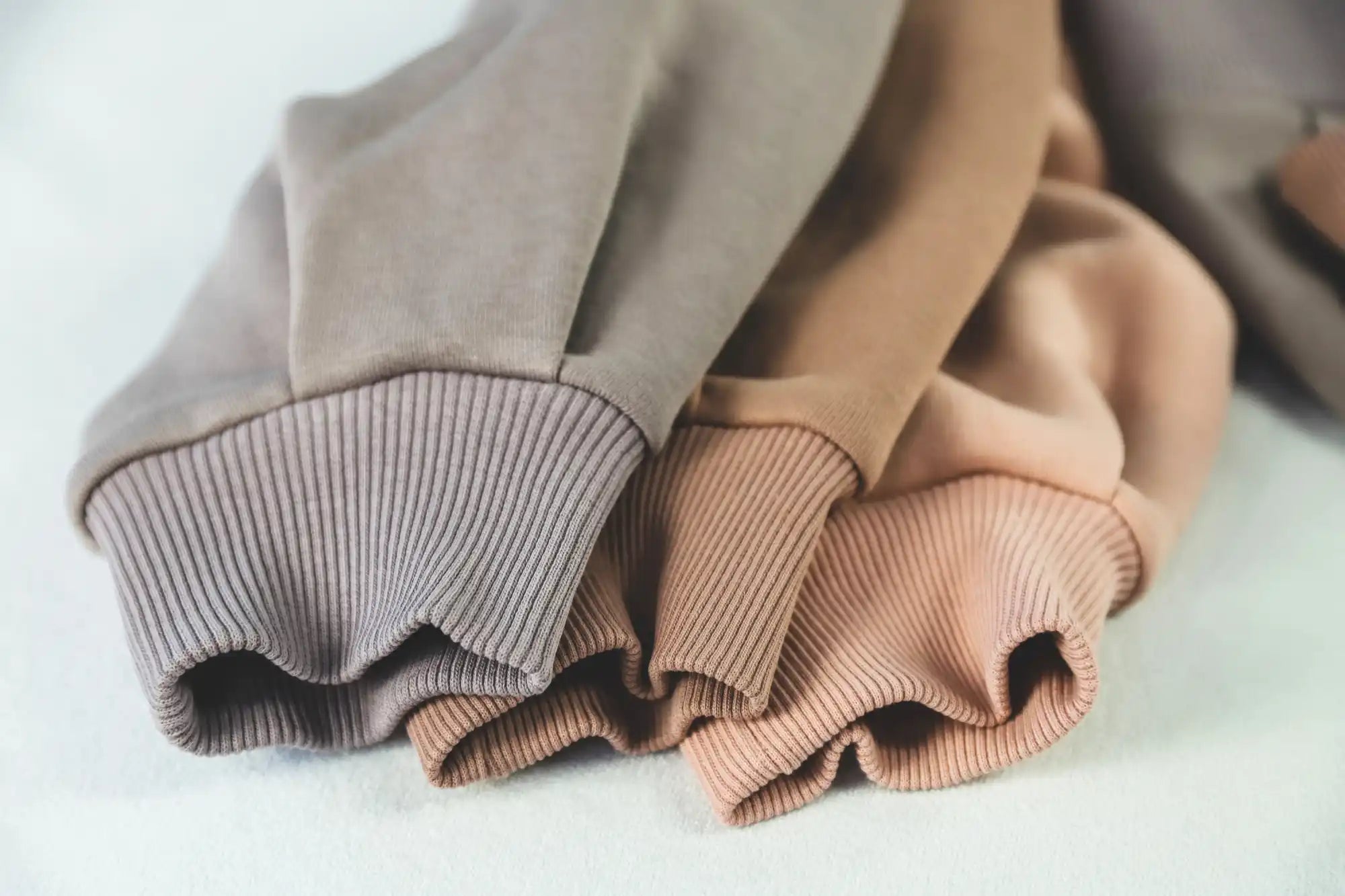
Materials & Fabrics for Clothing Production
Explore cotton, French terry, jersey, fleece, and sustainable blends used in premium apparel manufacturing.
Explore Premium Apparel Fabrics Guide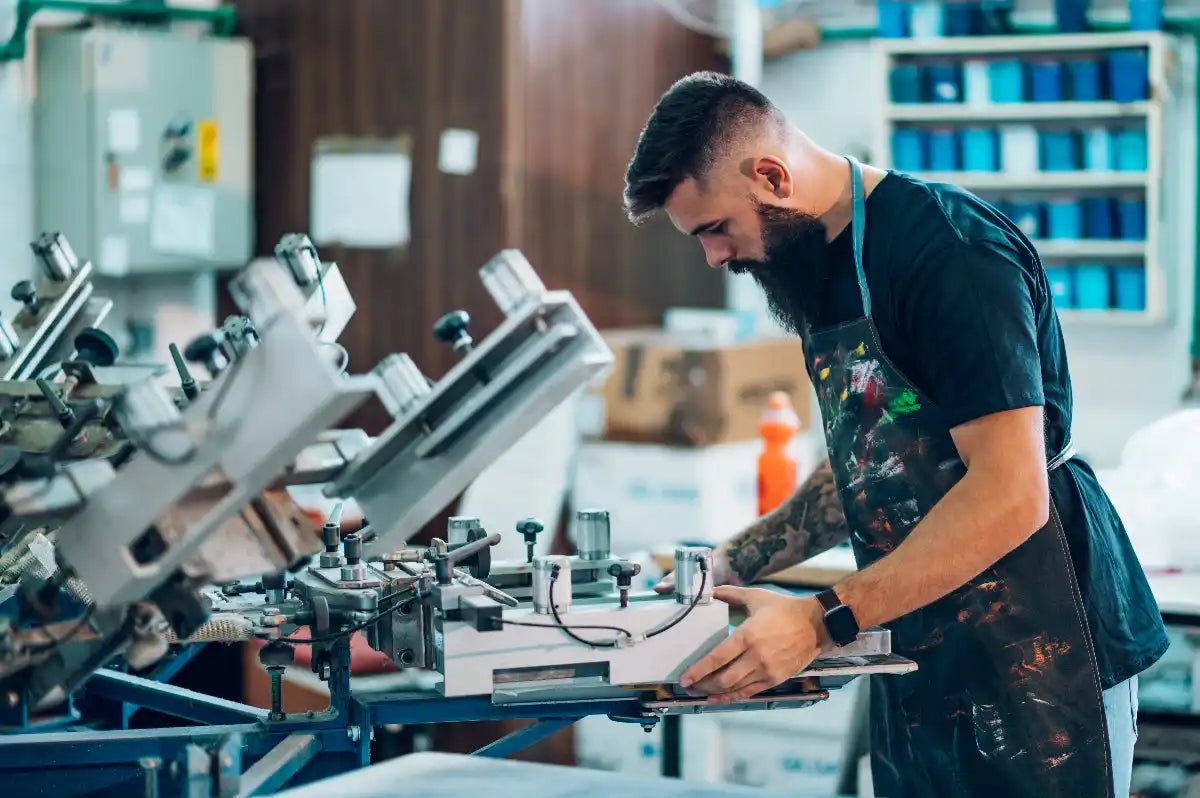
Printing Techniques for Apparel Production
Screen printing, embroidery, puff prints, and digital methods for custom clothing manufacturing.
Explore Custom Apparel Printing Techniques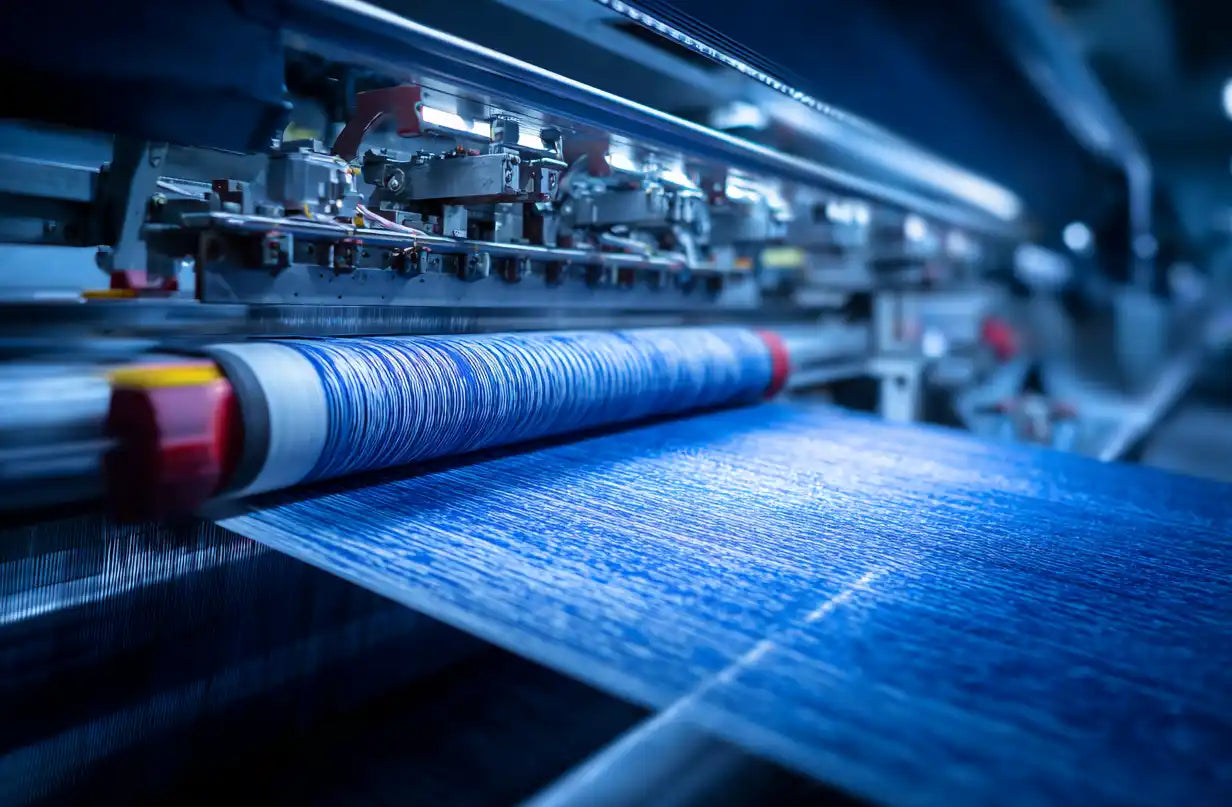
Dyeing Techniques in Clothing Manufacturing
Garment dye, pigment, acid wash, and stone wash finishes that create unique apparel designs.
Compare Apparel Finishing Techniques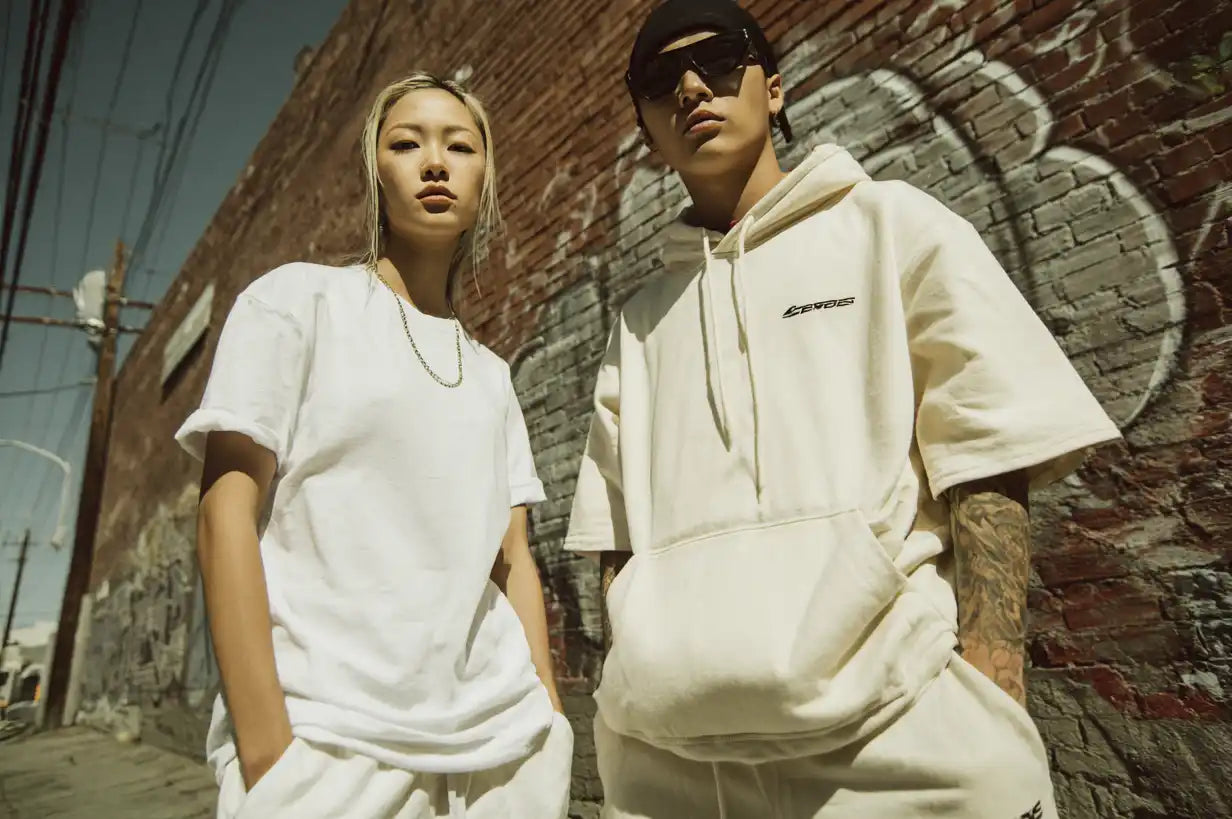
Popular Clothing Items for Custom Apparel
Hoodies, joggers, t-shirts, leggings, and biker shorts — essentials for every apparel collection.
Explore Popular Custom Clothing Items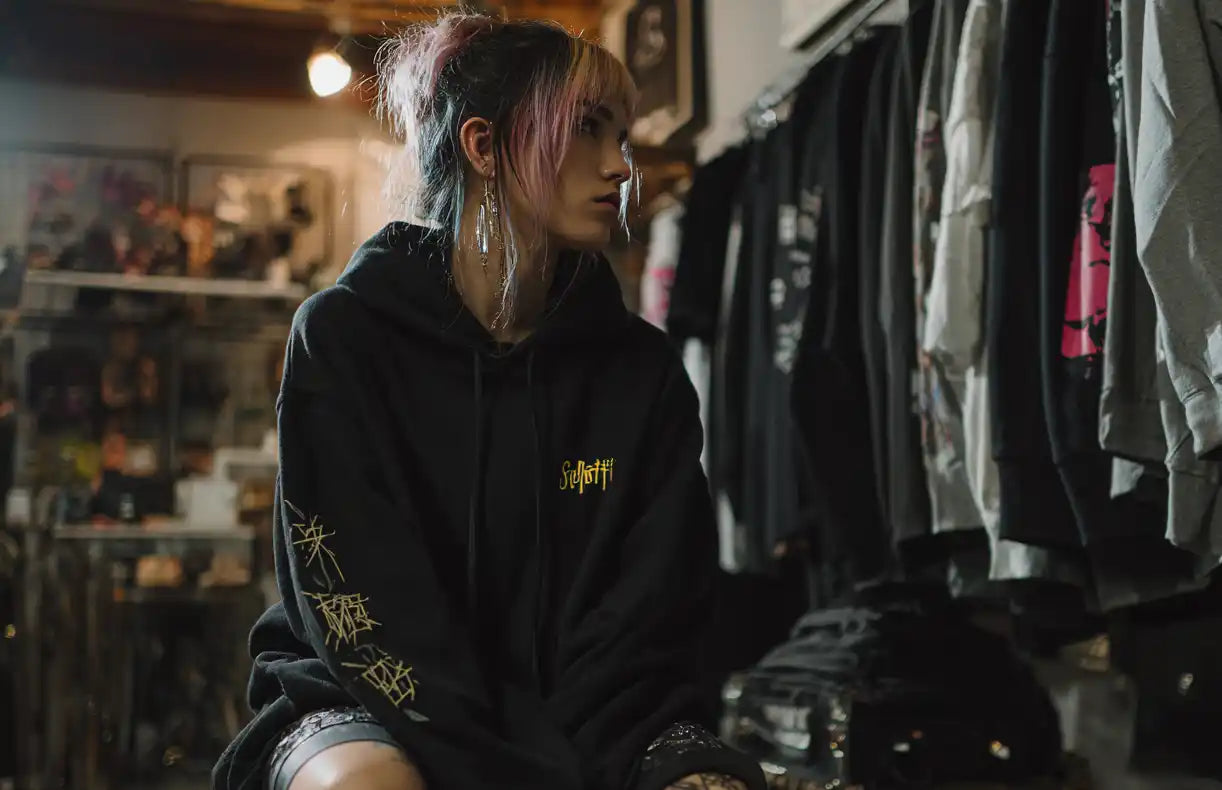
Trends & Designs in Modern Apparel
Oversized fits, streetwear influences, and activewear styles driving custom clothing production.
Explore Trends & Designs for Apparel Development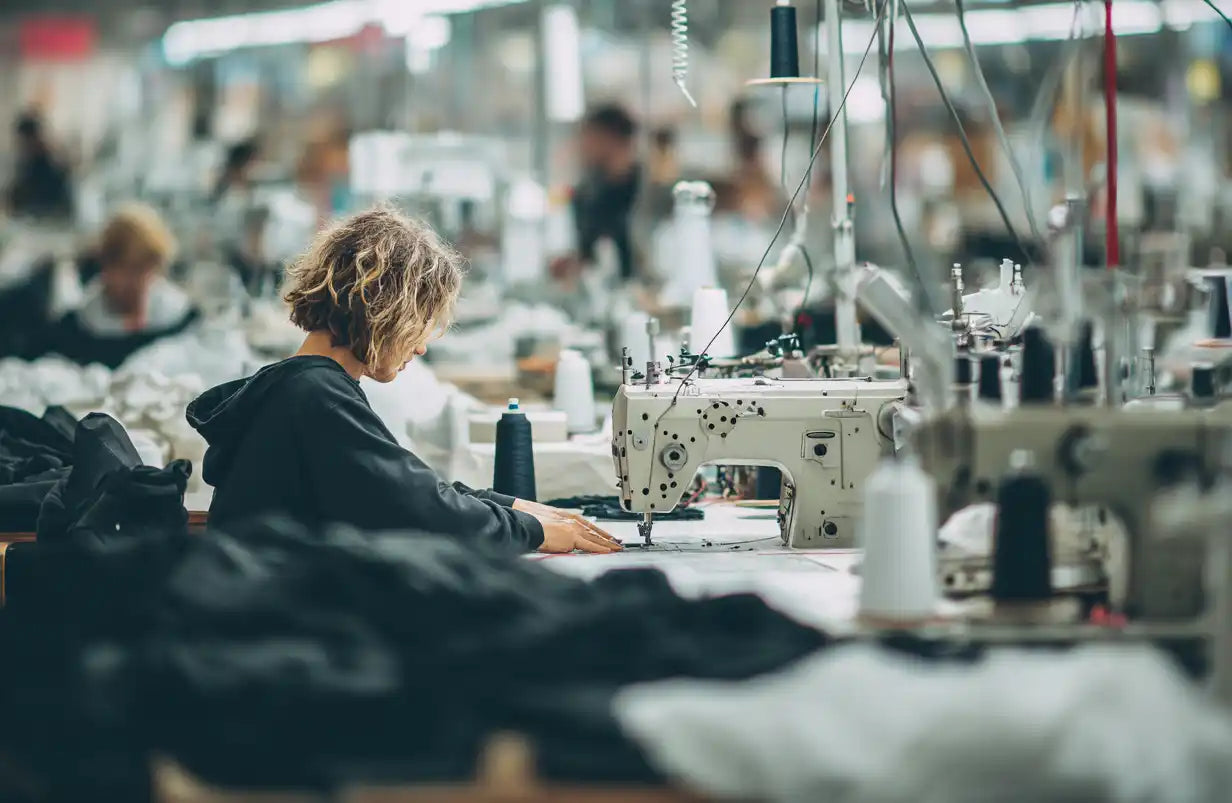
Sustainable & Ethical Clothing Production
OEKO-TEX® certified fabrics, organic cotton, and ethical apparel manufacturing in Portugal.
Understand Sustainable & Ethical Clothing Production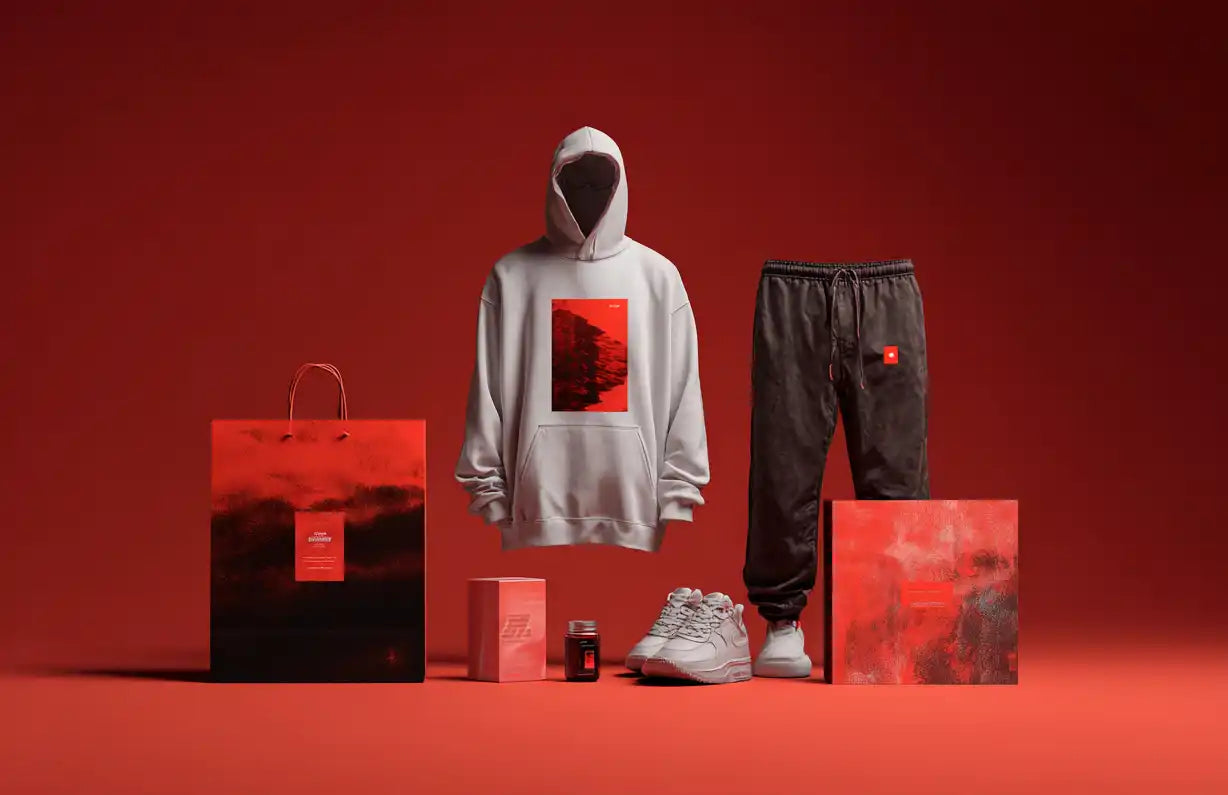
Essentials for Custom Clothing Production
Custom labels, packaging, and trims that elevate your apparel brand in production.
Explore Essentials for Custom Clothing Production
Resources for Custom Clothing Production
Startup guides, logistics support, and scaling strategies for apparel brands and wholesale clients.
Explore Resources for Custom Clothing Production
Clothing Manufacturing Glossary
Explore a complete glossary of clothing and garment manufacturing terms
The Complete Clothing Manufacturing Glossary
The Best Clothing Manufacturers
Explore global clothing manufacturers by country
Explore The Best Clothing Manufacturers
The Latest Clothing Industry Updates in 2025
Discover the latest news about important topics in the clothing industry in 2025,
Stay On Top Of Clothing Industry Updates
Worldwide Best Manufacturers of Clothes in 2026
Top clothing manufacturers worldwide organized by product type
Find The Worldwide Best Manufacturers of Clothes