
Boxy Fit Apparel Production: Aesthetic & Style Fits Explained
Boxy fit apparel has become a defining silhouette in modern athleisure, streetwear, and premium casual collections. Characterized by straight lines, wider proportions, and a squared hem, the boxy fit offers brands a structured aesthetic that balances design clarity with scalable production. For sourcing managers and production teams, understanding how boxy fits are engineered is critical for cost control, fabric efficiency, and long-term product performance.
This guide explains boxy fit apparel from a production-first perspective, covering pattern development, fabric selection, decoration compatibility, and compliance considerations relevant to global manufacturing in 2025.
What Is a Boxy Fit in Apparel?
A boxy fit is a garment silhouette built around a straight, rectangular shape with minimal waist shaping, broader shoulders, and a squared-off hem. Unlike fitted or athletic styles, boxy garments maintain consistent width from chest to hem, creating a sharp and intentional profile.
In production terms, boxy fits rely on simplified pattern blocks that prioritize proportion over contouring. This approach improves grading consistency, reduces fabric stress points, and supports heavier fabric weights commonly used in modern collections.
Key Characteristics of Boxy Fit Garments
- Straight body panels with limited taper
- Wider shoulder span or dropped shoulder seams
- Squared hem with controlled garment length
- Balanced armhole depth for mobility without drape collapse
These characteristics make boxy silhouettes especially suitable for blank athleisure garments, branded merchandise, and structured essentials such as custom made hoodies and custom t shirts.
How Boxy Fit Patterns Are Developed
Boxy fit patterns start with an expanded chest width while maintaining proportional garment length. Waist suppression is reduced or eliminated, and shoulder slopes are flattened to support broader visual lines. Armholes are adjusted carefully to preserve range of motion without introducing excess drape.
From a manufacturing standpoint, these straighter pattern blocks improve marker efficiency and reduce grading errors across size runs. Compared to tapered silhouettes, boxy patterns require fewer size-specific adjustments during bulk production.
Boxy Fit vs. Oversized Fit: Technical Comparison
| Attribute | Boxy Fit | Oversized Fit |
|---|---|---|
| Body Width | Wide but controlled | Scaled up proportionally |
| Garment Length | Standard or slightly cropped | Extended length |
| Pattern Efficiency | High marker utilization | Moderate, more fabric use |
| Visual Aesthetic | Structured and sharp | Relaxed and loose |
While oversized garments simply increase overall dimensions, boxy fits maintain discipline in length and structure. This distinction results in more predictable production outcomes and consistent on-body appearance.
Fabric Selection for Boxy Fit Apparel
Fabric choice directly influences how a boxy silhouette holds its intended shape. Lightweight or unstable knits often collapse under the garment’s width, undermining the design intent. Structured knits and mid-to-heavyweight fabrics are therefore preferred.
Recommended Fabric Specifications
- 220–260 GSM cotton jersey for boxy t-shirts
- 320–450 GSM fleece for sweatshirts and hoodies
- Cotton-poly blends for improved dimensional stability
Heavier fabrics also improve durability and wash retention, reducing post-sale complaints related to shape distortion.
Certifications and Compliance Considerations
When sourcing fabrics for boxy fit apparel, certifications play a key role in meeting global compliance standards. Programs such as GOTS verify organic fiber integrity, while OEKO-TEX® Standard 100 ensures textiles are tested for harmful substances.
These certifications are recognized across US and EU markets and are commonly required by retailers and institutional buyers.
Printing and Decoration on Boxy Fit Garments
Boxy silhouettes offer flat, low-tension surfaces that are well suited for garment decoration. The reduced curvature across the torso improves print alignment and consistency, particularly for large-format graphics.
How Screen Printing Works on Boxy Fits
Screen printing applies ink through a mesh stencil onto the garment surface, with each color cured under controlled heat. For boxy garments made from heavier fabrics, printers adjust off-contact settings to prevent ink smearing and ensure clean edges. The flat panels of boxy fits allow even pressure across the print area.
Compared to DTG printing, screen printing delivers stronger color opacity and lower cost per unit at higher volumes, making it a preferred method for bulk boxy apparel production.
How Custom Embroidery on Sweatshirts Works
Custom embroidery on sweatshirts involves stitching digitized designs directly into the fabric using programmed machines. Stitch density and underlay are calibrated based on fleece weight to avoid puckering. Boxy sweatshirts support embroidery well because their heavier fabrics stabilize the stitching area.
Compared to heat transfer, embroidery offers superior longevity and a premium tactile finish, particularly for chest and sleeve branding.
Technical Tips to Customize a Hoodie with Boxy Dimensions
When brands customize a hoodie using a boxy fit, attention must be paid to hood volume, neckline reinforcement, and seam stress points. Boxy hoodies typically use double-layer hoods to maintain structure and prevent collapse. Rib cuffs and hems are engineered with higher recovery to balance the garment’s width.
For detailed guidance, brands often reference the definitive guide to hoodie customization when developing boxy silhouettes for scale.
Boxy Fit in Modern Athleisure Collections
In athleisure lines, boxy tops are frequently paired with tapered bottoms to create visual balance. The silhouette communicates strength and durability while maintaining comfort for daily wear. This makes boxy fits particularly effective for brand uniforms and retail-ready drops.
Many brands align boxy silhouettes with broader design direction outlined in current apparel development trends, where structure and longevity are prioritized.
Common Mistakes to Avoid
-
Using lightweight fabrics: Causes silhouette collapse and weakens brand perception.
Impact: Increases return rates due to poor shape retention. -
Incorrect armhole depth: Restricts movement despite wide body panels.
Impact: Leads to fit complaints and customer dissatisfaction. -
Overengineering patterns: Adds unnecessary complexity to straight silhouettes.
Impact: Raises production costs without improving performance. -
Mismatched decoration methods: Using dense embroidery on unstable knits.
Impact: Results in fabric distortion and higher rejection rates.
FAQs About Certification & Standards
Which certifications matter most for boxy fit apparel?
GOTS and OEKO-TEX® Standard 100 are widely accepted benchmarks for textile safety and sustainability. They apply regardless of garment fit and are often required by retailers.
Do boxy garments require special compliance testing?
No. Compliance depends on fabric composition and chemical use, not silhouette. Boxy and fitted garments follow the same regulatory frameworks.
Are these certifications valid globally?
Yes. Both GOTS and OEKO-TEX are recognized across major manufacturing and consumer markets, including the US and EU.
FAQs About Sourcing & Production
Is boxy fit more expensive to manufacture?
Not inherently. Costs are driven by fabric weight, construction details, and decoration, not the silhouette itself.
Does boxy fit improve production efficiency?
Yes. Straighter pattern blocks often improve marker efficiency and reduce grading complexity across sizes.
Is boxy fit suitable for large-volume orders?
Yes. The silhouette scales well in bulk production due to its structural simplicity and decoration compatibility.
FAQs About Materials & Care
Do boxy garments shrink differently?
Shrinkage depends on fabric processing, not fit. Pre-shrunk and properly finished fabrics minimize dimensional change.
Are heavyweight fabrics required for boxy fits?
They are strongly recommended. Heavier fabrics support structure and extend garment lifespan.
How should boxy hoodies be laundered?
Cold washing and low tumble drying or air drying help preserve shape, print integrity, and seam strength.
If your brand plans to develop collections using structured silhouettes and scalable production methods, connect with our team via the request form to discuss availability and manufacturing options. Request production details.
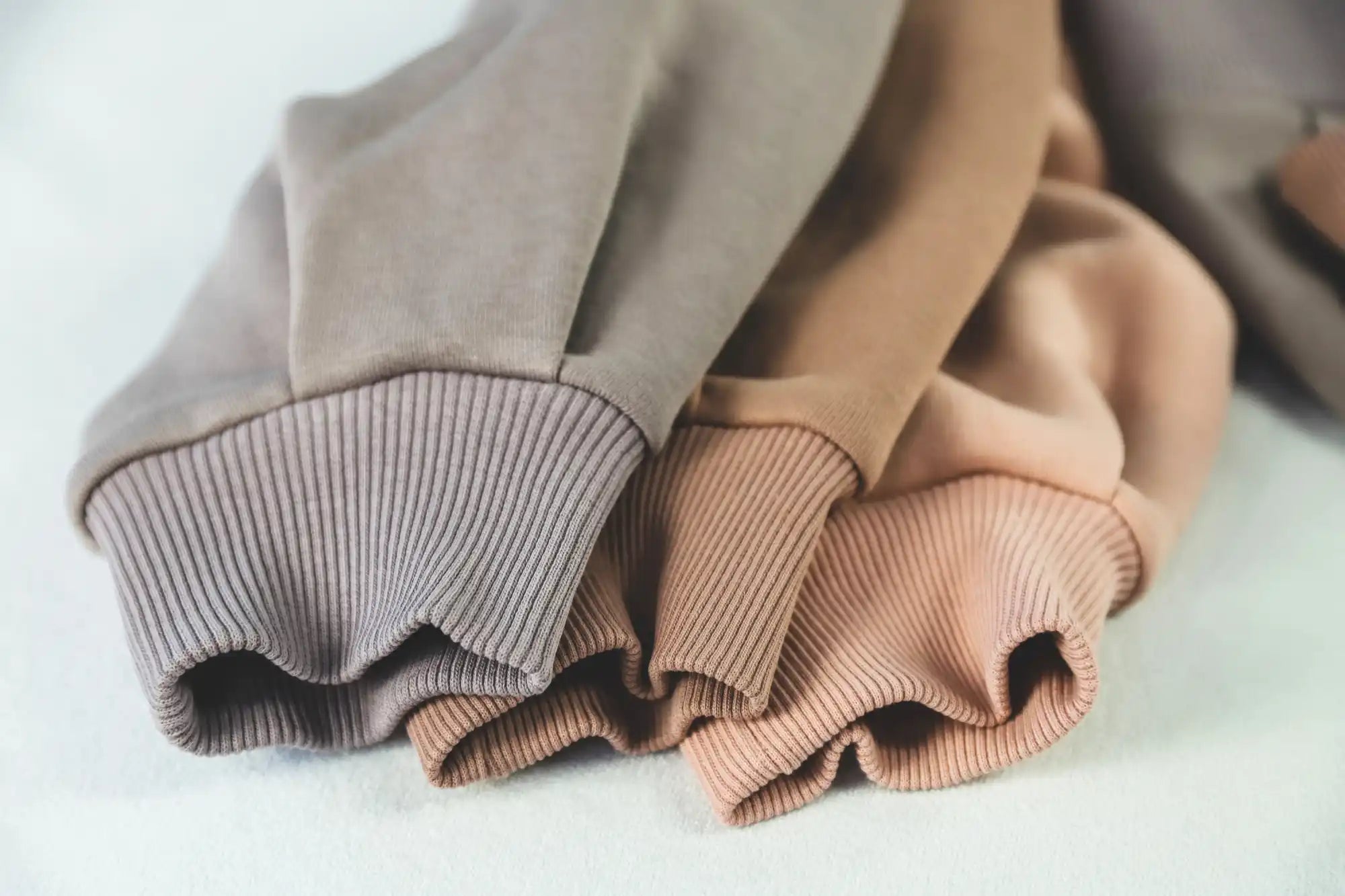
Materials & Fabrics for Clothing Production
Explore cotton, French terry, jersey, fleece, and sustainable blends used in premium apparel manufacturing.
Explore Premium Apparel Fabrics Guide
Printing Techniques for Apparel Production
Screen printing, embroidery, puff prints, and digital methods for custom clothing manufacturing.
Explore Custom Apparel Printing Techniques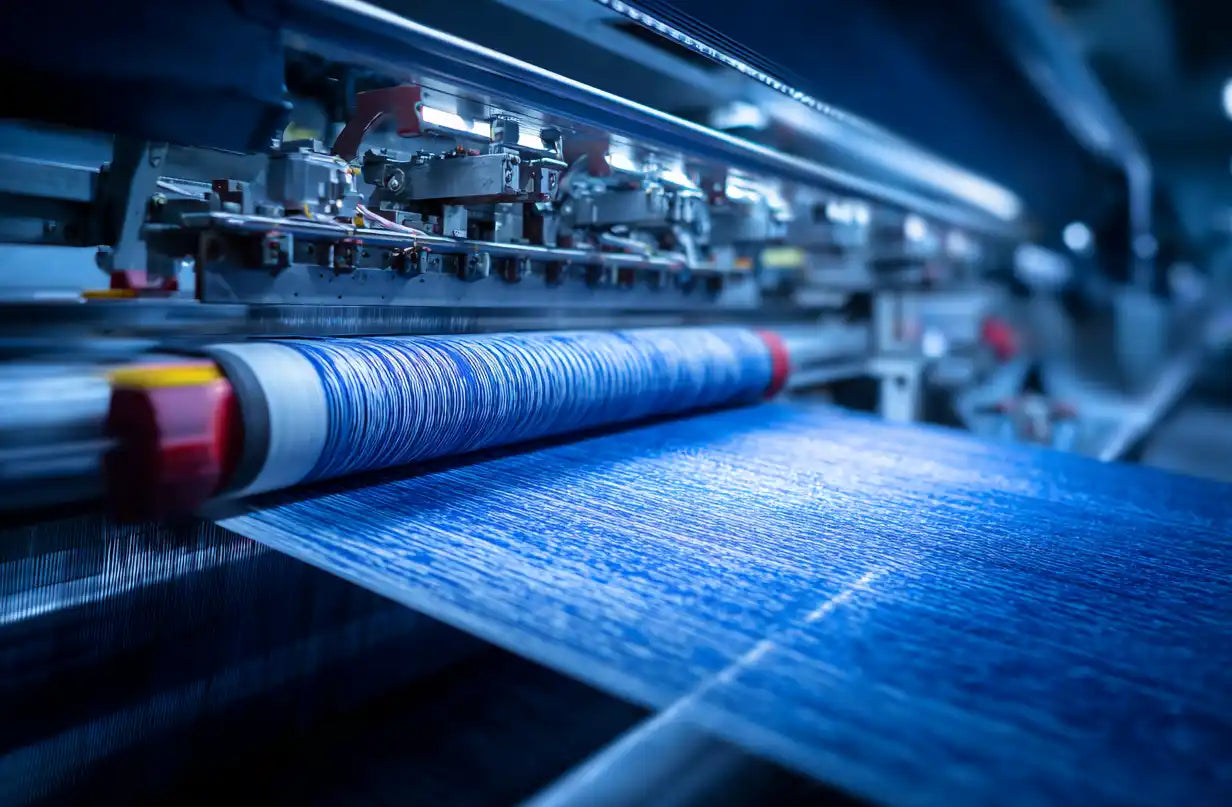
Dyeing Techniques in Clothing Manufacturing
Garment dye, pigment, acid wash, and stone wash finishes that create unique apparel designs.
Compare Apparel Finishing Techniques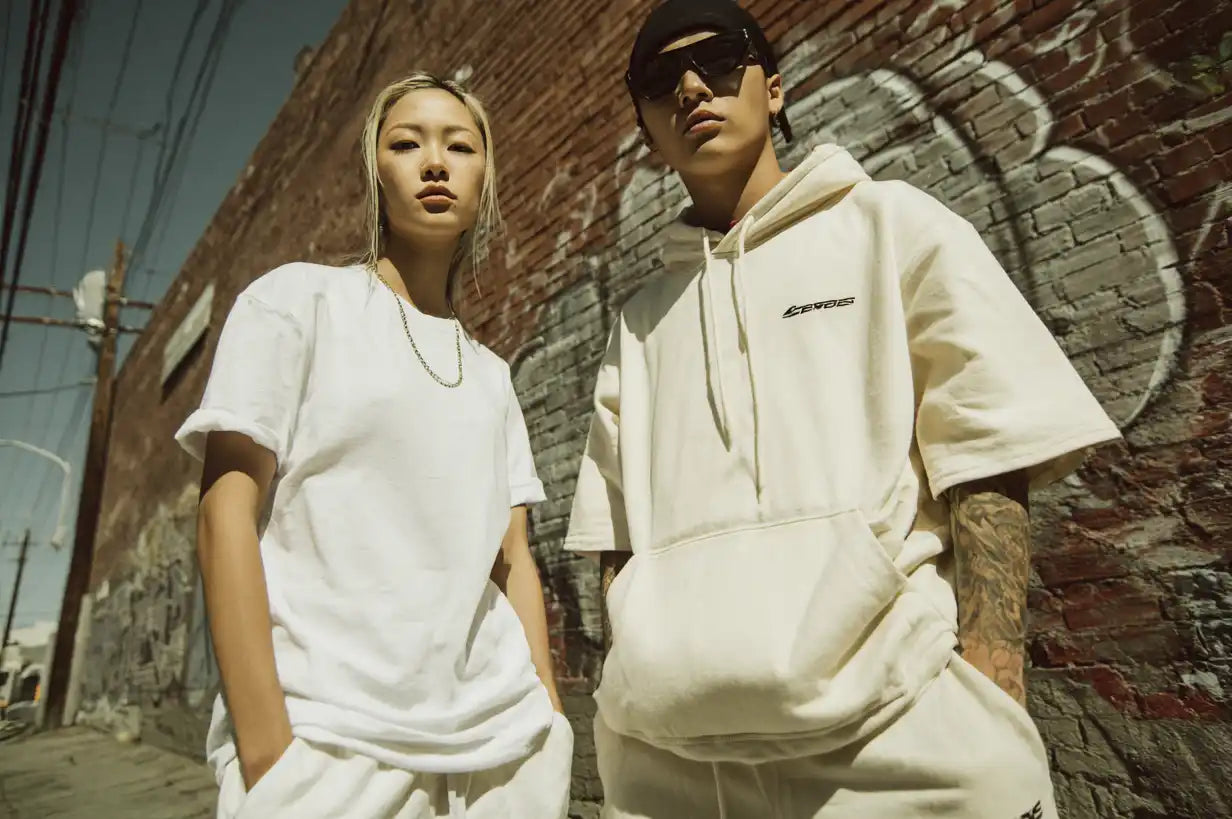
Popular Clothing Items for Custom Apparel
Hoodies, joggers, t-shirts, leggings, and biker shorts — essentials for every apparel collection.
Explore Popular Custom Clothing Items
Trends & Designs in Modern Apparel
Oversized fits, streetwear influences, and activewear styles driving custom clothing production.
Explore Trends & Designs for Apparel Development
Sustainable & Ethical Clothing Production
OEKO-TEX® certified fabrics, organic cotton, and ethical apparel manufacturing in Portugal.
Understand Sustainable & Ethical Clothing Production
Essentials for Custom Clothing Production
Custom labels, packaging, and trims that elevate your apparel brand in production.
Explore Essentials for Custom Clothing Production
Resources for Custom Clothing Production
Startup guides, logistics support, and scaling strategies for apparel brands and wholesale clients.
Explore Resources for Custom Clothing Production
Clothing Manufacturing Glossary
Explore a complete glossary of clothing and garment manufacturing terms
The Complete Clothing Manufacturing Glossary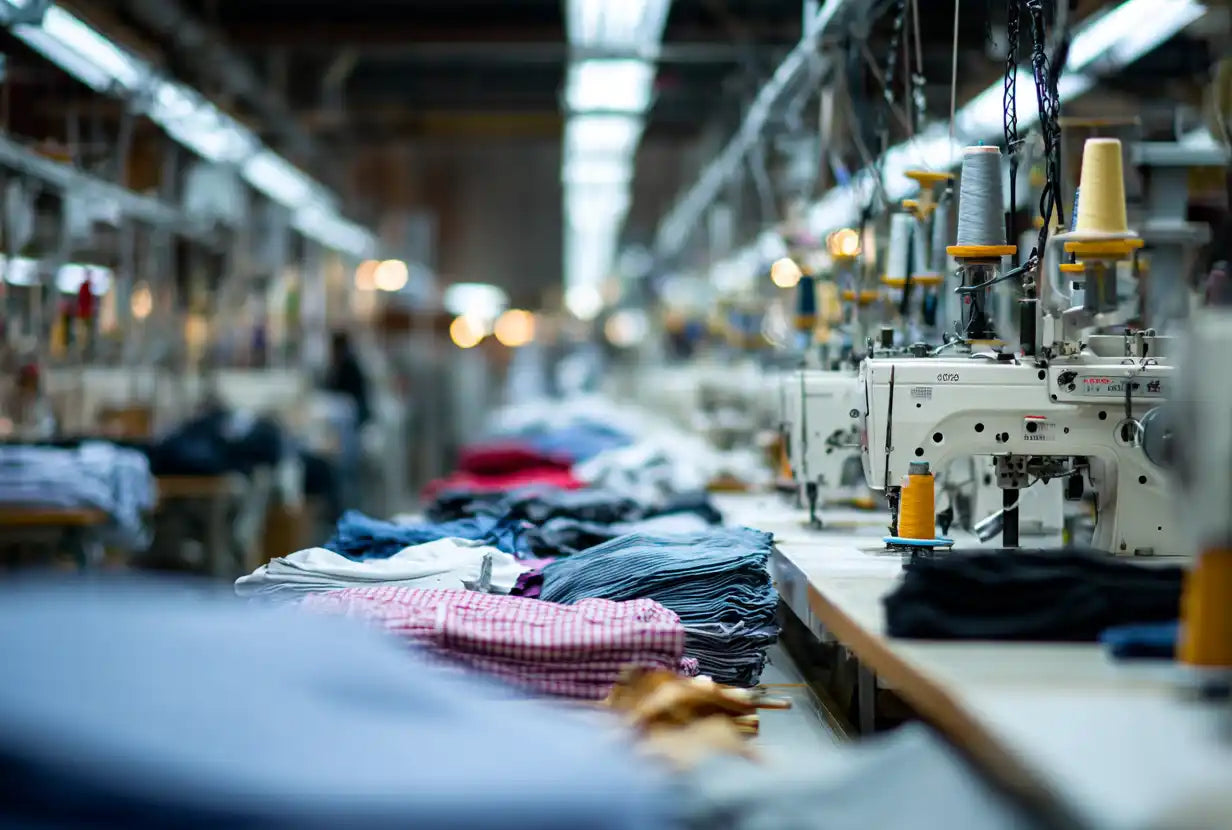
The Best Clothing Manufacturers
Explore global clothing manufacturers by country
Explore The Best Clothing Manufacturers
The Latest Clothing Industry Updates in 2025
Discover the latest news about important topics in the clothing industry in 2025,
Stay On Top Of Clothing Industry Updates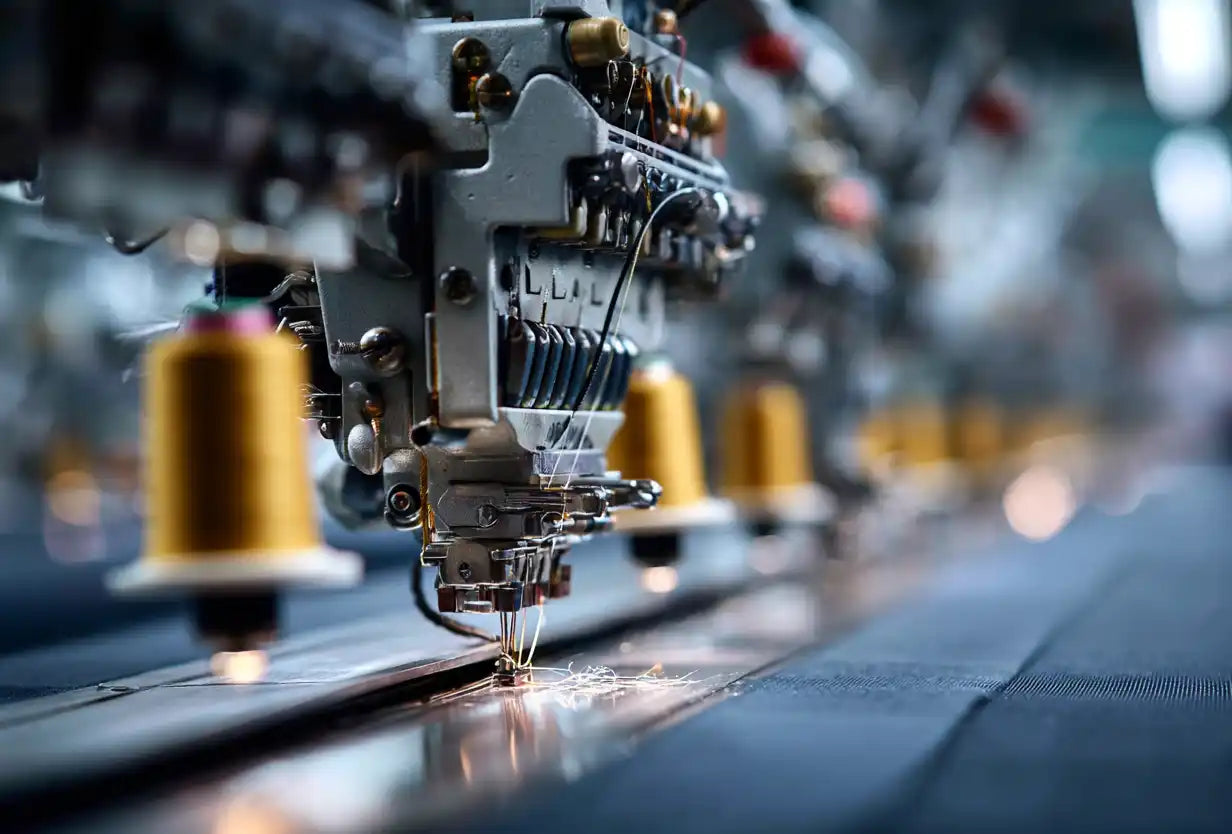
Worldwide Best Manufacturers of Clothes in 2026
Top clothing manufacturers worldwide organized by product type
Find The Worldwide Best Manufacturers of Clothes