
Neck Labels for Custom Clothing Production
In custom clothing production, neck labels are the most permanent and consistently visible brand identifier applied directly to a garment. For brands producing custom made hoodies and custom t shirts at scale, neck labels represent a functional branding system rather than a decorative detail.
Unlike hang tags or outer packaging, neck labels remain attached throughout the garment’s usable life. They influence perceived quality, comfort, compliance readiness, and long-term brand recognition across retail, wholesale, and private-label channels.
Within the broader framework of Brand Essentials for Custom Clothing Production, neck labels play a central role in transforming basic silhouettes such as black and white hoodies, oversized t-shirts, and drop-shoulder sweatshirts into recognizable, repeatable brand assets.
What Is a Neck Label in Apparel Production?
A neck label is a sewn-in or printed identifier positioned at the back neckline of a garment. It typically contains the brand logo, brand name, or size information and serves as the primary point of brand identification when the garment is worn.
Because neck labels are viewed repeatedly by the end consumer during dressing and wear, they contribute directly to brand recall and perceived garment quality. In professional production environments, they are specified early in the tech pack to ensure consistency across manufacturing partners.
Why Neck Labels Matter for Apparel Brands
For apparel brands scaling production, neck labels ensure uniform brand presentation across multiple production runs and factories. A correctly specified label eliminates ambiguity in garment identification and supports operational consistency.
In wholesale and private-label programs, neck labels also help buyers differentiate visually similar garments that may share identical fabrics, weights, or construction methods.
Brand Impact at Scale
When producing large volumes of custom made hoodies, consistent label placement, stitch quality, and material selection signal production maturity to retail buyers. Poorly executed labels, by contrast, are often perceived as indicators of inconsistent quality control.
Types of Neck Labels Used in Custom Clothing Production
Woven Neck Labels
Woven neck labels are produced on jacquard looms using yarn-dyed polyester or cotton threads. The artwork is digitized into loom instructions, allowing logos and text to be woven directly into the label structure rather than printed on the surface.
Once woven, labels are finished using ultrasonic cutting, which seals edges to prevent fraying and minimizes edge irritation. This finishing step is critical for comfort in garments worn close to the neck.
Woven labels offer a tactile, premium feel similar to the perceived quality of custom embroidery on sweatshirts, making them a common choice for heavyweight hoodies and fleece garments.
How Woven Neck Labels Work
The label design is converted into a loom-readable file and woven at controlled tension to maintain clarity and dimensional stability. After weaving, ultrasonic blades cut the labels to size, using heat and vibration to fuse edges.
Finished labels are sewn into garments using lockstitch or overlock machines, either during garment assembly or as a post-assembly operation depending on factory workflow.
Printed Neck Labels (Heat Transfer)
Printed neck labels apply branding directly to the interior fabric surface using heat-activated inks or transfer films. This method removes the need for physical label material, reducing bulk and improving wearer comfort.
Printed labels are commonly used for custom t shirts and lightweight garments where softness and minimal interior friction are priorities.
How Printed Neck Labels Work
Artwork is screen-printed or digitally printed onto a carrier sheet using plastisol or water-based inks. The transfer is applied to the garment using a calibrated heat press set between approximately 150–165°C for 10–15 seconds.
Accurate temperature, pressure, and dwell time are essential to ensure wash durability without scorching fabrics or causing ink cracking.
Woven vs Printed Neck Labels: Production Comparison
| Criteria | Woven Labels | Printed Labels |
|---|---|---|
| Typical MOQ | ~500 units | ~50 units |
| Durability | Very high, long-term | Moderate to high with proper application |
| Comfort | Moderate, depends on finishing | High, no added bulk |
| Brand Perception | Premium, traditional | Minimal, modern |
How to Customize a Hoodie Using Professional Neck Labeling
To customize a hoodie professionally, brands must define label type, dimensions, and placement during the tech pack stage. Label placement is typically specified as a distance from the neckline seam, commonly between 1.5 and 2 centimeters.
Woven labels are often used when the goal is to elevate perceived value, while printed labels support minimalist branding strategies. Both methods require early coordination with production teams to avoid rework.
Clear label specifications allow factories to integrate branding seamlessly into production workflows.
This process is foundational when developing custom made hoodies or scaling custom t shirts for wholesale distribution.
Neck Labels and Regulatory Compliance
Neck labels often work alongside care labels to support legal disclosure requirements. In the United States, apparel labeling is governed by the Textile Fiber Products Identification Act, enforced by the Federal Trade Commission.
In the European Union, fiber composition labeling is regulated under Regulation (EU) No 1007/2011. Brands selling across regions must ensure that label content aligns with destination market requirements.
- Federal Trade Commission – Textile Labeling
- OEKO-TEX® Standard 100
- EU Textile Regulation (EU) No 1007/2011
Common Mistakes to Avoid
- Using woven labels on ultra-lightweight jersey fabrics, causing neckline distortion
- Applying excessive heat during printed label application, leading to fabric scorching
- Incorrect label placement that pulls or twists the neckline seam
- Failing to synchronize label production timelines with garment assembly schedules
- Using white labels on dark sublimated fabrics without a blocker layer, resulting in dye migration
FAQs About Certification & Standards
Do neck labels need to be certified?
Neck labels themselves are not certified products, but the materials used must comply with textile safety and chemical regulations. Certification demonstrates adherence to recognized standards rather than fulfilling a legal requirement. Many brands use certified materials to reduce compliance risk.
Is OEKO-TEX® certification mandatory?
OEKO-TEX® certification is not mandatory, but it is widely adopted to demonstrate chemical safety and skin compatibility. It is particularly relevant for garments worn directly against the skin. Many retailers prefer or require it for private-label programs.
FAQs About Sourcing & Production
Can neck labels be added after garment production?
Yes, but post-production label application increases labor costs and handling time. It also introduces additional quality control risks. Integrating labels during assembly is generally more efficient.
Do neck labels affect production lead times?
Yes. Labels have their own manufacturing timelines that must align with garment production schedules. Delayed label delivery can halt assembly lines.
FAQs About Materials & Care
Do printed neck labels last as long as woven labels?
Printed labels can remain durable when correctly applied and washed according to care instructions. However, woven labels typically have a longer lifespan. Fabric type and wash conditions strongly influence longevity.
Can neck labels shrink or curl?
Improper material pairing or exposure to high heat during washing can cause deformation. Correct specification and testing help prevent these issues.
Written by the AthleisureBasics Production Team, specialists in large-scale apparel sourcing and quality control for global retail brands.
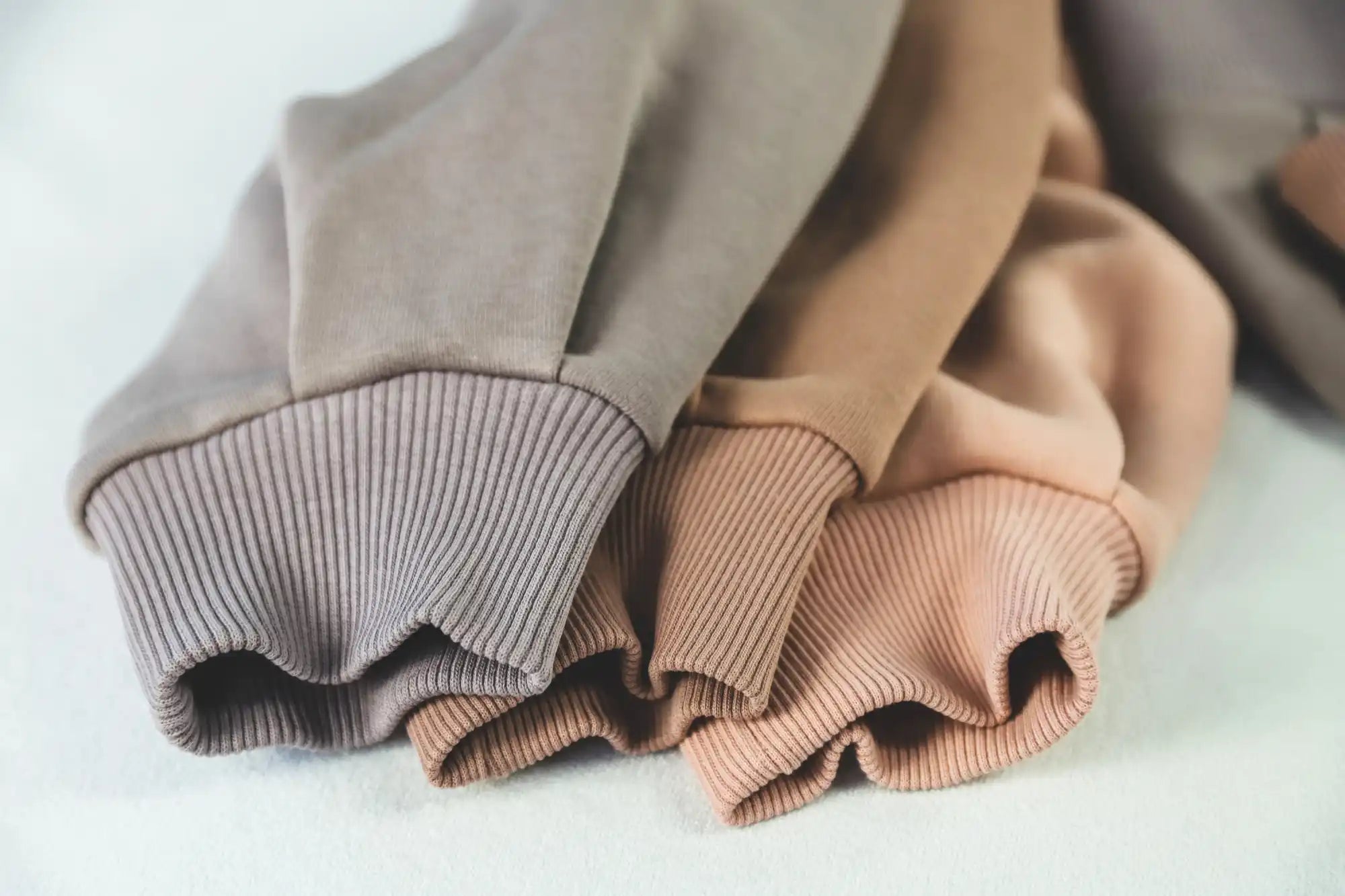
Materials & Fabrics for Clothing Production
Explore cotton, French terry, jersey, fleece, and sustainable blends used in premium apparel manufacturing.
Explore Premium Apparel Fabrics Guide
Printing Techniques for Apparel Production
Screen printing, embroidery, puff prints, and digital methods for custom clothing manufacturing.
Explore Custom Apparel Printing Techniques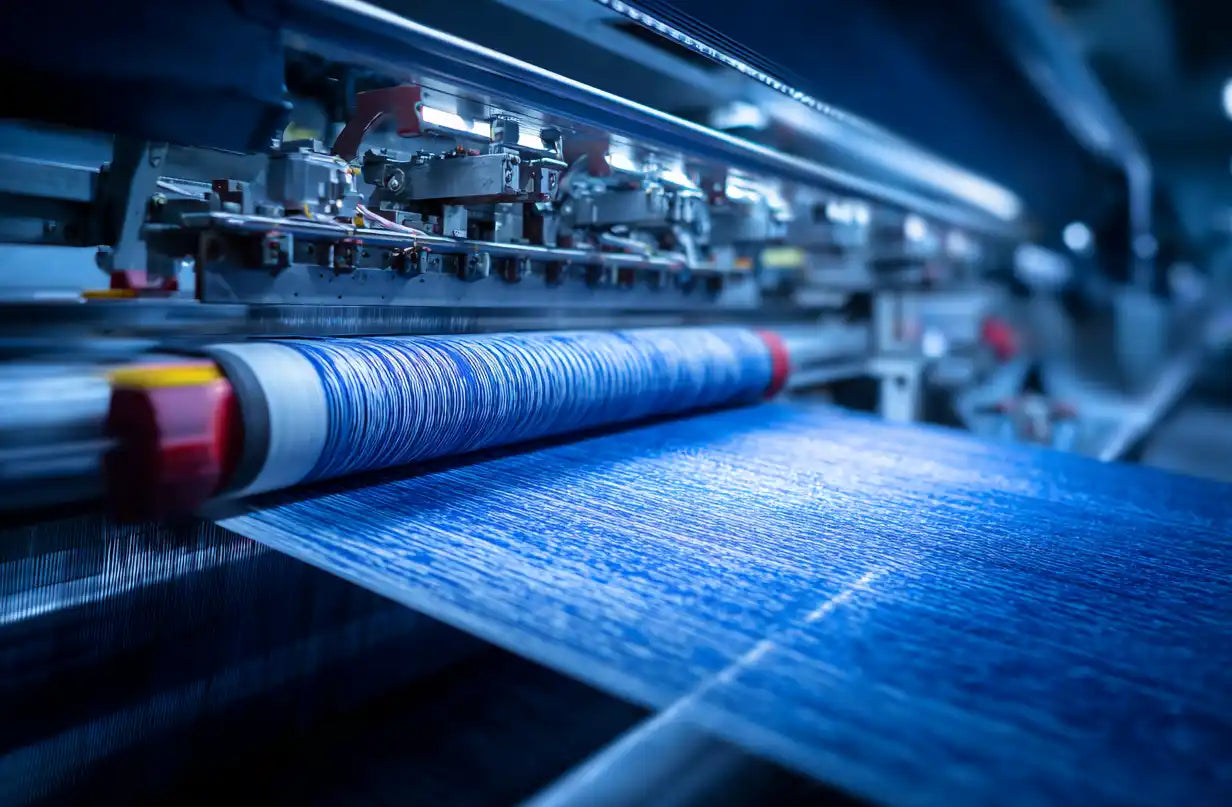
Dyeing Techniques in Clothing Manufacturing
Garment dye, pigment, acid wash, and stone wash finishes that create unique apparel designs.
Compare Apparel Finishing Techniques
Popular Clothing Items for Custom Apparel
Hoodies, joggers, t-shirts, leggings, and biker shorts — essentials for every apparel collection.
Explore Popular Custom Clothing Items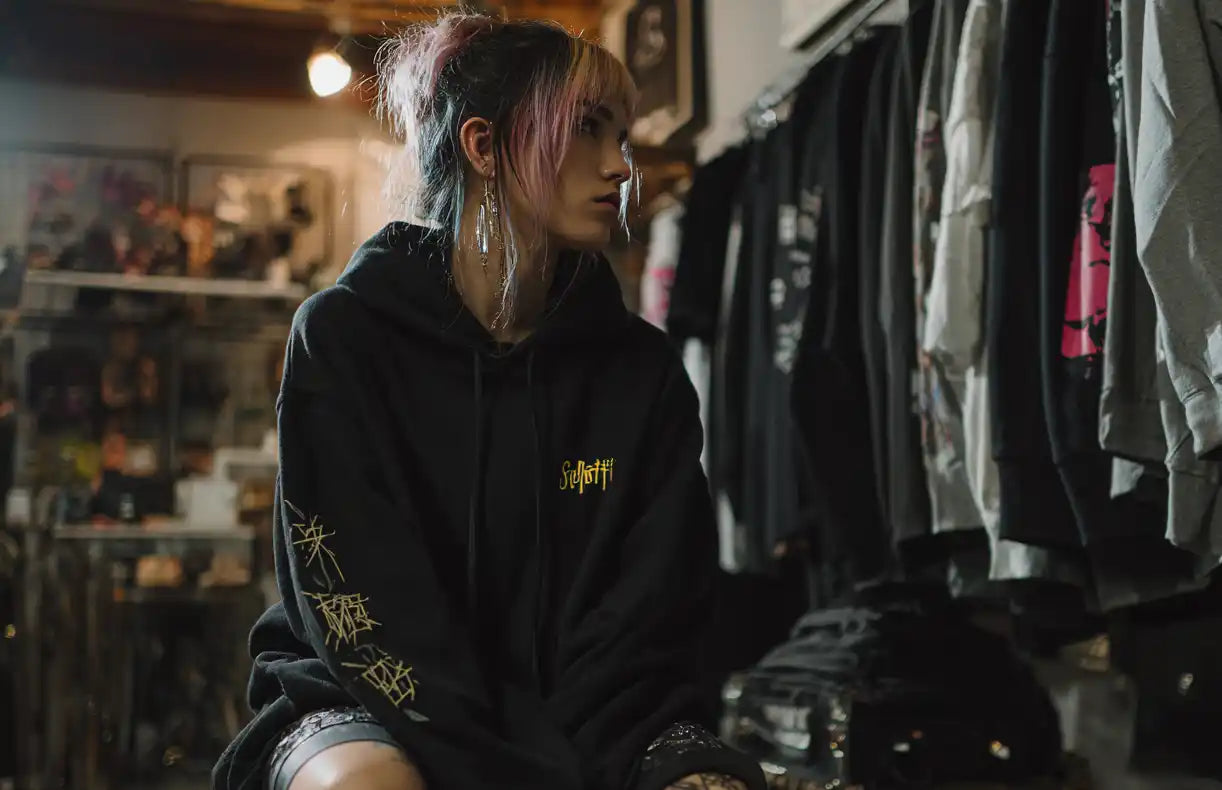
Trends & Designs in Modern Apparel
Oversized fits, streetwear influences, and activewear styles driving custom clothing production.
Explore Trends & Designs for Apparel Development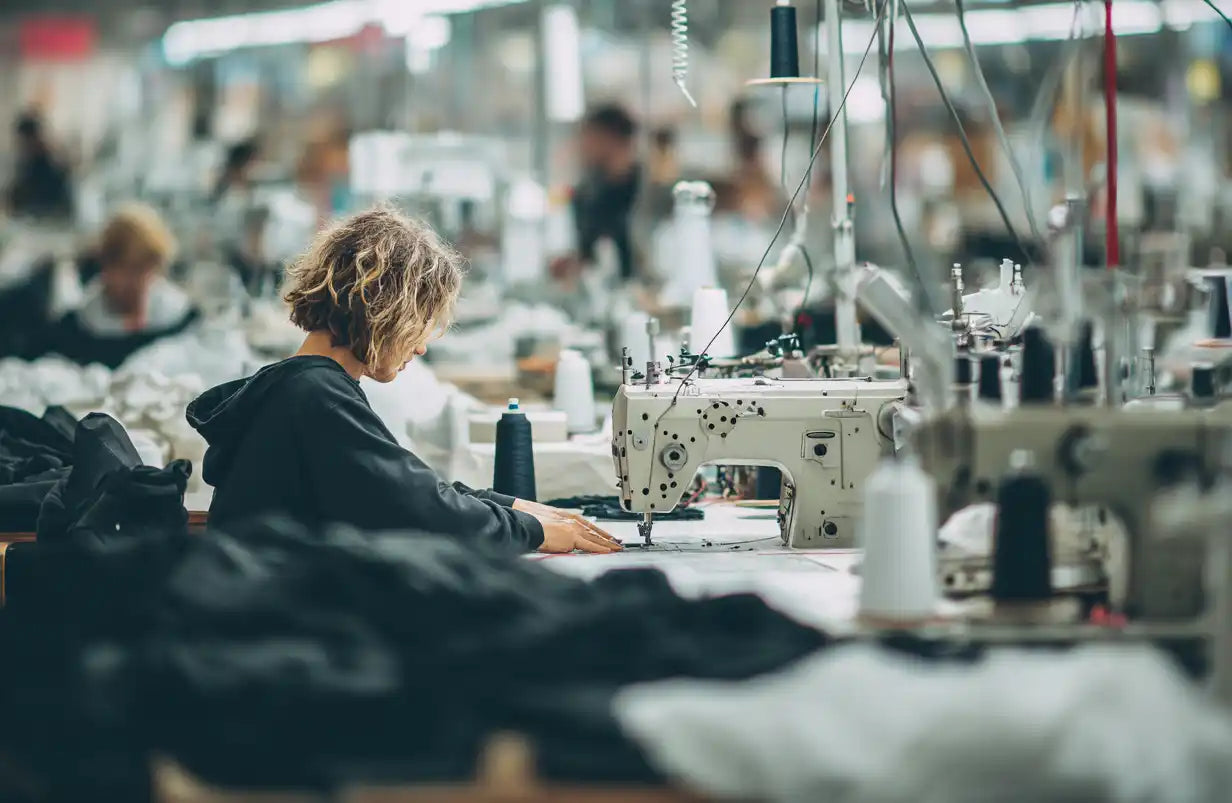
Sustainable & Ethical Clothing Production
OEKO-TEX® certified fabrics, organic cotton, and ethical apparel manufacturing in Portugal.
Understand Sustainable & Ethical Clothing Production
Essentials for Custom Clothing Production
Custom labels, packaging, and trims that elevate your apparel brand in production.
Explore Essentials for Custom Clothing Production
Resources for Custom Clothing Production
Startup guides, logistics support, and scaling strategies for apparel brands and wholesale clients.
Explore Resources for Custom Clothing Production
Clothing Manufacturing Glossary
Explore a complete glossary of clothing and garment manufacturing terms
The Complete Clothing Manufacturing Glossary
The Best Clothing Manufacturers
Explore global clothing manufacturers by country
Explore The Best Clothing Manufacturers
The Latest Clothing Industry Updates in 2025
Discover the latest news about important topics in the clothing industry in 2025,
Stay On Top Of Clothing Industry Updates
Worldwide Best Manufacturers of Clothes in 2026
Top clothing manufacturers worldwide organized by product type
Find The Worldwide Best Manufacturers of Clothes