
Brand Story Cards for Custom Clothing Production
In modern apparel manufacturing, the garment itself is only one part of the brand experience. What surrounds the product during unboxing often defines perceived value, credibility, and brand maturity. Brand story cards have become a core external insert for apparel brands that want to communicate purpose, intention, and craftsmanship beyond the fabric itself.
For brands producing custom made hoodies, custom t shirts, or garments finished with custom embroidery on sweatshirts, story cards help explain design decisions that customers may not immediately see. In competitive retail and wholesale environments, these inserts serve as a physical brand narrative delivered at the moment of first interaction.
Unlike hang tags or care labels, story cards are not regulated by compliance requirements. This gives brands creative freedom to communicate mission, sourcing philosophy, and collection identity without altering garment construction or labeling workflows.
What Are Brand Story Cards in Apparel Production?
Brand story cards are printed inserts placed inside garment packaging after final quality control and before sealing. They are typically produced using cardstock, kraft paper, or specialty textured stocks depending on brand positioning.
Their primary function is communication rather than identification. While labels exist for legal and logistical purposes, story cards exist to create emotional context around a product. They explain why the garment exists, what inspired the collection, and how the brand wants the customer to engage with it.
- Brand mission or founding principles
- Collection inspiration or creative direction
- Sourcing and material transparency
- Care or usage guidance in brand voice
Where Brand Story Cards Fit in Custom Apparel Programs
Story cards are most commonly used with premium basics such as hoodies, heavyweight t-shirts, drop-shoulder sweatshirts, and embroidered garments. These product categories often rely on subtle quality cues that benefit from explanation.
For example, when a customer receives a garment with custom embroidery on sweatshirts, stitch density, thread selection, and placement may not be immediately understood. A well-written story card explains craftsmanship, making the customer more aware of value.
Brands developing custom made hoodies often use inserts to justify pricing, explain fabric weight, or share brand philosophy without overcrowding garment labels.
How Brand Story Cards Work in Production
- Garments complete final inspection, folding, and sizing verification.
- Printed story cards are staged at packing stations.
- Each garment receives an insert before the polybag or box is sealed.
- Finished units are packed into cartons for outbound shipping.
This process allows brands to update messaging between collections without altering labels, trims, or compliance documentation. It also ensures consistent brand communication across all SKUs.
Common Materials Used for Story Cards
| Material | Texture | Sustainability Level | Best Use |
|---|---|---|---|
| Recycled Cardstock (300–400 GSM) | Smooth | High | Streetwear, core basics |
| Kraft Paper | Natural | High | Eco-focused collections |
| Textured Paper | Premium | Medium | Luxury garments |
Insert materials should align with garment fabrics to avoid brand inconsistency. Brands working with heavyweight cotton or brushed fleece should avoid thin paper stocks that crease during transit.
For material alignment, reference the fabric standards used in t-shirt production: T-shirt fabric guide.
Comparison: Brand Story Cards vs Polybag Printing
Brand story cards focus on narrative and emotion, while polybag printing is functional and compliance-driven. Polybags identify SKUs, barcodes, and handling information, but they are discarded quickly by customers.
Story cards remain with the garment, can be saved, and often become part of the brand memory. For brands prioritizing long-term loyalty, inserts consistently outperform printed packaging for brand recall.
Printing Methods for Brand Story Cards
Digital printing is commonly used for short runs, frequent drops, and variable messaging. It allows brands to change language between collections without creating excess inventory.
Offset printing is preferred for large-scale programs where color accuracy and unit cost matter most. The decision depends on MOQ, budget, and how often the story content changes.
Sustainability and Certifications
Paper sourcing should be supported by verifiable certifications. The Forest Stewardship Council (FSC) certification ensures paper is sourced from responsibly managed forests, while recycled content should be validated through recognized material standards.
Official references include: Forest Stewardship Council and Textile Exchange.
Brands should avoid vague sustainability claims. Any message printed on story cards must be supported by supplier documentation to meet global compliance expectations.
How Story Cards Support Wholesale and Retail Programs
Wholesale buyers evaluate packaging consistency alongside garment quality. Story cards allow buyers to understand brand positioning immediately without relying on sales decks or additional materials.
For private label and white label programs, inserts help differentiate similar garments across multiple retail accounts without altering production specs or increasing garment costs.
Integrating Story Cards into T-Shirt Production
For brands scaling custom t shirts, story cards provide a low-cost way to elevate entry-level products. Inserts communicate fit intention, fabric choice, and brand values without changing garment pricing.
This is especially important for wholesale programs where buyers compare dozens of similar t-shirts. Inserts give your product a voice when sales staff are not present.
Common Mistakes to Avoid
- Using paper that bends or creases during shipping
- Mismatching insert quality with garment quality
- Printing text too small for easy reading
- Inconsistent messaging between inserts and website
- Bleed and margin errors during trimming
Bleed and margin errors are common when dark designs are printed without proper trim allowance. This results in unwanted white edges that immediately signal poor production control. Always confirm dielines before printing.
FAQs About Certification & Standards
Are brand story cards required to be certified?
Certification is not mandatory, but using FSC-certified or recycled paper strengthens credibility with buyers and customers. Many wholesale accounts now request documentation for sustainability claims. Using certified materials helps brands avoid compliance disputes and rejected shipments.
Can story cards include sustainability claims?
Yes, but claims must be factual and verifiable through supplier documentation. Vague or exaggerated claims can create compliance risks in regulated markets like the EU. Brands should limit messaging to what they can prove with certifications or invoices.
Is recycled paper always the best option?
Not always. Some recycled papers have lower tensile strength and can crease during shipping. Brands should balance sustainability goals with durability and presentation requirements.
FAQs About Sourcing & Production
When are story cards inserted into garments?
Story cards are inserted after final quality control and before packaging is sealed. This ensures that every unit receives consistent messaging. It also prevents inserts from being damaged during garment handling.
Do story cards affect MOQ?
MOQ depends on printing method rather than insertion. Digital printing allows low quantities, while offset printing becomes cost-efficient at higher volumes. Brands should align print method with drop size and frequency.
Can inserts change between collections?
Yes. Inserts are one of the easiest brand elements to update without modifying garment production. This makes them ideal for seasonal messaging or campaign-specific storytelling.
FAQs About Materials & Care
What GSM is recommended for story cards?
Most brands use 300–400 GSM cardstock for durability and premium feel. Thinner paper tends to curl or bend during shipping. Heavier stock maintains shape throughout fulfillment and handling.
Do textured papers affect print quality?
Yes. Textured stocks reduce fine print detail but increase tactile perception. They work best for minimal designs with strong brand presence rather than dense text.
Should story cards include care instructions?
They can include care guidance, but essential information must still appear on garment labels to meet compliance requirements. Inserts should be treated as supplementary, not regulatory.
If your brand plans to develop new collections using certified fabrics and scalable production methods, reach out to our team via the request form to discuss availability and production options: Request form.
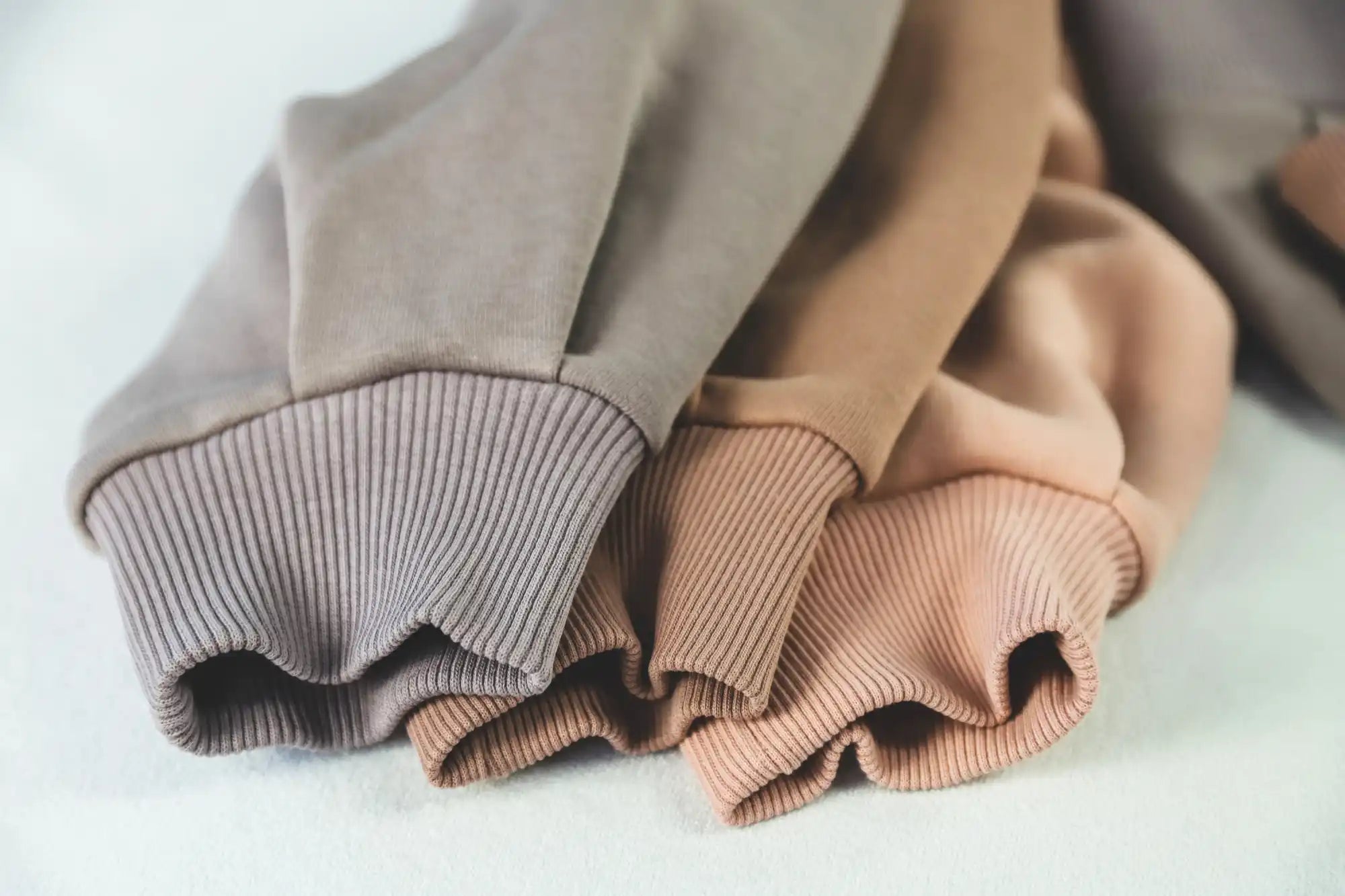
Materials & Fabrics for Clothing Production
Explore cotton, French terry, jersey, fleece, and sustainable blends used in premium apparel manufacturing.
Explore Premium Apparel Fabrics Guide
Printing Techniques for Apparel Production
Screen printing, embroidery, puff prints, and digital methods for custom clothing manufacturing.
Explore Custom Apparel Printing Techniques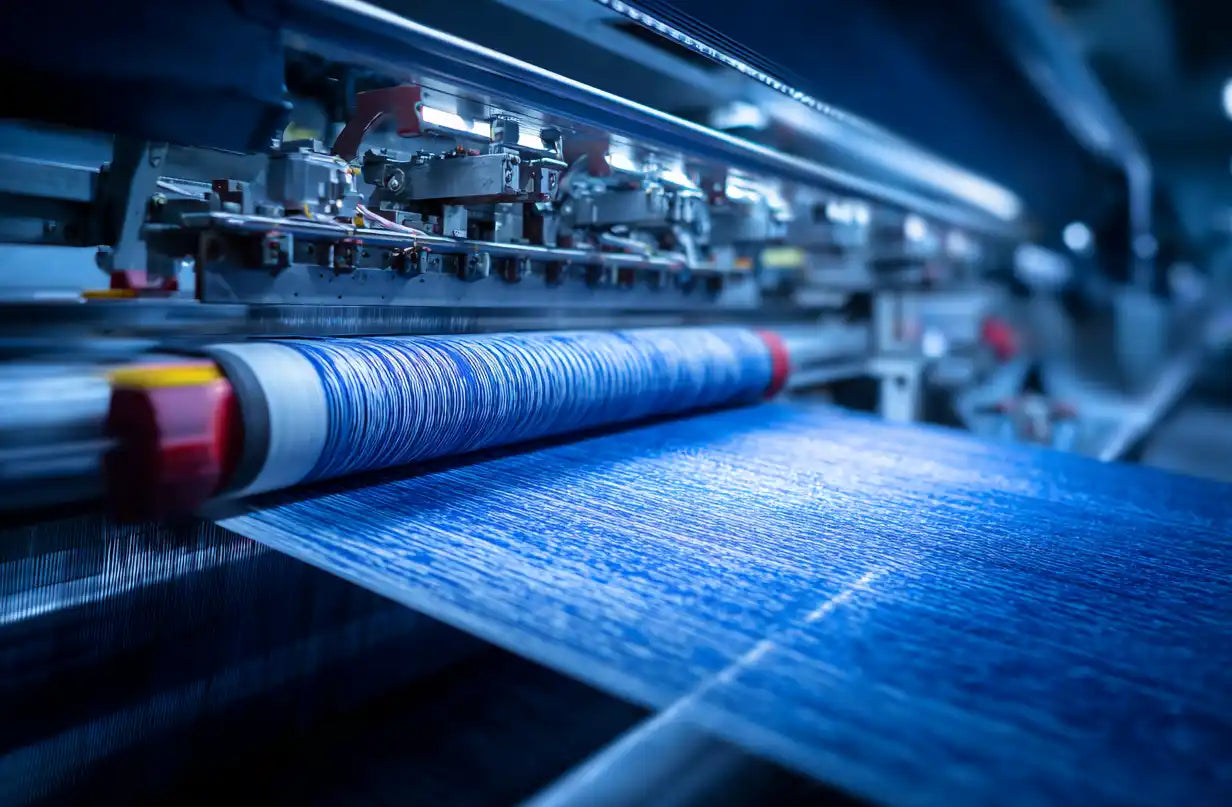
Dyeing Techniques in Clothing Manufacturing
Garment dye, pigment, acid wash, and stone wash finishes that create unique apparel designs.
Compare Apparel Finishing Techniques
Popular Clothing Items for Custom Apparel
Hoodies, joggers, t-shirts, leggings, and biker shorts — essentials for every apparel collection.
Explore Popular Custom Clothing Items
Trends & Designs in Modern Apparel
Oversized fits, streetwear influences, and activewear styles driving custom clothing production.
Explore Trends & Designs for Apparel Development
Sustainable & Ethical Clothing Production
OEKO-TEX® certified fabrics, organic cotton, and ethical apparel manufacturing in Portugal.
Understand Sustainable & Ethical Clothing Production
Essentials for Custom Clothing Production
Custom labels, packaging, and trims that elevate your apparel brand in production.
Explore Essentials for Custom Clothing Production
Resources for Custom Clothing Production
Startup guides, logistics support, and scaling strategies for apparel brands and wholesale clients.
Explore Resources for Custom Clothing Production
Clothing Manufacturing Glossary
Explore a complete glossary of clothing and garment manufacturing terms
The Complete Clothing Manufacturing Glossary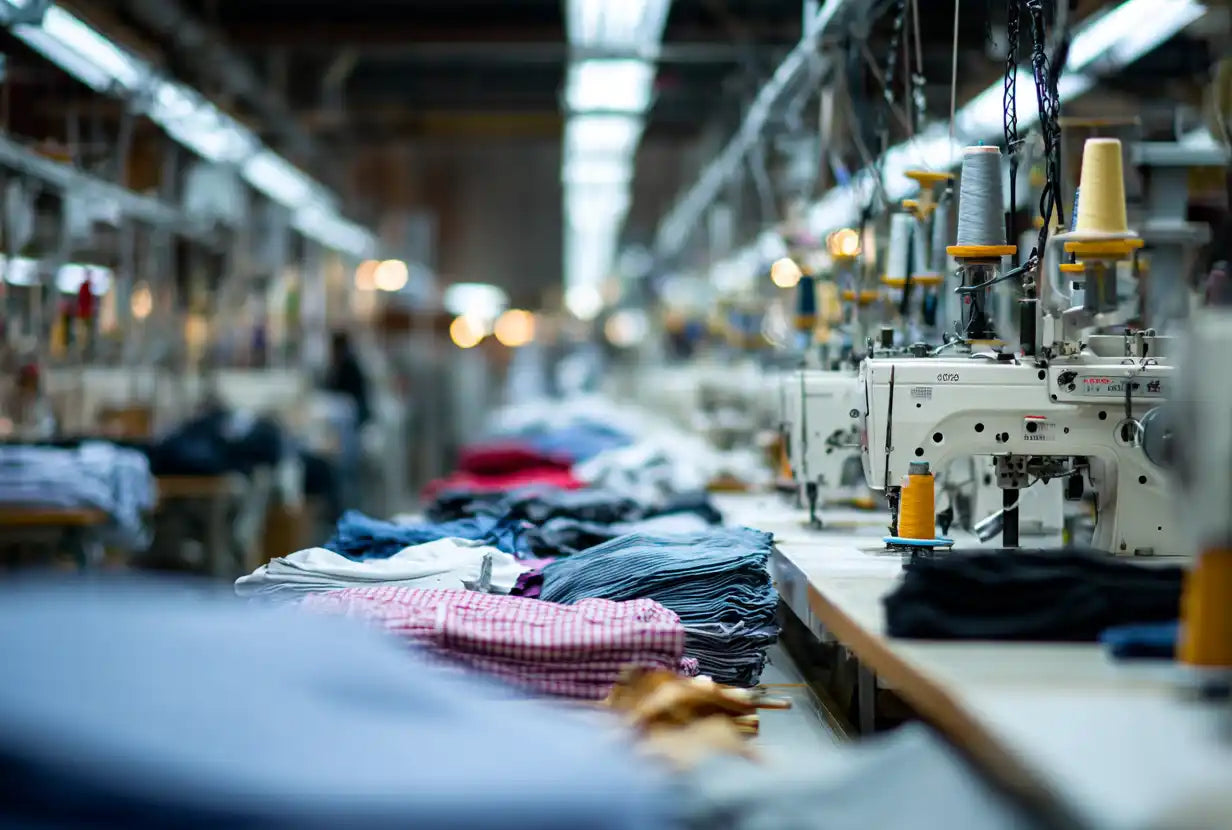
The Best Clothing Manufacturers
Explore global clothing manufacturers by country
Explore The Best Clothing Manufacturers
The Latest Clothing Industry Updates in 2025
Discover the latest news about important topics in the clothing industry in 2025,
Stay On Top Of Clothing Industry Updates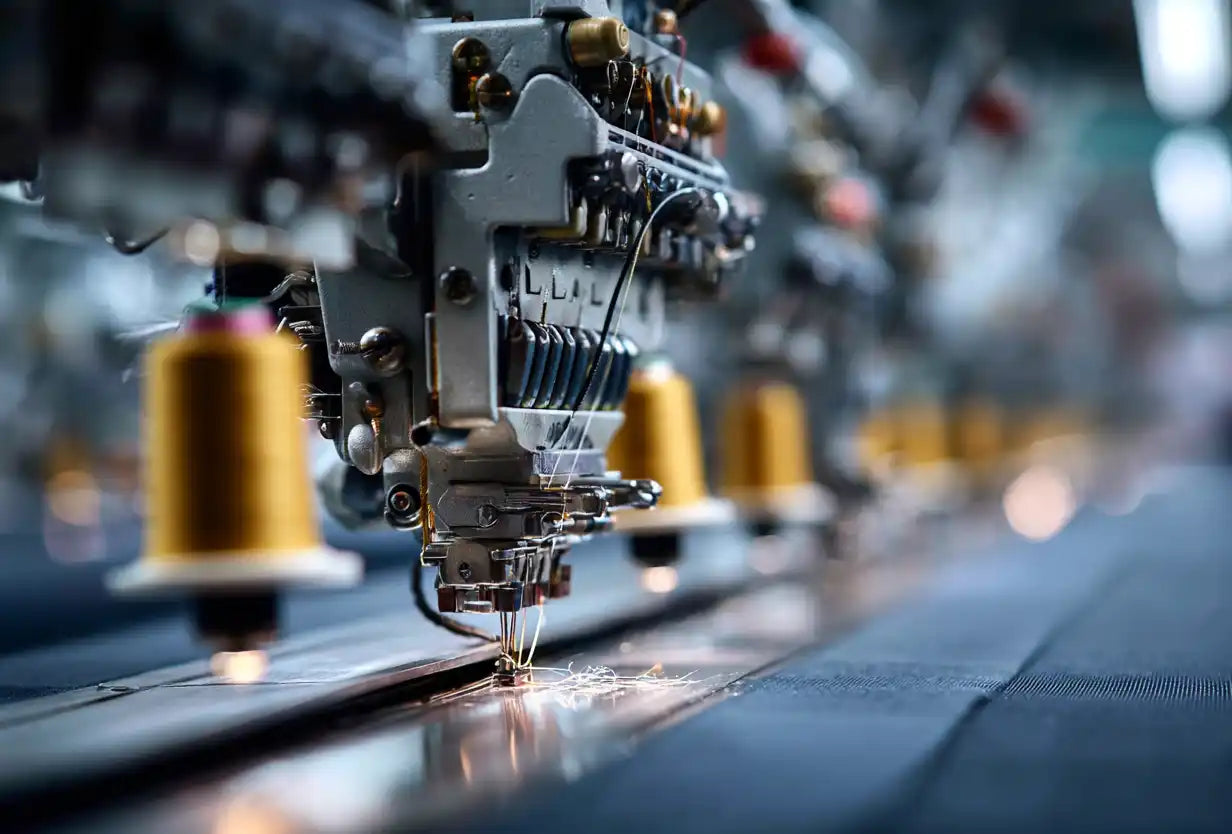
Worldwide Best Manufacturers of Clothes in 2026
Top clothing manufacturers worldwide organized by product type
Find The Worldwide Best Manufacturers of Clothes