
Care Labels for Custom Clothing Production
Care labels are a legally required and operationally critical element of custom clothing production. For brands producing custom made hoodies, custom t shirts, and private-label basics, care labels define how garments should be washed, dried, and maintained throughout their lifecycle. Proper labeling protects fabric performance, reduces returns, and supports compliance across global markets.
Unlike decorative trims, care labels act as technical documentation delivered directly to the consumer. Errors in labeling frequently lead to avoidable customer complaints, regulatory exposure, and rework costs during scale.
What Is a Care Label?
A care label is a permanently attached label that communicates garment maintenance instructions, including washing, drying, ironing, and professional care. In many regions, it forms part of a required label stack that also includes fiber composition and country of origin.
Care labels must remain legible for the expected lifespan of the garment, influencing material choice, printing method, and placement decisions.
Information Included on a Care Label
- Washing method and temperature limits
- Drying method and heat restrictions
- Ironing or pressing guidance
- Professional care symbols
- Fiber composition by percentage
- Country of origin
How Care Labels Work in Apparel Production
Care labels are finalized during sampling once fabrics, dyes, finishes, and embellishments are approved. Manufacturers validate instructions through wash testing to ensure real-world accuracy. Approved labels are then produced in bulk and applied during garment assembly.
Because care labels are permanent components, inaccuracies translate directly into compliance and quality risks.
Care Label Materials for Custom Made Hoodies and Basics
Label material selection affects comfort, durability, and long-term legibility. Hoodies and t-shirts worn against the skin require materials that balance softness with wash resistance.
| Material | Feel | Print Durability | Typical Use Case |
|---|---|---|---|
| Satin | Soft | Medium | Comfort-focused or premium garments |
| Nylon Taffeta | Crisp | High | High-volume basics |
| Woven Cotton | Soft | Medium | Organic collections |
Care Labels for Embroidered Garments
When you customize a hoodie with dense embroidery, care instructions must reflect added stitch density and backing materials. These elements respond differently to heat, moisture, and agitation.
Labels often restrict tumble drying and high-temperature ironing to preserve embroidery structure and appearance.
Heat Transfer vs. Screen Printing for Care Labels
Heat transfer labels provide a smooth, tagless feel and are common in lightweight garments. Their durability depends on adhesive quality and wash discipline.
Screen-printed labels offer stronger wash resistance and long-term legibility but may feel firmer against the skin.
Care Label Placement Standards
The most common placement is inside the side seam approximately 10 centimeters above the hem. Neck placement is also used for tagless constructions.
Poor placement increases irritation and encourages label removal, which may compromise compliance.
Common Care Label Mistakes to Avoid
- Generic care instructions. This results in shrinkage or fading. The risk to the brand is increased returns.
- Ignoring embellishments. This results in embroidery or print damage. The risk is perceived quality failure.
- Incorrect fiber disclosure. This results in non-compliance and potential shipment delays.
Care Labels Within Brand Essentials
Care labels should be planned alongside other production fundamentals outlined in Brand Essentials for Custom Clothing Production.
Decoration methods affecting label durability are covered in the printing techniques for custom clothing production guide.
Garment-specific considerations are detailed in popular clothing items for custom apparel manufacturing.
Regulatory References
In the United States, care labeling is regulated by the Federal Trade Commission. International care symbols are standardized under ISO 3758.
Discuss Care Label Requirements for Your Next Collection
Care labels should be reviewed at the same stage as fabric selection, embellishment methods, and construction planning. Early alignment helps avoid relabeling costs, compliance issues, and production delays as volumes scale.
If your brand is preparing to produce custom made hoodies, custom t shirts, or private-label basics, you can submit your specifications through our production request form to discuss availability and production considerations.
Frequently Asked Questions
FAQs About Certification & Standards
Care labels must comply with the regulations of the market where the garment is sold. The United States requires permanent instructions under FTC rules, while many regions rely on ISO symbols. Brands selling globally should align labels with the strictest applicable framework.
FAQs About Sourcing & Production
Care labels are sourced separately and applied during garment assembly. Specifications are finalized during sampling to match approved materials and finishes. Including label details in the technical pack prevents rework during bulk production.
FAQs About Materials & Care
Label materials affect comfort and durability. Softer garments benefit from satin or cotton labels, while high-wash items require more resilient synthetics. Incorrect material selection can lead to fading or premature failure.
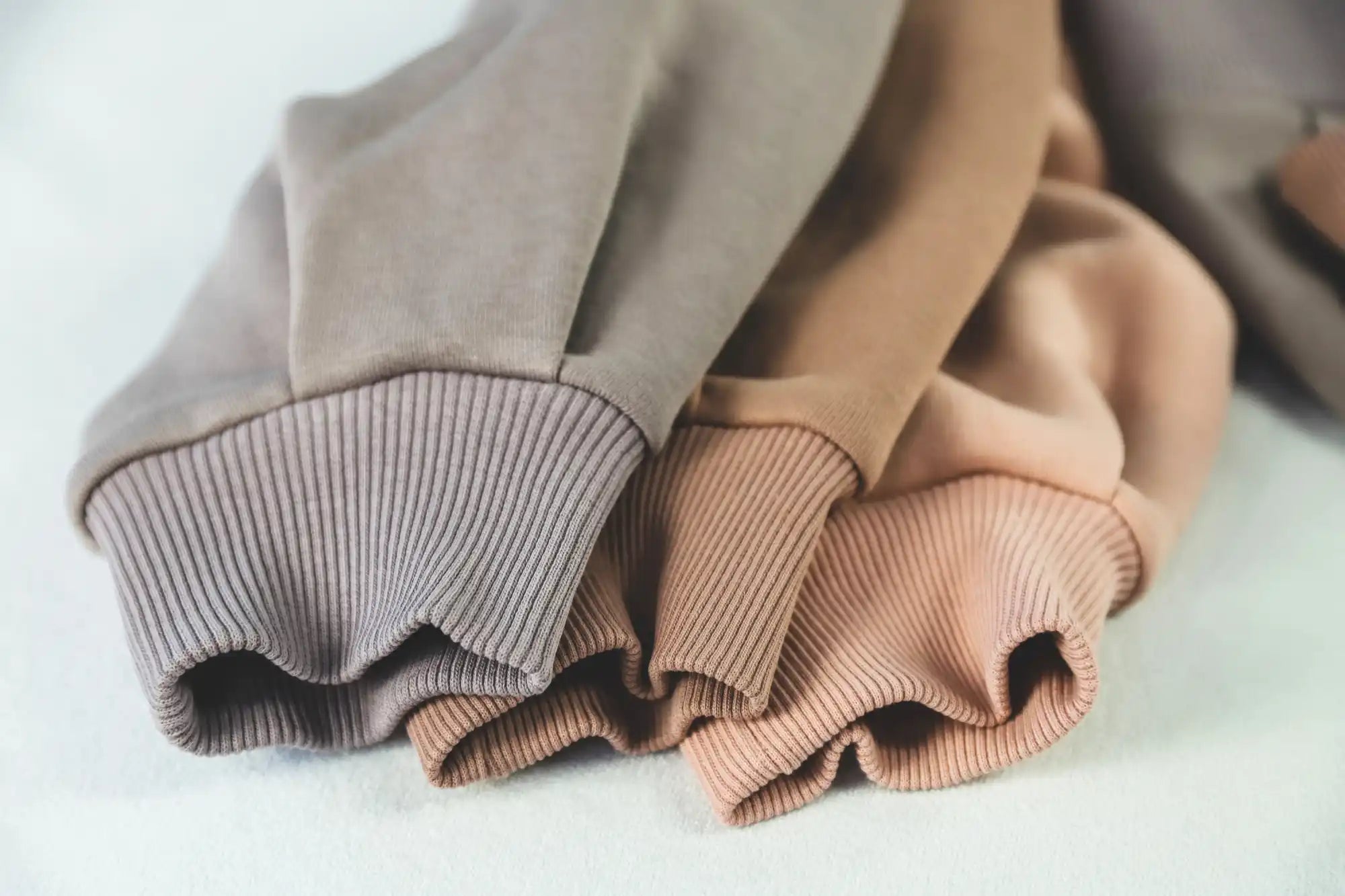
Materials & Fabrics for Clothing Production
Explore cotton, French terry, jersey, fleece, and sustainable blends used in premium apparel manufacturing.
Explore Premium Apparel Fabrics Guide
Printing Techniques for Apparel Production
Screen printing, embroidery, puff prints, and digital methods for custom clothing manufacturing.
Explore Custom Apparel Printing Techniques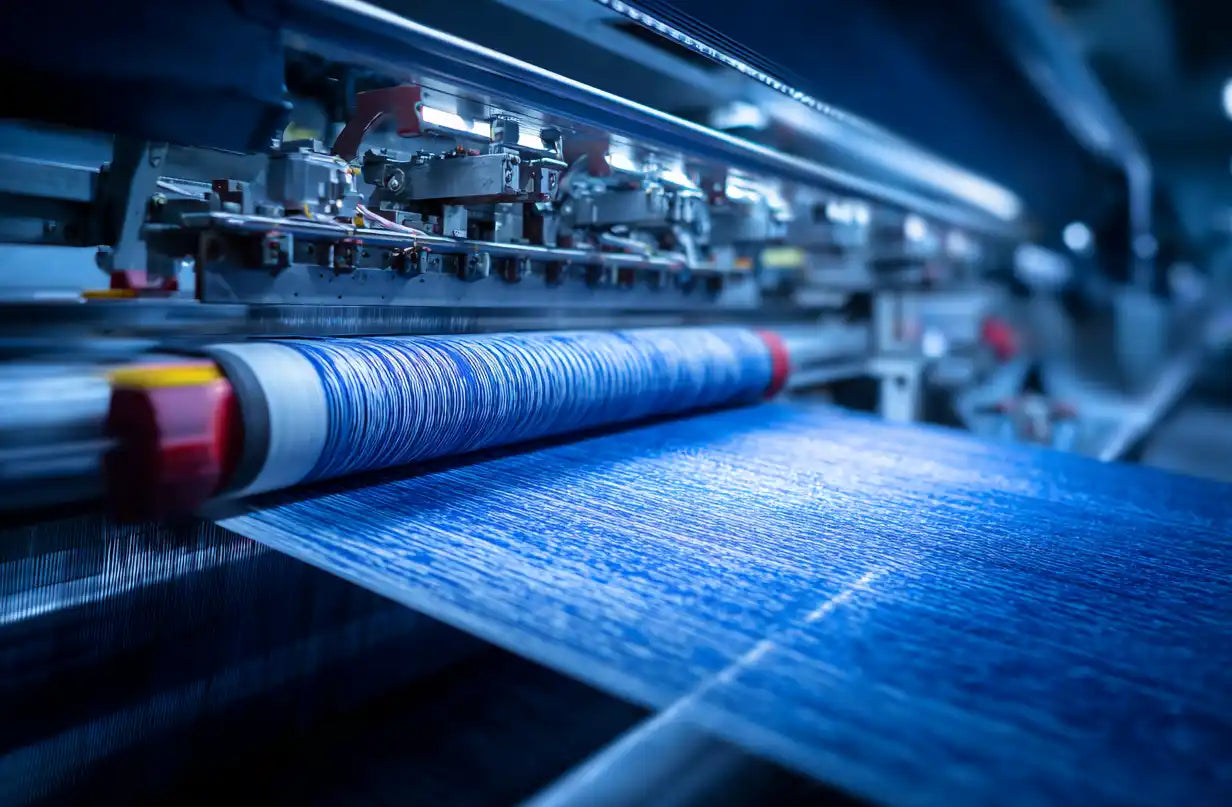
Dyeing Techniques in Clothing Manufacturing
Garment dye, pigment, acid wash, and stone wash finishes that create unique apparel designs.
Compare Apparel Finishing Techniques
Popular Clothing Items for Custom Apparel
Hoodies, joggers, t-shirts, leggings, and biker shorts — essentials for every apparel collection.
Explore Popular Custom Clothing Items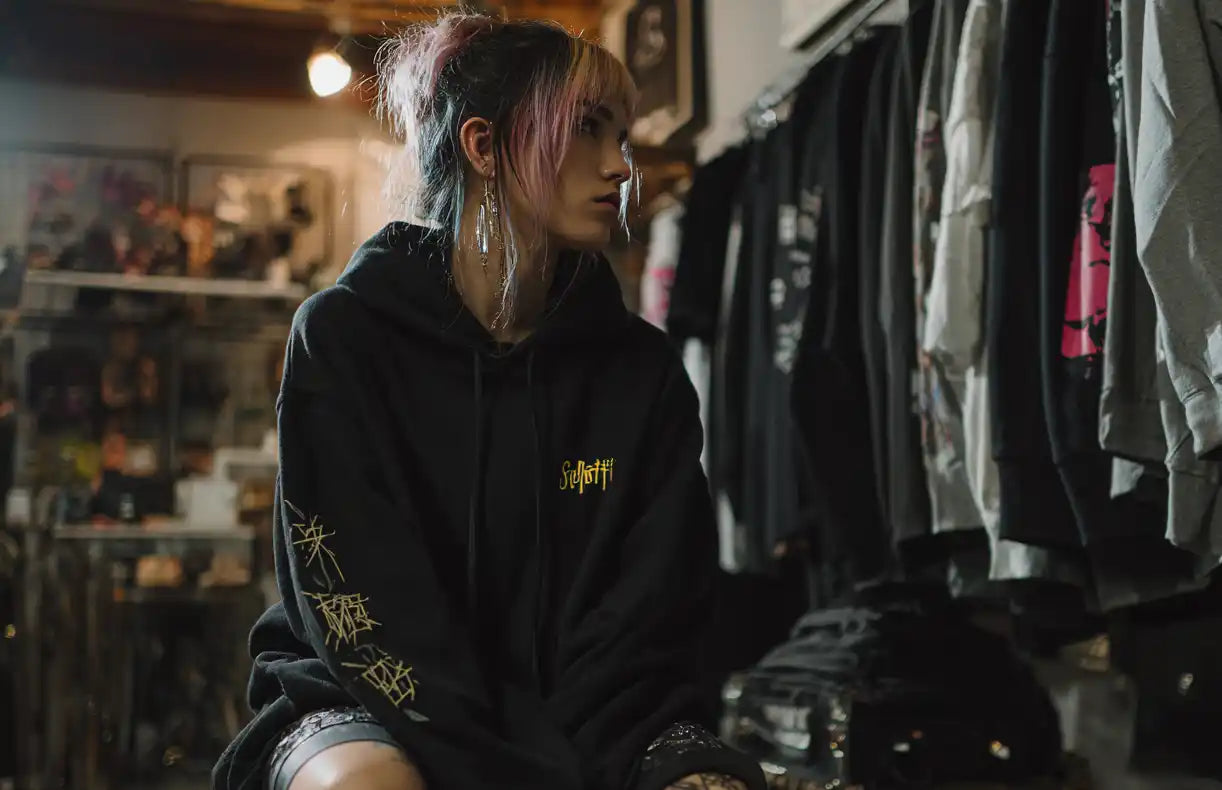
Trends & Designs in Modern Apparel
Oversized fits, streetwear influences, and activewear styles driving custom clothing production.
Explore Trends & Designs for Apparel Development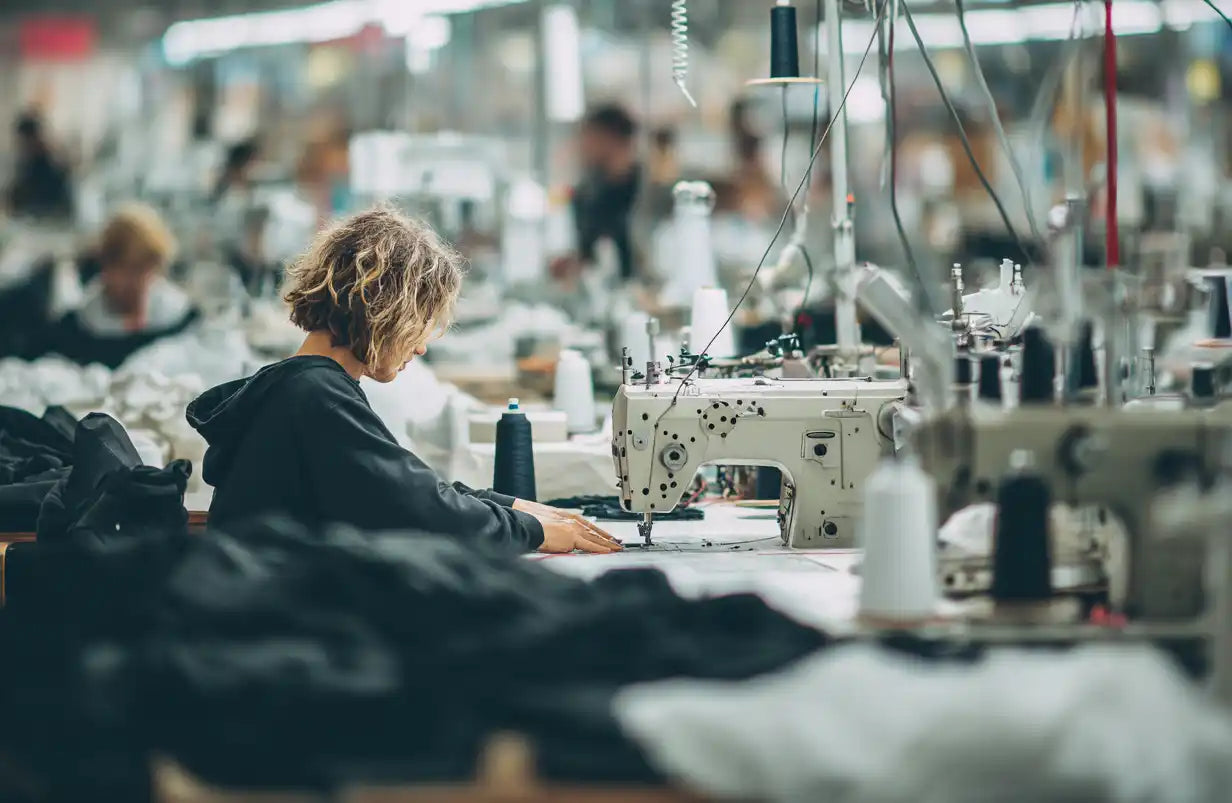
Sustainable & Ethical Clothing Production
OEKO-TEX® certified fabrics, organic cotton, and ethical apparel manufacturing in Portugal.
Understand Sustainable & Ethical Clothing Production
Essentials for Custom Clothing Production
Custom labels, packaging, and trims that elevate your apparel brand in production.
Explore Essentials for Custom Clothing Production
Resources for Custom Clothing Production
Startup guides, logistics support, and scaling strategies for apparel brands and wholesale clients.
Explore Resources for Custom Clothing Production
Clothing Manufacturing Glossary
Explore a complete glossary of clothing and garment manufacturing terms
The Complete Clothing Manufacturing Glossary
The Best Clothing Manufacturers
Explore global clothing manufacturers by country
Explore The Best Clothing Manufacturers
The Latest Clothing Industry Updates in 2025
Discover the latest news about important topics in the clothing industry in 2025,
Stay On Top Of Clothing Industry Updates
Worldwide Best Manufacturers of Clothes in 2026
Top clothing manufacturers worldwide organized by product type
Find The Worldwide Best Manufacturers of Clothes