
Chenille Embroidery for Custom Clothing Production
Chenille embroidery is a specialty embellishment technique used to create bold, raised, varsity-style patch effects on garments such as custom made hoodies and heavyweight sweatshirts. In 2025, it has become a strategic production choice for apparel brands seeking tactile differentiation rather than flat or purely graphic decoration.
Unlike standard embroidery or print-based decoration, chenille embroidery introduces physical depth, texture, and visual weight. This makes it especially effective for brands operating in streetwear, collegiate apparel, and premium casualwear segments.
What Is Chenille Embroidery?
Chenille embroidery is a decorative embroidery style that uses thick, fuzzy yarn threads stitched in continuous loops to create a raised surface with strong visual and tactile impact. The loops form a plush pile that visually resembles traditional varsity patches or towel embroidery.
Because chenille relies on yarn thickness rather than stitch density, it favors bold shapes, lettering, and simplified artwork rather than intricate line detail.
Typical Applications in Apparel
- Varsity lettering on custom made hoodies
- Collegiate and heritage-inspired branding
- Premium streetwear chest or back graphics
- Statement graphics for custom embroidery on sweatshirts
How Chenille Embroidery Works
Chenille embroidery is produced using specialized embroidery machines equipped with loop-forming needles rather than standard satin stitch needles. Artwork must be digitized specifically for chenille, defining loop direction, yarn path, and pile height.
During production, garments are hooped with reinforced backing to stabilize the fabric. Yarn loops are stitched directly onto the surface, then sheared or brushed to create a consistent raised texture before final inspection.
Artwork & Design Preparation for Chenille
Artwork preparation is one of the most common failure points in chenille embroidery production. Designs created for screen printing or flat embroidery often require modification before they can be executed successfully in chenille.
Design Best Practices
- Use bold lettering and thick shapes
- Avoid thin outlines or small internal details
- Limit color changes to reduce yarn transitions
- Allow sufficient spacing between design elements
Designs that ignore these principles may lose clarity once converted into yarn loops, especially at smaller scales.
Fabric Compatibility & Garment Selection
Chenille embroidery places mechanical stress on fabric due to the weight and tension of yarn loops. Fabric stability directly affects stitch quality, shape retention, and long-term durability.
Recommended Fabrics
- Heavyweight cotton fleece
- Mid- to high-GSM French terry
- Structured cotton-poly blends
Lightweight jersey, thin performance fabrics, and loosely knit materials are generally unsuitable, as they can pucker or distort during stitching. Fabric guidance for production planning is available here: Materials & Fabrics for Clothing Production
Chenille Embroidery vs Flat Embroidery
| Criteria | Chenille Embroidery | Flat Embroidery |
|---|---|---|
| Surface Texture | Raised, fuzzy, dimensional | Flat stitched surface |
| Design Detail | Bold shapes and lettering | Fine lines and small logos |
| Visual Impact | High, statement-driven | Subtle and refined |
| Garment Weight Required | Medium to heavyweight | Lightweight to heavyweight |
Chenille Embroidery vs Patch Applique
Chenille embroidery is sometimes confused with patch applique, but the two differ significantly in construction and appearance.
Patch applique involves stitching a pre-made patch onto a garment, while chenille embroidery stitches yarn loops directly into the fabric. Chenille offers a more integrated look, while patches allow easier replacement or repositioning.
Cost Drivers & MOQ Considerations
Chenille embroidery generally carries higher unit costs than flat embroidery due to yarn usage, machine specialization, and setup requirements.
Key Cost Factors
- Digitization complexity
- Yarn type and color count
- Backing material requirements
- Machine time per unit
While low MOQs are possible, chenille becomes more cost-efficient at moderate volumes where setup costs can be amortized.
Supporting Printing Methods Used Alongside Chenille
Chenille embroidery is often used as a focal embellishment and combined with other techniques to complete a garment design.
Screen Printing for Base Graphics
Screen printing is frequently used to apply base graphics on custom t shirts or hoodie backs when chenille is reserved for primary branding.
Direct-to-Garment Printing for Sampling
DTG printing is commonly used when brands need to customize a hoodie during sampling before committing to chenille embroidery at scale.
Common Mistakes to Avoid
- Applying chenille embroidery to lightweight or unstable fabrics
- Ignoring backing requirements, leading to fabric puckering and distorted logos on final inventory
- Scaling artwork too small, reducing chenille’s visual impact
- Skipping wash testing before bulk production
- Underestimating production lead times for specialty embroidery
Production Checklist for Sourcing Teams
- Confirm fabric GSM and knit stability
- Approve chenille-specific digitized artwork
- Request yarn and backing specifications
- Conduct wash and wear testing
- Validate compliance documentation
Certification & Compliance Considerations
Although chenille embroidery is a mechanical process, yarns, backing materials, and chemical finishes must meet applicable safety standards.
- OEKO-TEX® Standard 100 for material safety
- REACH compliance for EU distribution
- CPSIA requirements for U.S. consumer products
FAQs About Certification & Standards
Is chenille embroidery OEKO-TEX® compliant?
Chenille embroidery can be compliant when certified yarns and backing materials are used. Compliance depends on material sourcing rather than the stitching method itself. Brands should request updated certification documents before bulk production.
Does chenille embroidery fall under REACH?
Yes. Chemical treatments used in yarn dyeing or finishing must meet REACH requirements for EU markets. Mechanical stitching alone does not exempt materials from regulation.
Is CPSIA relevant for chenille embroidery?
CPSIA applies to chenille embroidery on garments sold in the U.S., especially children’s apparel. Yarns and backing materials must meet lead and safety limits.
FAQs About Sourcing & Production
Is chenille embroidery suitable for low MOQs?
Low MOQs are possible, but setup costs make chenille more efficient at moderate volumes. Brands often simplify designs for sampling runs.
Does chenille embroidery increase lead times?
Yes. Specialized machines and finishing steps extend production timelines compared to flat embroidery.
Can chenille embroidery be applied after garment construction?
Yes. It is typically applied post-construction and before final washing.
FAQs About Materials & Care
How should chenille-embroidered garments be washed?
Cold washing and air drying help preserve pile texture and prevent yarn damage.
Does chenille embroidery lose texture over time?
High-quality stitching maintains texture, while poor execution flattens faster.
Is chenille embroidery durable for everyday wear?
Yes, when applied to suitable heavyweight fabrics with proper backing.
If your brand plans to develop new collections using chenille embroidery and certified materials, reach out via the request form to discuss fabric options, sampling, and production timelines: Request a Quote
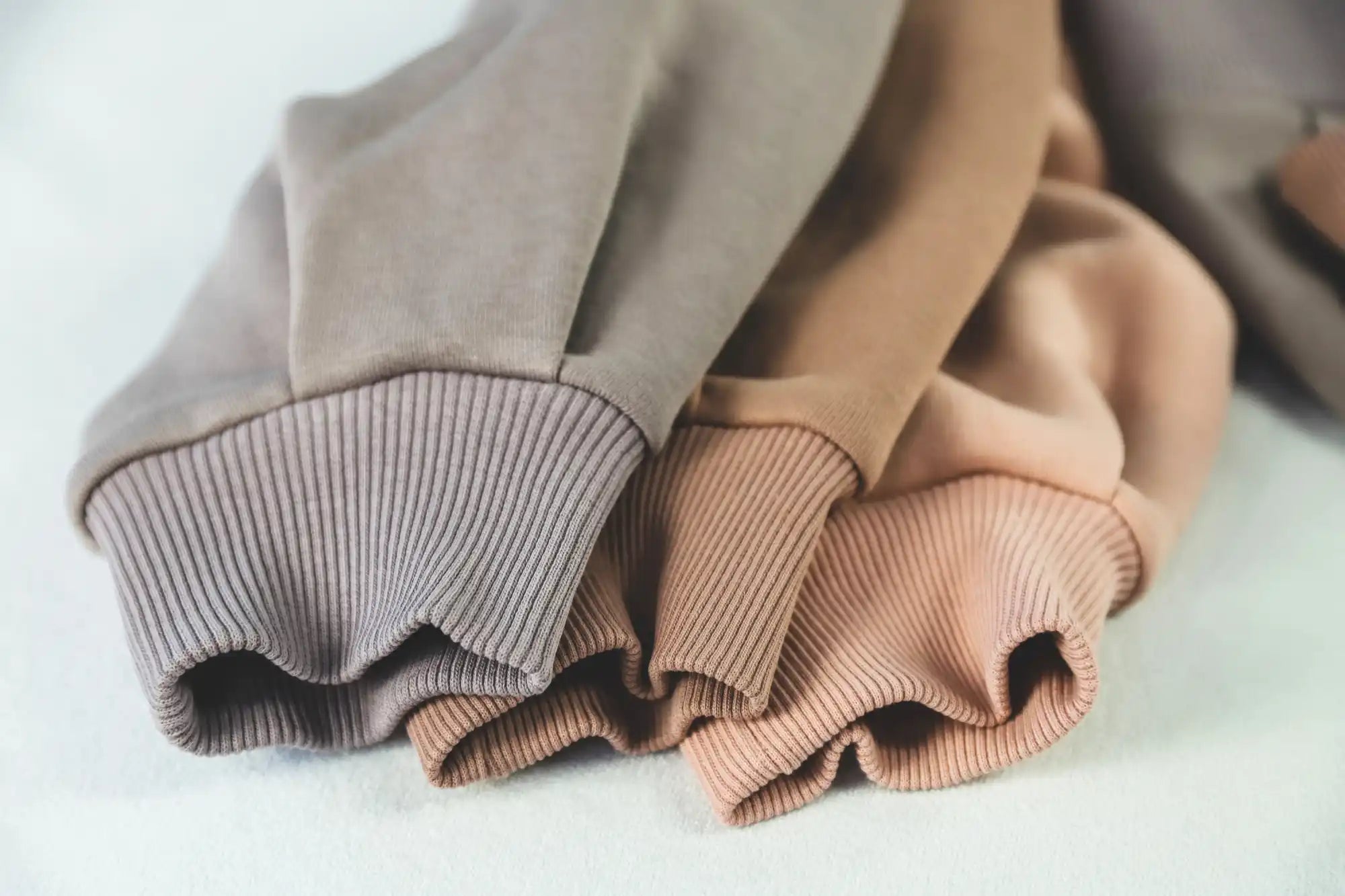
Materials & Fabrics for Clothing Production
Explore cotton, French terry, jersey, fleece, and sustainable blends used in premium apparel manufacturing.
Explore Premium Apparel Fabrics Guide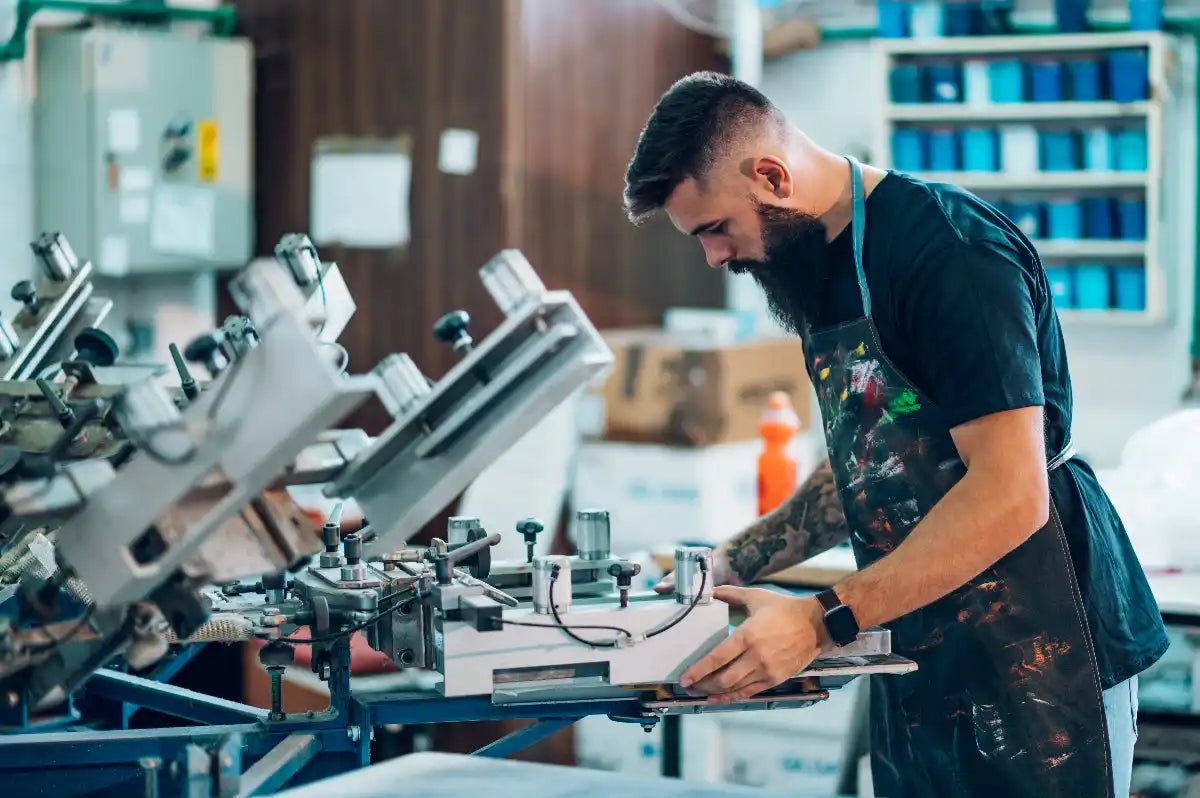
Printing Techniques for Apparel Production
Screen printing, embroidery, puff prints, and digital methods for custom clothing manufacturing.
Explore Custom Apparel Printing Techniques
Dyeing Techniques in Clothing Manufacturing
Garment dye, pigment, acid wash, and stone wash finishes that create unique apparel designs.
Compare Apparel Finishing Techniques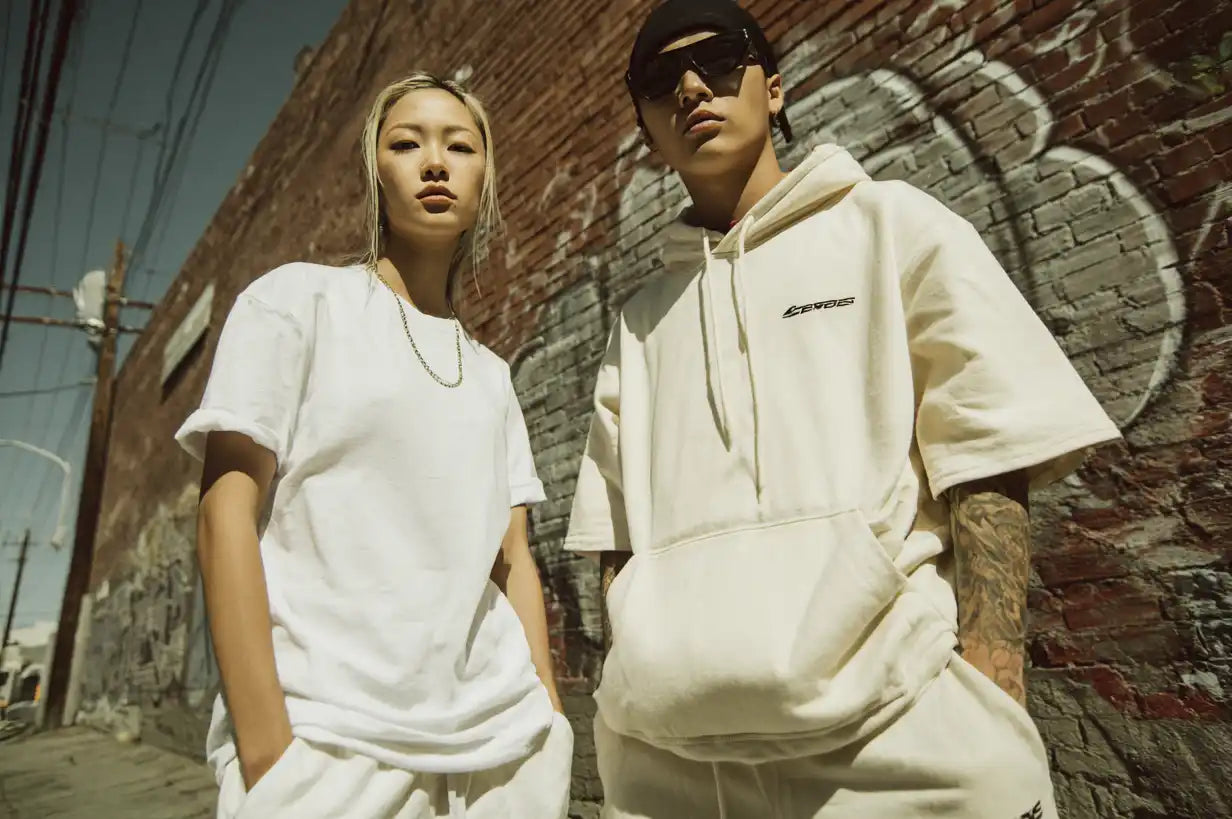
Popular Clothing Items for Custom Apparel
Hoodies, joggers, t-shirts, leggings, and biker shorts — essentials for every apparel collection.
Explore Popular Custom Clothing Items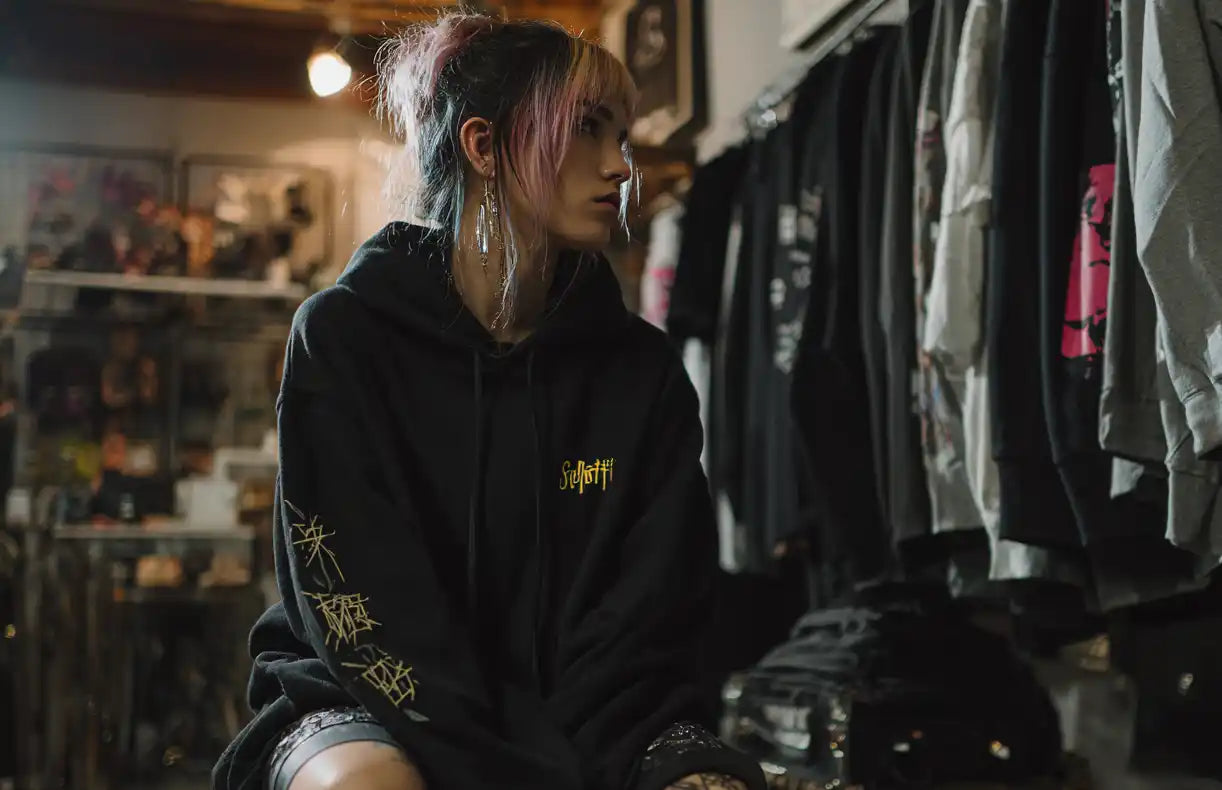
Trends & Designs in Modern Apparel
Oversized fits, streetwear influences, and activewear styles driving custom clothing production.
Explore Trends & Designs for Apparel Development
Sustainable & Ethical Clothing Production
OEKO-TEX® certified fabrics, organic cotton, and ethical apparel manufacturing in Portugal.
Understand Sustainable & Ethical Clothing Production
Essentials for Custom Clothing Production
Custom labels, packaging, and trims that elevate your apparel brand in production.
Explore Essentials for Custom Clothing Production
Resources for Custom Clothing Production
Startup guides, logistics support, and scaling strategies for apparel brands and wholesale clients.
Explore Resources for Custom Clothing Production
Clothing Manufacturing Glossary
Explore a complete glossary of clothing and garment manufacturing terms
The Complete Clothing Manufacturing Glossary
The Best Clothing Manufacturers
Explore global clothing manufacturers by country
Explore The Best Clothing Manufacturers
The Latest Clothing Industry Updates in 2025
Discover the latest news about important topics in the clothing industry in 2025,
Stay On Top Of Clothing Industry Updates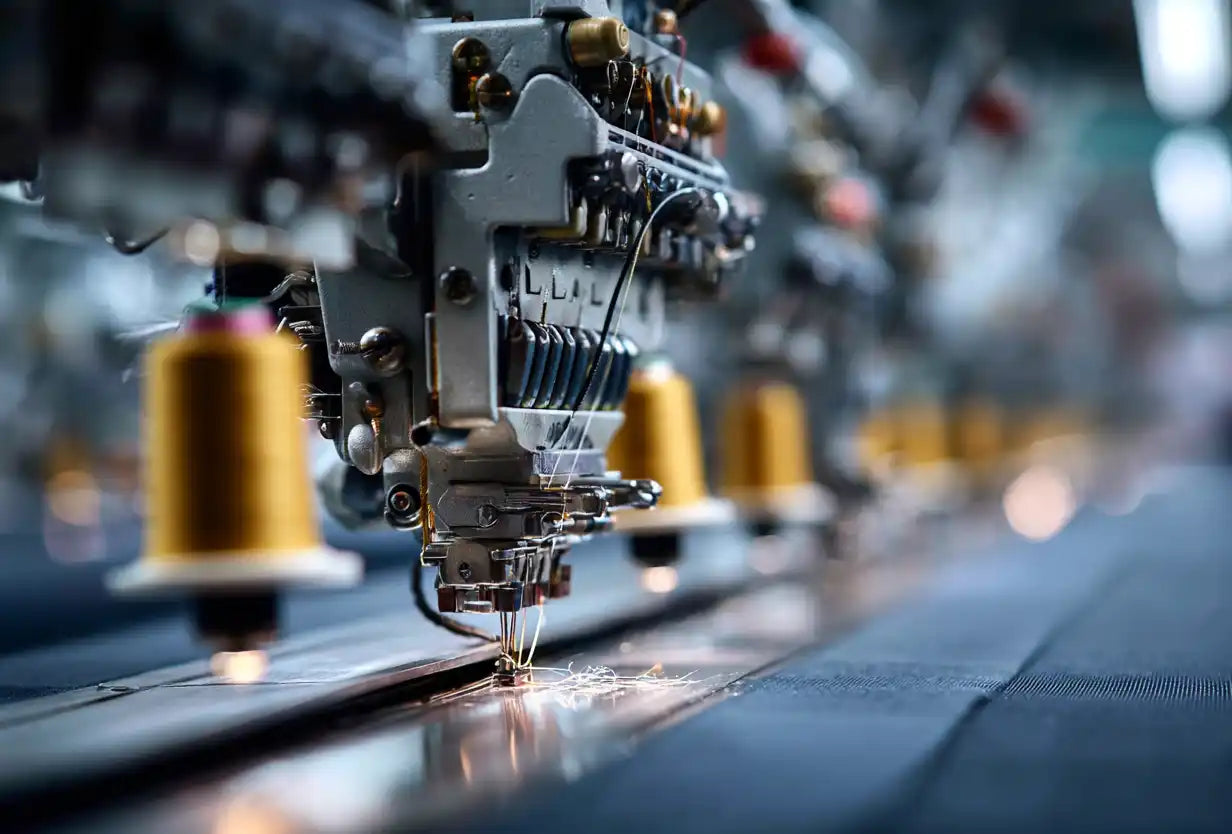
Worldwide Best Manufacturers of Clothes in 2026
Top clothing manufacturers worldwide organized by product type
Find The Worldwide Best Manufacturers of Clothes