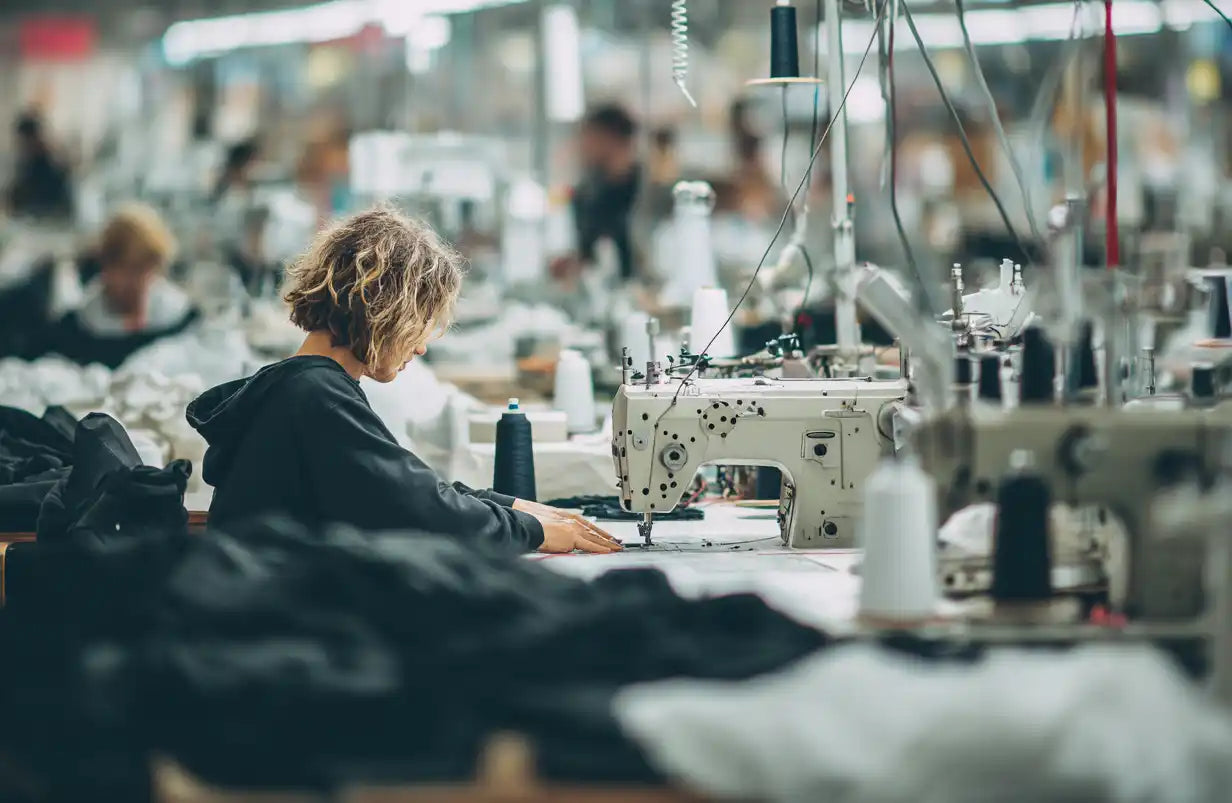
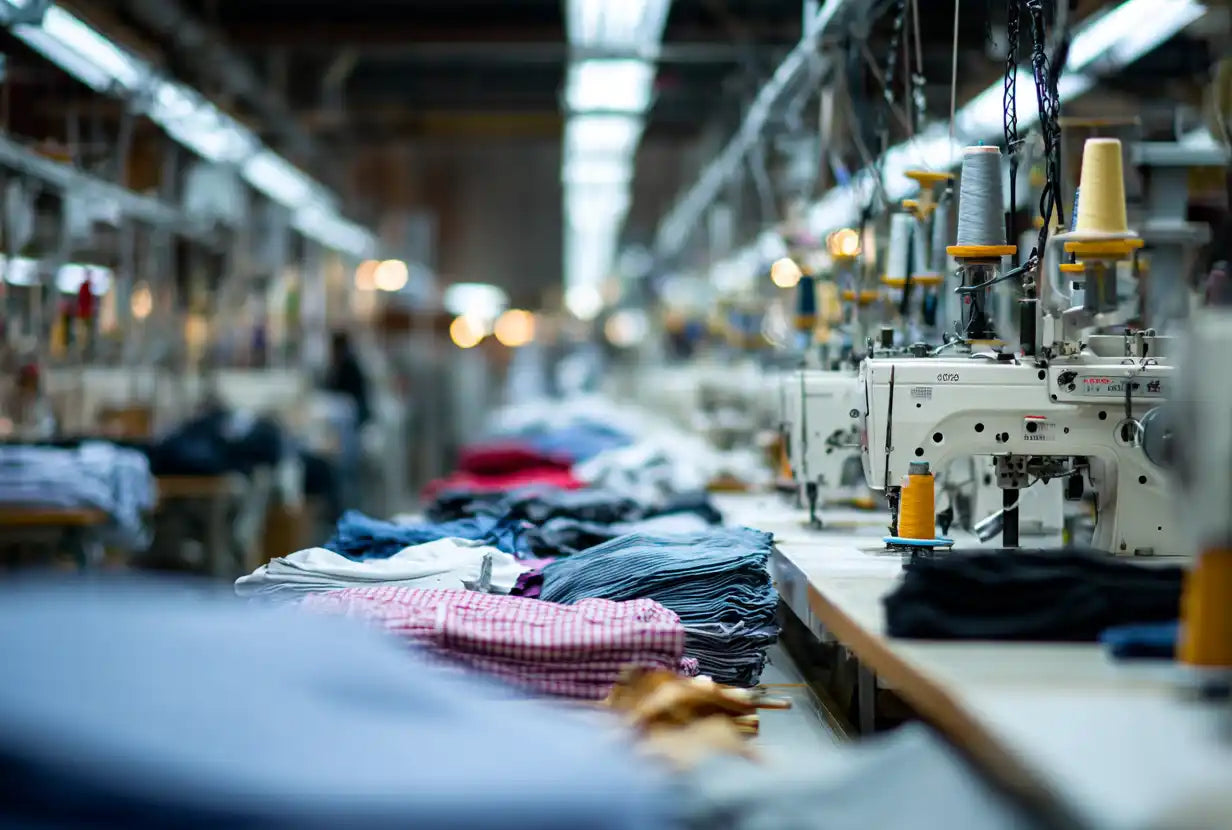
Circular fashion is redefining how apparel is made, worn, and recovered — and Portugal is leading the transformation. Through textile recycling, closed-loop manufacturing, and certified ethical production, Portugal’s apparel industry demonstrates how sustainability can coexist with craftsmanship and innovation.
In this guide, discover how Portuguese manufacturers are implementing circular fashion principles, the certifications and materials involved, and how your brand can join the movement responsibly.
What Circular Fashion Means in 2025
Circular fashion is a closed-loop system where apparel is designed, produced, and recycled continuously, minimizing waste and virgin material use. Unlike the traditional “take–make–dispose” model, circularity ensures every stage — from design to end-of-life — is optimized for resource recovery.
Globally, the apparel industry generates more than 90 million tonnes of textile waste each year. In Europe alone, the average person discards 11 kg of textiles annually. Portugal’s response: an industry-wide shift toward circular manufacturing and textile recycling.
- Design for longevity: timeless, durable garments
- Reuse and repair: keeping products in use longer
- Recycling and regeneration: turning waste back into raw materials
- Traceability and transparency: verified ethical sourcing
Why Portugal Leads in Sustainable Apparel Manufacturing
Portugal’s textile sector employs more than 126,000 professionals and contributes over €8 billion annually to the economy. Unlike mass-production hubs, Portuguese factories focus on small-batch, high-quality manufacturing that integrates circular processes.
Key Advantages
- Short supply chains: European proximity reduces emissions and lead times.
- Certified materials: widespread adoption of GRS, OEKO-TEX®, and GOTS standards.
- Renewable energy usage: growing solar and hydro integration in factories.
- Ethical labor standards: transparent, EU-compliant working conditions.
Clusters in Porto, Braga, and Guimarães specialize in recycled fabrics, sportswear, and technical knits. Many producers partner with research centers like CITEVE to test new circular textile technologies.
Related: Sustainability & Ethics in Custom Clothing Production
How Recycling Programs Work in Portugal
Pre-Consumer Recycling
Portuguese manufacturers collect cutting scraps and off-cuts from production, mechanically recycle them into new yarns, and reintroduce them into the production line. This approach reduces virgin material demand by up to 30 %.
Post-Consumer Textile Recovery
Consumers return worn garments through take-back initiatives. Collected textiles are sorted by fiber type and condition — reusable items are resold, while recyclable fibers are processed into new fabrics.
Closed-Loop Systems
Advanced recycling projects such as Rfiveproject® by Lurdes Sampaio S.A. collect both pre- and post-consumer waste, regenerate fibers locally, and manufacture entirely in Portugal. The project is GRS-certified and monitored through life-cycle assessment (LCA).
| Recycling Type | Description | Example |
|---|---|---|
| Pre-consumer | Fabric waste and off-cuts recycled into yarn | Knitting mills in Braga |
| Post-consumer | Used garments collected and reprocessed | Local take-back schemes |
| Closed-loop | Fibre-to-fibre regeneration within Portugal | Rfiveproject® |
Certifications Ensuring True Circularity
| Certification | Purpose | Authority |
|---|---|---|
| GRS (Global Recycled Standard) | Verifies recycled content, environmental & social compliance | Textile Exchange |
| OEKO-TEX® Standard 100 | Ensures textiles are free from harmful substances | OEKO-TEX® Association |
| GOTS | Certifies organic fibers and ethical production | Global Organic Textile Standard |
| ISO 14001 | Sets environmental management requirements | International Organization for Standardization |
Materials Used in Circular Manufacturing
- Recycled cotton from cutting waste or used garments
- Recycled polyester (rPET) from bottles or textile waste
- Seaqual™ yarns made from marine plastic collected off the Iberian coast
- Recycled wool blends regenerated in northern Portugal
- TENCEL™ and Lyocell biodegradable fibers combined with recycled inputs
Policy Framework Driving Circular Fashion
The EU Strategy for Sustainable and Circular Textiles (2023–2030) mandates that all textile products placed on the EU market be recyclable and responsibly produced by 2030. Portugal’s National Action Plan for Circular Economy in Textiles aligns with this, encouraging recycling innovation and extended producer responsibility (EPR).
Industry groups such as Smart Waste Portugal and CITEVE are central to these efforts, connecting manufacturers, research labs, and policymakers.
Roadmap for Brands Implementing Circular Apparel in Portugal
- Define goals: Set recycled content and carbon-reduction targets.
- Choose certified partners: Verify GRS, OEKO-TEX, or GOTS status.
- Design for recyclability: Favor mono-fibers and detachable components.
- Source traceable fabrics: Partner with Portuguese mills offering recycled cotton and rPET.
- Implement take-back systems: Integrate customer return or reuse programs.
- Measure and report: Track CO₂ saved, waste diverted, and recycling rate per collection.
For more insights, visit Clothing Manufacturers Portugal – Complete 2025 Guide.
Advantages and Challenges
Benefits
- Reduced carbon footprint and compliance with EU sustainability law
- High transparency with certified circular supply chains
- Faster delivery times for EU markets
- Access to expert craftsmanship in activewear and athleisure
Challenges
- Higher initial costs of recycled materials
- Limited global recycling infrastructure
- Consumer education needed for take-back participation
FAQs
What makes GRS certification important?
The Global Recycled Standard confirms that materials contain verified recycled content and that manufacturing meets strict environmental and social criteria. It’s the most trusted proof of authentic circular production.
Can smaller brands work with Portuguese circular manufacturers?
Yes. Many factories in Braga and Porto offer low-MOQ programs for sustainable capsule collections, ideal for emerging labels testing circular apparel concepts.
Are recycled fabrics as durable as virgin ones?
Yes. Recycled fibres produced in Portugal undergo rigorous quality control and performance testing, achieving equal or greater durability.
Why Circular Fashion in Portugal Matters
Circular fashion is no longer a niche concept — it’s the foundation of Europe’s sustainable apparel future. Portugal’s expertise, certifications, and ethical framework make it a strategic partner for brands aiming to lead responsibly in 2025 and beyond.
If your brand plans to develop certified, circular apparel collections, connect with our production team to explore fabric options and recycling programs in Portugal: Request Form.