
Cohesive Brand Essentials for Custom Clothing Production
What are apparel brand essentials? Brand essentials are the physical branding components—labels, tags, and packaging—that visually unify a garment line. When executed consistently, these elements turn basic garments into recognizable products across retail, wholesale, and ecommerce channels.
A cohesive brand identity is built long before a customer tries on a garment. For apparel brands producing custom made hoodies and custom t shirts, consistency in trims, tags, and packaging ensures every product communicates the same visual language.
This guide explains how aligning fonts, colors, materials, and logo usage across brand essentials creates a professional, scalable clothing line.
Why Cohesive Brand Identity Matters in Apparel Production
Visual consistency builds trust and recognition. When hang tags, labels, and packaging share the same design system, products appear intentional rather than assembled.
From a production standpoint, consistency also reduces errors, speeds approvals, and prevents costly reprints during bulk manufacturing.
- Faster factory approvals
- Lower trim replacement costs
- Stronger retail presentation
- Clear brand recall across collections
Neck Labels as the Foundation of Brand Identity
Neck labels are the first brand element customers see when wearing a garment. A consistent font, logo size, and color placement across every style reinforces recognition.
How It Works
Neck labels are produced as trims and applied during garment finishing. Artwork is converted into factory-ready files and approved before production. Most woven label runs require a minimum order of 500–1,000 units, which encourages standardization across styles.
| Label Type | Best Use | Visual Consistency |
|---|---|---|
| Woven | Premium garments | Excellent |
| Printed | Lightweight tees | Good |
| Heat transfer | Performance wear | Very good |
Comparison: Woven labels maintain brand clarity longer than printed labels, especially after repeated washes.
Care Labels: Compliance Without Visual Disruption
Care labels are legally required but should still follow the brand’s design system. Font family, spacing, and icon usage should align with neck labels to avoid visual inconsistency.
How It Works
Care labels are produced as woven or satin trims and sewn into garments. Factories require final content approval before bulk. Minimums typically range from 1,000 units per layout, encouraging brands to standardize label formats.
Reference standards include: FTC Textile Act (USA) and OEKO-TEX® Standard 100.
Comparison: Standardized care labels reduce compliance risk compared to custom-per-style labeling.
Hang Tags That Reinforce Visual Language
Hang tags connect branding to storytelling. When color palettes, typography, and materials match the garment’s labels, the brand experience feels intentional.
How It Works
Hang tags are printed separately and attached during final QC. Card stock, finish, and ink colors must match brand guidelines. MOQs usually begin at 500–1,000 pieces per design.
Comparison: Hang tags communicate brand story more effectively than plain pricing tags.
Packaging as the Final Brand Touchpoint
Packaging is the last visual element customers see. Box color, poly bag transparency, and insert design should match the same brand system used on labels and tags.
How It Works
Packaging components are supplied to the factory and assembled during packing. Incorrect specifications are a common cause of shipment delays. Standardized packaging reduces packing errors and costs.
| Packaging Type | Brand Impact | Cost |
|---|---|---|
| Custom boxes | High | High |
| Printed poly bags | Medium | Low |
| Story inserts | High | Medium |
Comparison: Story inserts enhance brand perception more than plain poly bag packaging.
Applying Custom Embroidery on Sweatshirts and Custom Made Hoodies
Embroidery adds tactile branding while maintaining consistency across collections when stitch density and placement are standardized.
How It Works
Artwork is digitized into stitch files and embroidered before finishing. Most factories require 300–500 pieces per design. Testing ensures logos remain consistent across fabric weights.
Professional Printing Methods to Customize a Hoodie or Custom T-Shirts
Printing allows scalable branding when color values and placement are standardized across SKUs.
How It Works
Artwork is separated and printed using screen or digital methods. Minimums vary by method, but consistent color codes prevent variation between runs.
Common Mistakes to Avoid
- Using different logo sizes across labels and tags
- Changing fonts between collections
- Sending trims late to factories
- Over-customizing packaging for wholesale
- Compliance gaps, such as missing RN numbers on care labels
FAQs About Certification & Standards
Do labels need to be certified?
Certifications are not mandatory but add credibility. OEKO-TEX® is commonly used for trims and labels to verify safety.
Are care labels required on custom made hoodies?
Yes. All custom made hoodies sold in the US and EU require fiber content and origin information.
Do packaging materials require certification?
Eco-focused brands often use FSC-certified paper to support sustainability claims.
FAQs About Sourcing & Production
When should brand essentials be finalized?
Before bulk production. Late changes cause delays and reprints.
Can factories source trims?
Yes, but it reduces brand control and consistency.
Do custom made hoodies require higher MOQs for trims?
Yes, heavier garments often require higher minimums for embroidery and woven labels.
FAQs About Materials & Care
Do printed labels fade?
Over time they can, which is why premium brands use woven labels for consistency.
Does embroidery work on all fabrics?
Lightweight fabrics require lower stitch density to prevent distortion.
Does packaging affect shipping costs?
Yes, oversized boxes increase dimensional weight charges.
If your brand plans to scale collections using consistent labels, tags, and packaging, reach out via the request form to discuss production alignment and availability.
Written by the Head of Production at AthleisureBasics with 10+ years of garment sourcing and manufacturing experience.
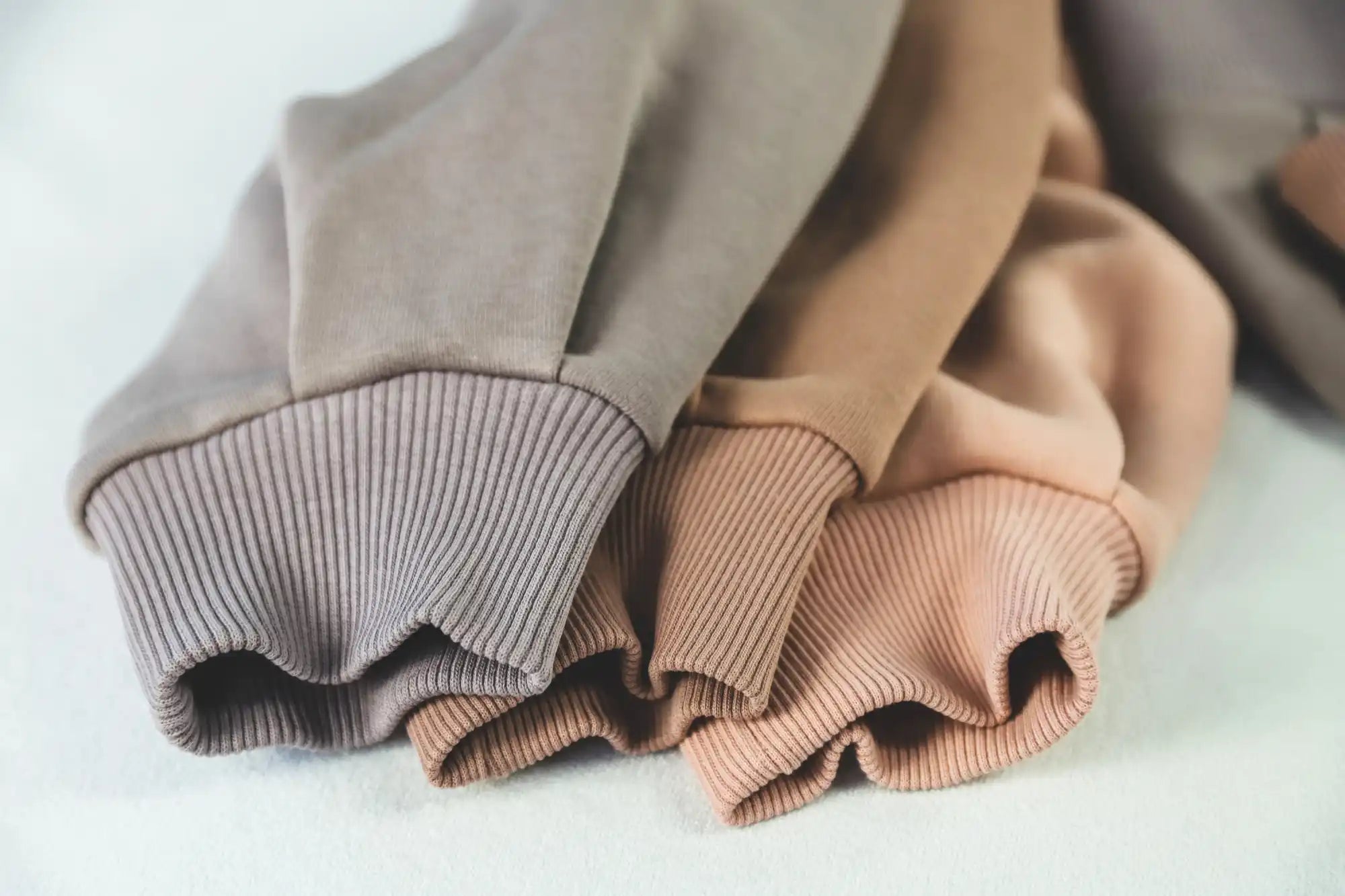
Materials & Fabrics for Clothing Production
Explore cotton, French terry, jersey, fleece, and sustainable blends used in premium apparel manufacturing.
Explore Premium Apparel Fabrics Guide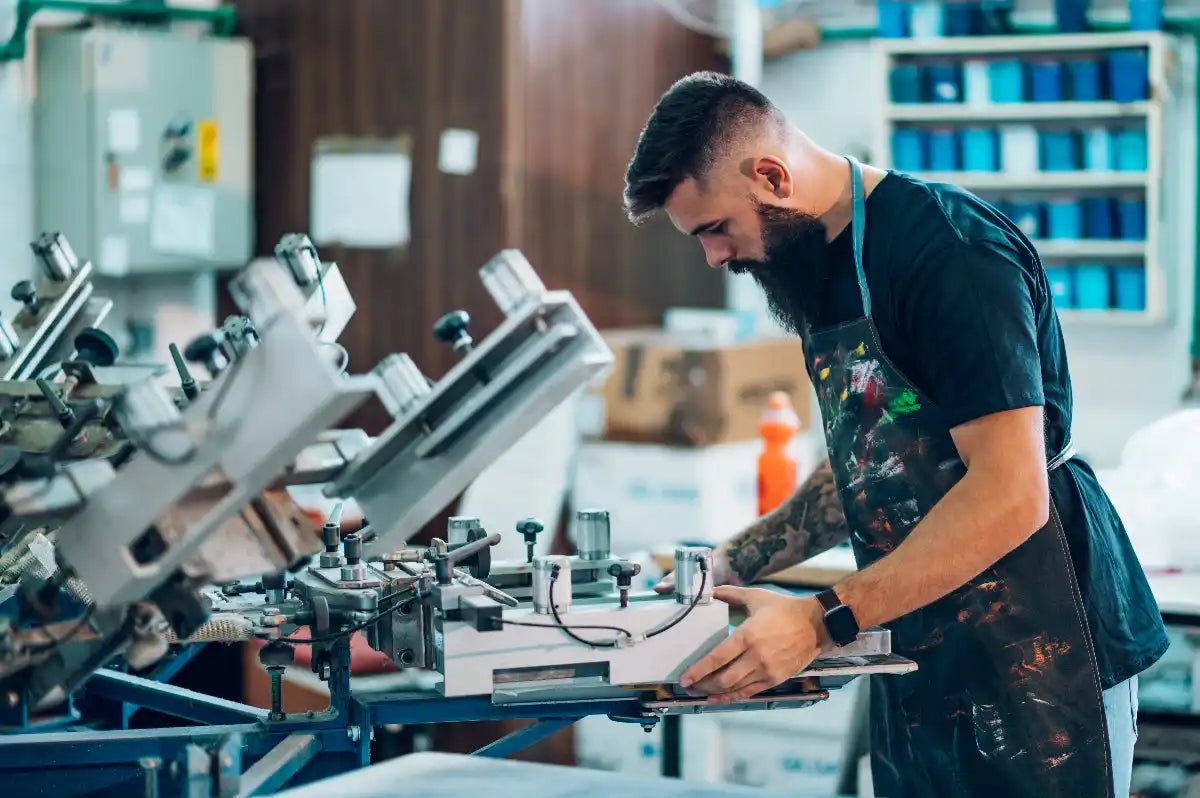
Printing Techniques for Apparel Production
Screen printing, embroidery, puff prints, and digital methods for custom clothing manufacturing.
Explore Custom Apparel Printing Techniques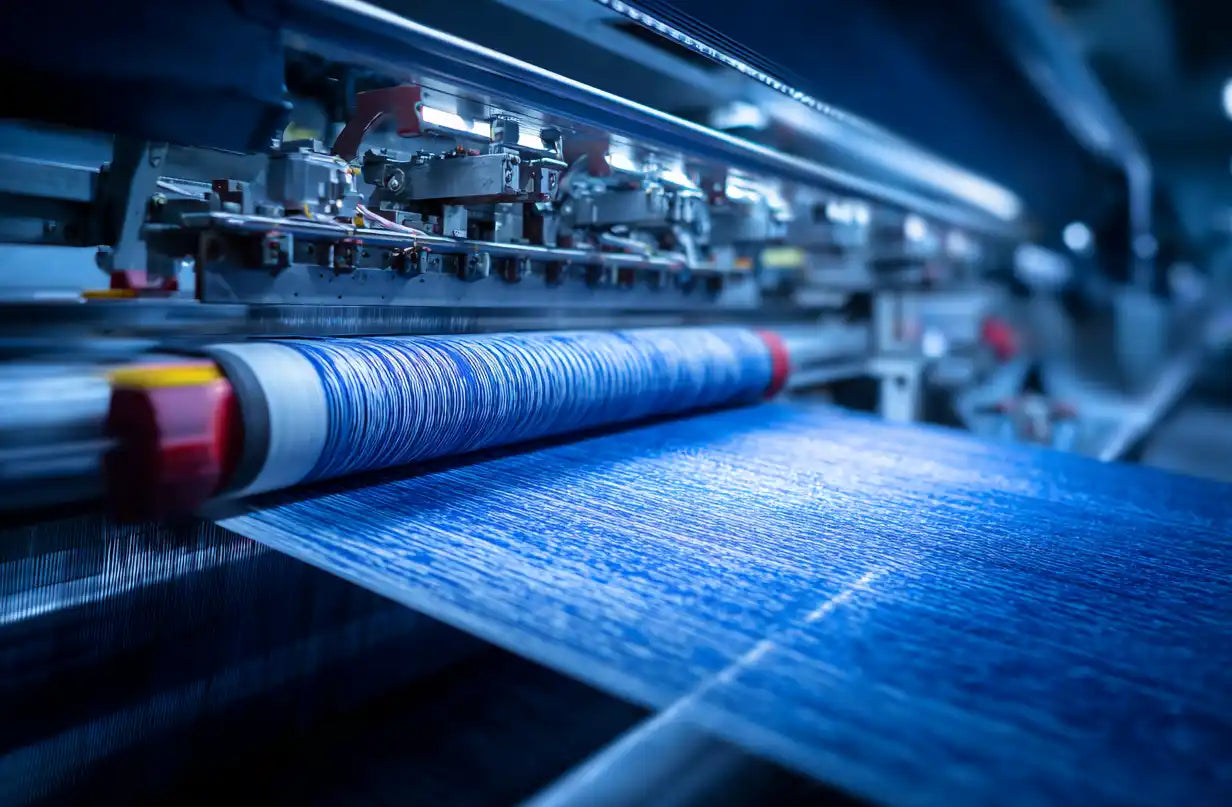
Dyeing Techniques in Clothing Manufacturing
Garment dye, pigment, acid wash, and stone wash finishes that create unique apparel designs.
Compare Apparel Finishing Techniques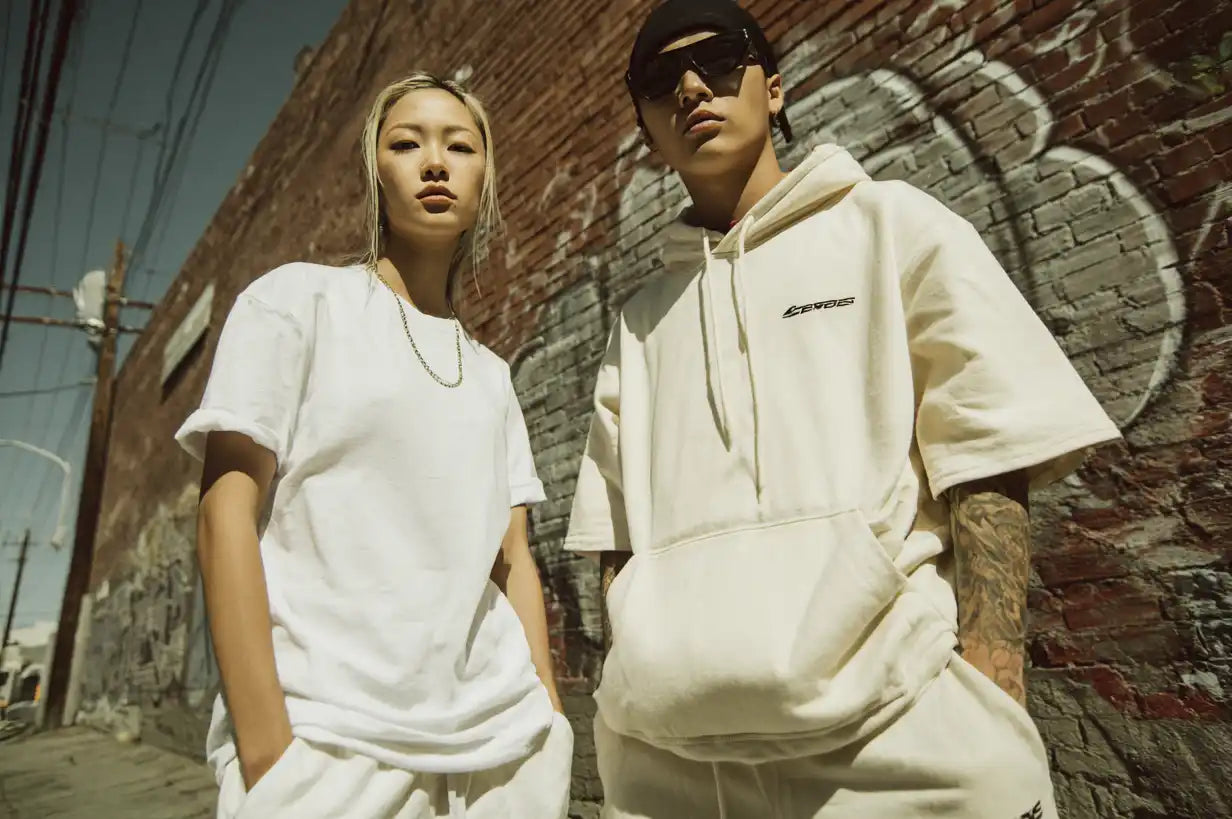
Popular Clothing Items for Custom Apparel
Hoodies, joggers, t-shirts, leggings, and biker shorts — essentials for every apparel collection.
Explore Popular Custom Clothing Items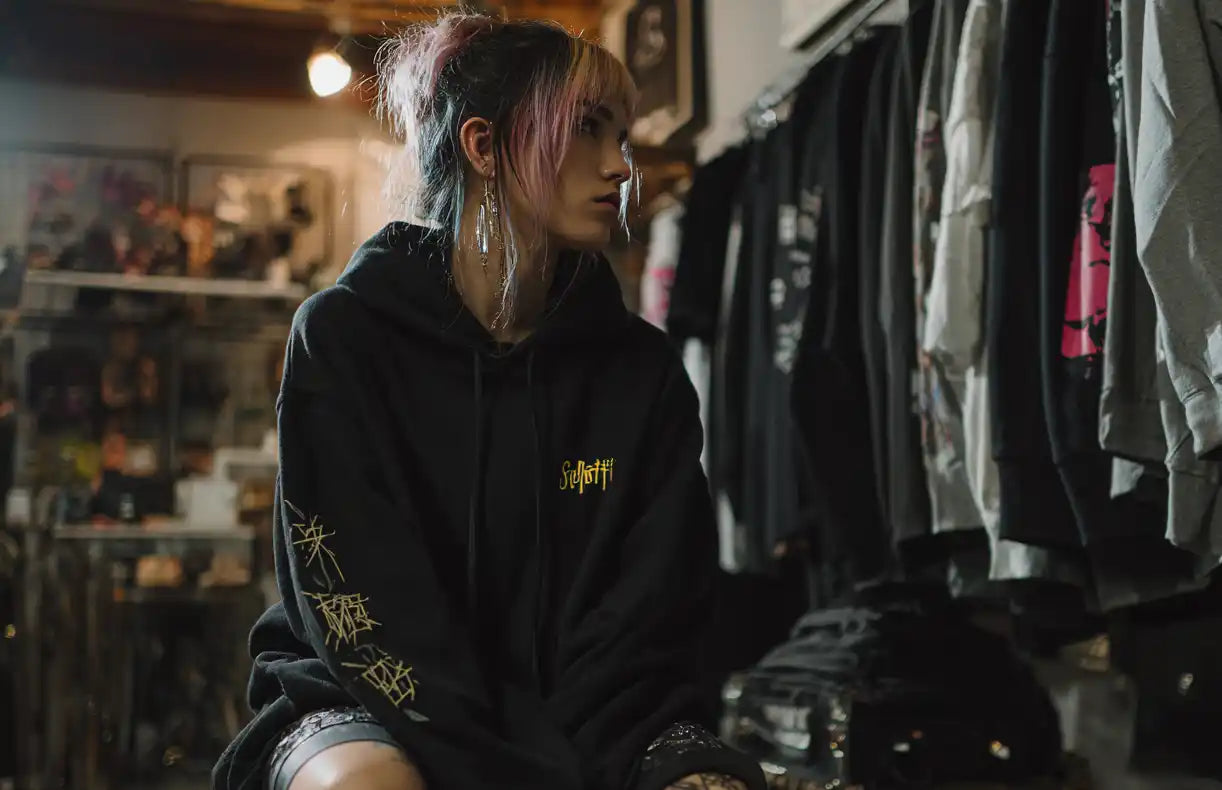
Trends & Designs in Modern Apparel
Oversized fits, streetwear influences, and activewear styles driving custom clothing production.
Explore Trends & Designs for Apparel Development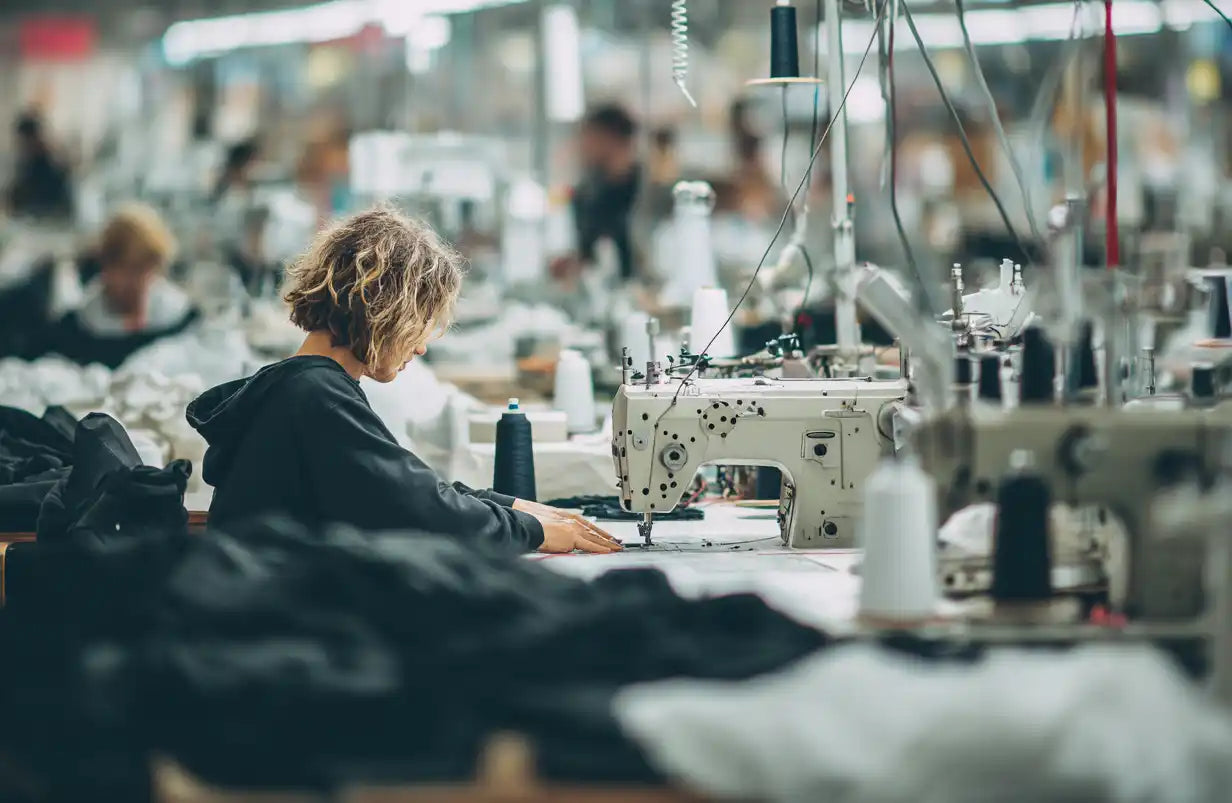
Sustainable & Ethical Clothing Production
OEKO-TEX® certified fabrics, organic cotton, and ethical apparel manufacturing in Portugal.
Understand Sustainable & Ethical Clothing Production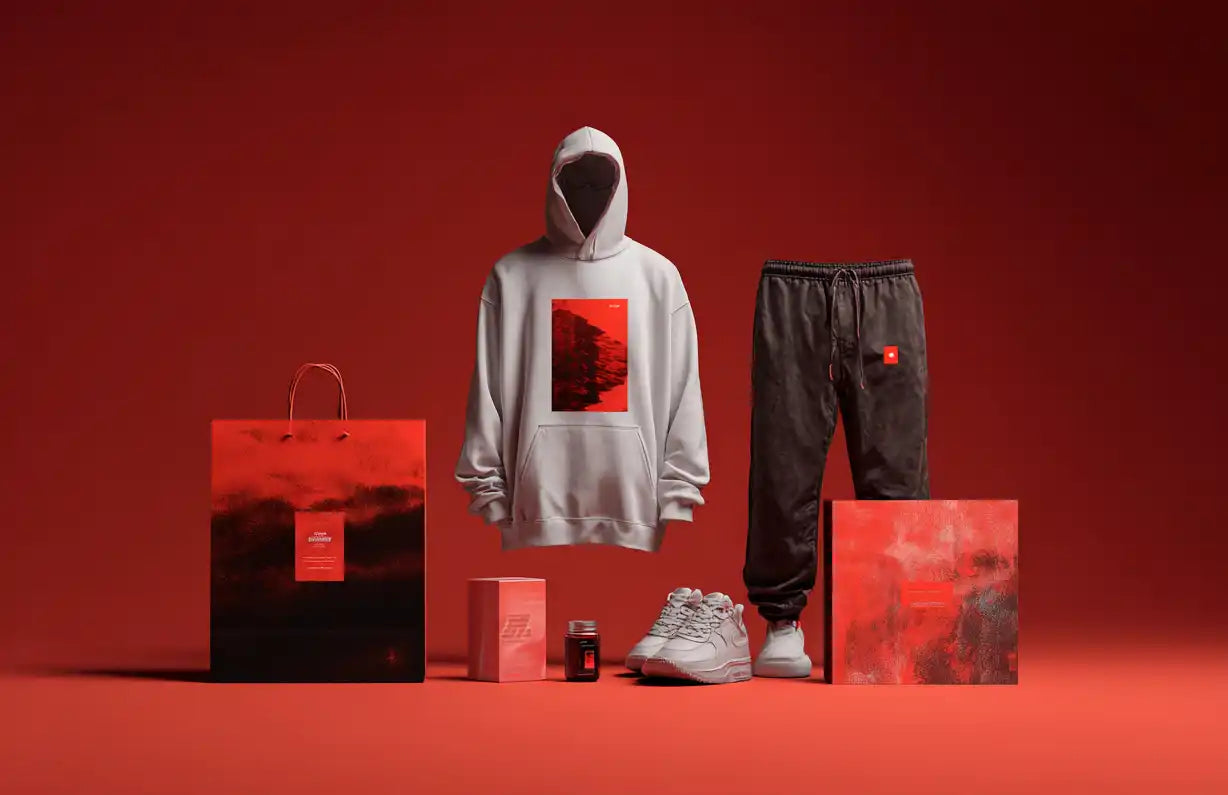
Essentials for Custom Clothing Production
Custom labels, packaging, and trims that elevate your apparel brand in production.
Explore Essentials for Custom Clothing Production
Resources for Custom Clothing Production
Startup guides, logistics support, and scaling strategies for apparel brands and wholesale clients.
Explore Resources for Custom Clothing Production
Clothing Manufacturing Glossary
Explore a complete glossary of clothing and garment manufacturing terms
The Complete Clothing Manufacturing Glossary
The Best Clothing Manufacturers
Explore global clothing manufacturers by country
Explore The Best Clothing Manufacturers
The Latest Clothing Industry Updates in 2025
Discover the latest news about important topics in the clothing industry in 2025,
Stay On Top Of Clothing Industry Updates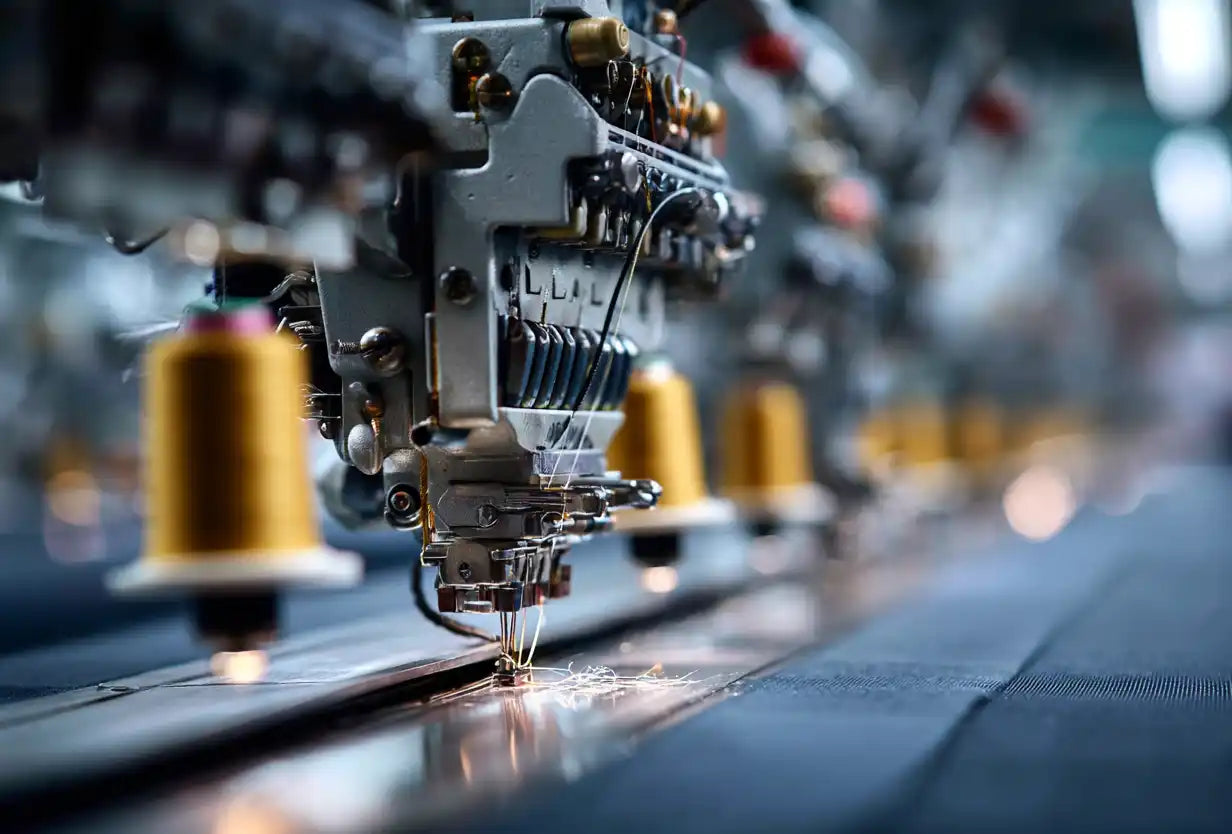
Worldwide Best Manufacturers of Clothes in 2026
Top clothing manufacturers worldwide organized by product type
Find The Worldwide Best Manufacturers of Clothes