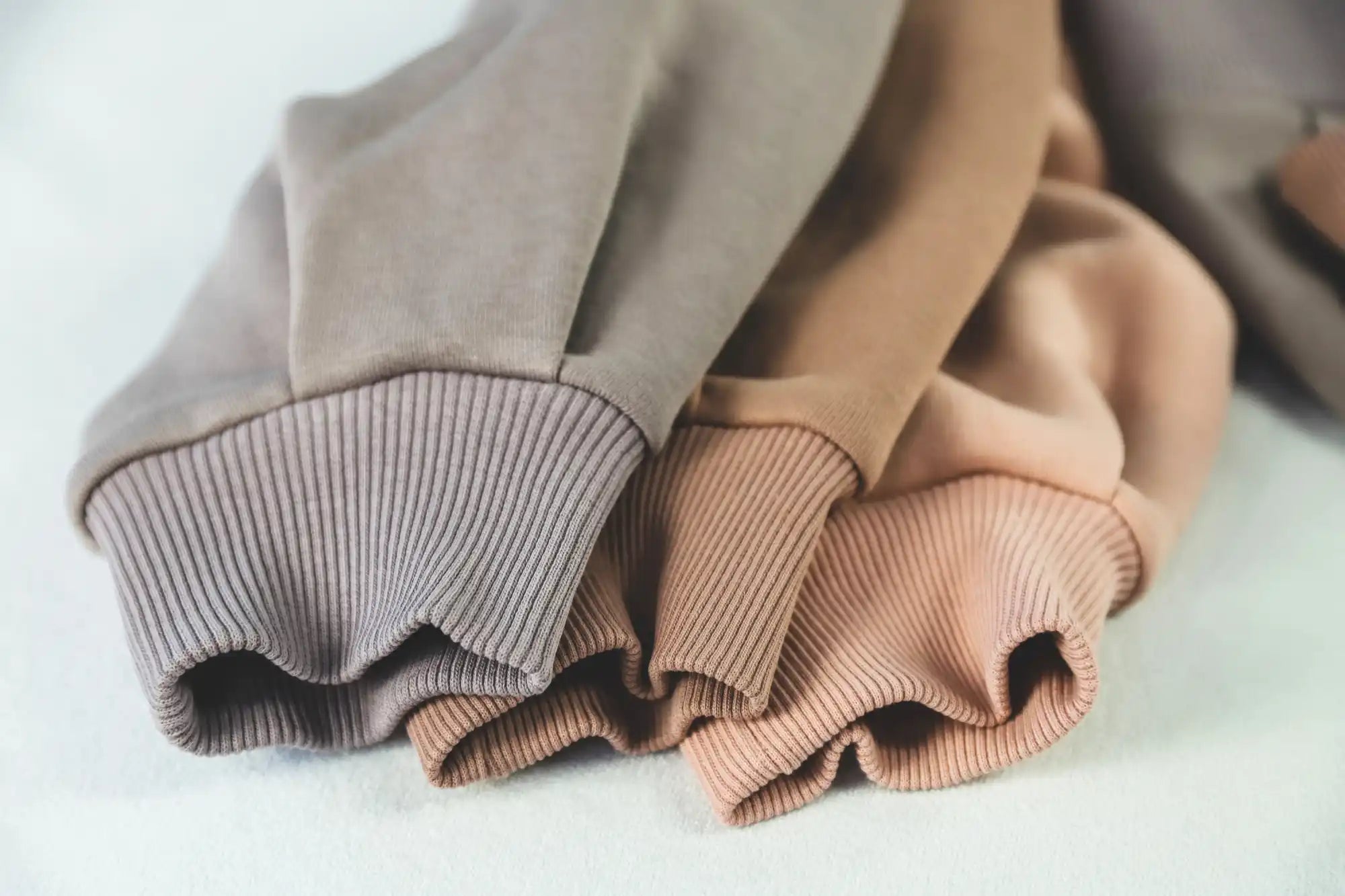
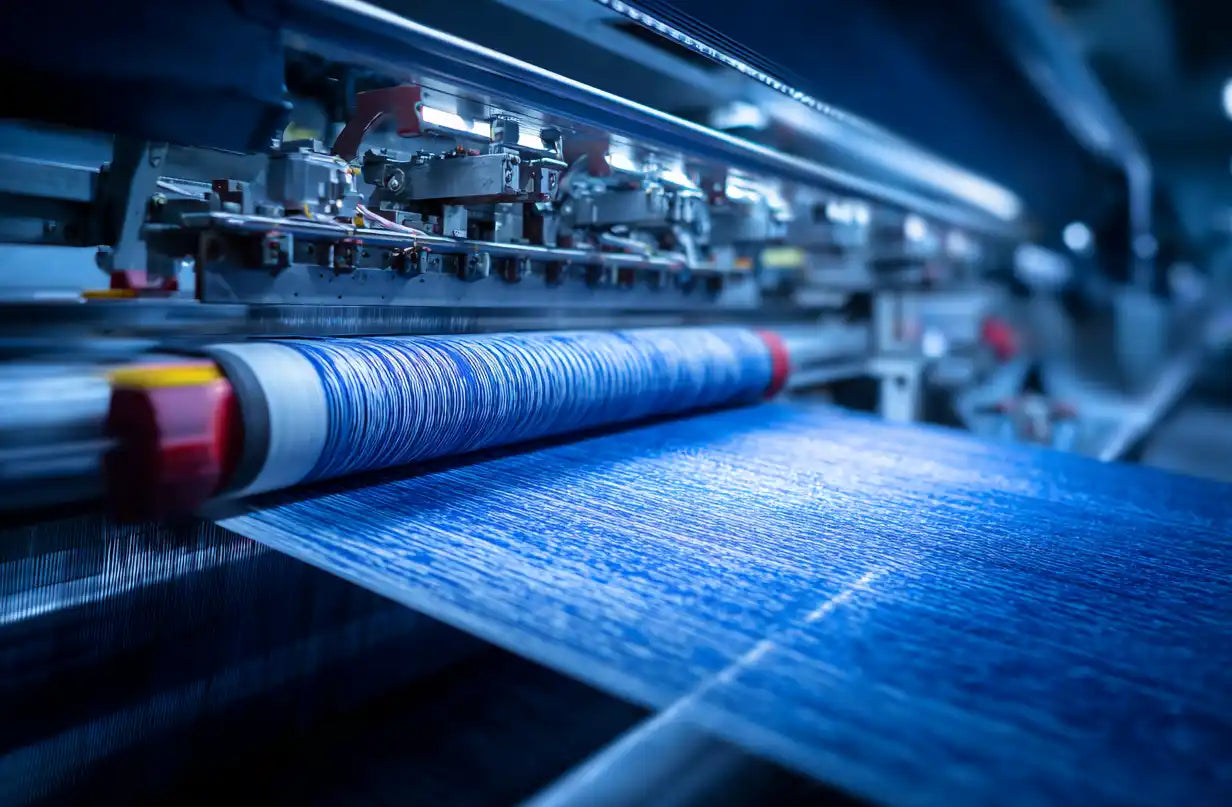
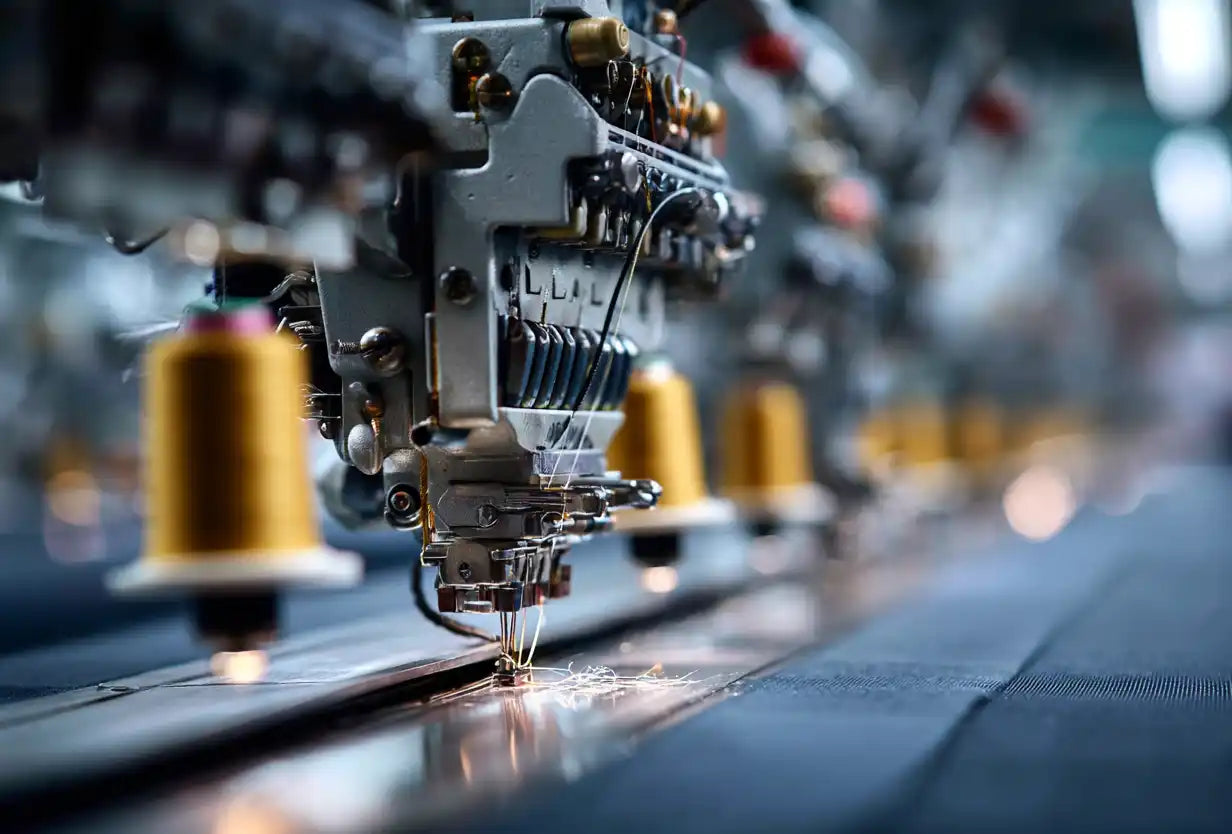
Cold dyeing is reshaping sustainable apparel production. Using room-temperature dye baths instead of high-heat systems, it minimizes energy and water consumption while achieving unique tonal depth. This process perfectly fits modern streetwear, athleisure, and premium basics committed to sustainability.
Why Cold Dyeing Matters in 2025
With global fashion moving toward verified low-impact manufacturing, cold dyeing provides measurable reductions in energy use—up to 80% less heat and 40% less water than traditional dyeing. It helps brands align with internationally recognized programs like GOTS and the ZDHC Foundation, meeting stricter chemical and emissions standards.
What Is Cold Dyeing?
Cold dyeing, or low-temperature dyeing, colors fabric at approximately 20–30°C. Specialized cold-reactive or pigment dyes bond to the fiber through mild chemical fixation instead of heat, creating natural gradients and soft, lived-in tones.
| Aspect | Traditional Dyeing | Cold Dyeing |
|---|---|---|
| Temperature | 80–95°C | 20–30°C |
| Energy Use | High | 60–80% lower |
| Water Consumption | High | 20–40% lower |
| Fiber Stress | Moderate–High | Minimal |
| Surface Look | Uniform | Washed / gradient |
How the Cold Dye Process Works
- Preparation: The garment or fabric is pre-washed to remove finishing agents.
- Dye Bath Creation: Eco-formulated dyes are mixed with biodegradable binders.
- Application: Immersion, tumbling, or spray application at room temperature.
- Fixation: Uses mild alkalis instead of heat to secure dye molecules.
- Finishing: Gentle rinse, softener, and air drying complete the process.
This slower, controlled reaction produces visual depth and tactile softness prized in high-end athleisure.
Environmental & Operational Benefits
- Energy efficiency: No heating stage dramatically reduces CO₂ emissions.
- Water savings: Fewer rinse cycles minimize freshwater use.
- Gentle on fibers: Ideal for organic cotton, hemp, and lyocell blends.
- Cleaner chemistry: Meets ZDHC MRSL Level 3 requirements.
Aesthetic & Brand Advantages
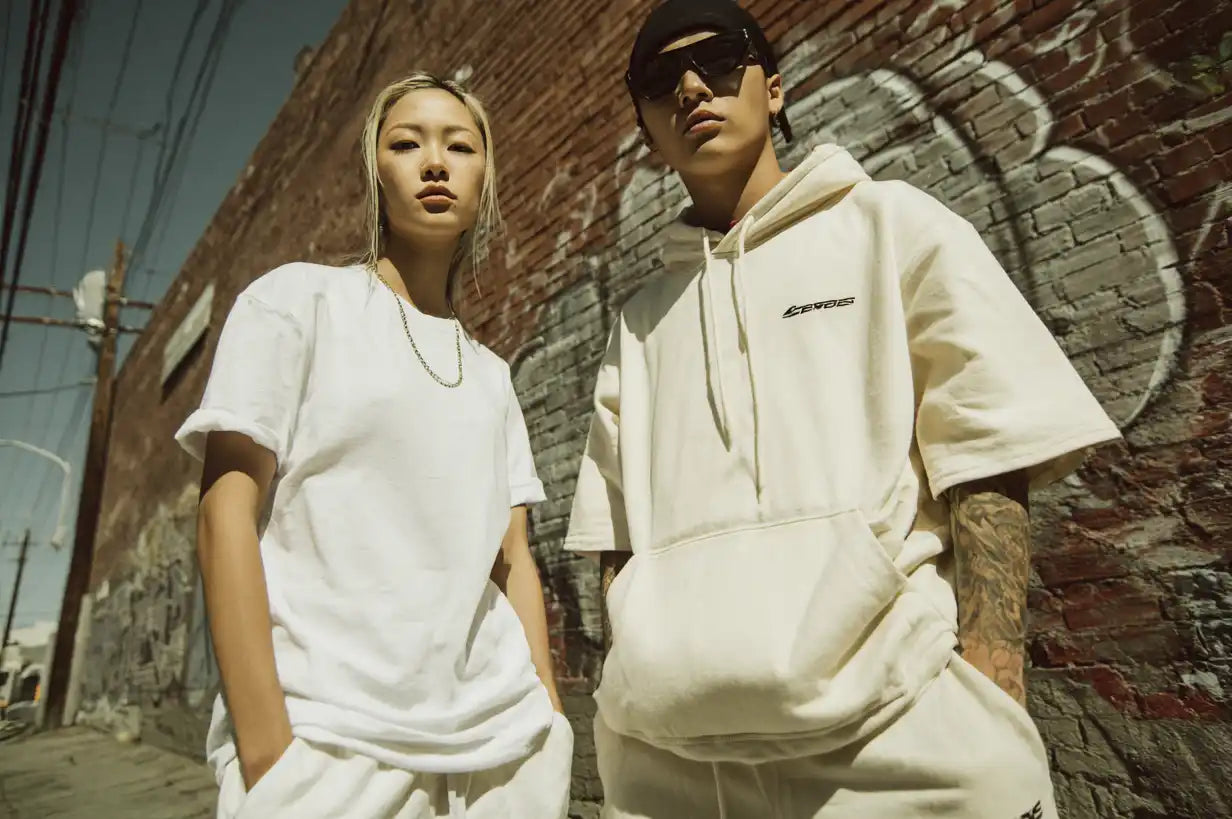
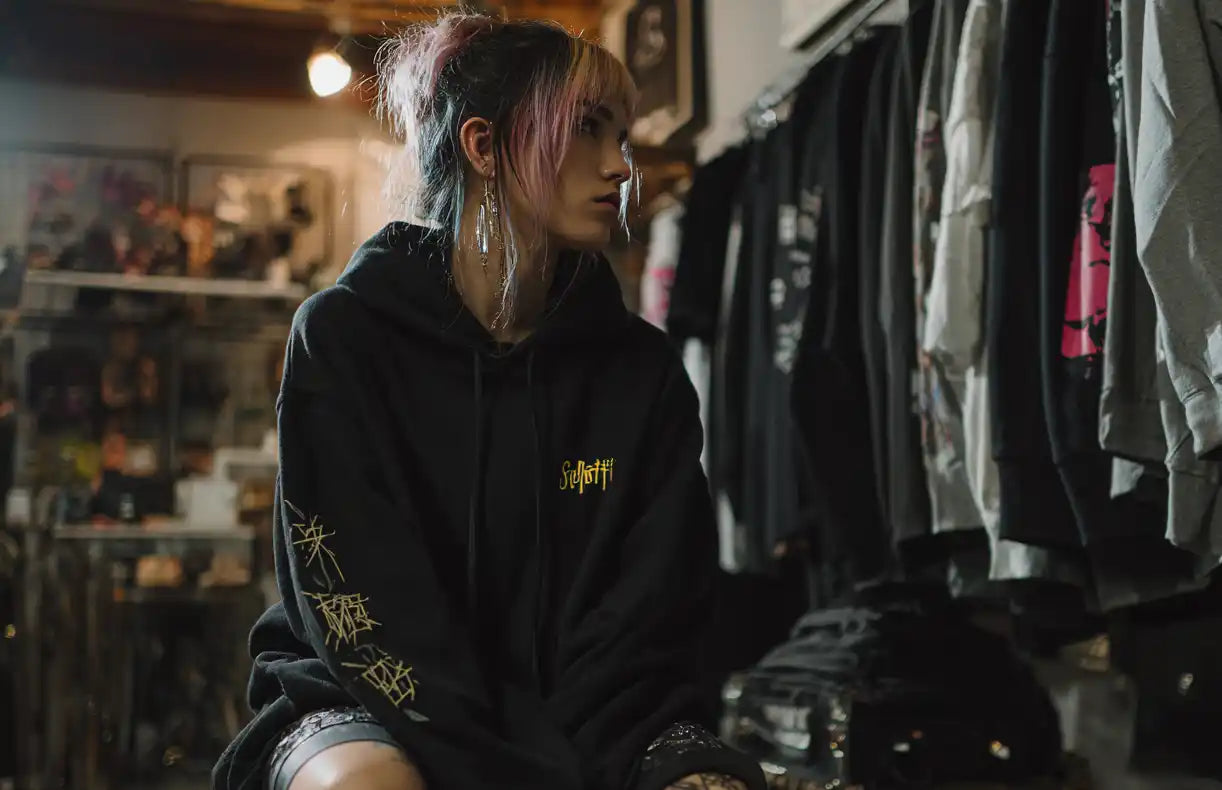
Beyond sustainability, cold dyeing delivers a premium aesthetic—soft gradients, muted tones, and a hand-crafted appearance. Perfect for capsule collections and washed looks popular in streetwear.
- Soft handfeel and color individuality
- Suited for low-MOQ production
- Compatible with overdye or enzyme finishes
See similar applications in:
Cold Dye vs. Other Dyeing Techniques
| Feature | Cold Dye | Garment Dye | Pigment Dye |
|---|---|---|---|
| Temperature | 20–30°C | 60–80°C | Variable |
| Color Depth | Surface gradient | Rich, uniform | Surface matte |
| Environmental Impact | Low | Moderate | Higher |
| Ideal Use | Washed hoodies, tees | Basics & streetwear | Artistic pieces |
Fabric Compatibility
| Fabric | Compatibility | Result |
|---|---|---|
| Organic Cotton | ★★★★★ | Soft vintage tone |
| Hemp | ★★★★☆ | Textured, rustic hue |
| Linen | ★★★★☆ | Natural irregularity |
| Lyocell / Tencel™ | ★★★★☆ | Clean gradient look |
| Poly Blends | ★★☆☆☆ | Subtle tint only |
Certifications and Standards
- GOTS: Verifies organic fibers and safe chemical use.
- OEKO-TEX® STANDARD 100: Tests finished garments for harmful substances.
- ZDHC MRSL: Limits hazardous chemicals across supply chains.
European Manufacturing Leadership
Factories in Portugal, Italy, and Turkey now specialize in certified cold-dye garment finishing, combining renewable energy with advanced water treatment. Learn more in:
Practical Considerations for Brands
- Test fabric behavior before full production.
- Expect natural tone variation as part of the appeal.
- Plan longer lead times for fixation.
- Highlight low-impact dyeing in hangtags or care labels.
To explore low-impact dye programs, contact our sourcing team through the Athleisure Basics Request Form.
FAQs: Certifications & Standards
Is cold dyeing eligible for organic certification?
Yes. When using GOTS-approved auxiliaries and proper wastewater control, cold-dyed garments qualify under GOTS processing criteria.
Can cold-dyed apparel meet OEKO-TEX® requirements?
Absolutely. The reduced chemical load and room-temperature fixation help garments meet STANDARD 100 safety parameters.
How does ZDHC compliance apply?
Factories following ZDHC MRSL Level 3 formulations demonstrate best-practice chemical management for cold dyeing lines.
FAQs: Sourcing & Production
Where is cold dyeing available commercially?
Portugal and Italy lead global cold-dye manufacturing, offering certified, small-batch capacity for fashion and athleisure labels.
Is cold dyeing suitable for limited runs?
Yes. It adapts well to low-MOQ capsule programs and design trials.
Can polyester blends be cold-dyed?
Yes, though specialized low-energy disperse dyes are needed, producing softer tonal results.
FAQs: Materials & Care
Which fabrics show the best effect?
Organic cotton, hemp, and lyocell blends yield rich gradient tones with a soft handfeel.
How should cold-dyed garments be cared for?
Wash at or below 30°C using mild detergent. Air dry and avoid bleach for color longevity.
Does color variation increase over time?
A gentle fade enhances the vintage character of cold-dyed pieces, adding uniqueness to every garment.
Conclusion
Cold dyeing blends innovation with responsibility. By reducing heat, water, and chemical intensity, it supports measurable sustainability while delivering the visual richness modern apparel demands. For sourcing teams seeking both performance and purpose, cold dyeing represents the future of eco-creative manufacturing.
Written by Ana Matos – Head of Sourcing at Athleisure Basics, with 12 years in European textile procurement and sustainable manufacturing.