
Color Consistency in Clothing Manufacturing
Updated November 2025 | Written by Dr. Anya Sharma – Head of Sourcing, Athleisure Basics
Color consistency defines how professional your collection appears on-rack and online. Two garments labeled “Jet Black” should never look different. In modern apparel manufacturing, achieving that precision depends on the dyeing technique. This guide explains why piece dyeing offers the highest uniformity, while garment dyeing, spray dye, and overdye deliver intentional variation for creative effect.
1. The Four Core Dyeing Methods
Piece Dyeing — Uniformity First
Piece dyeing colors the fabric roll before cutting or sewing. The entire batch is immersed in a controlled bath, ensuring identical dye penetration throughout. It’s the dominant method for example hoodies and performance fabrics where precision is key.
- Consistent color across widths and rolls
- Excellent repeatability across production runs
- Lower reject and re-dye rates
Garment Dyeing — Creative Flexibility
Garment dyeing adds color after sewing. It yields a soft hand-feel and vintage character, ideal for lifestyle or limited-run apparel. However, seams, zippers, and trims can absorb dye differently, creating subtle shade shifts.
- Fast reaction to trend colors
- Distinct wash-down aesthetic
- Moderate consistency — ΔE ≤ 3.0 is typical
Spray Dye — Localized Effects
Spray dyeing applies pigments via nozzle for gradients or ombré effects. It’s popular for statement pieces but not for volume production.
Overdye — Depth and Texture
Overdyeing adds a second dye layer to deepen color or achieve vintage tones. It’s valued for uniqueness rather than identical shade. Variations are considered design features.
| Dyeing Method | Color Consistency | Best Use Case | Main Trade-off |
|---|---|---|---|
| Piece Dyeing | ★★★★★ Highest | Core lines, uniforms | Less visual texture |
| Garment Dyeing | ★★★☆☆ Medium | Seasonal capsules | Variation per garment |
| Spray Dye | ★★☆☆☆ Low | Gradient/ombre effects | Low reproducibility |
| Overdye | ★☆☆☆☆ Intentional variation | Vintage look | Not for uniform color |
2. Technical Foundations of Color Consistency
Fabric Preparation
Uniform scouring, bleaching, and tension control create even dye uptake. Any difference in surface chemistry can cause center-to-selvage shading.
Dye Bath Uniformity
Modern continuous machines maintain liquor ratios between 1:8 and 1:12 with precise temperature ramps. Advanced controllers achieve >95% dye exhaustion — meaning nearly all dye binds to the fibre.
Spectrophotometric QC
Quality teams measure color difference (ΔE). For high-end piece dyeing, target ΔE ≤ 1.5 between lots. Portable spectrophotometers allow inline verification.
Finishing and Post-Dye Processes
Softening, enzyme washes, and tumble cycles can alter tone. Standardizing finishing steps prevents seasonal inconsistencies.
3. Sustainability and Certifications
Eco-Impact Comparison
| Process | Average Water Use (L/kg fabric) | Lead Time (days) |
|---|---|---|
| Piece Dyeing | 60 – 90 | 10 – 14 |
| Garment Dyeing | 40 – 60 | 6 – 9 |
Piece dyeing uses slightly more water but produces fewer rejects. Garment dyeing consumes less but may require reprocessing for shade correction.
Global Standards That Ensure Consistency
Why Certifications Matter
Certified dyeing enforces clean chemistry and predictable dye absorption curves, reducing variance and improving fastness.
4. Practical Guidelines for Brand Developers
- Define Target Shade: Use Pantone® or Lab values and specify acceptable ΔE tolerance.
- Select Method: Piece dyeing for uniform basics; garment, spray, or overdye for creativity.
- Request Supplier Data: QC logs, dye exhaustion stats, spectrophotometer charts.
- Approve Lab Dips: Validate full-width fabric under D65 light.
- Build a Color Library: Maintain seasonal shade cards.
Explore more dyeing fundamentals in our Dyeing Techniques Guide.
5. 2025 Industry Snapshot
- +28% adoption of real-time digital/reactive dye systems.
- Re-dye waste reduction ~20% in monitored facilities.
- 62% of brands rely on piece dyeing for consistent bulk color.
6. FAQs — Certification & Standards
Which certifications verify safe, consistent dyeing?
OEKO-TEX® and GOTS confirm clean chemistry and predictable dye behavior.
How is color fastness tested?
ISO 105 tests (light, wash) and AATCC 61 simulate real wear environments.
Do eco dyes affect shade consistency?
No — modern low-impact reactive dyes are highly stable when pH and temperature are controlled.
7. FAQs — Sourcing & Production
When should color approval occur?
After lab dips and before cutting fabric. Garment-dyed items require approval of a finished sample.
Can I combine multiple dyeing methods?
Yes — many brands use piece dye for core styles and garment/spray dye for trend capsules.
What documentation should suppliers provide?
Spectrophotometer charts, QC reports, dye certifications, and fastness test results.
8. FAQs — Materials & Care
Which fibers dye most uniformly?
Combed cotton, TENCEL™, and cotton-modal blends show excellent uniformity.
Why do garment-dyed items fade?
The finishing process introduces soft surface abrasion, creating a vintage patina.
How should consumers care for dyed garments?
Cold wash, mild detergent, inside-out, low-heat dry.
9. Conclusion
Piece dyeing remains the foundation of color consistency in apparel manufacturing. Garment, spray, and overdye methods add individuality but naturally introduce variation. By pairing certified chemistry, exacting QC, and disciplined supplier communication, brands can achieve both creativity and precision.
For guidance on certified dyeing or new collection development, contact our team through the AthleisureBasics Quote Request Form.
Author: Dr. Anya Sharma – Textile Engineer, Athleisure Basics Portugal
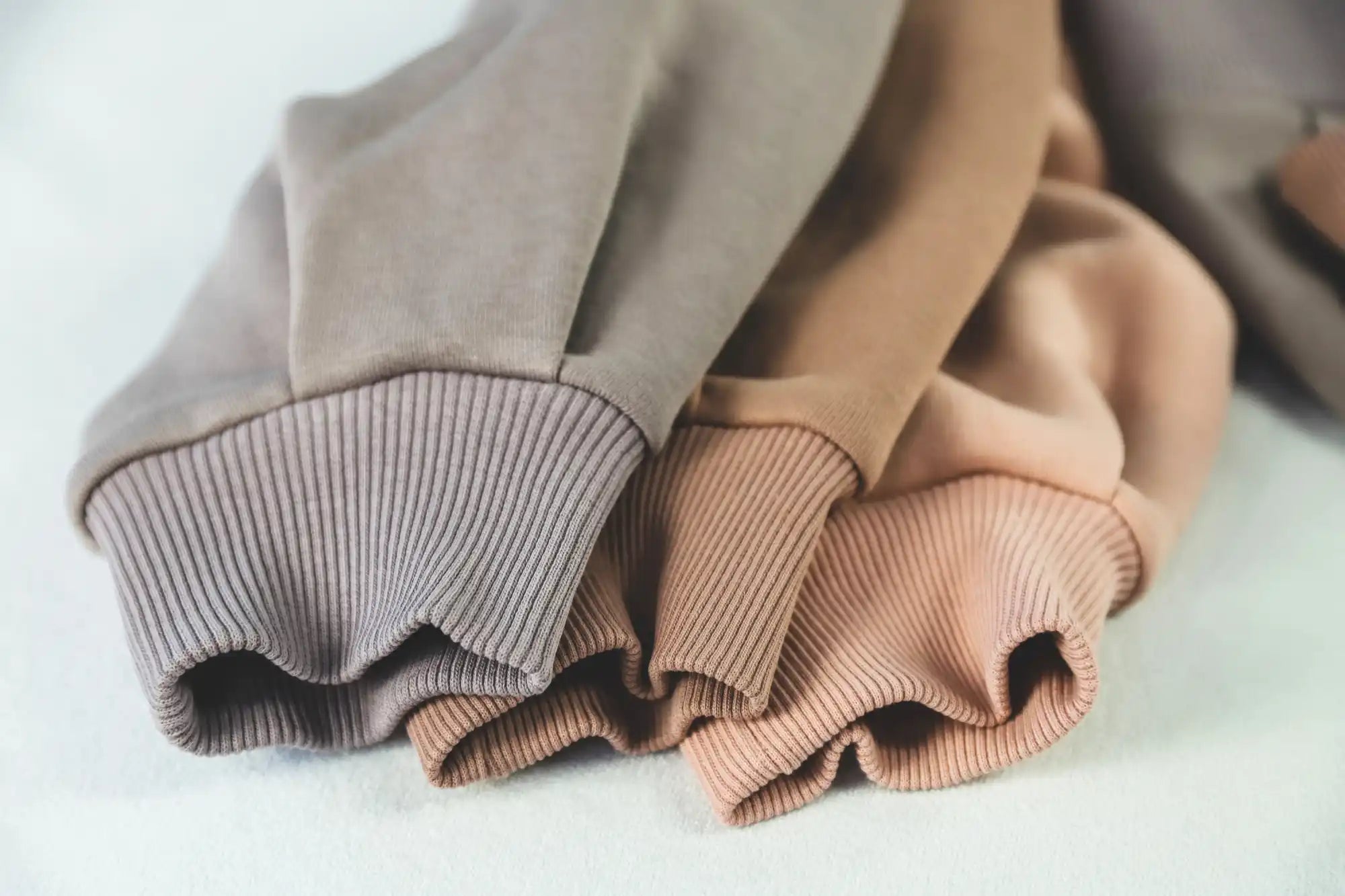
Materials & Fabrics for Clothing Production
Explore cotton, French terry, jersey, fleece, and sustainable blends used in premium apparel manufacturing.
Explore Premium Apparel Fabrics Guide
Printing Techniques for Apparel Production
Screen printing, embroidery, puff prints, and digital methods for custom clothing manufacturing.
Explore Custom Apparel Printing Techniques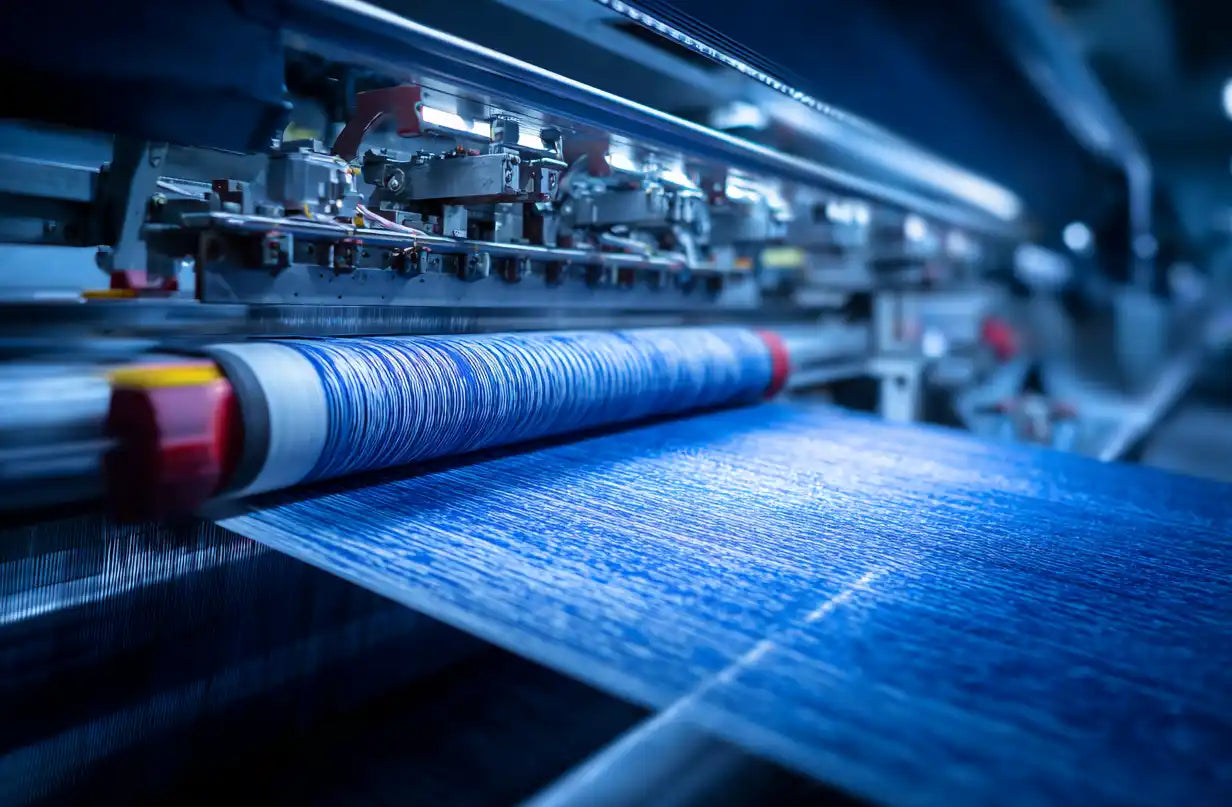
Dyeing Techniques in Clothing Manufacturing
Garment dye, pigment, acid wash, and stone wash finishes that create unique apparel designs.
Compare Apparel Finishing Techniques
Popular Clothing Items for Custom Apparel
Hoodies, joggers, t-shirts, leggings, and biker shorts — essentials for every apparel collection.
Explore Popular Custom Clothing Items
Trends & Designs in Modern Apparel
Oversized fits, streetwear influences, and activewear styles driving custom clothing production.
Explore Trends & Designs for Apparel Development
Sustainable & Ethical Clothing Production
OEKO-TEX® certified fabrics, organic cotton, and ethical apparel manufacturing in Portugal.
Understand Sustainable & Ethical Clothing Production
Essentials for Custom Clothing Production
Custom labels, packaging, and trims that elevate your apparel brand in production.
Explore Essentials for Custom Clothing Production
Resources for Custom Clothing Production
Startup guides, logistics support, and scaling strategies for apparel brands and wholesale clients.
Explore Resources for Custom Clothing Production
Clothing Manufacturing Glossary
Explore a complete glossary of clothing and garment manufacturing terms
The Complete Clothing Manufacturing Glossary
The Best Clothing Manufacturers
Explore global clothing manufacturers by country
Explore The Best Clothing Manufacturers
The Latest Clothing Industry Updates in 2025
Discover the latest news about important topics in the clothing industry in 2025,
Stay On Top Of Clothing Industry Updates
Worldwide Best Manufacturers of Clothes in 2026
Top clothing manufacturers worldwide organized by product type
Find The Worldwide Best Manufacturers of Clothes