
Colorblocking in Custom Apparel Design for Modern Brands
Colorblocking is a structural apparel design technique that combines large, solid panels of contrasting or complementary colors within a single garment. Unlike surface decoration methods, colorblocking is integrated at the pattern-making and cutting stage, making it especially relevant for wholesale and private-label production.
In 2025, colorblocking continues to influence streetwear, athleisure, and lifestyle collections. Apparel brands producing custom made hoodies, custom t shirts, and sweatshirts use this technique to achieve visual impact while maintaining durability, consistency, and scalable manufacturing.
What Colorblocking Means in Apparel Production
In apparel manufacturing, colorblocking refers to assembling a garment from multiple pre-dyed fabric panels. Each panel is cut individually and joined through seams defined in the Tech Pack, ensuring accuracy during grading and size scaling.
Because color is built into the fabric itself, colorblocked garments maintain their appearance longer than printed alternatives. This makes the technique particularly suitable for premium collections and repeat wholesale programs.
Why Apparel Brands Use Colorblocking
- Creates strong visual identity without heavy graphics
- Maintains wash durability across the garment lifecycle
- Supports consistent grading and size scalability
- Pairs well with embroidery and minimal branding
Colorblocking in Hoodies and Sweatshirts
How It Works
Colorblocked hoodies are constructed by separating the body, sleeves, hood, or rib trims into individual pattern pieces. These components are specified precisely in the Tech Pack and cut from pre-dyed fabrics with matching GSM and shrinkage rates.
During assembly, manufacturers typically use flatlock stitching or reinforced overlock seams to ensure durability at panel junctions. This construction method maintains seam integrity even in heavyweight fleece and French terry fabrics.
Colorblocking is frequently applied to custom made hoodies intended for retail programs, teamwear, and private-label drops.
Explore hoodie development options through custom hoodie manufacturing.
Colorblocking vs Screen Printing
| Factor | Colorblocking | Screen Printing |
|---|---|---|
| Decoration Type | Structural (fabric panels) | Surface ink |
| Durability | Very high | Medium to high |
| MOQs | Higher due to custom cutting | Lower flexibility |
| Best Use | Wholesale & private label | Graphic-led designs |
Strategic Ways to Customize a Hoodie Using Colorblocking
Brands looking to customize a hoodie often use high-contrast sleeves, hood linings, or rib trims to highlight brand colors without additional prints. A contrasting hood interior can subtly reinforce identity while keeping the exterior minimal.
This approach allows designers to maintain clean silhouettes while still delivering differentiation, especially when paired with tonal embroidery on the chest or sleeve.
Colorblocking in Custom T-Shirts
How It Works
In custom t shirts, colorblocking is achieved through front-and-back panel splits, raglan sleeves, or side inserts. Pattern grading must be carefully managed to ensure symmetry across sizes and prevent twisting after washing.
Most manufacturers use combed cotton or cotton-blend jerseys to maintain softness while supporting seam stability at color transitions.
View production options for custom t-shirts.
Colorblocking vs DTG Printing
| Aspect | Colorblocking | DTG Printing |
|---|---|---|
| Production Method | Panel assembly | Ink applied to fabric |
| Scalability | High | Limited |
| Wash Performance | Consistent | Variable |
Colorblocking with Embroidery on Sweatshirts
How It Works
Custom embroidery on sweatshirts is typically applied after garment assembly. Designers intentionally place embroidery on a single color panel to maximize contrast and stitch clarity.
Because embroidery penetrates the fabric rather than sitting on the surface, it integrates cleanly with colorblocked construction without compromising seam strength.
Learn more about custom embroidery services.
Embroidery vs Heat Transfer
| Feature | Embroidery | Heat Transfer |
|---|---|---|
| Longevity | Very high | Medium |
| Premium Perception | High | Moderate |
Fabric Selection for Colorblocking
All fabric panels used in a colorblocked garment must share compatible physical properties. Differences in GSM, fiber composition, or dye process can lead to puckering and distortion.
- Combed cotton fleece
- French terry
- Cotton-poly blends
Certification and Compliance Considerations
Colorblocked garments must meet the same regulatory standards as single-color apparel. Fabrics should comply with OEKO-TEX® Standard 100 to ensure chemical safety.
For European distribution, manufacturers must also meet REACH compliance, covering dyes, finishes, and auxiliary chemicals.
Common Mistakes to Avoid
- Mismatched fabric weights across panels
- Ignoring shrinkage testing before bulk production
- Overly complex panel layouts increasing labor cost
- Poor embroidery placement near seams
- Ignoring color migration testing for high-contrast panels
FAQs About Certification & Standards
Are colorblocked garments eligible for OEKO-TEX® certification?
Yes. Each fabric panel must independently meet OEKO-TEX® Standard 100 requirements before assembly. Certification applies to materials, not finished garments.
Does colorblocking affect REACH compliance?
No, provided all dyes and finishes comply with REACH chemical restrictions. Compliance must cover every color used in the garment.
Are certifications required for every production run?
Certifications are typically issued per fabric batch. Brands should confirm documentation for each production cycle.
FAQs About Sourcing & Production
Is colorblocking more expensive than printing?
Colorblocking increases cutting and sewing complexity but often eliminates print setup costs. It becomes more cost-efficient at higher volumes.
What minimum order quantities are typical?
Colorblocking generally requires higher MOQs due to custom fabric cutting. It is best suited for wholesale or private-label programs.
Can colorblocking be combined with printing?
Yes, but designs should remain restrained. Overuse of decoration can reduce clarity and increase production risk.
FAQs About Materials & Care
Do colorblocked garments bleed during washing?
Properly dyed fabrics should not bleed when pre-tested. Migration testing is critical for high-contrast combinations.
Are care instructions different?
Care instructions follow the base fabric requirements. Colorblocking does not add special maintenance needs.
Does colorblocking affect garment lifespan?
When constructed correctly, lifespan is equal to or longer than printed garments due to the absence of surface inks.
If your brand plans to develop new collections using certified fabrics and scalable production methods, reach out to our team via the request form to discuss availability and production options.
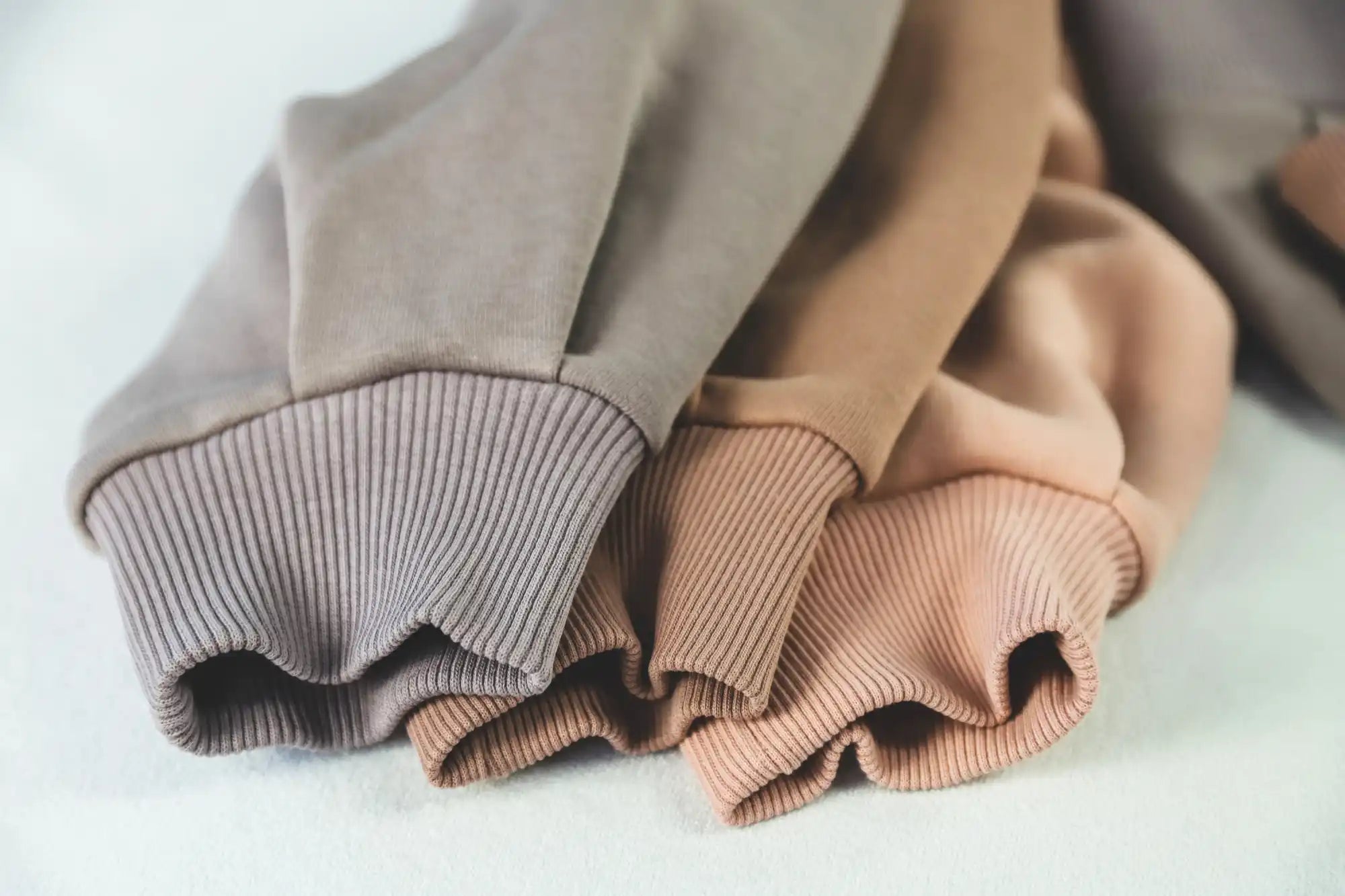
Materials & Fabrics for Clothing Production
Explore cotton, French terry, jersey, fleece, and sustainable blends used in premium apparel manufacturing.
Explore Premium Apparel Fabrics Guide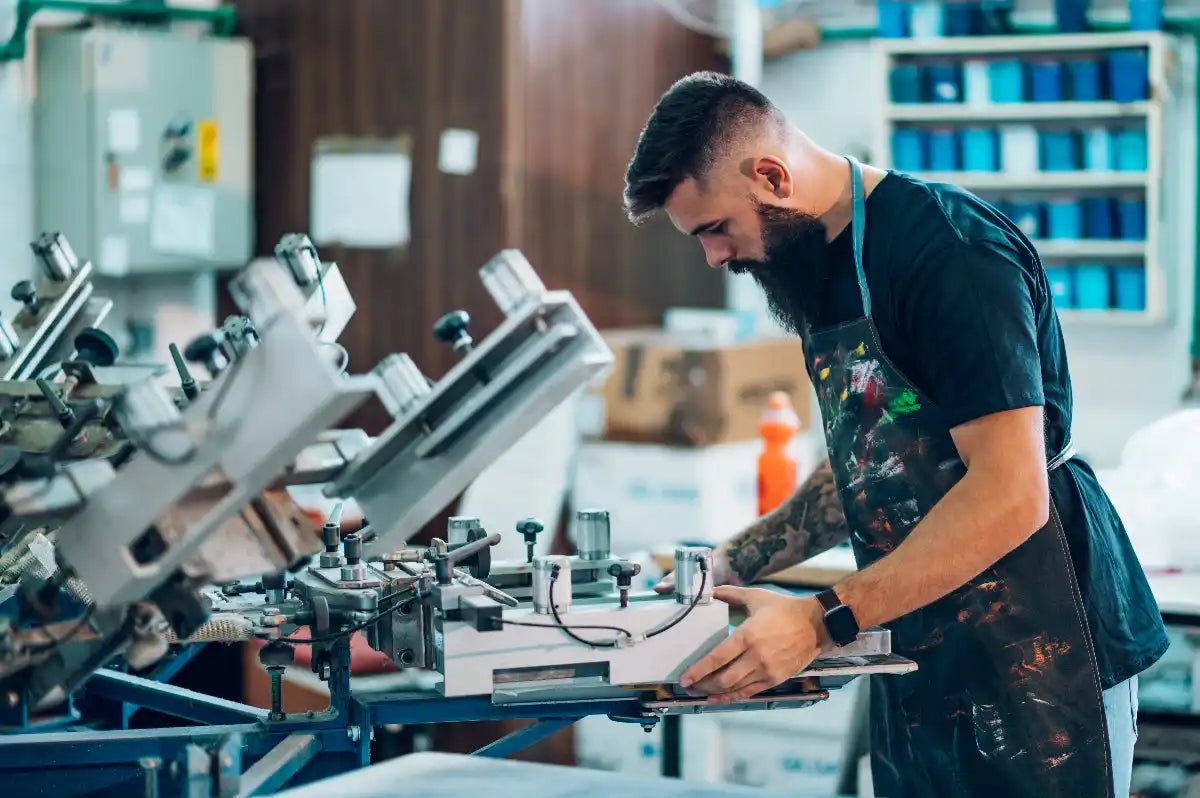
Printing Techniques for Apparel Production
Screen printing, embroidery, puff prints, and digital methods for custom clothing manufacturing.
Explore Custom Apparel Printing Techniques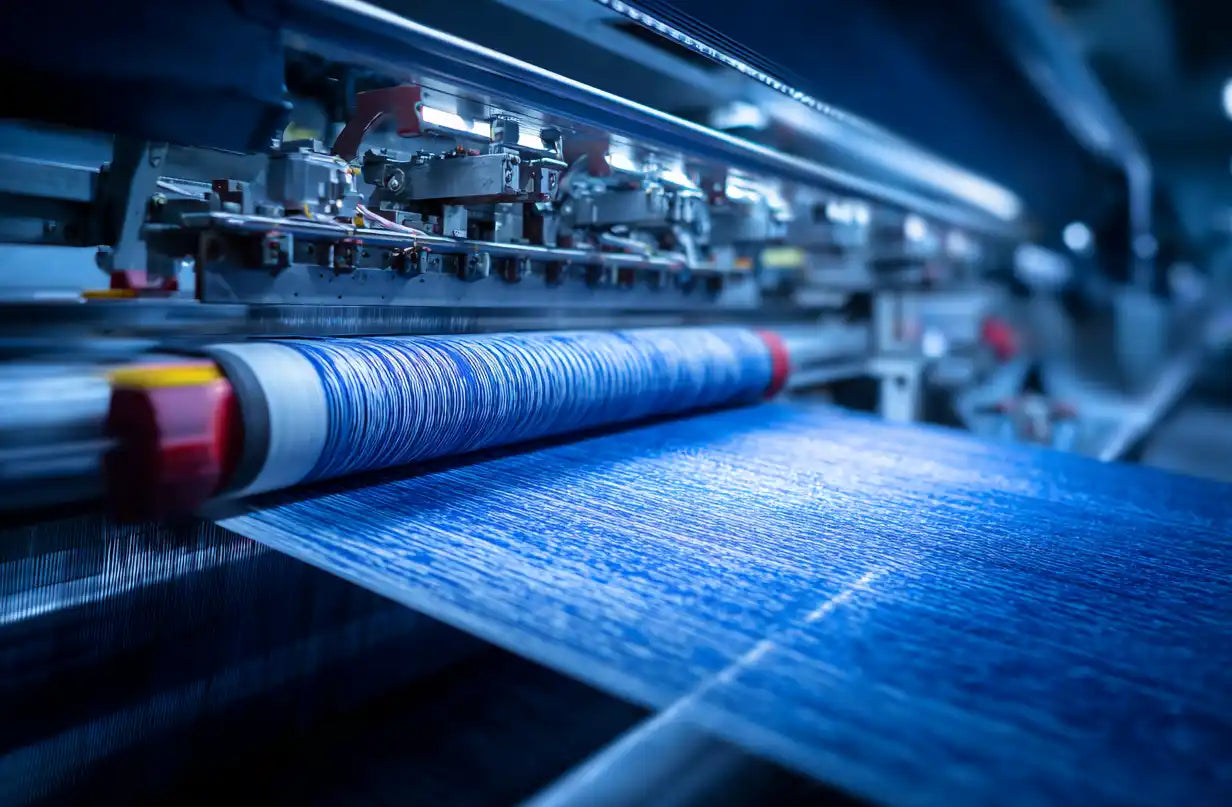
Dyeing Techniques in Clothing Manufacturing
Garment dye, pigment, acid wash, and stone wash finishes that create unique apparel designs.
Compare Apparel Finishing Techniques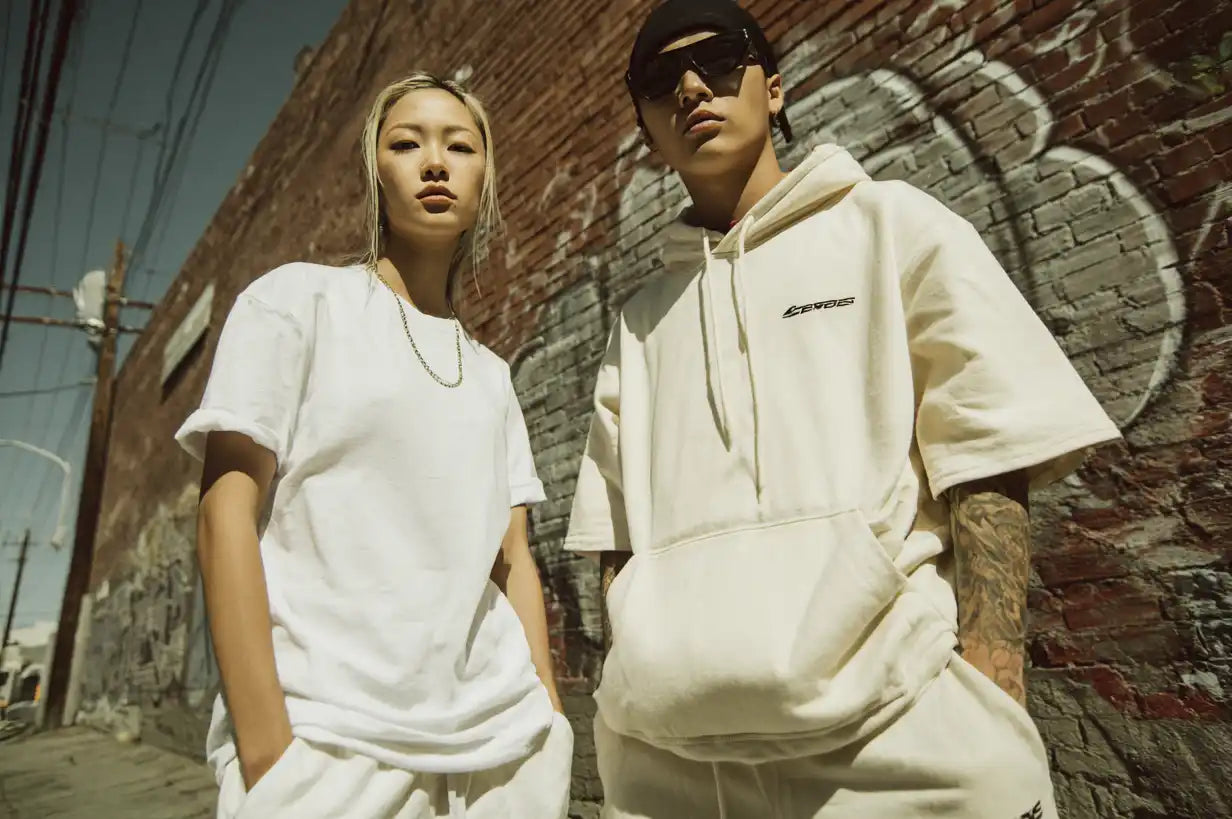
Popular Clothing Items for Custom Apparel
Hoodies, joggers, t-shirts, leggings, and biker shorts — essentials for every apparel collection.
Explore Popular Custom Clothing Items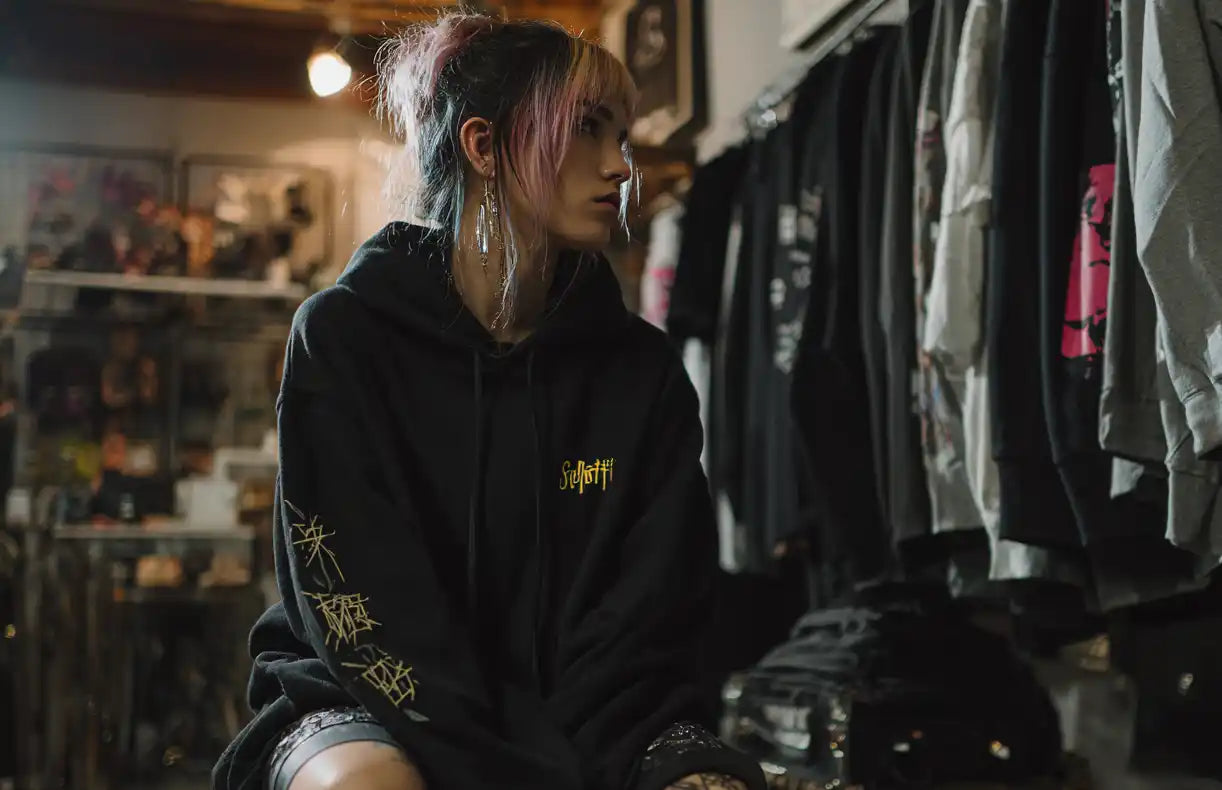
Trends & Designs in Modern Apparel
Oversized fits, streetwear influences, and activewear styles driving custom clothing production.
Explore Trends & Designs for Apparel Development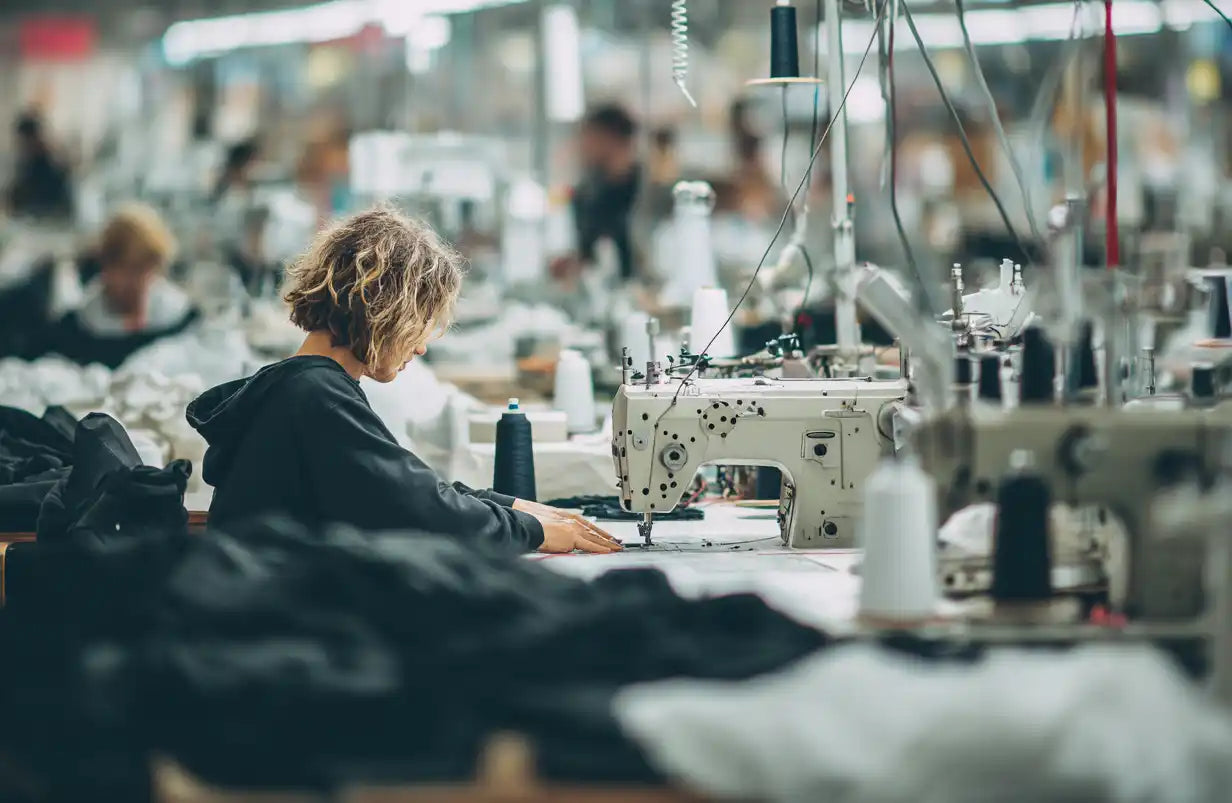
Sustainable & Ethical Clothing Production
OEKO-TEX® certified fabrics, organic cotton, and ethical apparel manufacturing in Portugal.
Understand Sustainable & Ethical Clothing Production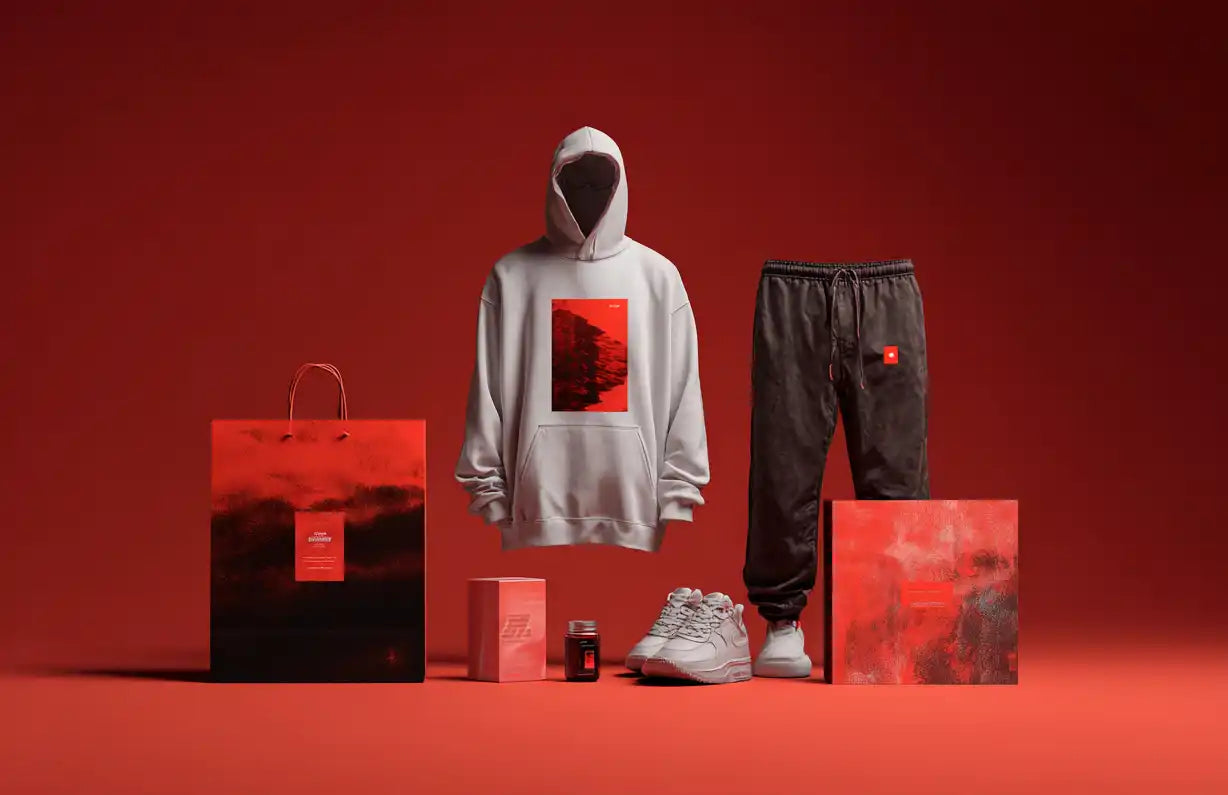
Essentials for Custom Clothing Production
Custom labels, packaging, and trims that elevate your apparel brand in production.
Explore Essentials for Custom Clothing Production
Resources for Custom Clothing Production
Startup guides, logistics support, and scaling strategies for apparel brands and wholesale clients.
Explore Resources for Custom Clothing Production
Clothing Manufacturing Glossary
Explore a complete glossary of clothing and garment manufacturing terms
The Complete Clothing Manufacturing Glossary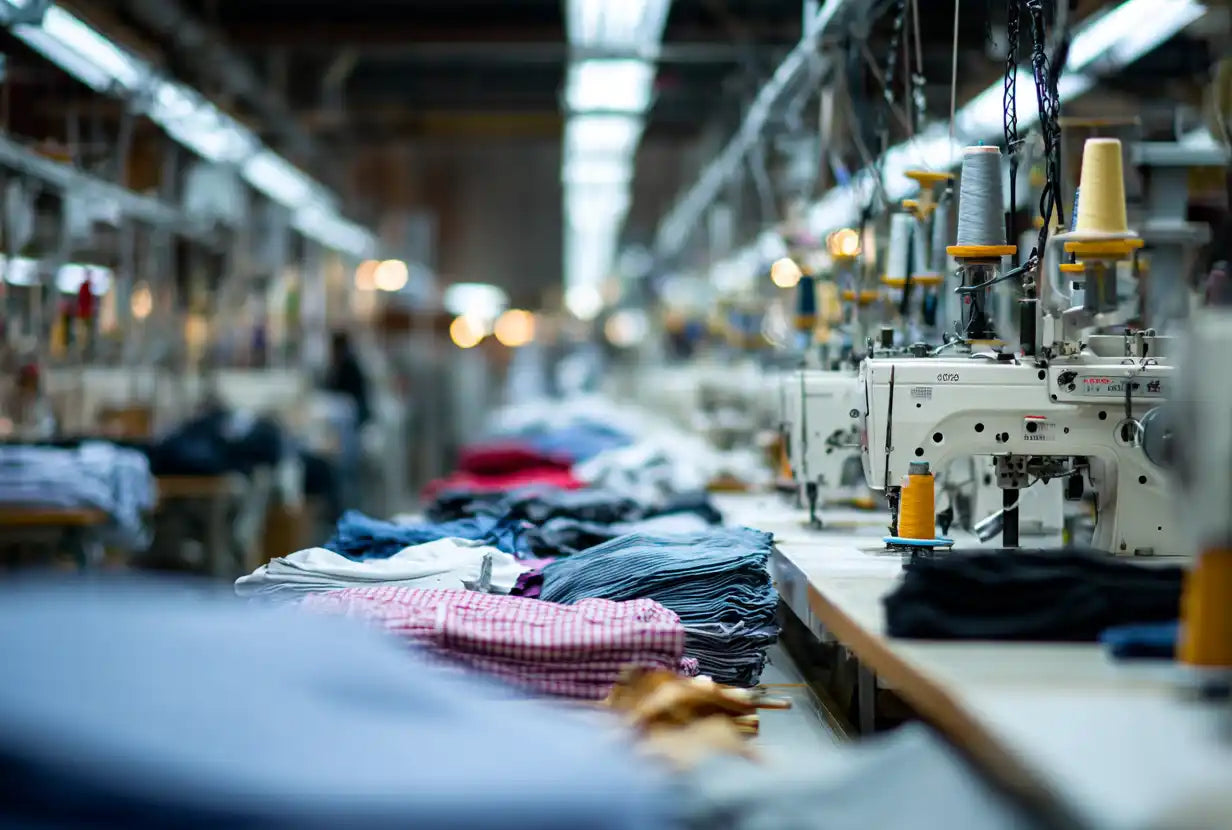
The Best Clothing Manufacturers
Explore global clothing manufacturers by country
Explore The Best Clothing Manufacturers
The Latest Clothing Industry Updates in 2025
Discover the latest news about important topics in the clothing industry in 2025,
Stay On Top Of Clothing Industry Updates
Worldwide Best Manufacturers of Clothes in 2026
Top clothing manufacturers worldwide organized by product type
Find The Worldwide Best Manufacturers of Clothes