
Contrast Stitching for Custom Hoodies & T-Shirts
Contrast stitching is a construction technique that uses sewing thread in a visibly different color than the base fabric to outline seams, hems, and panels. Rather than functioning as surface decoration, it is integrated directly into garment assembly, making it both structural and visual.
For brands producing custom made hoodies, custom t shirts, and garments featuring custom embroidery on sweatshirts, contrast stitching has become a reliable way to elevate design without increasing pattern complexity.
What Is Contrast Stitching?
Contrast stitching refers to the intentional use of thread that contrasts in color with the garment fabric to highlight construction lines. Common placements include shoulder seams, armholes, side seams, pocket edges, and neckline bindings.
Unlike printed or embroidered elements, contrast stitching cannot be added after production. It is executed during sewing and must meet the same durability and compliance standards as the rest of the garment.
How Contrast Stitching Works in Production
Contrast stitching is applied during garment assembly using pre-selected thread colors matched to the technical specification sheet. Factories commonly use industrial twin-needle machines, flatlock machinery, or coverstitch machines depending on seam type and fabric weight.
Thread tension, stitch length, and seam alignment are calibrated to ensure consistent appearance across all sizes. Because the stitching is structural, it must pass seam strength and wash durability testing before bulk production approval.
Thread Types Used for Contrast Stitching
Thread selection directly impacts seam durability, color retention, and visual clarity. The most commonly used thread types are listed below.
| Thread Type | Typical Use | Key Performance Characteristics |
|---|---|---|
| Polyester | Hoodies, sweatshirts | High tensile strength, strong colorfastness |
| Cotton | Lightweight fashion tees | Softer appearance, lower abrasion resistance |
| Core-spun | Premium garments | Polyester core with cotton wrap for strength and aesthetics |
Contrast Stitching in Custom Made Hoodies
In fleece and French terry hoodies, contrast stitching emphasizes garment structure while reinforcing high-stress areas. It is commonly applied to raglan seams, kangaroo pockets, shoulder joins, and side panels.
This approach allows brands to differentiate silhouettes without adding trims or changing base fabrics, making it suitable for scalable private-label programs.
Comparison: Contrast Stitching vs Screen Printing
Screen printing applies ink to the surface of a garment, primarily for graphics and logos. Contrast stitching, by comparison, is structural and permanent, maintaining its appearance throughout the garment’s lifespan.
For minimal or construction-focused designs, stitching provides durability and refinement that printed graphics cannot replicate.
How to Customize a Hoodie Using Contrast Stitching
To customize a hoodie with contrast stitching, brands should begin by selecting thread colors that align with established brand palettes. High-contrast combinations emphasize construction, while muted contrasts create a premium, understated effect.
Thread thickness and stitch type should be matched to fabric weight to maintain visibility without compromising seam integrity.
Contrast Stitching in Custom T Shirts
For custom t shirts, contrast stitching is typically used more selectively due to lighter fabric weights. Neckline bindings, sleeve hems, and side seams are the most common placements.
Because jersey fabrics stretch, stitch elasticity and recovery must be carefully controlled to prevent seam distortion after repeated wear and washing.
Comparison: Contrast Stitching vs DTG Printing
DTG printing enables complex, multi-color artwork but may fade over time depending on ink and fabric quality. Contrast stitching does not crack or peel, making it well suited for minimalist branding and long-term durability.
Brands prioritizing longevity often prefer stitching for subtle detail rather than surface-applied graphics.
Combining Contrast Stitching With Custom Embroidery
Contrast stitching pairs effectively with embroidered branding by framing the garment’s construction while embroidery highlights logos or text. This layered approach is common in premium sweatshirts and uniform programs.
Used correctly, stitching adds structure while embroidery adds brand identity without overcrowding the design.
Comparison: Contrast Stitching vs Embroidery
Embroidery creates raised, decorative elements, while contrast stitching remains flat and functional. Stitching reinforces seams; embroidery communicates branding.
Combining both techniques balances durability and visual interest.
Compliance and Certification Requirements
Contrast stitching must meet the same compliance standards as the base garment. Thread suppliers are required to provide chemical safety and durability documentation.
- OEKO-TEX® Standard 100 for chemical safety
- GOTS compliance as defined by Textile Exchange
- ISO seam strength and wash durability testing
Common Mistakes to Avoid
- Skipping wash testing for contrast thread colors
- Using non-stretch thread on stretch fabrics
- Inconsistent stitch density across sizes
- Overusing contrast stitching, creating visual clutter
- Neglecting thread ply or thickness, such as using Tex 25 thread on a 400 GSM hoodie, causing weak seams or invisible contrast
FAQs About Certification & Standards
Is contrast stitching included in OEKO-TEX certification?
Yes. Threads used in stitching must meet OEKO-TEX® Standard 100 requirements if the garment carries the certification. This ensures chemical safety for end users across all regions.
Does GOTS certification apply to sewing thread?
Yes. For GOTS-certified garments, sewing threads must comply with approved material inputs. Non-compliant thread can invalidate certification status.
Are certification requirements different in the EU?
EU markets often enforce stricter chemical compliance. Documentation and test reports must align with regional regulations.
FAQs About Sourcing & Production
Does contrast stitching significantly increase production cost?
Costs increase slightly due to thread changes and quality control steps. However, no pattern modifications are required, keeping development costs manageable.
Can contrast stitching be added after production?
No. It must be executed during garment assembly. Post-production application is not technically feasible.
Is contrast stitching scalable for large orders?
Yes. When thread specifications and stitch standards are locked early, it scales efficiently for bulk production.
Where can brands review related design guidance?
Additional detailing insights are available on the Trends & Designs for Apparel Development page.
FAQs About Materials & Care
Will contrast stitching fade over time?
High-quality polyester or core-spun threads maintain color well when properly dyed. Wash testing helps confirm long-term performance.
Does contrast stitching affect garment care?
No special care is required beyond standard washing instructions. Proper thread selection prevents bleeding or degradation.
Which fabrics work best with contrast stitching?
French terry, fleece, and heavyweight jersey fabrics provide the best balance of visibility and seam stability.
Can contrast stitching be used on lightweight fabrics?
Yes, but it requires tighter stitch control and thinner thread to prevent puckering.
Next Steps for Product Development
If your brand plans to develop new collections using certified fabrics and scalable production methods, reach out to our team via the request form to discuss availability and production options.
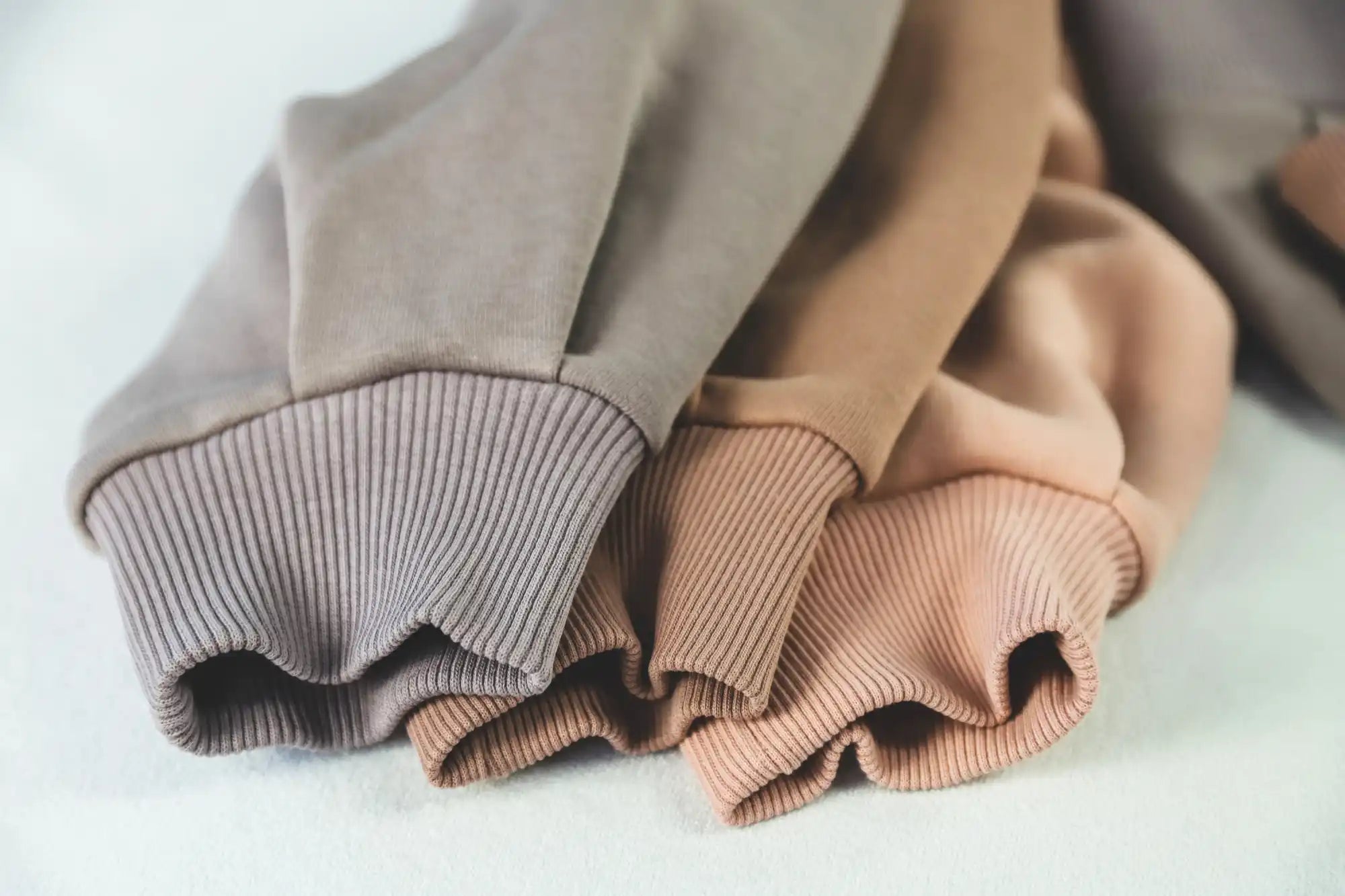
Materials & Fabrics for Clothing Production
Explore cotton, French terry, jersey, fleece, and sustainable blends used in premium apparel manufacturing.
Explore Premium Apparel Fabrics Guide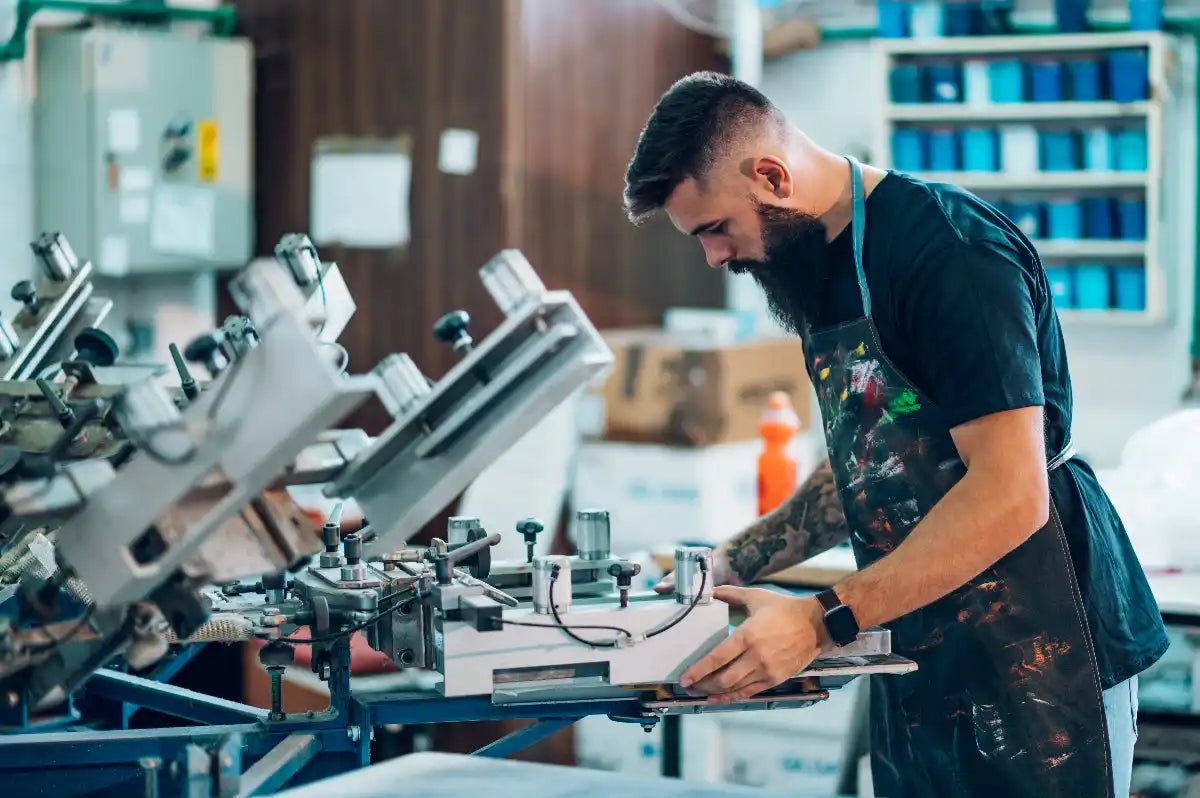
Printing Techniques for Apparel Production
Screen printing, embroidery, puff prints, and digital methods for custom clothing manufacturing.
Explore Custom Apparel Printing Techniques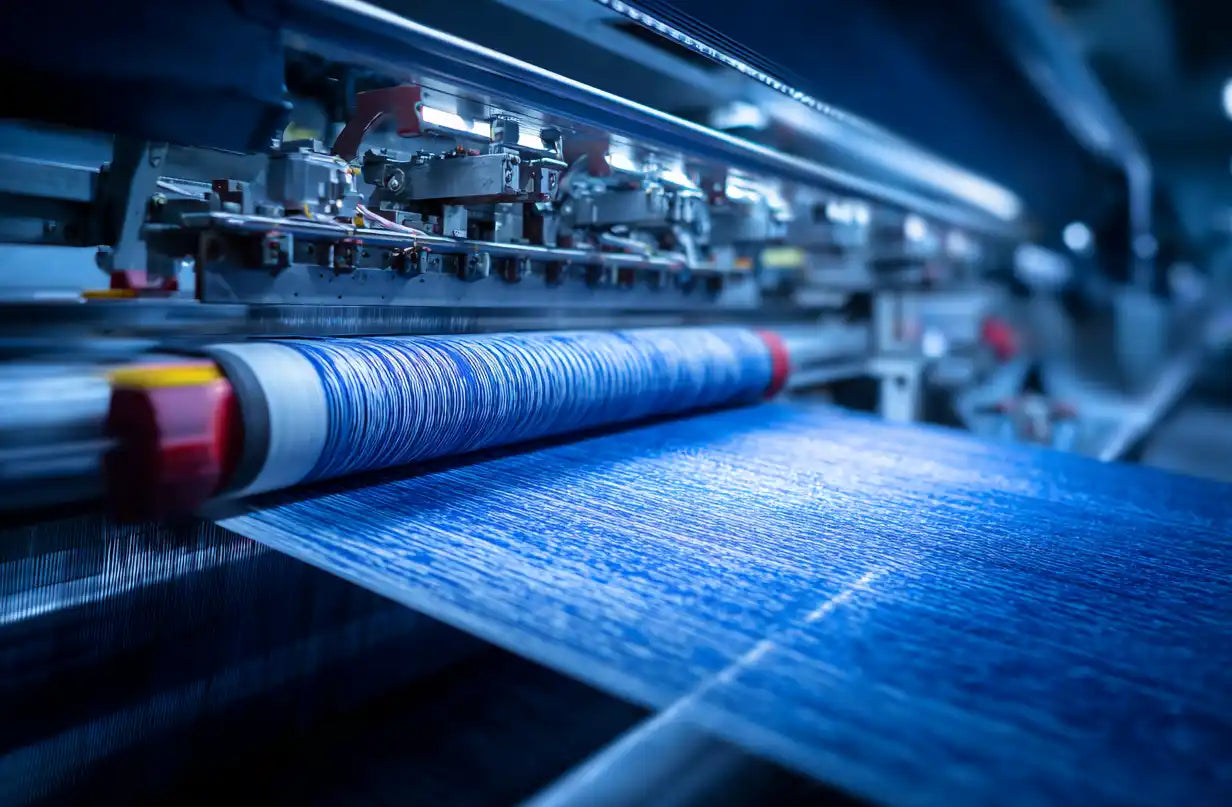
Dyeing Techniques in Clothing Manufacturing
Garment dye, pigment, acid wash, and stone wash finishes that create unique apparel designs.
Compare Apparel Finishing Techniques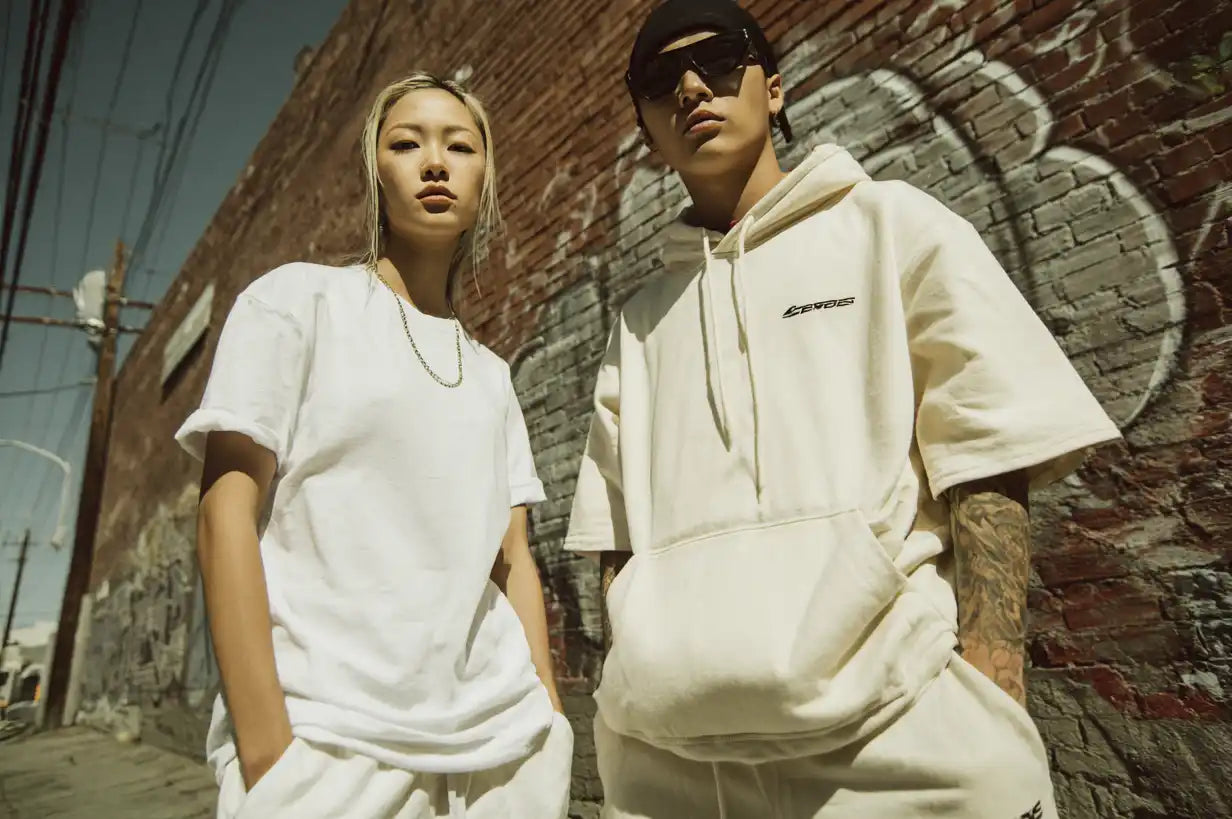
Popular Clothing Items for Custom Apparel
Hoodies, joggers, t-shirts, leggings, and biker shorts — essentials for every apparel collection.
Explore Popular Custom Clothing Items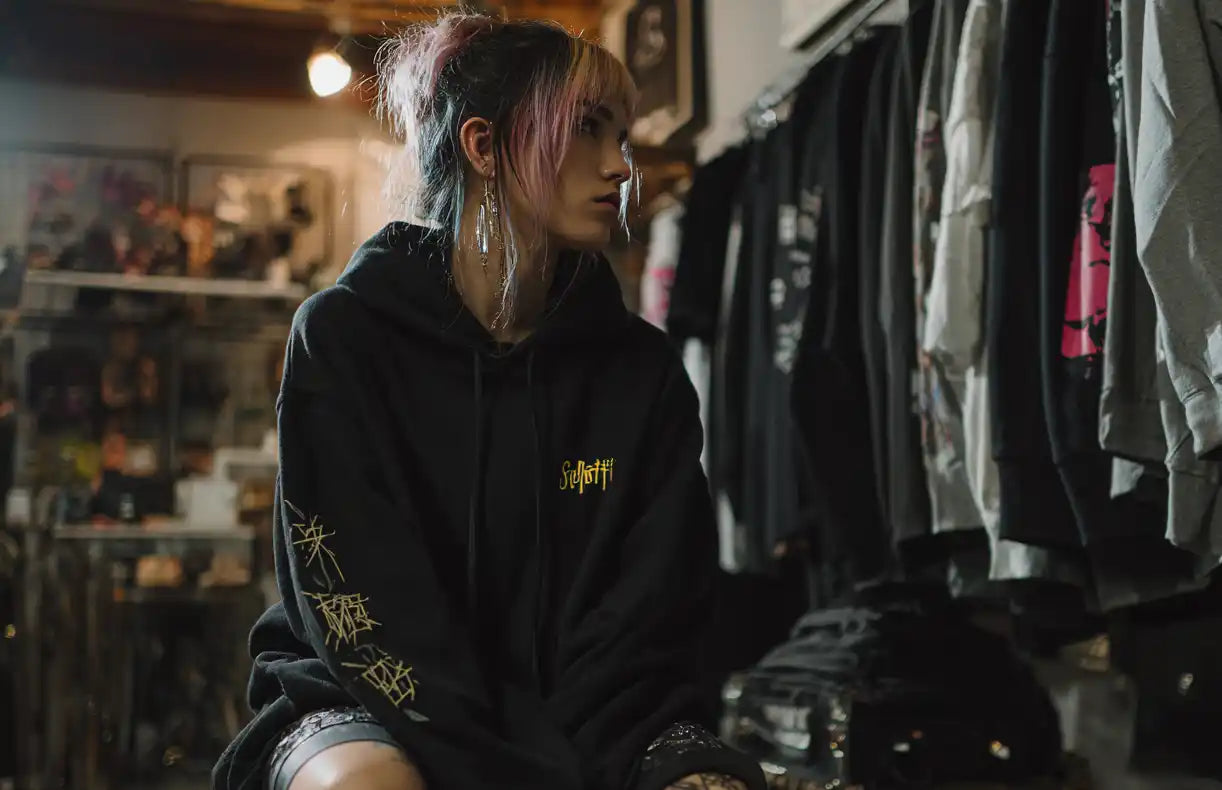
Trends & Designs in Modern Apparel
Oversized fits, streetwear influences, and activewear styles driving custom clothing production.
Explore Trends & Designs for Apparel Development
Sustainable & Ethical Clothing Production
OEKO-TEX® certified fabrics, organic cotton, and ethical apparel manufacturing in Portugal.
Understand Sustainable & Ethical Clothing Production
Essentials for Custom Clothing Production
Custom labels, packaging, and trims that elevate your apparel brand in production.
Explore Essentials for Custom Clothing Production
Resources for Custom Clothing Production
Startup guides, logistics support, and scaling strategies for apparel brands and wholesale clients.
Explore Resources for Custom Clothing Production
Clothing Manufacturing Glossary
Explore a complete glossary of clothing and garment manufacturing terms
The Complete Clothing Manufacturing Glossary
The Best Clothing Manufacturers
Explore global clothing manufacturers by country
Explore The Best Clothing Manufacturers
The Latest Clothing Industry Updates in 2025
Discover the latest news about important topics in the clothing industry in 2025,
Stay On Top Of Clothing Industry Updates
Worldwide Best Manufacturers of Clothes in 2026
Top clothing manufacturers worldwide organized by product type
Find The Worldwide Best Manufacturers of Clothes