
Cropped Fit Apparel: Style & Production Guide for 2025
Cropped fit has evolved from a niche fashion detail into a core silhouette in modern apparel development. In 2025, apparel brands use cropped proportions to refresh core products while maintaining scalable production, consistent sizing, and premium positioning across global markets.
This guide explains how cropped fits are engineered, produced, and customized across t-shirts, hoodies, and sweatshirts, with a focus on materials, printing methods, embroidery, and compliance considerations relevant to sourcing and production teams.
What Is a Cropped Fit?
A cropped fit is a garment silhouette with a deliberately shortened body length that typically ends above the natural waist or high-hip point. Unlike raw or distressed hems, cropped fits are pattern-engineered to maintain balance, durability, and repeatable sizing across production runs.
From a technical perspective, cropped garments require adjusted grading rules, reinforced hems, and controlled shrinkage allowances to avoid post-wash length inconsistencies.
Why Cropped Fits Matter in Apparel Development
Cropped silhouettes allow brands to modernize staple items without redesigning their entire product line. They are widely used in athleisure, streetwear, and lifestyle collections because they support layering, gender-neutral styling, and seasonal flexibility.
- Creates clear visual differentiation in saturated categories
- Pairs effectively with high-waisted bottoms
- Supports premium pricing when combined with heavyweight fabrics
Cropped Fit in Custom T-Shirts
Cropped t-shirts are frequently used in capsule collections and brand refreshes. For production teams, the primary challenge is maintaining drape and proportion while reducing garment length.
Brands developing custom t shirts often select mid-to-heavyweight jersey fabrics to prevent a boxy or unstable silhouette after washing.
See the complete t-shirt manufacturing guide for pattern and grading considerations.
How It Works: Cropped T-Shirt Production
Cropped t-shirts are cut using shortened body blocks with recalibrated width-to-length ratios. Hems are typically finished with coverstitching to prevent curling. Shrinkage testing is performed before bulk production to ensure final garment length remains consistent after laundering.
Comparison: Screen Printing vs DTG Printing
Screen printing provides stronger opacity and wash durability on heavyweight cropped tees, making it suitable for bulk production. DTG printing allows complex artwork but can result in uneven ink absorption on thicker cotton jerseys.
Cropped Fit in Custom Made Hoodies
Cropped hoodies combine relaxed comfort with intentional proportion. They are commonly used in women’s and unisex collections where styling and silhouette are equally important.
Brands that customize a hoodie using cropped proportions must balance shortened body length with standard sleeve dimensions to avoid fit imbalance.
Refer to the hoodie customization guide for production-ready specifications.
How It Works: Cropped Hoodie Construction
Cropped hoodies use shortened torso panels while retaining full-length sleeves and standard armholes. Ribbed waistbands are reinforced to prevent rolling. Most cropped hoodies use fleece or French terry fabrics between 350–450 GSM for structure and durability.
Comparison: Screen Printing vs Puff Print
Screen printing offers flatter, breathable graphics suited for everyday wear. Puff print creates raised texture but adds stiffness and can affect drape if overused on cropped silhouettes.
Cropped Sweatshirts and Embroidery Applications
Cropped sweatshirts are frequently positioned as premium items, especially when combined with embroidery rather than printed graphics.
Minimal branding placements work well for custom embroidery on sweatshirts because reduced body length limits vertical design space.
Detailed embroidery guidance is available in the embroidered sweatshirt guide.
How It Works: Embroidery on Cropped Sweatshirts
Embroidery files are digitized with adjusted stitch density to prevent fabric puckering. Stabilizers are applied during stitching to maintain surface integrity. Placement testing is essential to ensure logos sit correctly on shortened panels.
Comparison: Embroidery vs Chenille Patches
Embroidery delivers a clean, durable finish suitable for minimalist branding. Chenille patches add texture but increase production cost and limit placement precision on cropped garments.
Fabric Selection for Cropped Fits
Fabric weight plays a critical role in how cropped garments hold shape. Lighter fabrics may drape well but often distort after washing if not stabilized.
| Fabric Type | Recommended GSM | Best Use |
|---|---|---|
| Cotton Jersey | 200–240 | Cropped t-shirts |
| French Terry | 300–360 | Cropped sweatshirts |
| Fleece | 350–450 | Cropped hoodies |
Certifications and Compliance Standards
Cropped garments are subject to the same textile regulations as standard silhouettes. Certification is determined by fabric content and supply chain, not garment length.
Common Mistakes to Avoid
- Ignoring shrinkage allowances: leads to garments becoming unwearably short after washing and increases return rates.
- Using unstable fabrics: causes hem distortion and failed quality control checks.
- Incorrect decoration methods: raises per-unit cost without improving durability.
- Poor embroidery placement: results in off-center branding and rejected bulk orders.
FAQs About Certification & Standards
Are cropped garments regulated differently?
No. Cropped garments must meet the same safety, labeling, and chemical compliance standards as full-length apparel.
Can cropped hoodies be GOTS-certified?
Yes, provided the fabric and manufacturing process meet GOTS requirements.
Is OEKO-TEX certification required?
It is not mandatory but widely used to demonstrate chemical safety to buyers.
FAQs About Sourcing & Production
Do cropped fits increase production costs?
They may increase sampling costs slightly, but fabric savings often offset the difference.
Are cropped garments suitable for low MOQ orders?
Yes. Cropped t-shirts and sweatshirts are commonly produced in small batches.
Can cropped hoodies scale for wholesale?
Yes, with standardized grading and controlled shrinkage testing.
FAQs About Materials & Care
Do cropped garments shrink more?
No, when pre-shrunk or enzyme-washed fabrics are used.
Are heavyweight fabrics better?
Yes. Heavier fabrics help cropped garments maintain structure.
How should cropped apparel be washed?
Cold wash and low heat drying are recommended to preserve length.
Contributed by the AthleisureBasics Product Development Team, specialists in technical knit construction and sustainable B2B apparel sourcing.
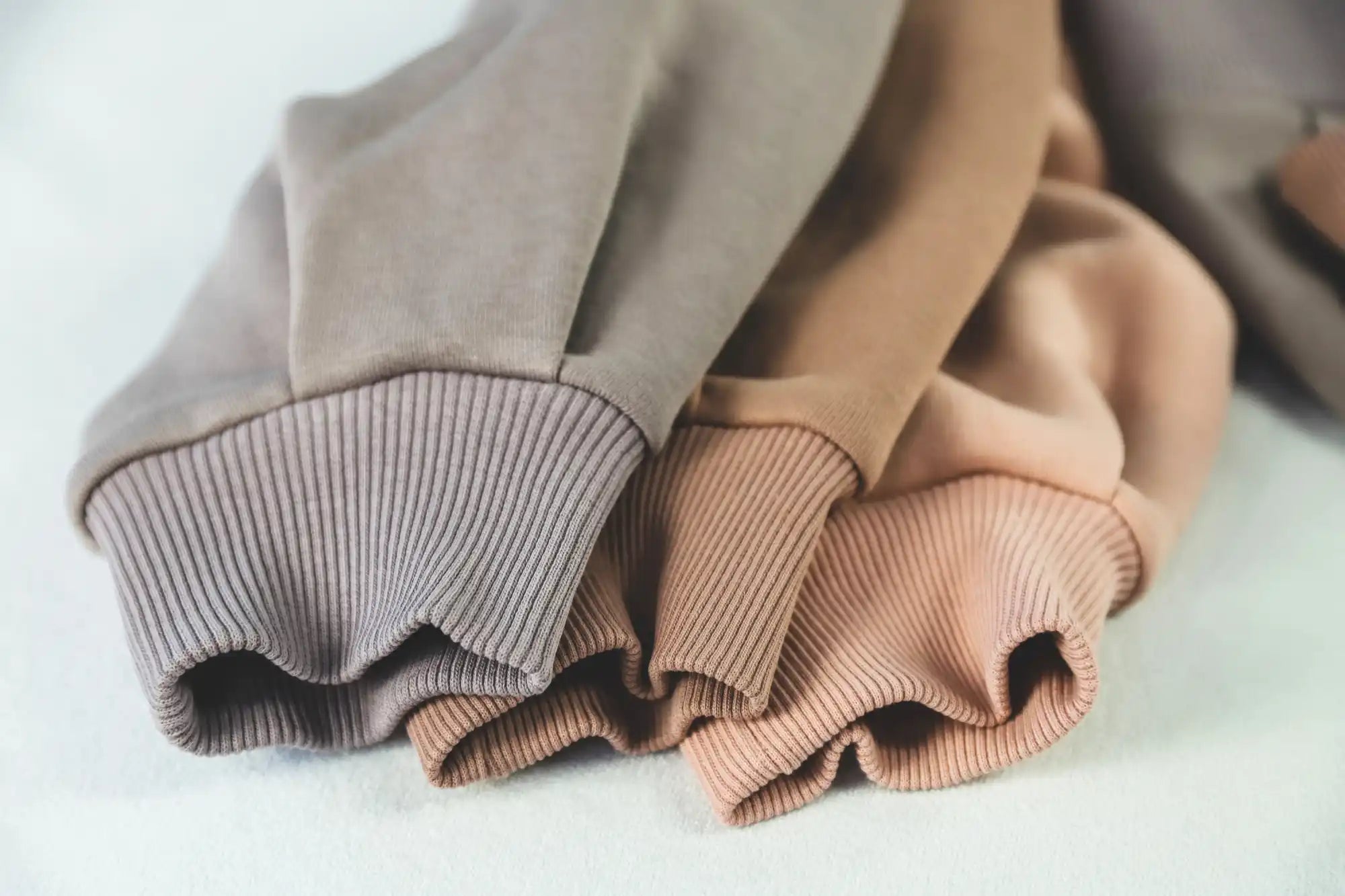
Materials & Fabrics for Clothing Production
Explore cotton, French terry, jersey, fleece, and sustainable blends used in premium apparel manufacturing.
Explore Premium Apparel Fabrics Guide
Printing Techniques for Apparel Production
Screen printing, embroidery, puff prints, and digital methods for custom clothing manufacturing.
Explore Custom Apparel Printing Techniques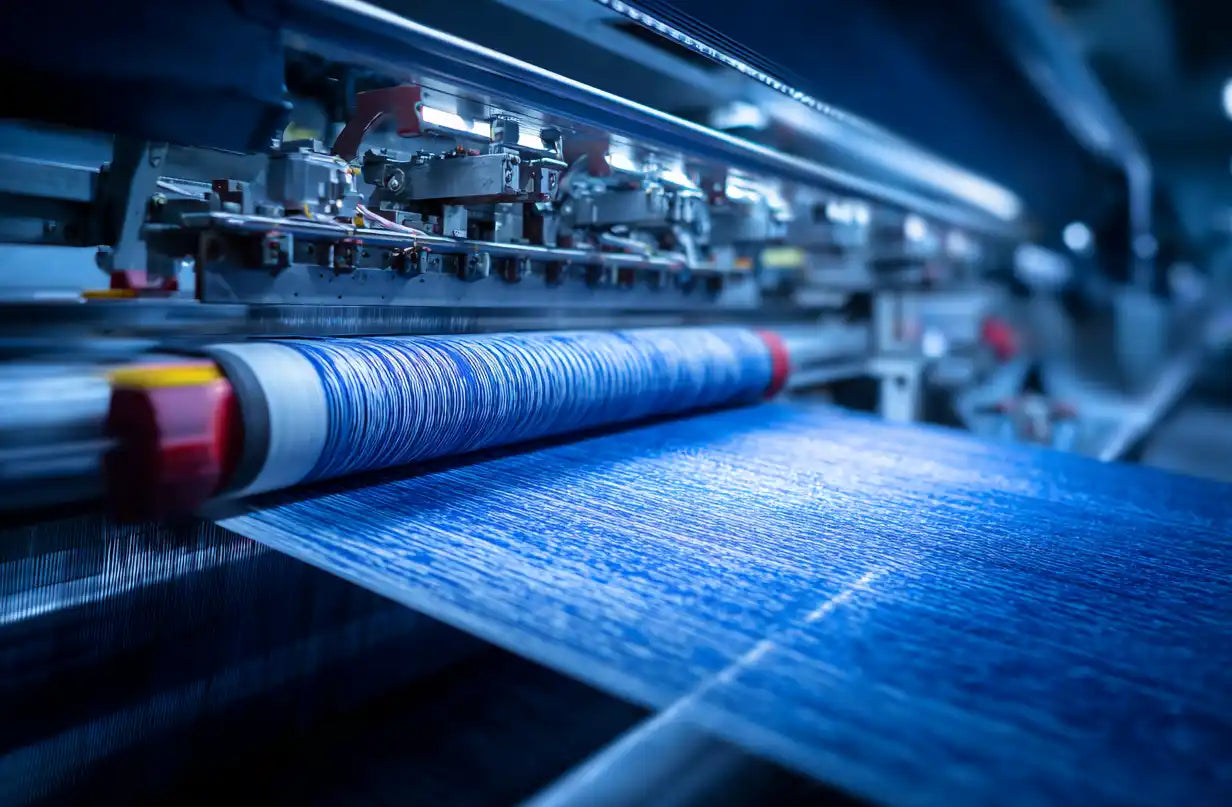
Dyeing Techniques in Clothing Manufacturing
Garment dye, pigment, acid wash, and stone wash finishes that create unique apparel designs.
Compare Apparel Finishing Techniques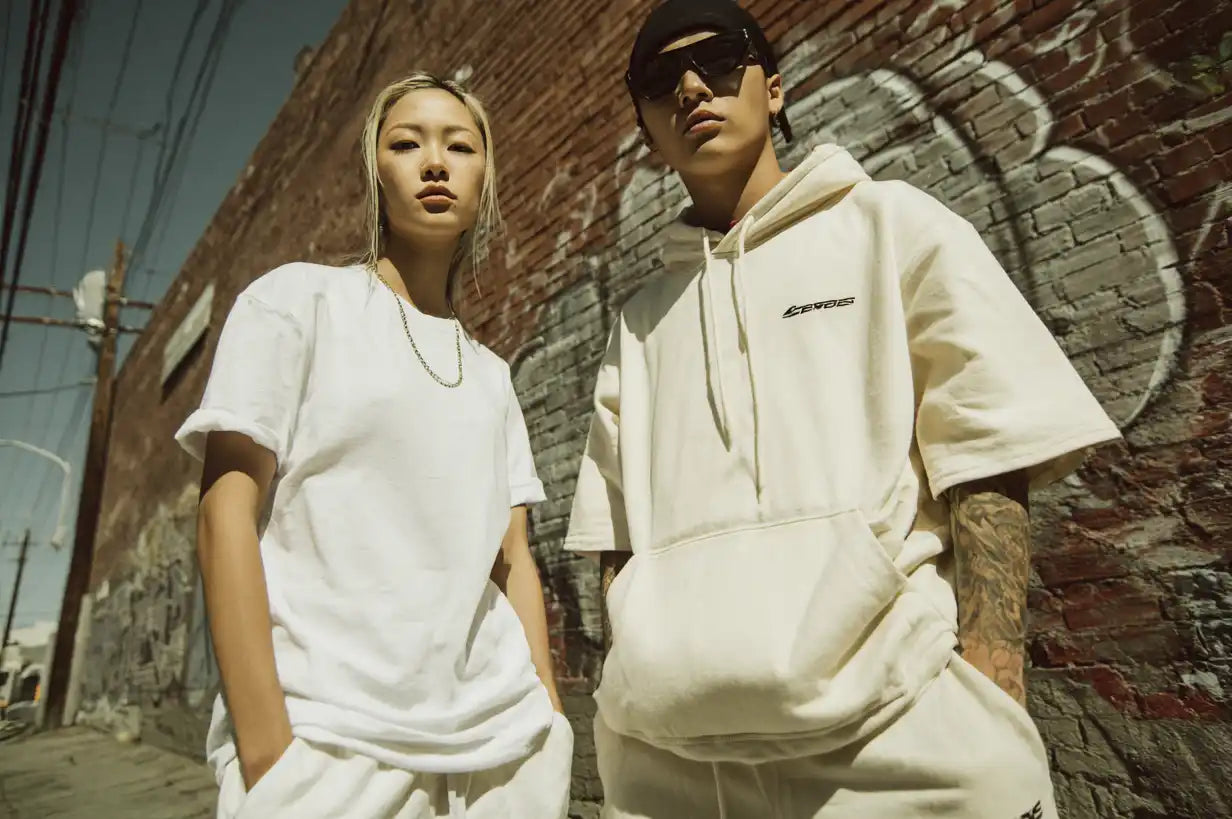
Popular Clothing Items for Custom Apparel
Hoodies, joggers, t-shirts, leggings, and biker shorts — essentials for every apparel collection.
Explore Popular Custom Clothing Items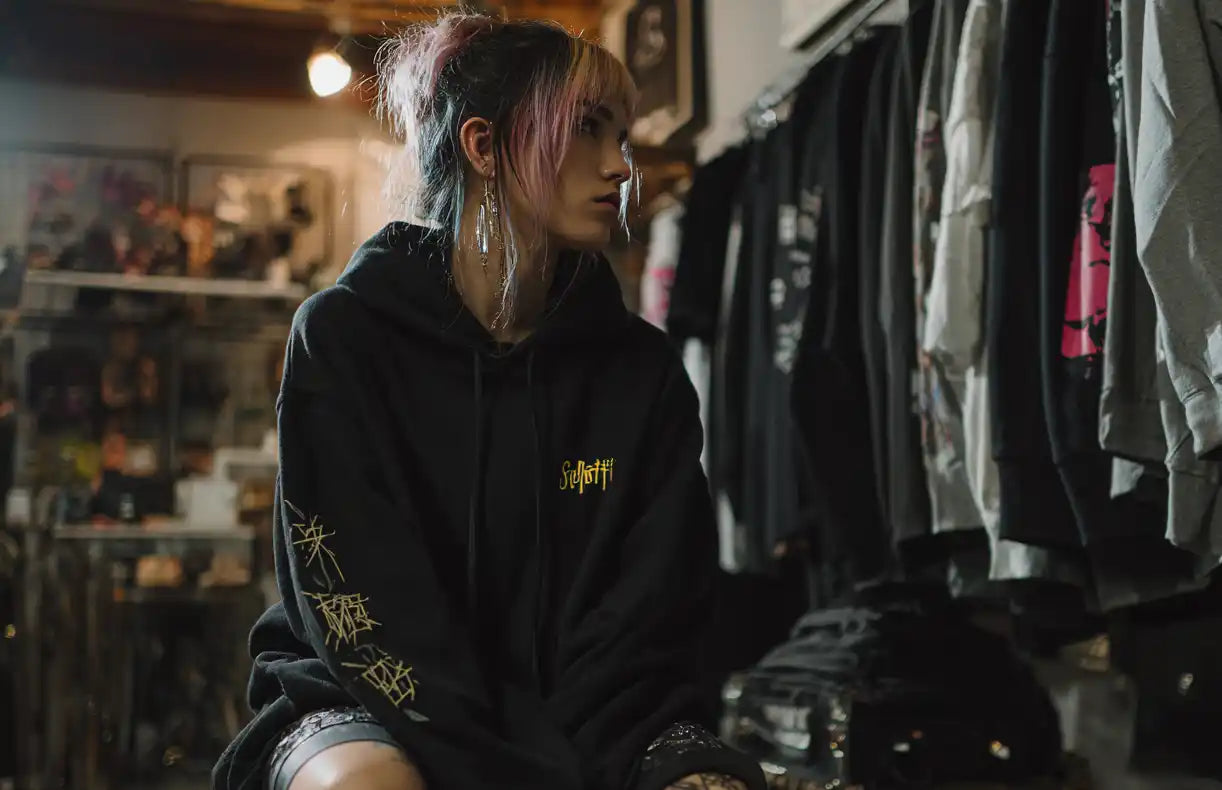
Trends & Designs in Modern Apparel
Oversized fits, streetwear influences, and activewear styles driving custom clothing production.
Explore Trends & Designs for Apparel Development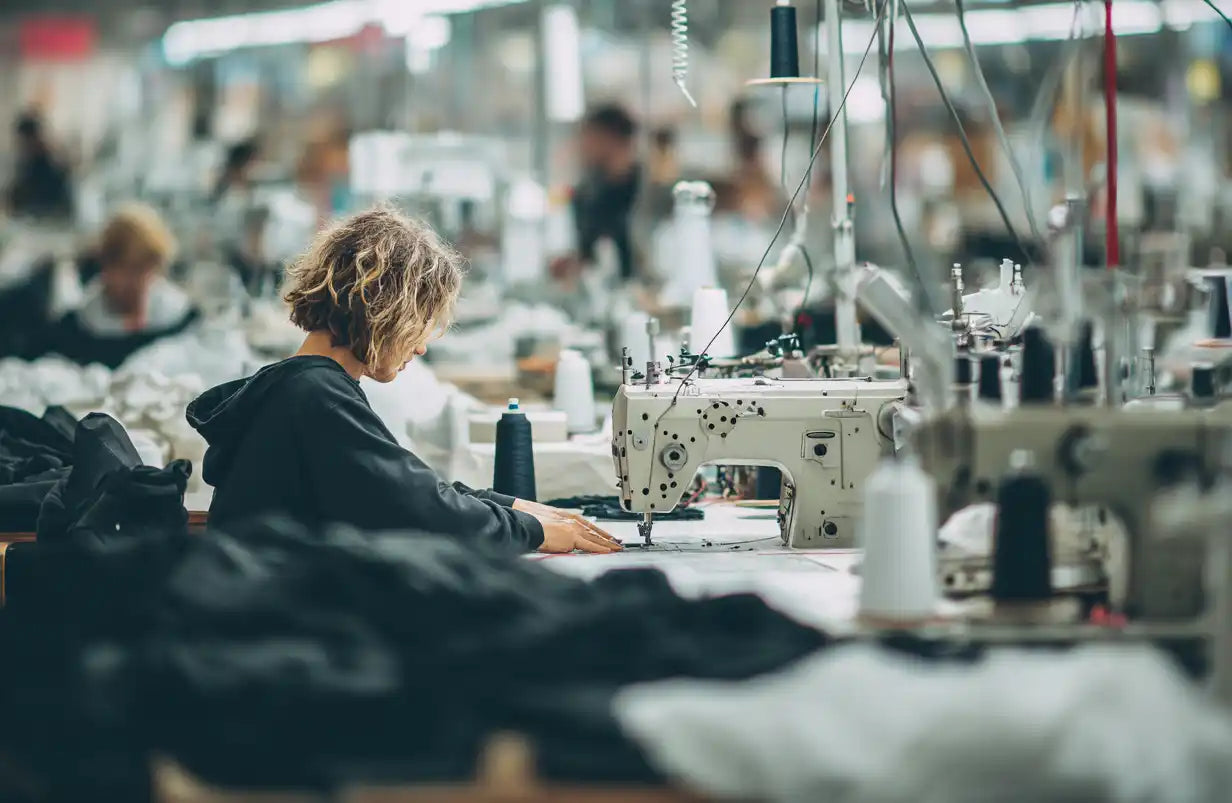
Sustainable & Ethical Clothing Production
OEKO-TEX® certified fabrics, organic cotton, and ethical apparel manufacturing in Portugal.
Understand Sustainable & Ethical Clothing Production
Essentials for Custom Clothing Production
Custom labels, packaging, and trims that elevate your apparel brand in production.
Explore Essentials for Custom Clothing Production
Resources for Custom Clothing Production
Startup guides, logistics support, and scaling strategies for apparel brands and wholesale clients.
Explore Resources for Custom Clothing Production
Clothing Manufacturing Glossary
Explore a complete glossary of clothing and garment manufacturing terms
The Complete Clothing Manufacturing Glossary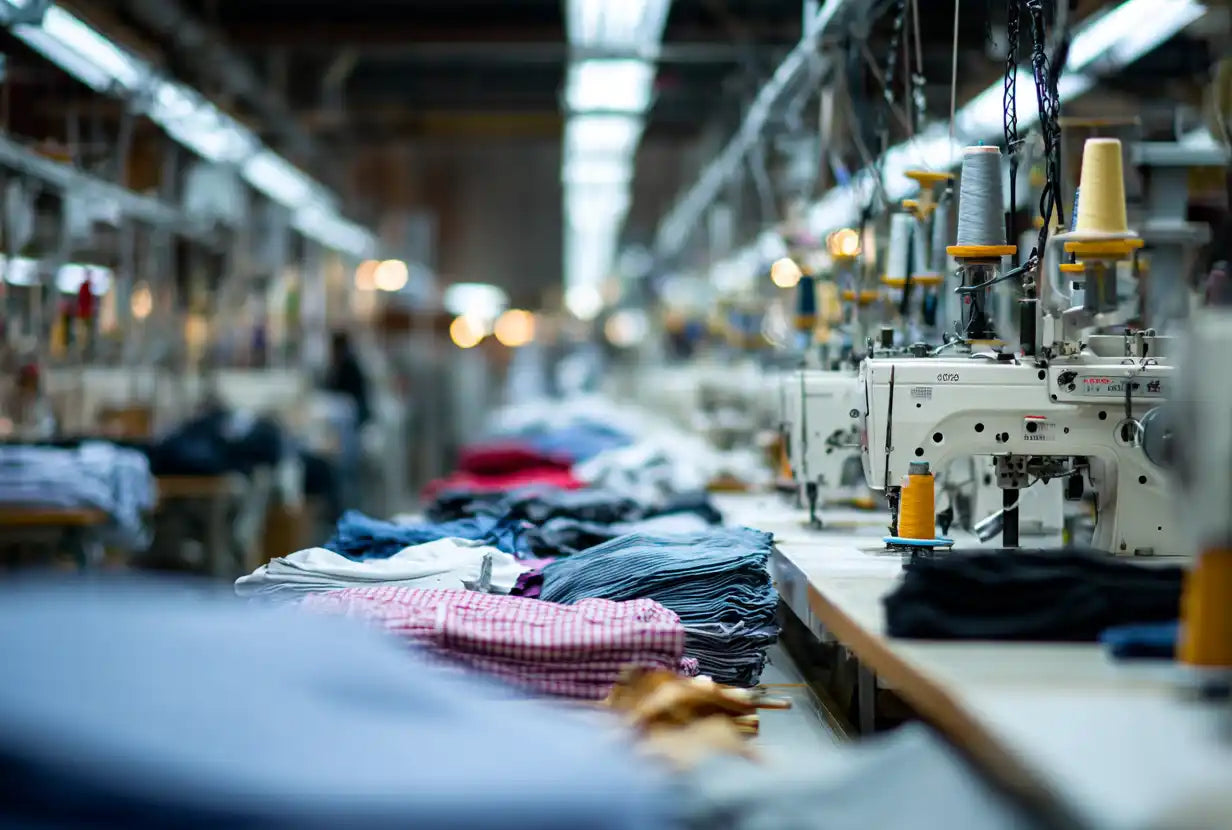
The Best Clothing Manufacturers
Explore global clothing manufacturers by country
Explore The Best Clothing Manufacturers
The Latest Clothing Industry Updates in 2025
Discover the latest news about important topics in the clothing industry in 2025,
Stay On Top Of Clothing Industry Updates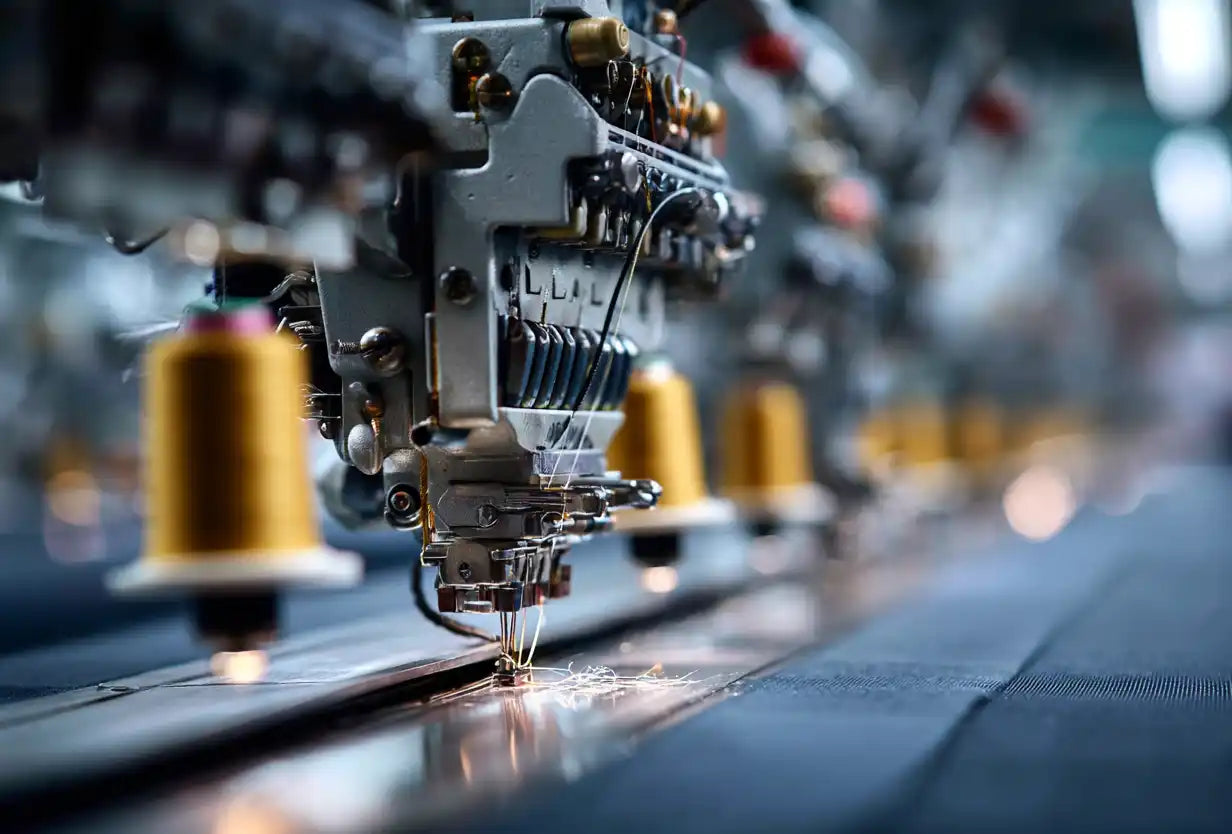
Worldwide Best Manufacturers of Clothes in 2026
Top clothing manufacturers worldwide organized by product type
Find The Worldwide Best Manufacturers of Clothes