Learn how to design clothing that reflects your unique style or brand identity. From inspiration to production, this guide covers key steps, design tips, and best practices for creating custom apparel that stands out.
Why Custom Clothing Designs Matter
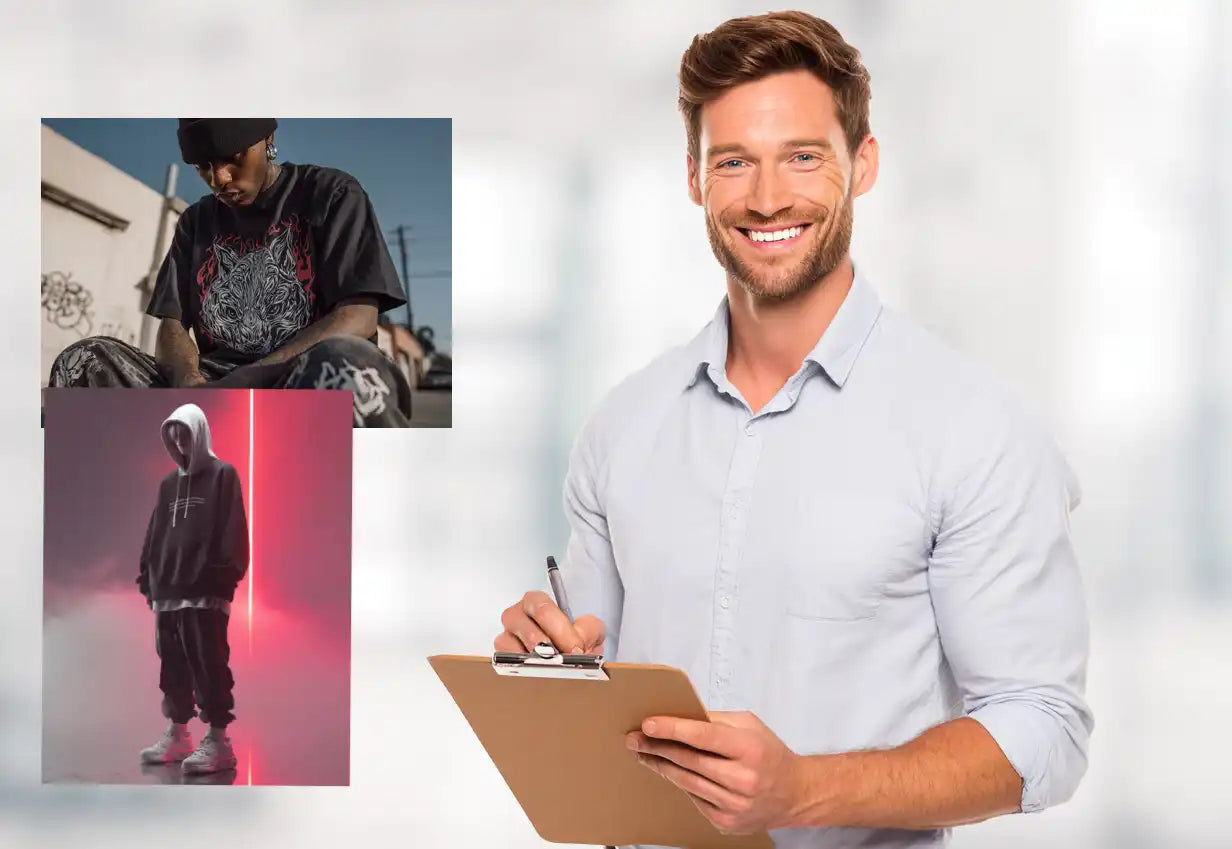
Custom clothing is more than a trend—it’s a way to express identity and build connection. Personalized apparel captures your style, values, and message, making it memorable for customers, teams, or special occasions.
- Builds a unique brand identity
- Strengthens team unity with group apparel
- Enables one-of-a-kind personal expression
- Creates lasting impressions in the market
Essential Factors for Successful Clothing Design
1) Define Your Brand Identity
Create a clear style guide that reflects your mission, values, and visual tone (logos, colors, typography).
2) Understand Your Audience
Research customer lifestyles, fashion trends, and preferences. Consider trends like sustainable fashion, Y2K revival, and gender-neutral styles.
3) Select the Right Garments
Match clothing type (T-shirts, hoodies, jackets) to purpose—everyday wear, uniforms, or promotional use.
If you’re exploring low minimums for test launches, review low-MOQ clothing options to understand typical thresholds and planning considerations.
4) Choose Production Methods
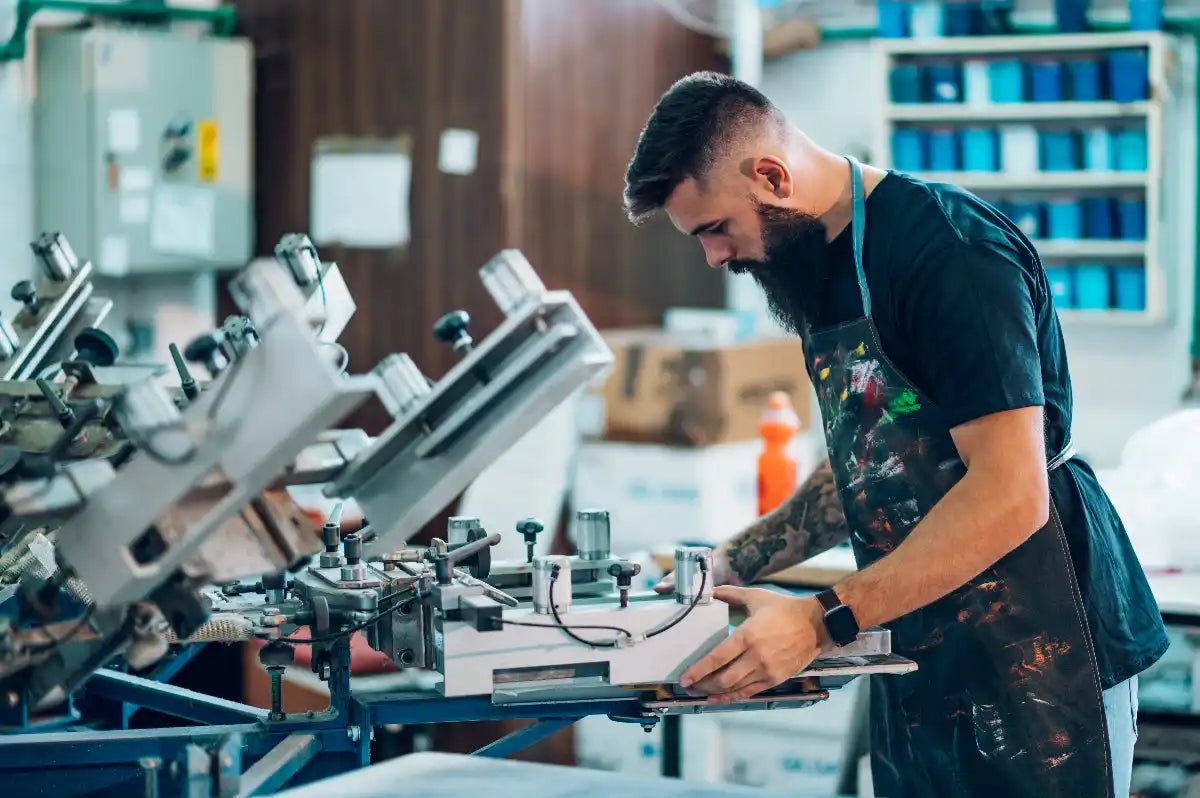
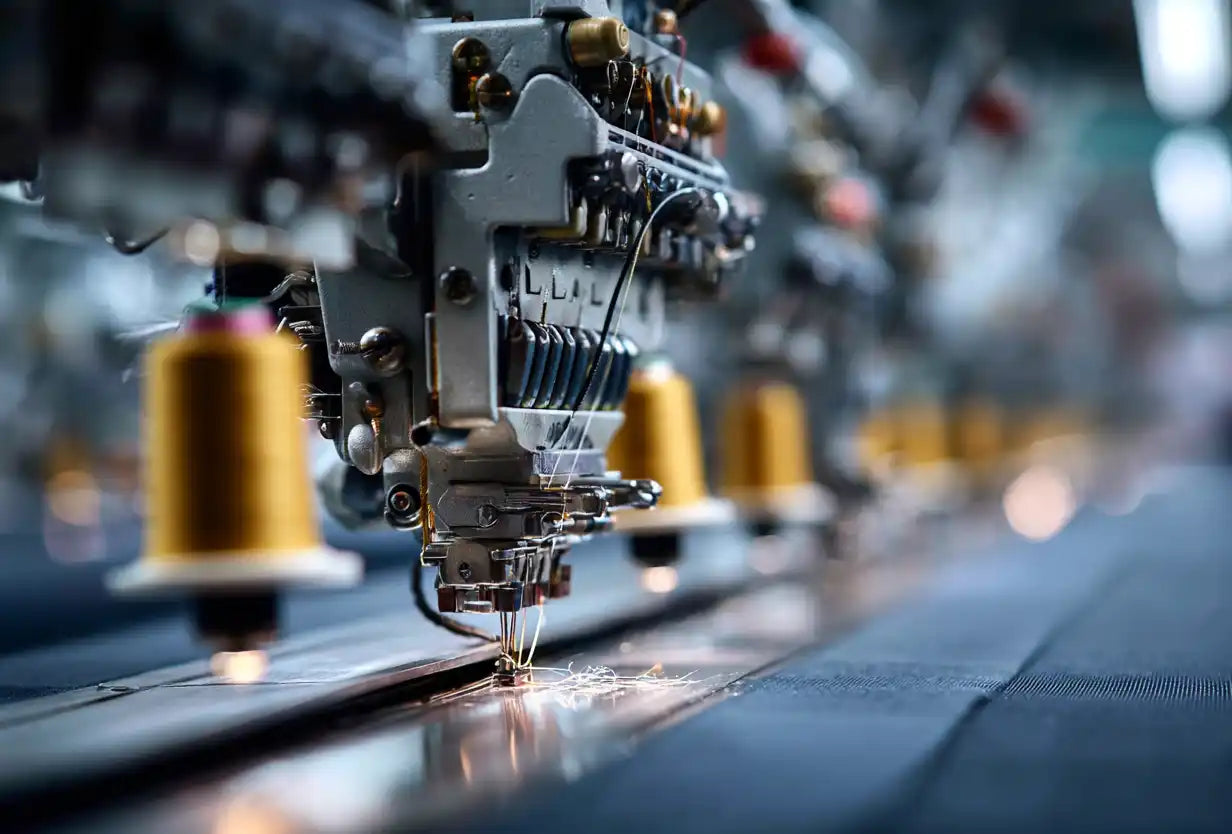
Common options: screen printing, digital print-on-demand, heat transfer, and embroidery. Each affects durability, detail, and cost. For a deeper dive into made-to-order workflows and fabric/trim choices, see an overview of custom clothing production methods.
5) Prioritize Quality and Fit
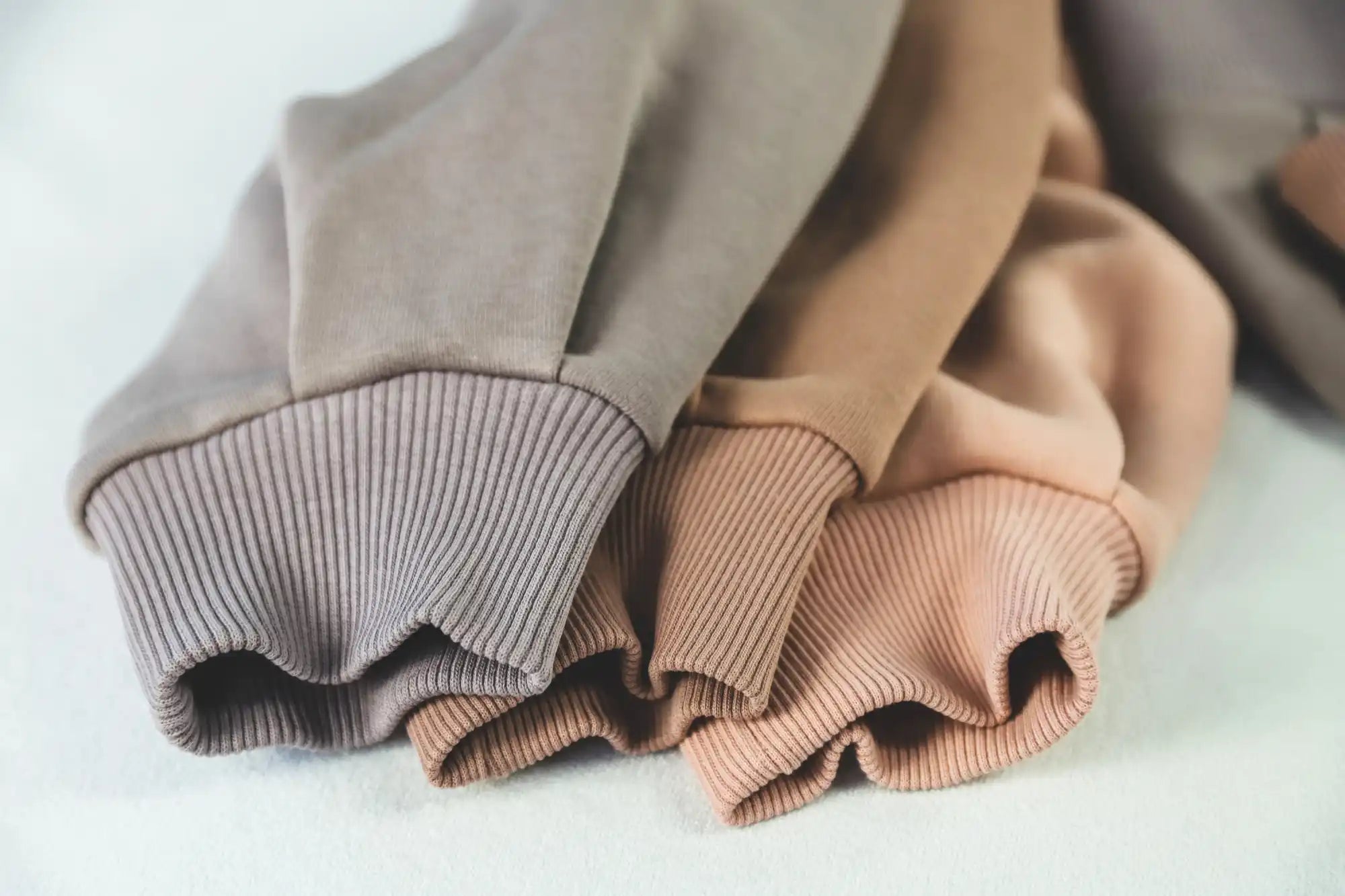
Fabric, stitching, and cut determine comfort and repeat wear. High-quality pieces boost loyalty and reviews.
6) Balance Timelessness and Trends
Blend core essentials with on-trend elements to stay relevant without dating your line too quickly.
Step-by-Step Clothing Design Process
Step 1: Gather Inspiration
Collect colors, textures, and silhouettes using mood boards (Pinterest, Milanote, or Canva). Define what your apparel should communicate.
Step 2: Sketch & Concept
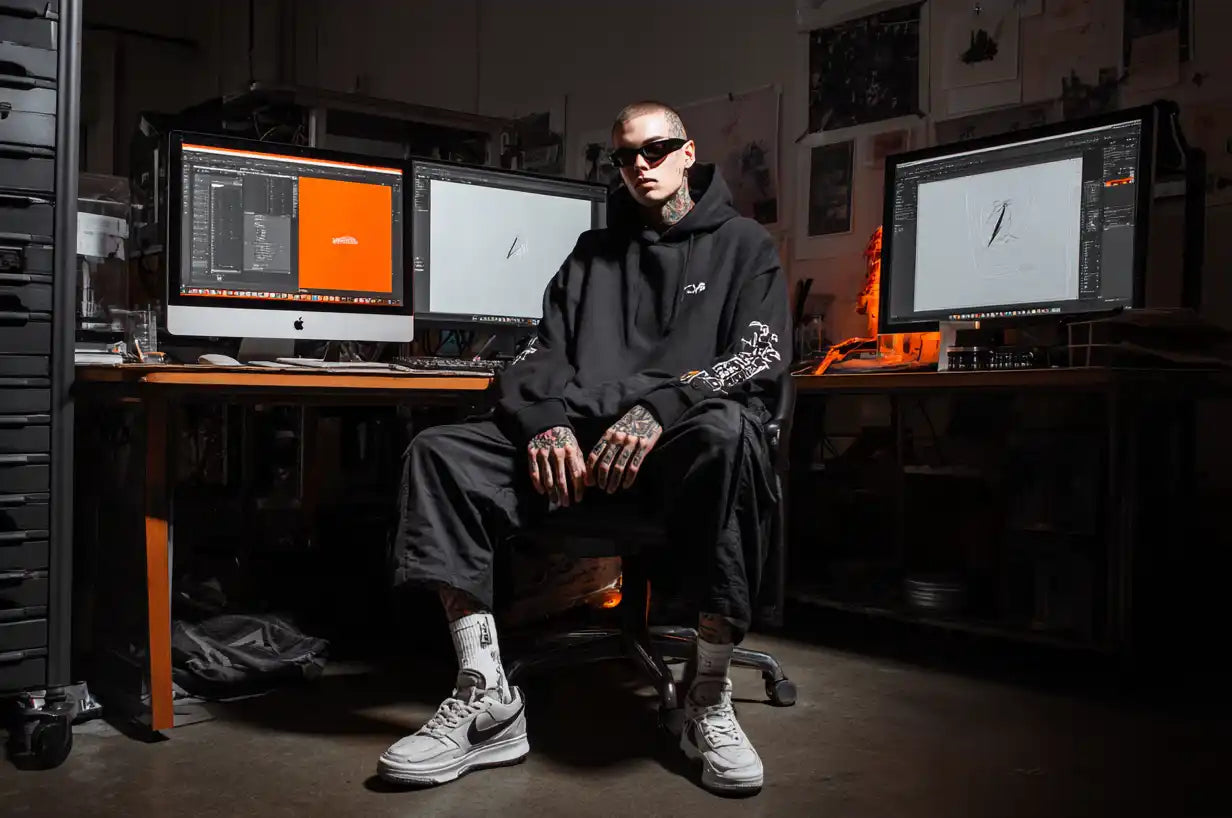
Start with hand sketches or digital tools like Adobe Illustrator, Inkscape, or CLO3D. Focus on composition, typography, and placement.
Step 3: Colors & Fonts
Choose palettes that reinforce your personality/brand. Ensure legibility across sizes and backgrounds.
Step 4: Prep Files for Production
Provide vector files (AI, EPS, SVG) or high-res raster (300+ DPI). Include color separations and size specs when needed.
Step 5: Production Path
Confirm garment types, decoration methods, quantities, and timelines with your manufacturer—or select a print-on-demand platform for small runs. If you prefer ready-to-customize blanks rather than full development, compare typical white label clothing options.
From Design to Production
Choose the production route that fits your goals, budget, and timeline:
- Print-on-Demand (POD): Ideal for individuals and tests; low commitment and fast turnaround.
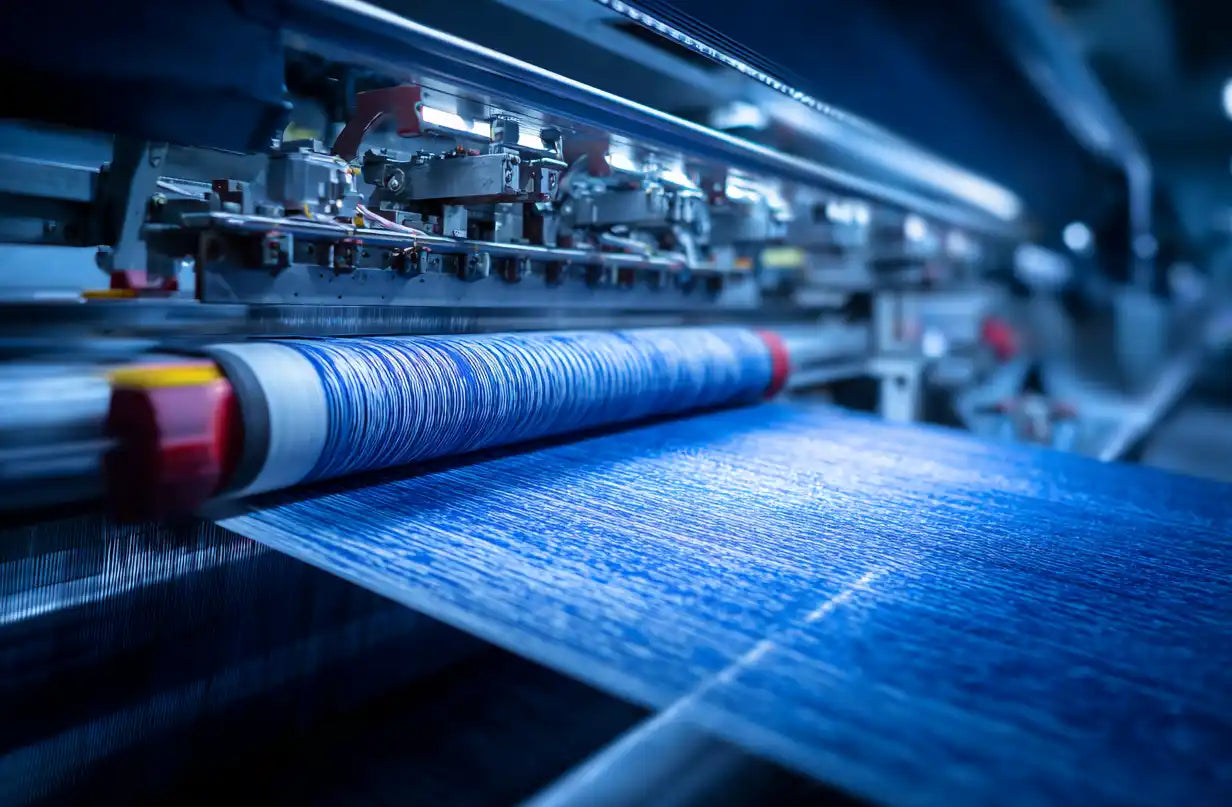
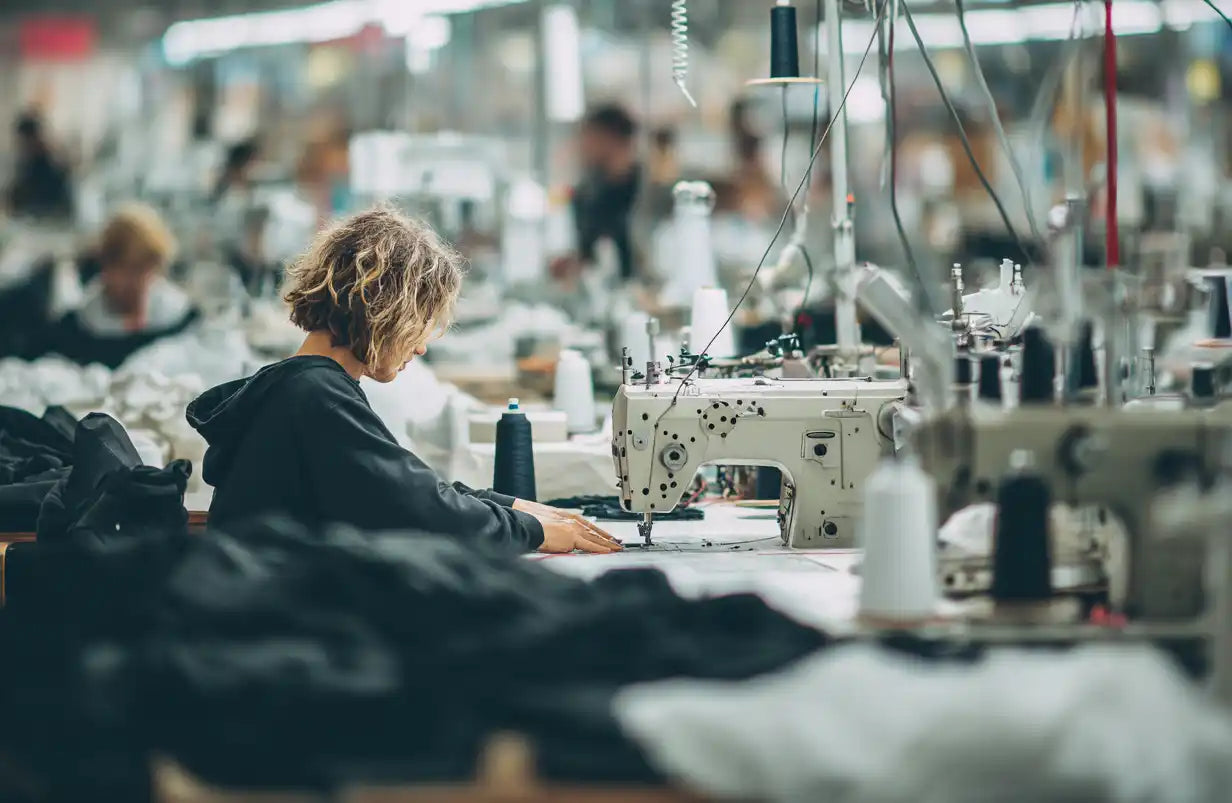
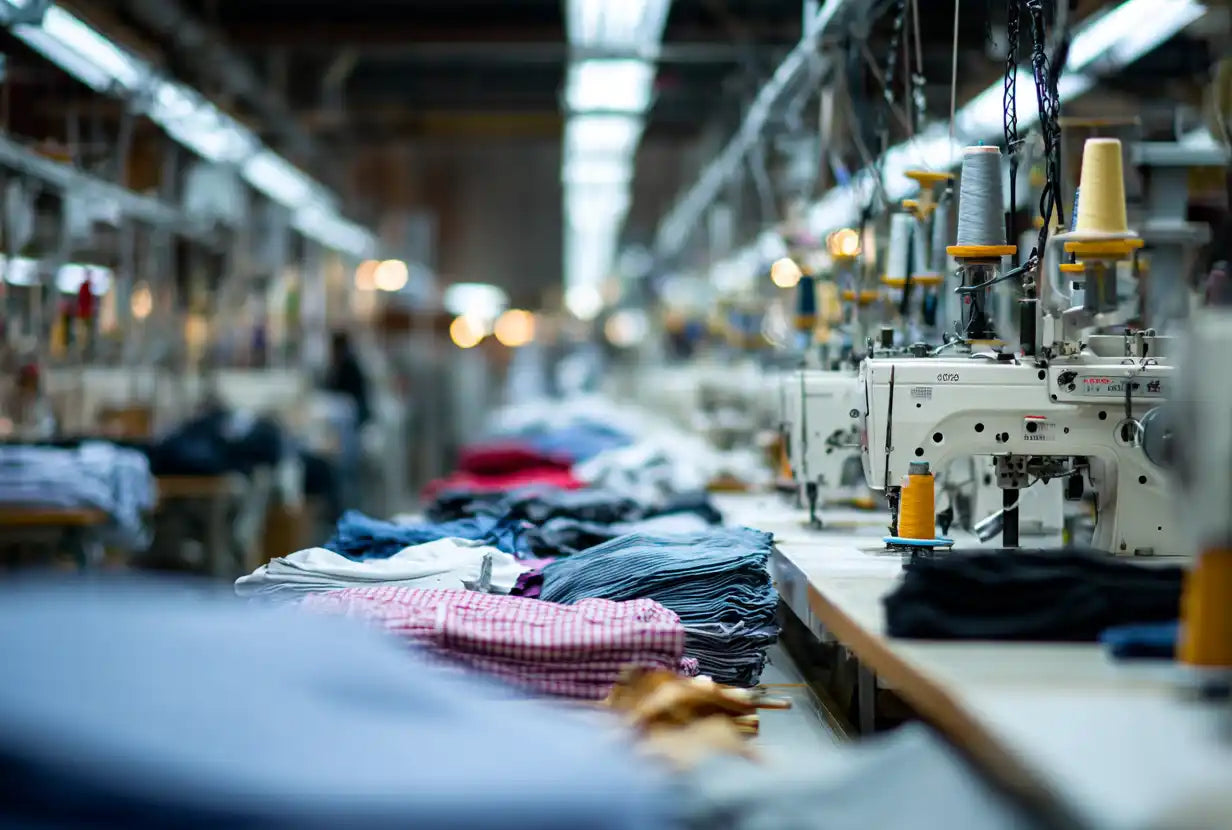
- Custom Manufacturing: Best for brands that need bespoke fits, fabrics, or larger runs. Learn more about typical stages of custom apparel production.
- Handmade / Cut-and-Sew: Premium craftsmanship and unique finishes for limited editions.
Custom Apparel for Teams and Groups
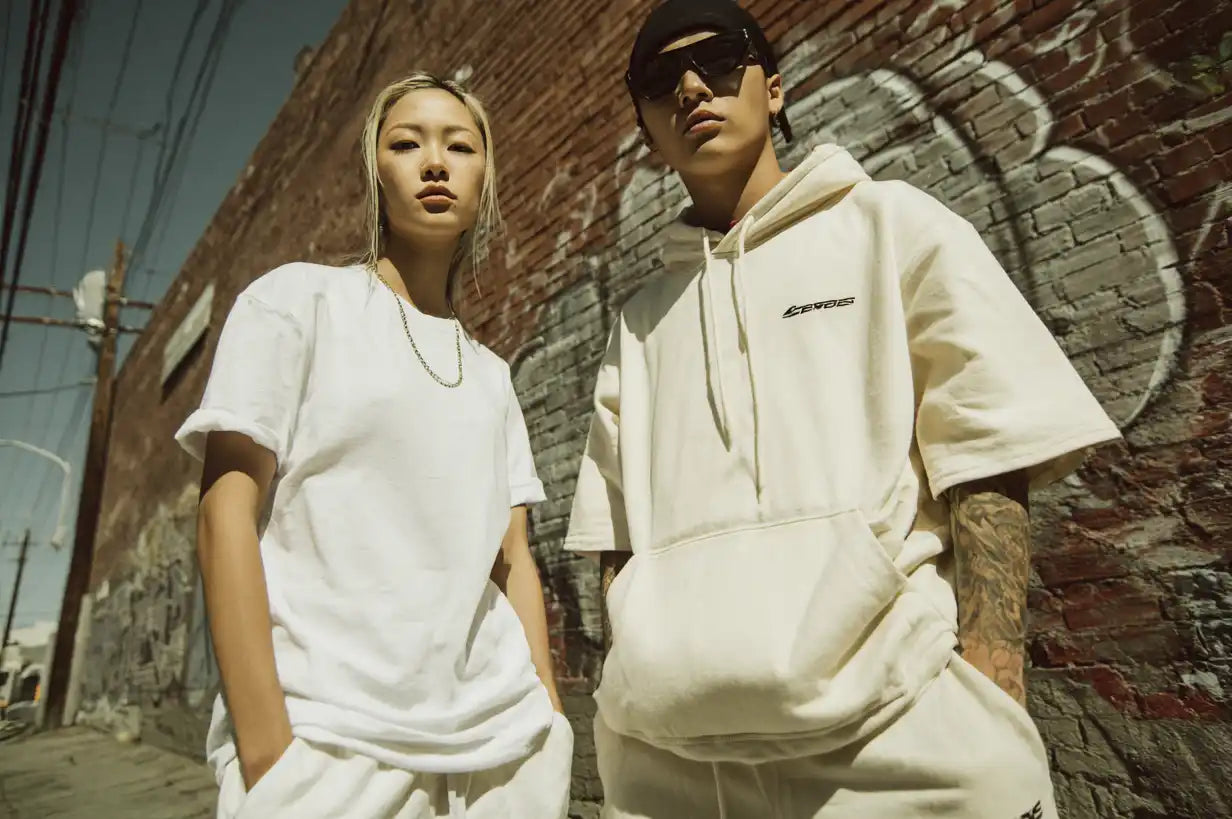
Group uniforms, branded merchandise, and event apparel foster unity and visibility. Popular use cases include sports teams, clubs, corporate swag, and school apparel.
Best Practices for Brand Consistency & Market Success
- Create a brand style guide for logos, color palettes, and typography.
- Use market research to tailor designs to your audience.
- Test concepts with small surveys or focus groups before mass production.
- Release seasonal or limited drops to build excitement and urgency.
- Consider sustainable materials to appeal to eco-conscious customers.
Marketing & Promotion Strategies
- Showcase designs via social media with strong visuals and behind-the-scenes content.
- Run email campaigns for launches, preorders, and VIP offers.
- Collaborate with creators, ambassadors, or micro-influencers.
- Attend pop-ups, markets, and trade shows for in-person exposure.
Common Challenges & How to Overcome Them
- Production errors: Follow printer specs; request a pre-production sample.
- Budget control: Prioritize key features; use digital printing for small batches. For test runs, review low-MOQ considerations to plan quantities and timelines.
- Design revisions: Build time for feedback and iteration.
- Logistics: Plan lead times and shipping early to avoid rush fees.
Resources for Clothing Designers
Books
- Fashion Design Course — Steven Faerm
- The Business of Fashion — Leslie Davis Burns
Tools
- Canva, Placeit (mockups & quick visuals)
- Adobe Creative Cloud (Illustrator, Photoshop)
- Printful, Printify (print-on-demand platforms)
Communities
- Reddit fashion design forums
- LinkedIn industry groups
- Local workshops and meetups
FAQs
What software is best for clothing design?
Adobe Illustrator, CLO3D, and Canva are popular options. Illustrator is standard for vector artwork; CLO3D is great for 3D garment visualization.
What fabrics work well for custom apparel?
Organic cotton, recycled polyester, and blended knits offer comfort and durability. Choose based on use case, budget, and care requirements.
Can I design clothing without a manufacturer?
Yes. Print-on-demand services let you create and ship items without holding inventory, ideal for tests or small runs. If you later move beyond POD, compare white label paths vs custom development.
How long does production usually take?
POD can ship in days; full manufacturing typically spans 6–8 weeks depending on sourcing and volume.