
Custom Packaging Boxes for Premium Apparel Brands
In modern apparel production, packaging has become a functional extension of the garment itself. For brands producing custom made hoodies, custom t shirts, and premium embroidered sweatshirts, custom packaging boxes directly influence perceived value, retail readiness, and brand recall. In 2025, packaging is evaluated by buyers, customers, and distributors as part of product quality — not as an afterthought.
This guide explains how custom packaging boxes are developed, sourced, and integrated into professional clothing production workflows. It also outlines technical considerations, compliance requirements, and common mistakes that impact cost and execution.
What Are Custom Packaging Boxes in Apparel Production?
Custom packaging boxes are branded structural cartons designed to present, protect, and ship finished garments. They are engineered to match garment fold dimensions and weight, ensuring a consistent fit and professional presentation across retail and direct-to-consumer channels.
Unlike generic shipping cartons, these boxes are customer-facing assets. They are often printed, finished, and assembled to match the same visual standards as labels, hang tags, and brand trims.
Why Packaging Boxes Matter for Apparel Brands in 2025
Perceived Value and Price Anchoring
A heavyweight hoodie packed in a rigid or E-flute mailer box immediately signals premium quality. Customers subconsciously associate structural strength and finish quality with garment craftsmanship, even before touching the product.
Brand Recall and Unboxing Experience
Branded boxes create repeat visual exposure. When packaging is reused or shared online, it extends the lifespan of the brand message far beyond the initial purchase.
Wholesale and Retail Readiness
Buyers evaluate packaging consistency when onboarding new suppliers. Custom boxes communicate production maturity and operational reliability in wholesale environments.
How Custom Packaging Boxes Are Made
The process begins with structural engineering based on the garment’s final folded dimensions to ensure a snug fit. Once the dieline is approved, branding is applied via offset or flexographic printing onto flat-packed corrugated or rigid board. Finishing touches like matte lamination or UV coating are applied before the boxes are die-cut and shipped flat to the factory for assembly during the final packing stage.
Common Packaging Box Types for Apparel
| Box Type | Best Use Case | Material | Cost Level |
|---|---|---|---|
| Mailer Box | DTC shipping | E-flute corrugated | Low–Medium |
| Folding Carton | Retail shelves | White kraft board | Low |
| Rigid Box | Premium drops | Wrapped greyboard | High |
| Drawer Box | Gifting programs | Rigid board | High |
Materials Used in Custom Packaging Boxes
Most apparel packaging boxes are made from recyclable paperboard or corrugated cardboard. Many brands now specify FSC-certified materials to meet retail and distributor sustainability expectations.
- Recycled kraft board
- White corrugated board for vibrant print
- Rigid board for premium presentation
- Soy-based inks for lower VOC emissions
Packaging Boxes vs Swing Tags
Packaging boxes shape the first emotional impression, while swing tags deliver product-level information. Boxes communicate brand positioning, whereas tags handle pricing, compliance, and storytelling. Strong brands use both to cover visual and functional requirements.
Packaging for Custom Made Hoodies
Heavy fleece and brushed interiors increase garment bulk, making structural strength critical. Mailer boxes with E-flute corrugation prevent crushing during shipping while maintaining clean presentation.
Packaging Considerations for Custom Embroidery on Sweatshirts
Embroidery adds thickness and localized stiffness. Rigid or drawer boxes protect raised stitch areas and prevent distortion, especially for wholesale shipments and gifting programs.
Packaging for Custom T Shirts
Lightweight garments allow for slimmer folding cartons or low-profile mailers. These reduce shipping costs while maintaining visual consistency with premium brand systems.
How to Source Custom Packaging Boxes Correctly
Packaging must be developed alongside garments to avoid delays and mismatches. When you choose to customize a hoodie, the box dimensions must account for the added bulk of heavyweight fleece and high-density embroidery.
Final garment measurements should be locked before approving dielines. Sampling with real garments is the only reliable way to confirm fit.
Packaging should be aligned with other brand essentials outlined on the Brand Essentials for Custom Clothing Production page to ensure consistency across labels, tags, and finishing.
Common Mistakes to Avoid
- Designing boxes before garment sizing is finalized
- Using overbuilt packaging that inflates shipping costs
- Ignoring ink and finish scuff resistance
- Misaligned branding across tags and boxes
- Failure to include vent holes in inner poly bags, causing box bloating
Sustainability and Compliance Considerations
Brands selling into the EU must comply with extended producer responsibility (EPR) requirements for packaging waste. This includes material reporting, recyclability standards, and labeling obligations.
Using certified and recyclable materials reduces regulatory risk while supporting retailer onboarding.
FAQs About Certification & Standards
Are FSC-certified boxes mandatory?
They are not legally required in all regions, but many retailers expect FSC-certified packaging as a baseline standard for sustainability compliance.
Do packaging boxes require country-of-origin labels?
In most cases, packaging itself does not require fiber labeling, but recycling symbols and origin markings may be required in specific markets.
Are recycled boxes lower quality?
Modern recycled boards meet structural standards for apparel packaging when sourced from verified suppliers.
FAQs About Sourcing & Production
What is the typical MOQ for custom boxes?
MOQs usually range from 500 to 2,000 units depending on box structure and print method.
How long does packaging production take?
Production typically takes 15–30 days after artwork and dieline approval.
Can packaging be produced alongside garments?
Yes, but packaging timelines must be aligned early to avoid bottlenecks during packing.
FAQs About Materials & Care
Do boxes protect embroidered garments?
Yes, especially when combined with tissue or inner poly protection during packing.
Are boxes reusable?
Many brands intentionally design boxes for reuse, increasing brand visibility beyond delivery.
Do boxes affect shipping costs?
Yes. Structural design directly impacts dimensional weight, making box selection a cost decision as well as a branding decision.
If your brand plans to develop new collections using professionally branded packaging and scalable production methods, reach out to our team via the request form to discuss availability and production options.
This guide was authored by the Athleisure Basics Production Team. We help emerging brands navigate the technical complexities of premium apparel sourcing and packaging logistics.
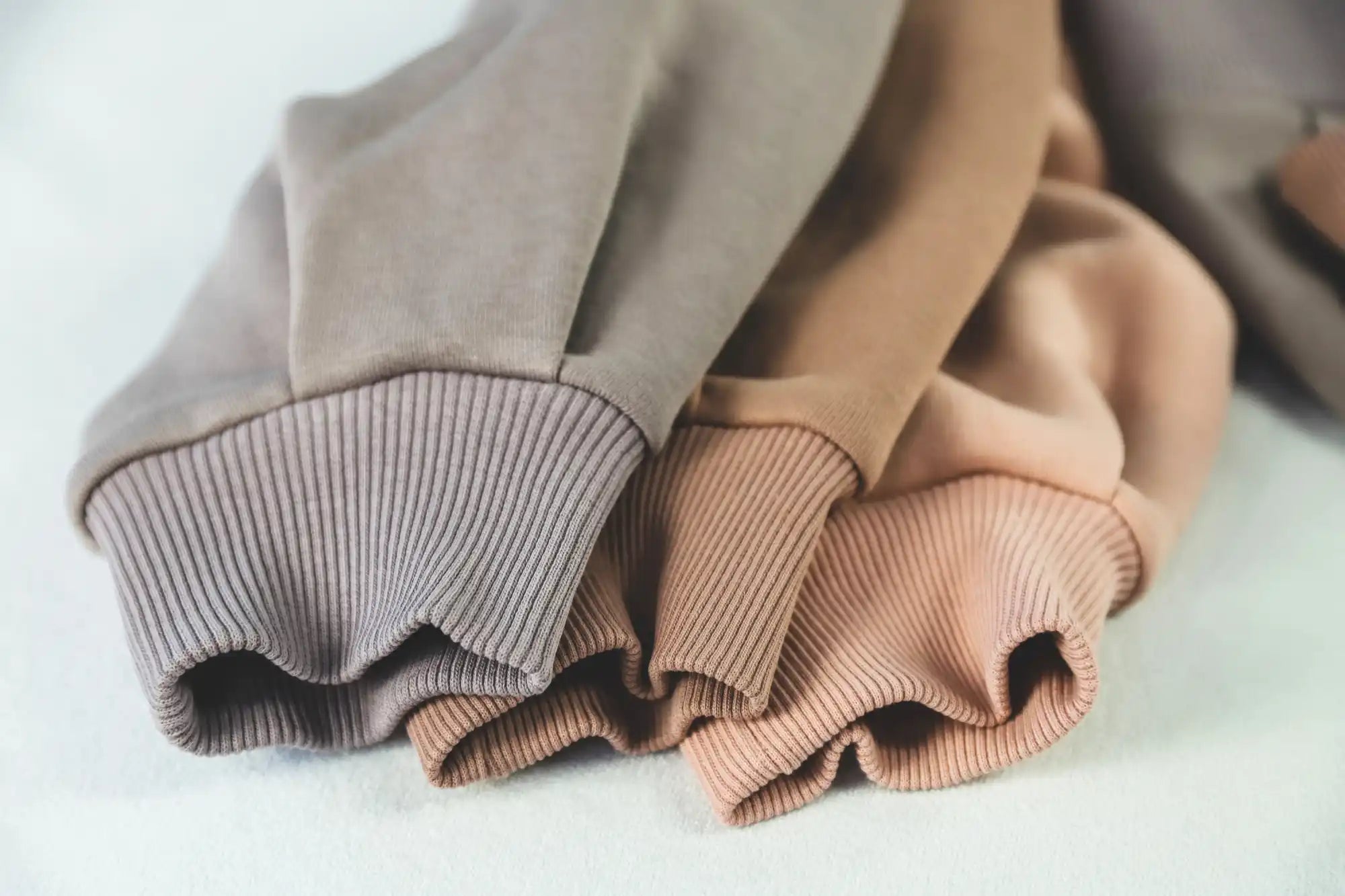
Materials & Fabrics for Clothing Production
Explore cotton, French terry, jersey, fleece, and sustainable blends used in premium apparel manufacturing.
Explore Premium Apparel Fabrics Guide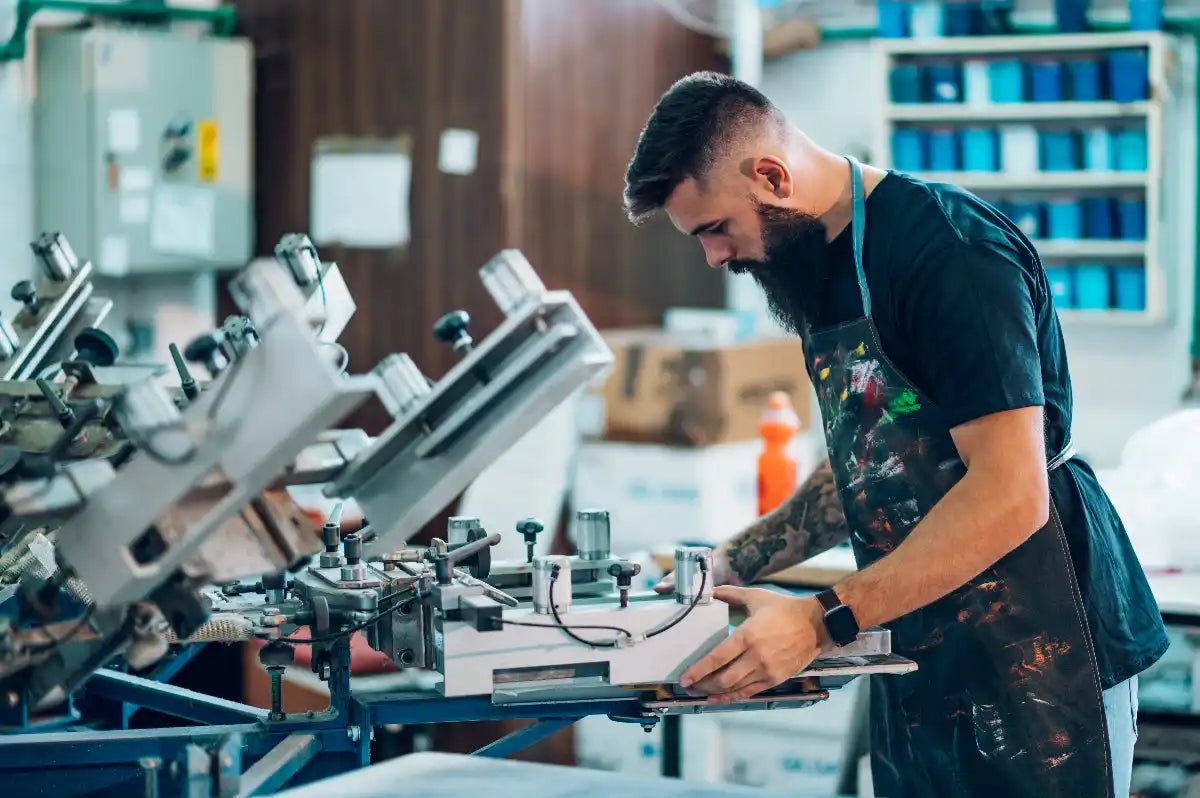
Printing Techniques for Apparel Production
Screen printing, embroidery, puff prints, and digital methods for custom clothing manufacturing.
Explore Custom Apparel Printing Techniques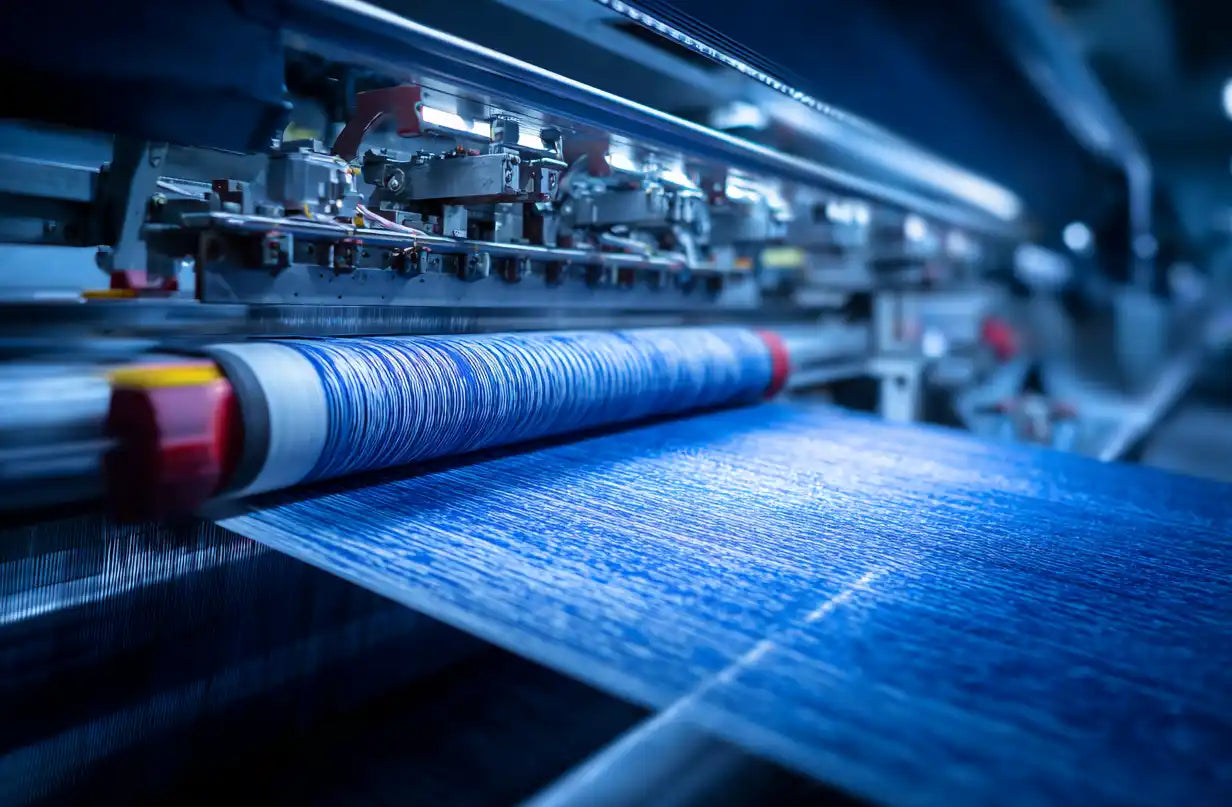
Dyeing Techniques in Clothing Manufacturing
Garment dye, pigment, acid wash, and stone wash finishes that create unique apparel designs.
Compare Apparel Finishing Techniques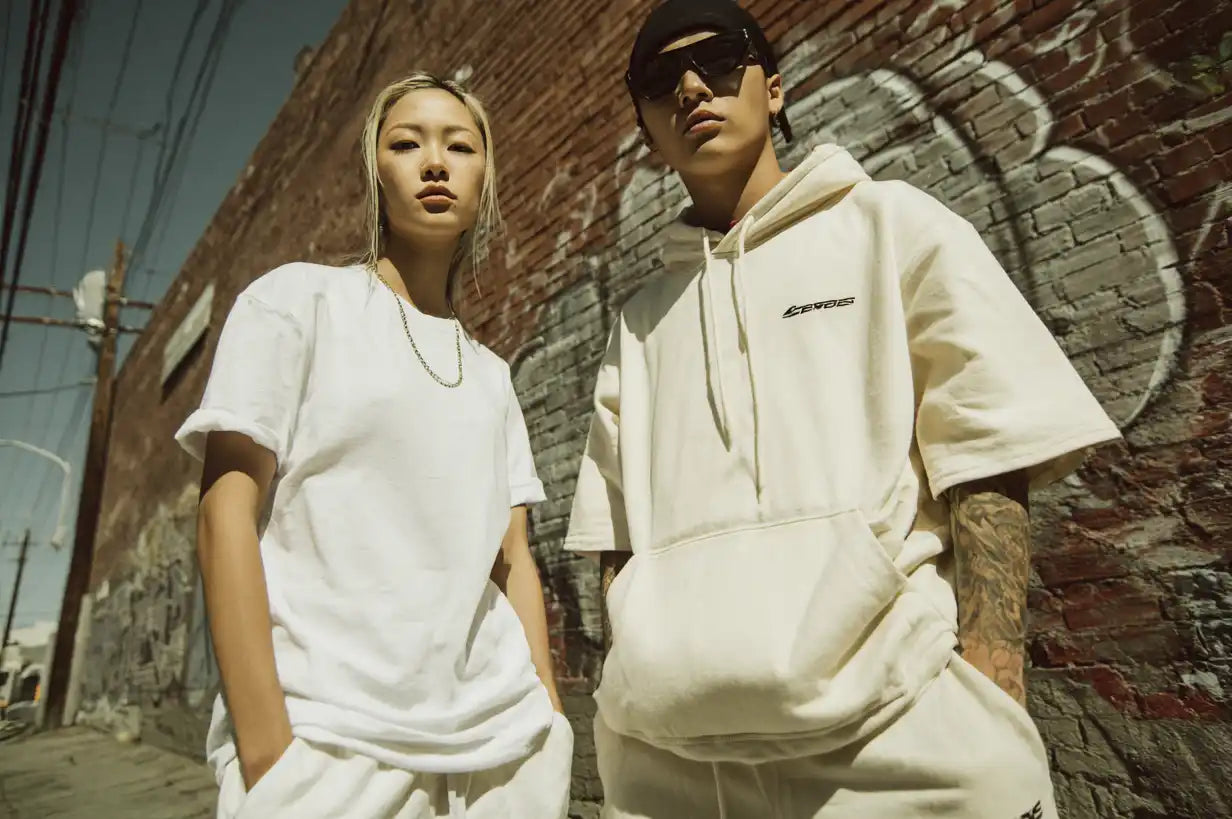
Popular Clothing Items for Custom Apparel
Hoodies, joggers, t-shirts, leggings, and biker shorts — essentials for every apparel collection.
Explore Popular Custom Clothing Items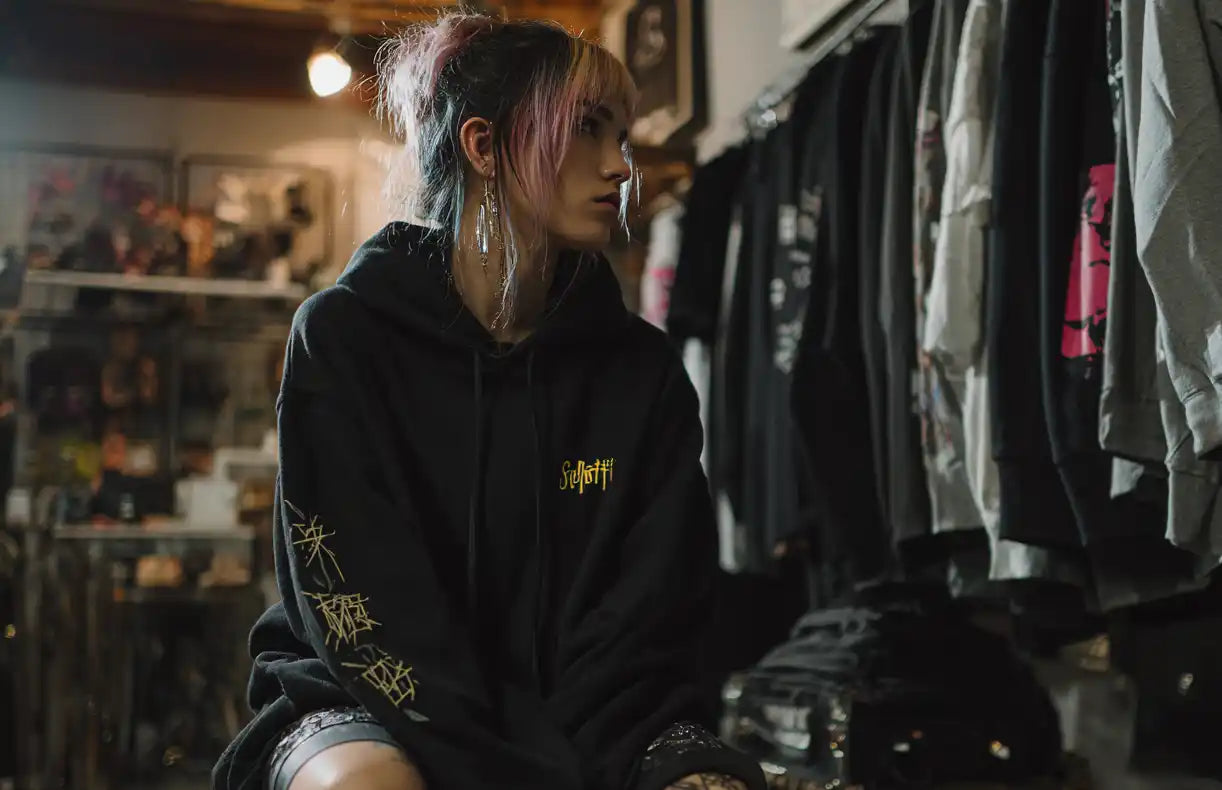
Trends & Designs in Modern Apparel
Oversized fits, streetwear influences, and activewear styles driving custom clothing production.
Explore Trends & Designs for Apparel Development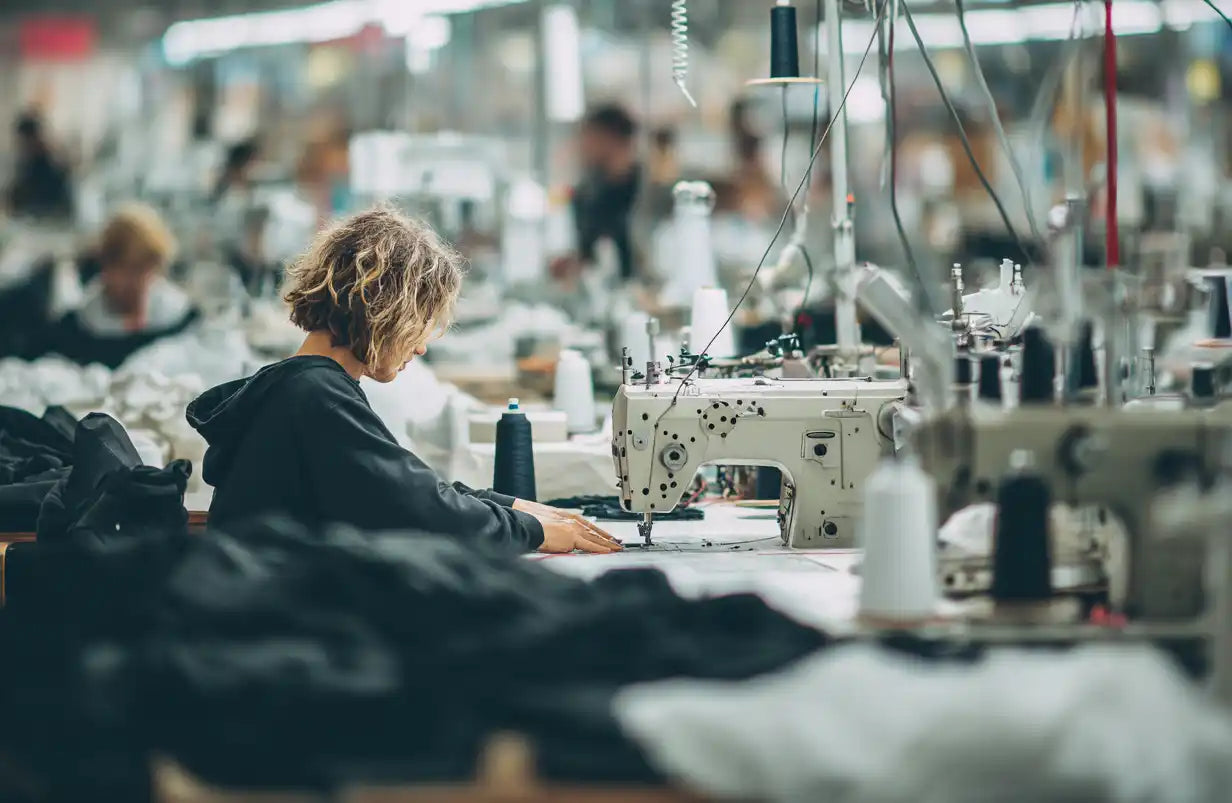
Sustainable & Ethical Clothing Production
OEKO-TEX® certified fabrics, organic cotton, and ethical apparel manufacturing in Portugal.
Understand Sustainable & Ethical Clothing Production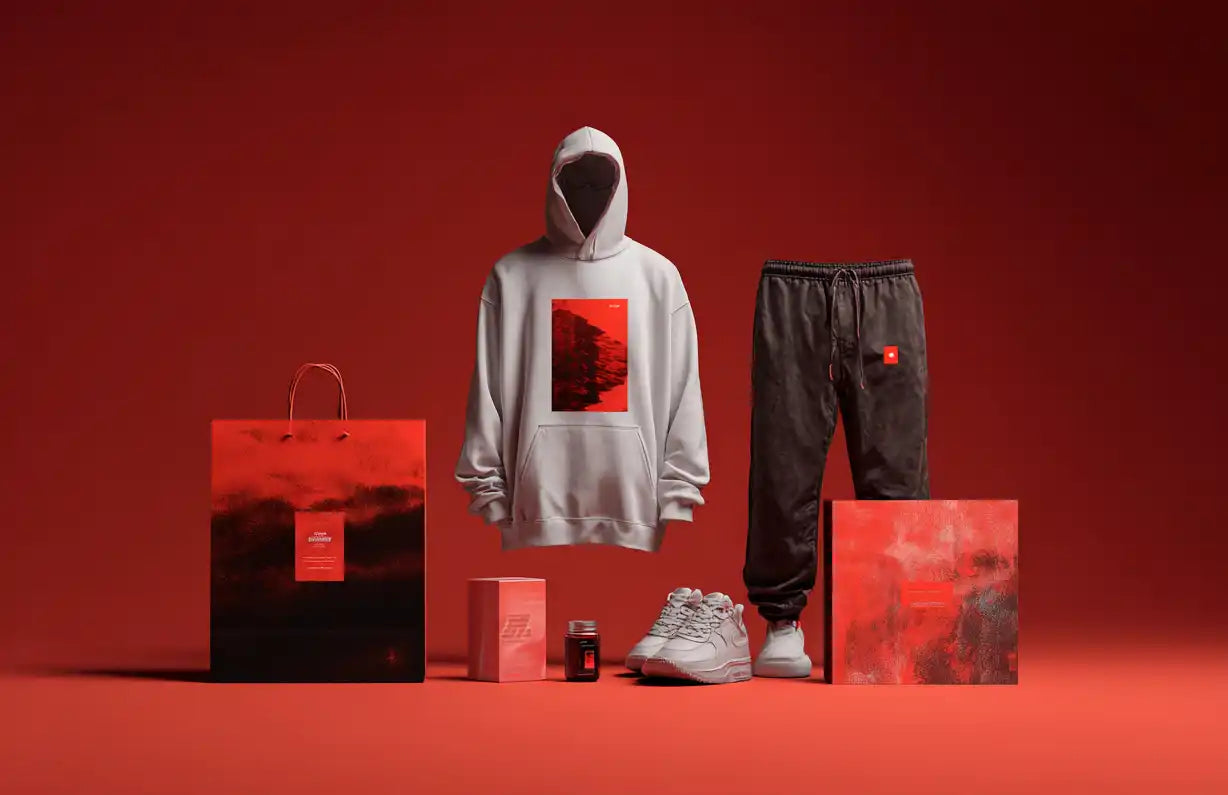
Essentials for Custom Clothing Production
Custom labels, packaging, and trims that elevate your apparel brand in production.
Explore Essentials for Custom Clothing Production
Resources for Custom Clothing Production
Startup guides, logistics support, and scaling strategies for apparel brands and wholesale clients.
Explore Resources for Custom Clothing Production
Clothing Manufacturing Glossary
Explore a complete glossary of clothing and garment manufacturing terms
The Complete Clothing Manufacturing Glossary
The Best Clothing Manufacturers
Explore global clothing manufacturers by country
Explore The Best Clothing Manufacturers
The Latest Clothing Industry Updates in 2025
Discover the latest news about important topics in the clothing industry in 2025,
Stay On Top Of Clothing Industry Updates
Worldwide Best Manufacturers of Clothes in 2026
Top clothing manufacturers worldwide organized by product type
Find The Worldwide Best Manufacturers of Clothes