
Dip-Dye Clothing: Modern Techniques & Trends
The Dip-Dye Process is a partial-immersion dyeing technique where only part of a garment is submerged in color to create a distinctive two-tone or gradient (ombré) transition.
In 2025, dip-dyeing has become a key finish in streetwear and premium athleisure. It delivers artistic gradients with scalable precision—uniting craft, sustainability, and production efficiency for brands seeking distinction.
What Is Dip-Dyeing?
Dip-dyeing colors selected garment sections while leaving others untouched. The technique involves controlled immersion times and depths, resulting in smooth fades or bold cut-offs. Because it is performed after assembly, each piece develops a unique visual identity without losing production consistency.
Step-by-Step Overview
- Fabric Preparation — Pre-washing removes oils so dye penetrates evenly.
- Dye Bath Creation — Eco-certified pigments are mixed at precise temperatures.
- Partial Immersion — Sections of the garment are dipped once or multiple times to build the gradient.
- Fixation — Heat or chemical mordants secure the color permanently.
- Finishing — The piece is softened and tumble-dried for premium hand feel.
Dip-Dye vs. Other Dyeing Methods
| Technique | Description | Result | Best Use |
|---|---|---|---|
| Dip-Dye | Partial immersion | Gradient / two-tone | Hoodies, tees, fleece |
| Garment Dye | Full garment colored post-assembly | Even vintage tone | Cotton fleece |
| Pigment Dye | Surface pigment only | Soft aged look | Premium blanks |
| Tie-Dye | Tied areas resist dye | Patterned motifs | Festival styles |
Why Dip-Dye Is Reshaping 2025 Collections
1. Artisan Detail at Scale
Brands combine individuality and consistency. Automated dipping arms ensure identical depth while retaining the handcrafted aesthetic valued in streetwear.
2. Sustainable Coloring
Dip-dyeing uses up to 30–40 % less water than full-vat processes when paired with closed-loop systems (GOTS source). Eco-certified dyes reduce chemical runoff and improve worker safety (OEKO-TEX Standard 100).
3. Visual Depth & Layering Trends
Gradients add motion and dimension to core garments. Designers layer tonal shifts across fleece sets and heavyweight tees for a natural fade-out effect aligned with color-wash trends detailed in Acid Wash Shirts: The Vintage Trend Making a Bold Comeback.
Best Fabrics for Dip-Dye Finishing
| Fabric | Characteristics | Result |
|---|---|---|
| Organic Cotton Fleece | Absorbent, thick | Soft deep gradient – ideal for hoodies |
| French Terry | Structured loops | Balanced tone distribution |
| Jersey (High Cotton) | Lightweight | Sharp two-tone contrast |
| Tencel™ / Modal | Sustainable cellulosic | Subtle sheen fade |
These materials feature prominently in Premium Blank T-Shirts Portugal and other Understanding Premium Blank Quality guides.
Production & Sourcing in Portugal
Portugal’s textile sector leads Europe in low-impact finishing. Athleisure Basics partners with mills using renewable energy and water-recirculation systems that reduce consumption by nearly 35 %. This integrated network enables low MOQ custom dyeing—perfect for emerging brands exploring sustainable gradient dyeing options.
Learn more in Why a Sustainable Athleisure Supplier Is the Future of Your Brand.
Certifications That Validate Dip-Dye Processes
- GOTS (Global Organic Textile Standard): certifies organic fibers and limits chemical input.
- OEKO-TEX Standard 100: ensures finished textiles are free from harmful substances.
- GRS (Global Recycled Standard): confirms recycled content and chain of custody.
Common Design Applications
| Garment | Effect | Use Case |
|---|---|---|
| Oversized Hoodies | Half-dye split | Signature drops |
| Joggers / Sweatpants | Coordinated fade | Matching sets |
| T-Shirts | Subtle ombré | Everyday streetwear |
| Cropped Tops | Playful color block | Summer lines |
FAQs – Certification & Standards
Are dip-dyed garments certified?
When produced under GOTS or OEKO-TEX frameworks, dip-dyed apparel meets strict chemical-safety and traceability standards verified through annual audits.
Do these certifications apply to small runs?
Yes. Certified partner facilities allow low-MOQ capsule production while maintaining documentation for export and retail compliance.
How can brands verify certification?
Each certified supplier provides a unique license number that can be cross-checked on the GOTS database or OEKO-TEX portal.
FAQs – Sourcing & Production
Where is dip-dyeing performed?
Athleisure Basics conducts finishing in Portugal at partner dye houses equipped for sustainable gradient applications and consistent bulk results.
What are lead times?
Standard dip-dye batches take 3–4 weeks including sampling, testing, and stabilization to ensure shade accuracy.
Can gradient colors be customized?
Yes. Digital color mapping allows brands to match Pantone hues and replicate the same gradient across multiple product categories.
FAQs – Materials & Care
How should dip-dyed items be washed?
Wash cold, gentle cycle, inside out. Avoid bleach and prolonged tumble drying to preserve the gradient.
Will colors fade?
Minimal fading may occur naturally, adding vintage depth, but heat fixation ensures long-term vibrancy.
Can dip-dyed fabrics be over-printed?
Yes—screen or puff printing overlays can enhance tonal contrast without color migration if cured below 160 °C.
The Future of Dip-Dye
Automation and AI-assisted dye monitoring now allow gradient replication with sub-millimeter accuracy. Yet the method’s charm remains human: each garment still bears a one-of-a-kind signature created by time, temperature, and touch.
Conclusion & Next Steps
Dip-dyeing unites creativity, sustainability, and production control—making it an essential finish for brands building depth into minimalist design. If your team plans to develop collections using certified fabrics and advanced dip-dye finishes, reach out via the request form to discuss availability and production options.
Written by the Athleisure Basics Production Insights Team — drawing on over a decade of experience partnering with certified textile facilities in Portugal.
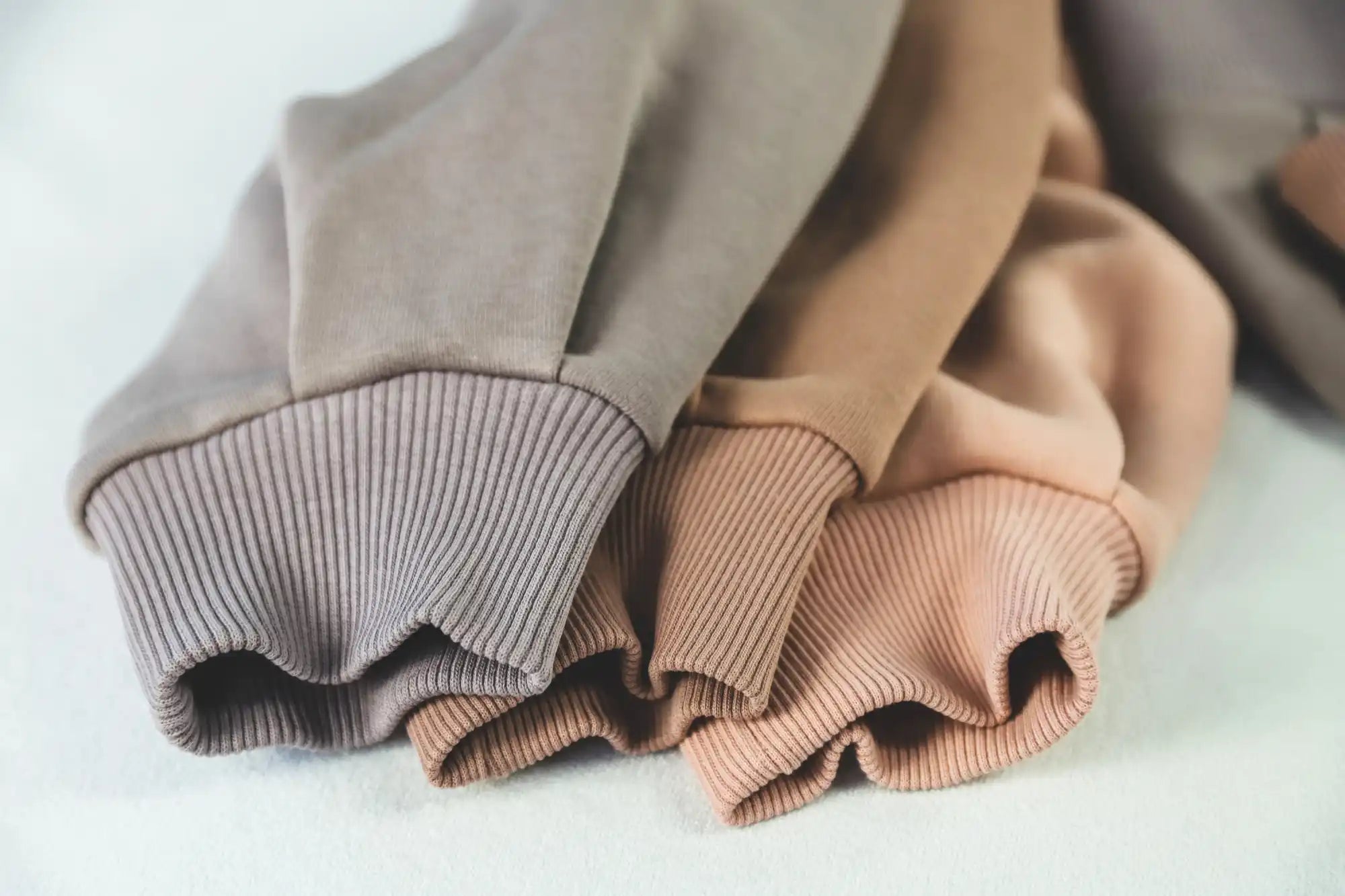
Materials & Fabrics for Clothing Production
Explore cotton, French terry, jersey, fleece, and sustainable blends used in premium apparel manufacturing.
Explore Premium Apparel Fabrics Guide
Printing Techniques for Apparel Production
Screen printing, embroidery, puff prints, and digital methods for custom clothing manufacturing.
Explore Custom Apparel Printing Techniques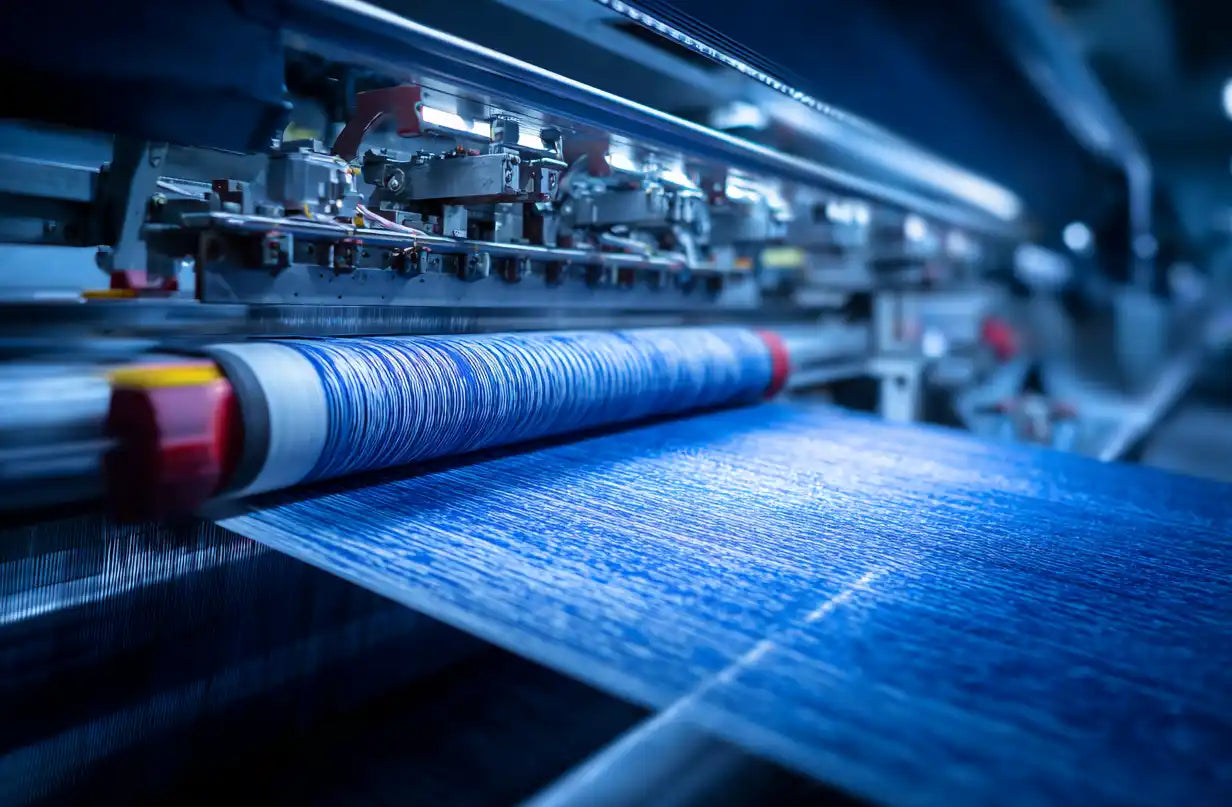
Dyeing Techniques in Clothing Manufacturing
Garment dye, pigment, acid wash, and stone wash finishes that create unique apparel designs.
Compare Apparel Finishing Techniques
Popular Clothing Items for Custom Apparel
Hoodies, joggers, t-shirts, leggings, and biker shorts — essentials for every apparel collection.
Explore Popular Custom Clothing Items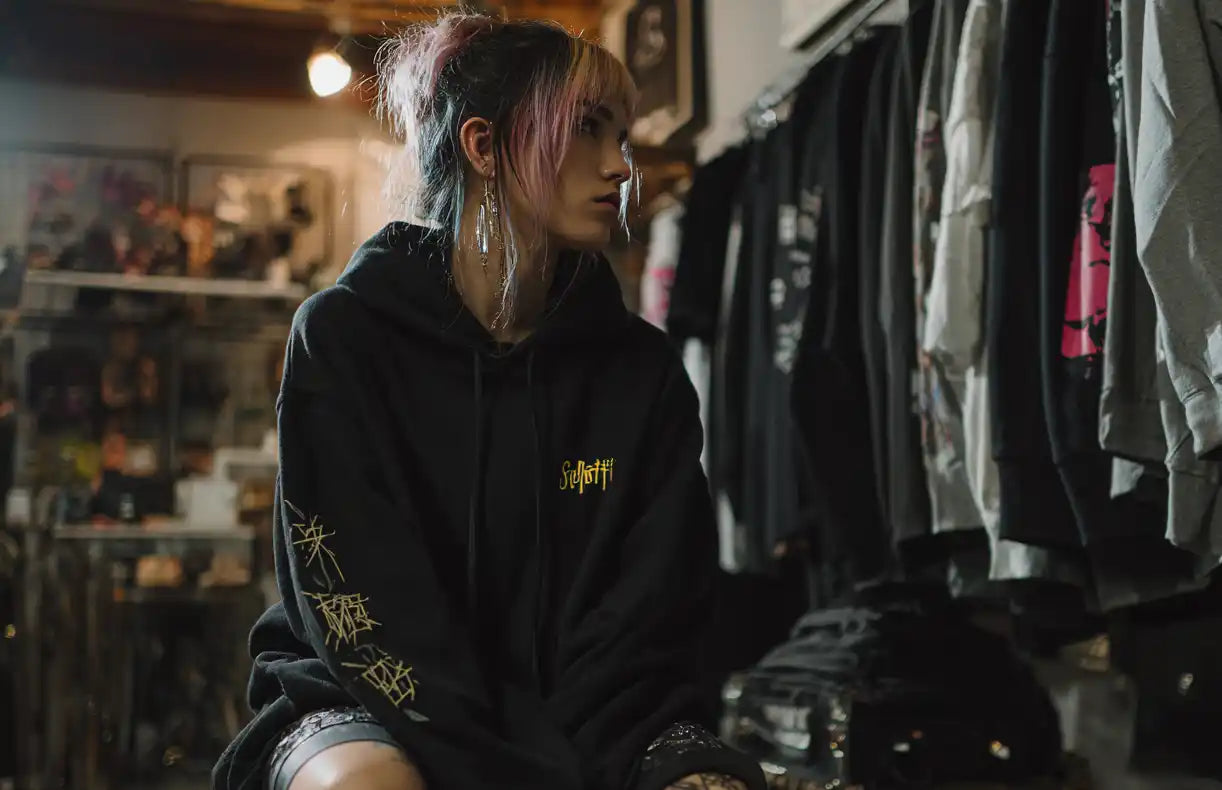
Trends & Designs in Modern Apparel
Oversized fits, streetwear influences, and activewear styles driving custom clothing production.
Explore Trends & Designs for Apparel Development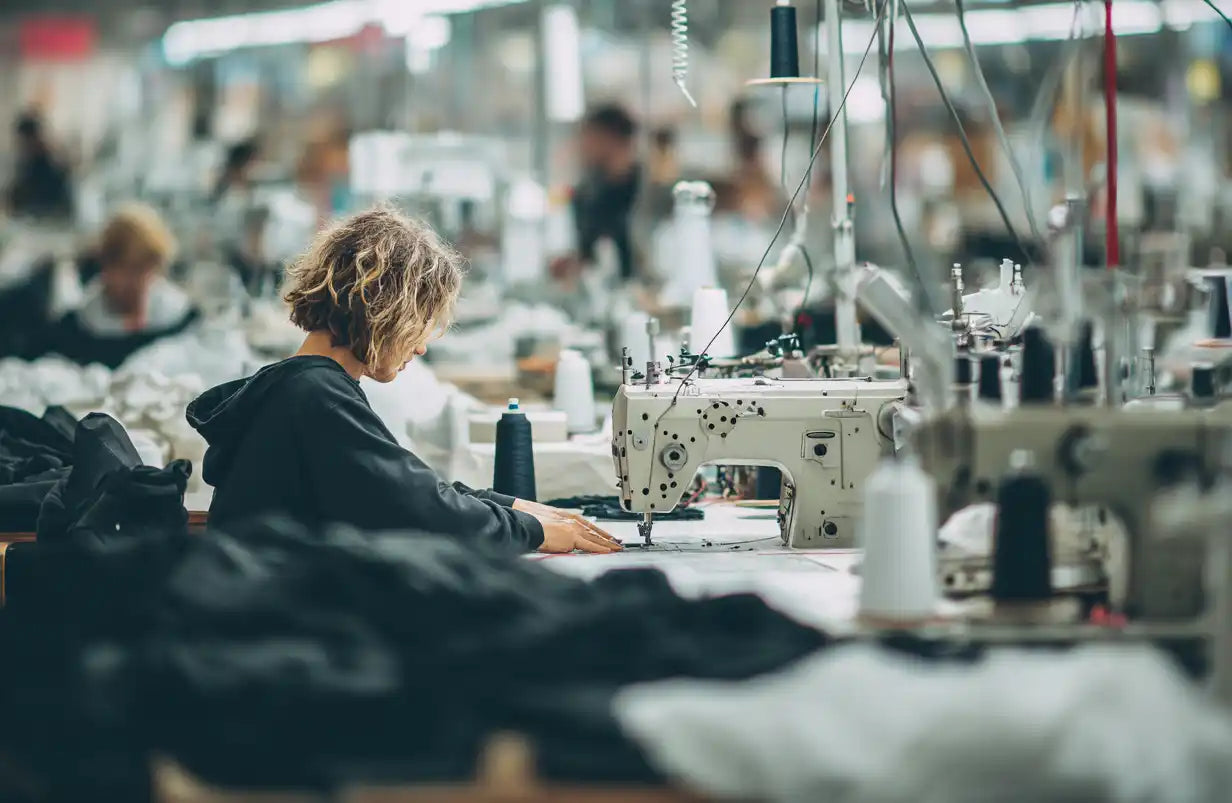
Sustainable & Ethical Clothing Production
OEKO-TEX® certified fabrics, organic cotton, and ethical apparel manufacturing in Portugal.
Understand Sustainable & Ethical Clothing Production
Essentials for Custom Clothing Production
Custom labels, packaging, and trims that elevate your apparel brand in production.
Explore Essentials for Custom Clothing Production
Resources for Custom Clothing Production
Startup guides, logistics support, and scaling strategies for apparel brands and wholesale clients.
Explore Resources for Custom Clothing Production
Clothing Manufacturing Glossary
Explore a complete glossary of clothing and garment manufacturing terms
The Complete Clothing Manufacturing Glossary
The Best Clothing Manufacturers
Explore global clothing manufacturers by country
Explore The Best Clothing Manufacturers
The Latest Clothing Industry Updates in 2025
Discover the latest news about important topics in the clothing industry in 2025,
Stay On Top Of Clothing Industry Updates
Worldwide Best Manufacturers of Clothes in 2026
Top clothing manufacturers worldwide organized by product type
Find The Worldwide Best Manufacturers of Clothes