
Drop Shoulder Fit Guide for Custom Hoodies & T-Shirts
In 2025, aesthetic and style fits play a decisive role in how apparel brands design, source, and scale their collections. Among modern silhouettes, the drop shoulder fit has become a standard construction choice for streetwear, lifestyle, and athleisure categories.
This guide explains how drop shoulder construction works, how it impacts custom made hoodies and custom t shirts, and what sourcing teams must consider to ensure production accuracy, durability, and cost control.
What Is a Drop Shoulder Fit?
A drop shoulder fit is a garment construction where the shoulder seam is intentionally placed below the wearer’s natural shoulder point, extending down the upper arm. This creates a relaxed, oversized silhouette that prioritizes comfort and visual weight over structure.
Drop shoulder fits are widely used in sweatshirts, hoodies, and t-shirts because they simplify pattern grading and allow consistent sizing across unisex and oversized ranges.
Why Drop Shoulder Fits Dominate Streetwear in 2025
Drop shoulder silhouettes align with current consumer demand for comfort-driven apparel that still carries strong visual identity. From a production standpoint, they also reduce complexity and improve consistency.
- Supports oversized and unisex sizing programs
- Reduces armhole stress in heavyweight fabrics
- Improves embroidery and print placement stability
- Streamlines grading across size ranges
How Drop Shoulder Construction Works
Drop shoulder garments are cut with a wider body panel and an extended shoulder line that pushes the sleeve attachment point lower on the arm. The armhole curve is reduced, resulting in a straighter sleeve seam that is easier to assemble.
This construction lowers sewing tension around the shoulder joint, which improves durability in heavyweight cotton, fleece, and French terry fabrics. The simplified geometry also reduces sewing time and minimizes pattern distortion during washing and finishing.
Drop Shoulder vs. Set-In Sleeve Construction
| Feature | Drop Shoulder | Set-In Sleeve |
|---|---|---|
| Fit Profile | Relaxed, oversized | Structured, fitted |
| Pattern Complexity | Low | High |
| Production Speed | Faster | Slower |
| Best Use Case | Streetwear, athleisure | Tailored or performance wear |
Best Fabrics for Drop Shoulder T-Shirts and Hoodies
Fabric selection directly affects how a drop shoulder fit drapes and maintains its intended silhouette. Lightweight fabrics often collapse under oversized cuts, while structured fabrics enhance shape and longevity.
- Heavyweight cotton jersey (220–260 GSM) for t-shirts
- French terry (300–360 GSM) for mid-season hoodies
- Brushed fleece (380–450 GSM) for winter sweatshirts
- Cotton-poly blends for improved dimensional stability
A deeper overview of production-grade textiles is available in the materials and fabrics for clothing production guide.
Drop Shoulder Fits for Custom T-Shirts
Drop shoulder construction is increasingly used for premium custom t shirts because it creates visual weight without relying on heavy embellishment. The wider chest and lowered seam allow graphics to sit flatter across the body.
How Screen Printing Works on Drop Shoulder T-Shirts
Screen printing applies ink through a mesh screen directly onto the fabric surface. For drop shoulder t-shirts, the flatter chest panel reduces ink distortion and improves registration accuracy.
The process is well-suited for bulk production runs and maintains color consistency across oversized size ranges.
Screen Printing vs. DTG Printing
| Factor | Screen Printing | DTG |
|---|---|---|
| Best For | Large runs, bold graphics | Small runs, detailed artwork |
| Durability | High | Moderate |
| Cost Efficiency | Lower at scale | Higher per unit |
How to Customize a Hoodie with Drop Shoulder Specs
When brands customize a hoodie using drop shoulder specifications, they gain consistency across size runs and improved comfort without additional pattern complexity. This makes drop shoulder hoodies ideal for scalable private-label programs.
Brands developing hoodie collections can reference the customize hoodies guide to align fit, fabric weight, and decoration methods.
Custom Embroidery on Drop Shoulder Sweatshirts
Custom embroidery on sweatshirts is frequently paired with drop shoulder construction because the relaxed silhouette minimizes seam interference and fabric tension.
How Embroidery Works on Drop Shoulder Garments
Embroidery begins with digitizing the design into stitch data optimized for the fabric weight. The garment is hooped to maintain tension, and an appropriate backing weight is applied to stabilize the fabric.
Lower shoulder seams reduce puckering risk, while controlled stitch density ensures durability through repeated washing. Proper hooping alignment is critical for oversized sweatshirt panels.
Embroidery vs. Chenille Patches
| Factor | Embroidery | Chenille Patches |
|---|---|---|
| Detail Level | High precision | Bold, textured |
| Durability | Excellent | Moderate |
| Production Complexity | Medium | Higher |
Sourcing Considerations for Drop Shoulder Apparel
Sourcing teams must evaluate pattern standards, shrinkage controls, and decoration compatibility before committing to bulk production.
- Confirm grading rules for oversized silhouettes
- Test fabric shrinkage before embroidery or printing
- Align GSM selection with intended drape
Guidance on supplier evaluation is available in the manufacturer selection resource.
Certifications and Compliance Standards
Certified materials support regulatory compliance and reduce sourcing risk across US and EU markets.
- GOTS for organic textile supply chains
- OEKO-TEX® Standard 100 for chemical safety
Common Mistakes to Avoid
- Using lightweight fabrics causes the shoulder seam to collapse, ruining the intended streetwear silhouette.
- Skipping shrinkage testing leads to embroidery distortion after washing.
- Overloading stitch density increases production time and raises defect rates.
- Mismatched print methods result in premature cracking or ink migration.
FAQs About Certification & Standards
Are drop shoulder garments eligible for GOTS certification?
Yes, provided the fabric and processing stages meet GOTS organic sourcing and chemical requirements. The garment construction itself does not limit certification eligibility.
Does OEKO-TEX® apply to embroidered garments?
Yes, OEKO-TEX® covers finished products, including threads, backings, and inks. Certification helps verify chemical safety for end consumers.
Are certifications required for selling in the US?
They are not mandatory but are widely expected by retailers and consumers. Certifications reduce compliance risk and support brand credibility.
FAQs About Sourcing & Production
Do drop shoulder garments cost more to produce?
In most cases, no. The simplified construction often reduces labor time compared to structured sleeve designs.
Are drop shoulder styles suitable for low MOQ production?
Yes, they are commonly used in low MOQ programs because of their forgiving fit and grading flexibility.
Can patterns be customized per brand?
Yes, body width, sleeve length, and neckline depth can all be adjusted while maintaining drop shoulder geometry.
FAQs About Materials & Care
Do drop shoulder hoodies shrink more?
Shrinkage depends on fabric treatment, not the silhouette. Pre-shrunk fabrics maintain fit consistency.
Is embroidery durable on fleece?
Yes, when correct backing weight and stitch density are used. Proper digitizing ensures long-term durability.
How should consumers wash drop shoulder garments?
Cold washing and low tumble drying help preserve fit and decoration quality over time.
If your brand plans to develop new collections using certified fabrics and scalable production methods, reach out via the request form to discuss availability and production options.
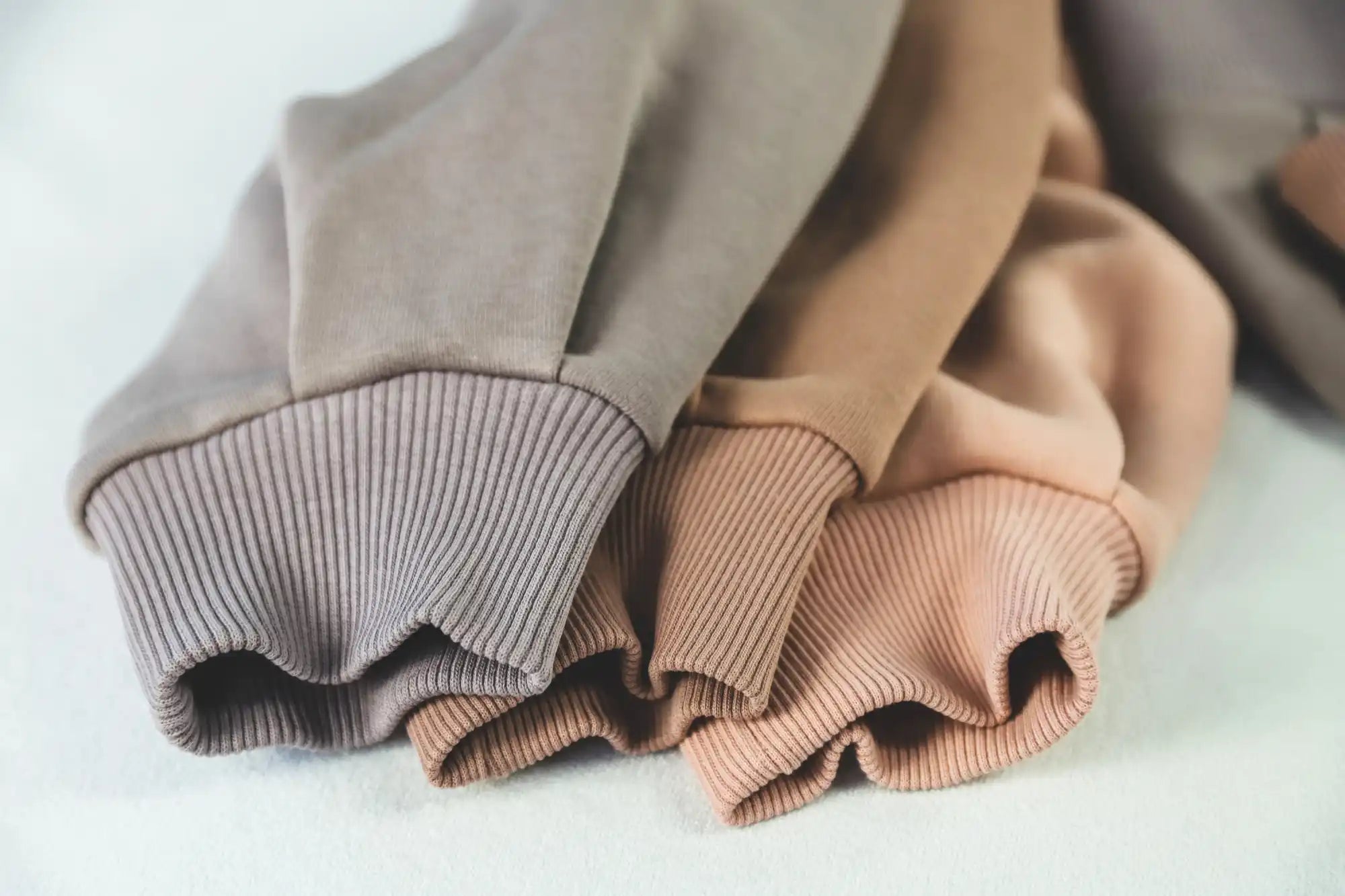
Materials & Fabrics for Clothing Production
Explore cotton, French terry, jersey, fleece, and sustainable blends used in premium apparel manufacturing.
Explore Premium Apparel Fabrics Guide
Printing Techniques for Apparel Production
Screen printing, embroidery, puff prints, and digital methods for custom clothing manufacturing.
Explore Custom Apparel Printing Techniques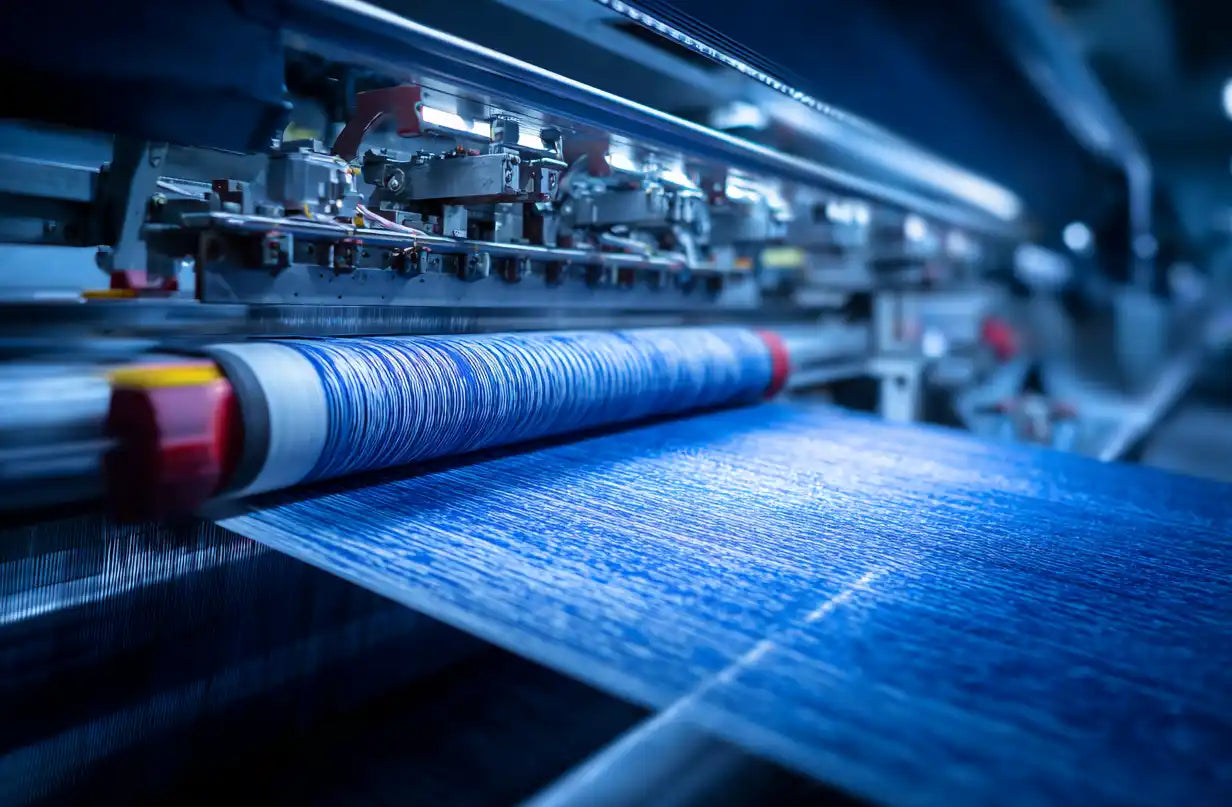
Dyeing Techniques in Clothing Manufacturing
Garment dye, pigment, acid wash, and stone wash finishes that create unique apparel designs.
Compare Apparel Finishing Techniques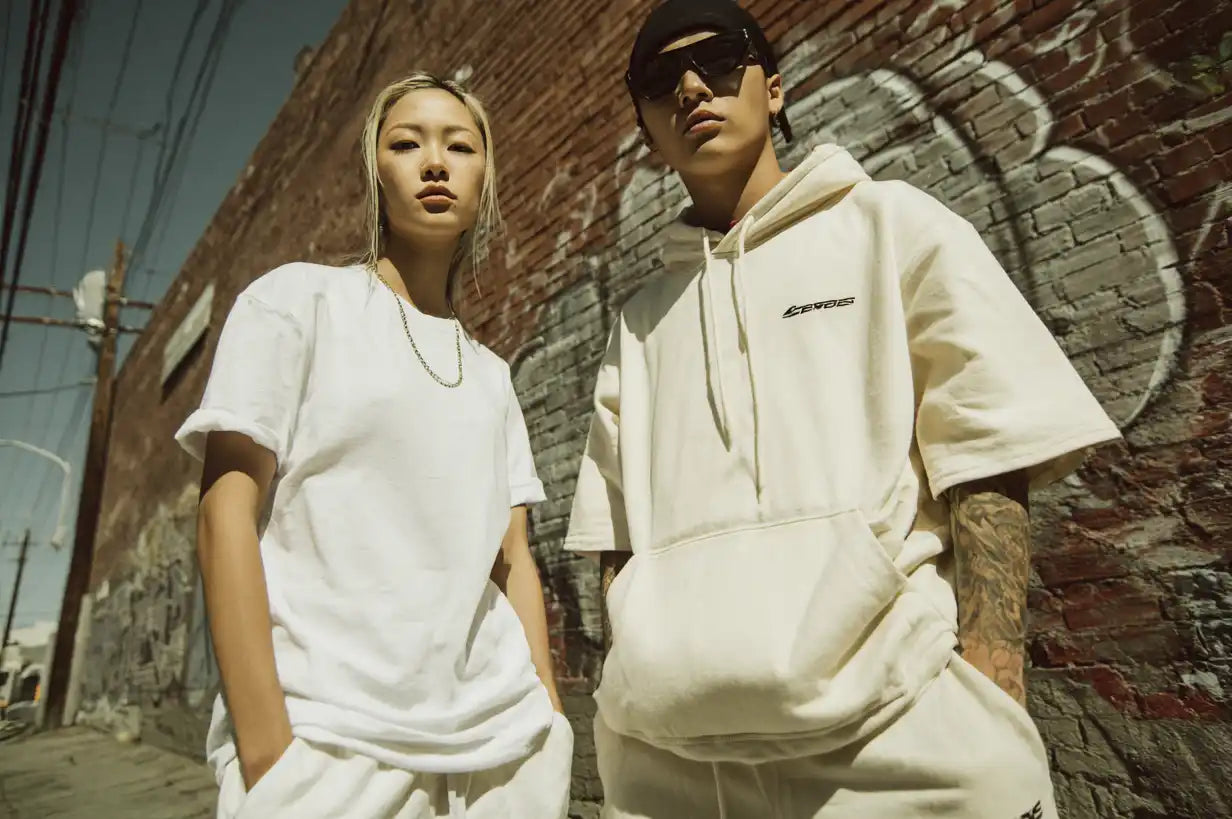
Popular Clothing Items for Custom Apparel
Hoodies, joggers, t-shirts, leggings, and biker shorts — essentials for every apparel collection.
Explore Popular Custom Clothing Items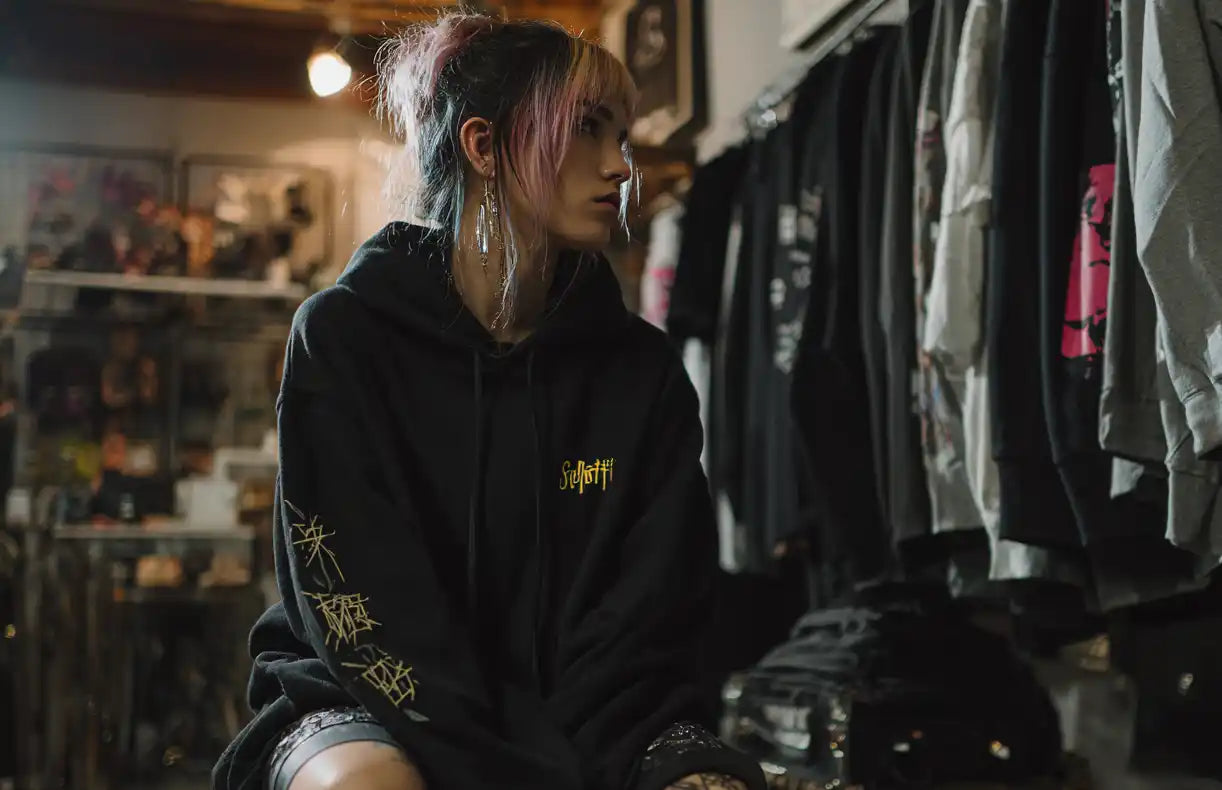
Trends & Designs in Modern Apparel
Oversized fits, streetwear influences, and activewear styles driving custom clothing production.
Explore Trends & Designs for Apparel Development
Sustainable & Ethical Clothing Production
OEKO-TEX® certified fabrics, organic cotton, and ethical apparel manufacturing in Portugal.
Understand Sustainable & Ethical Clothing Production
Essentials for Custom Clothing Production
Custom labels, packaging, and trims that elevate your apparel brand in production.
Explore Essentials for Custom Clothing Production
Resources for Custom Clothing Production
Startup guides, logistics support, and scaling strategies for apparel brands and wholesale clients.
Explore Resources for Custom Clothing Production
Clothing Manufacturing Glossary
Explore a complete glossary of clothing and garment manufacturing terms
The Complete Clothing Manufacturing Glossary
The Best Clothing Manufacturers
Explore global clothing manufacturers by country
Explore The Best Clothing Manufacturers
The Latest Clothing Industry Updates in 2025
Discover the latest news about important topics in the clothing industry in 2025,
Stay On Top Of Clothing Industry Updates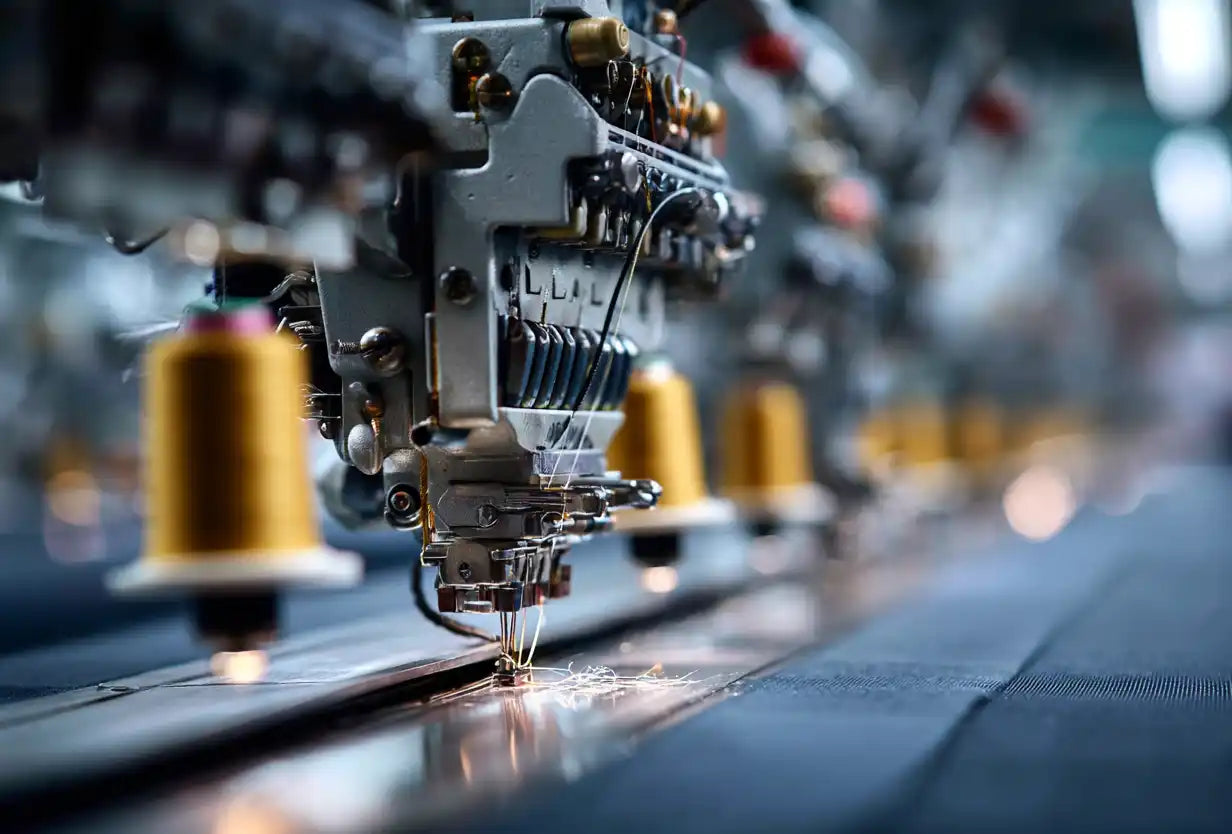
Worldwide Best Manufacturers of Clothes in 2026
Top clothing manufacturers worldwide organized by product type
Find The Worldwide Best Manufacturers of Clothes