
DTF Printing for Custom Apparel: 2025 Sourcing Guide
Digital and on-demand printing has become a core production tool for apparel brands that need speed, flexibility, and controlled risk. In 2025, these technologies are no longer experimental; they are established solutions used by sourcing teams, merchandisers, and production managers across streetwear, athleisure, and lifestyle categories.
This guide focuses specifically on DTF (Direct to Film) printing, one of the most versatile ink-based digital printing methods for custom made hoodies and custom t shirts. While digitally programmed processes such as custom embroidery on sweatshirts are sometimes grouped under digital customization, embroidery remains a stitching technique. This article concentrates on ink-based digital printing, with DTF as the primary method.
What Is Digital & On-Demand Printing?
Digital and on-demand printing refers to apparel decoration methods that transfer artwork directly from a digital file onto a garment without physical screens or plates. Production begins only after an order or design approval, allowing brands to avoid excess inventory.
These methods are commonly used for programs that allow customers to customize a hoodie, test new graphic concepts, or release short-run collections without committing to large minimum order quantities.
Why Brands Are Using DTF Printing in 2025
- Low setup costs compared to screen printing
- Consistent color accuracy on light and dark fabrics
- Compatibility with cotton, blends, fleece, and French terry
- Reliable performance on heavier garments such as hoodies
DTF has become especially relevant for brands producing private-label collections and premium blanks that require repeatable results across different fabric weights and seasonal programs.
DTF Printing Explained
What Is DTF (Direct to Film) Printing?
DTF printing is a digital process where designs are printed onto a PET film using water-based pigment inks. A thermoplastic adhesive powder is applied to the printed ink layer and then cured before the design is transferred to the garment using heat and pressure.
Because the ink layer bonds to the surface of the fabric rather than soaking into it, DTF produces strong opacity and consistent color reproduction across a wide range of textiles.
How DTF Printing Works
Artwork is printed in reverse onto PET film, followed by the application of adhesive powder while the ink is still wet. The film is cured at controlled temperatures to activate the adhesive without degrading flexibility. Once cured, the design is heat-pressed onto the garment and the carrier film is removed, leaving the ink and adhesive permanently bonded to the fabric.
[Insert Graphic: DTF Layering Process Diagram]
Best Garments for DTF Printing
DTF performs best on medium-to-heavyweight garments where opacity, durability, and surface consistency matter. Most sourcing teams specify blanks in the 240–450 GSM range for dependable results.
- Heavyweight fleece hoodies
- French terry sweatshirts
- Cotton and cotton-poly t-shirts
DTF pairs particularly well with structured blanks from the Hoodies Collection and T-Shirt Collection.
DTF vs DTG Printing
| Feature | DTF Printing | DTG Printing |
|---|---|---|
| Fabric compatibility | Cotton, blends, polyester | Best on 100% cotton |
| Opacity on dark fabrics | High | Limited without pretreatment |
| Texture | Slightly raised, flexible | Ink absorbed into fabric |
| Wash durability | 50+ washes at 40°C | Varies by pretreatment quality |
The Economics of DTF Printing
DTF printing is most cost-efficient for small to mid-sized orders under approximately 50 units or for designs with multiple colors. Because there are no screen setup fees, brands can test designs or run limited drops without incurring high upfront costs.
For large-volume orders with simple artwork, screen printing typically becomes more economical beyond 75–100 units. Many sourcing teams use DTF for early-stage launches and transition to screen printing once demand is proven.
[Insert Chart: DTF vs Screen Print Cost Break-even]
Common Mistakes to Avoid
- Overcuring film: Results in brittle prints or yellowing. Solution: Monitor curing temperature so the adhesive melts without scorching.
- Under-pressing: Causes poor adhesion and edge lifting. Solution: Match heat press time and pressure to garment thickness and GSM.
- Incorrect fabric choice: Lightweight fabrics may feel stiff. Solution: Use DTF primarily on mid-to-heavyweight garments.
- Poor artwork scaling: Large solid areas reduce breathability. Solution: Break up large fills or combine with embroidery for balance.
Certifications & Compliance
Compliance in DTF printing depends on the inks, films, adhesives, and base garments used in production. Common standards referenced by sourcing teams include:
- OEKO-TEX® Standard 100 – chemical safety for inks and materials (official authority)
- GOTS – applies when printing on certified organic textiles (official authority)
- EU REACH – mandatory chemical compliance for products sold in the European Union
Frequently Asked Questions
Is DTF printing suitable for custom made hoodies?
Yes. DTF printing performs particularly well on fleece and French terry hoodies in the 300–450 GSM range, which are commonly used for premium and midweight apparel programs. The process delivers strong opacity on dark colors and maintains flexibility when properly cured. For brands producing custom made hoodies in small to mid-sized runs, DTF offers consistent results without the setup costs associated with screen printing.
Can DTF be combined with custom embroidery on sweatshirts?
Yes. Many apparel brands combine DTF for large or multi-color graphics with custom embroidery on sweatshirts for logos, crests, or brand marks. This hybrid approach allows teams to balance visual impact with durability and perceived value. Embroidery is often placed on the chest or sleeve, while DTF is used for larger back or front graphics.
How durable are DTF prints?
When produced correctly, DTF prints typically withstand 50 or more wash cycles at 40°C without cracking or peeling. Durability depends on proper curing temperatures, adhesive quality, and accurate heat press settings. Washing garments inside out and avoiding high-heat tumble drying further extends print longevity.
Does DTF printing meet EU and US compliance standards?
DTF printing can meet both EU and US compliance requirements when approved inks, films, and adhesive powders are used. For EU markets, REACH-compliant chemical inputs are essential, while OEKO-TEX® Standard 100 certification is commonly used to verify material safety. Brands should request compliance documentation from their production partners during sourcing.
If your brand plans to develop new collections using scalable digital printing and premium blanks, reach out to our team via the request form to discuss availability and production options.
Reviewed by a production specialist with experience in European apparel manufacturing.
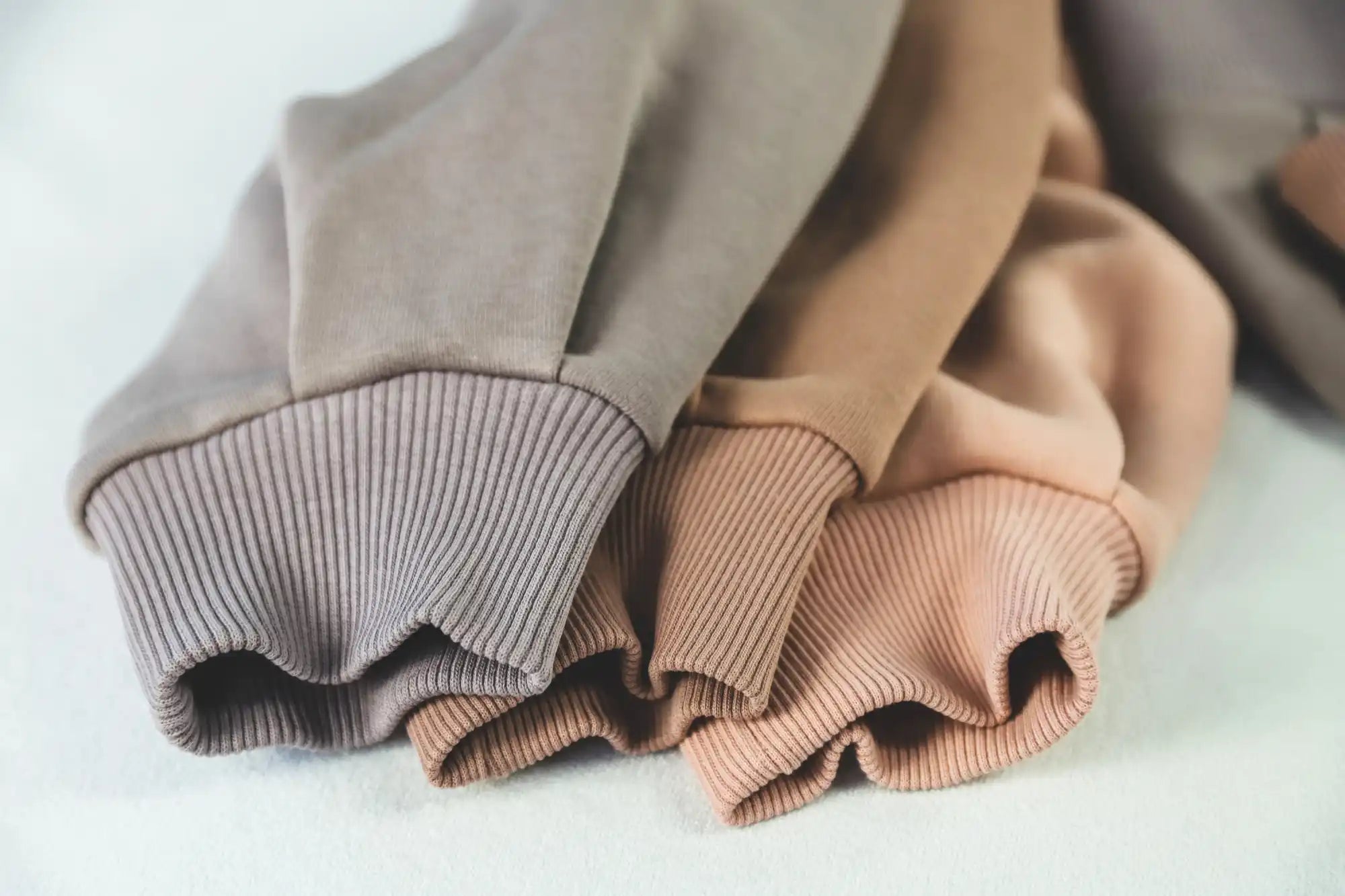
Materials & Fabrics for Clothing Production
Explore cotton, French terry, jersey, fleece, and sustainable blends used in premium apparel manufacturing.
Explore Premium Apparel Fabrics Guide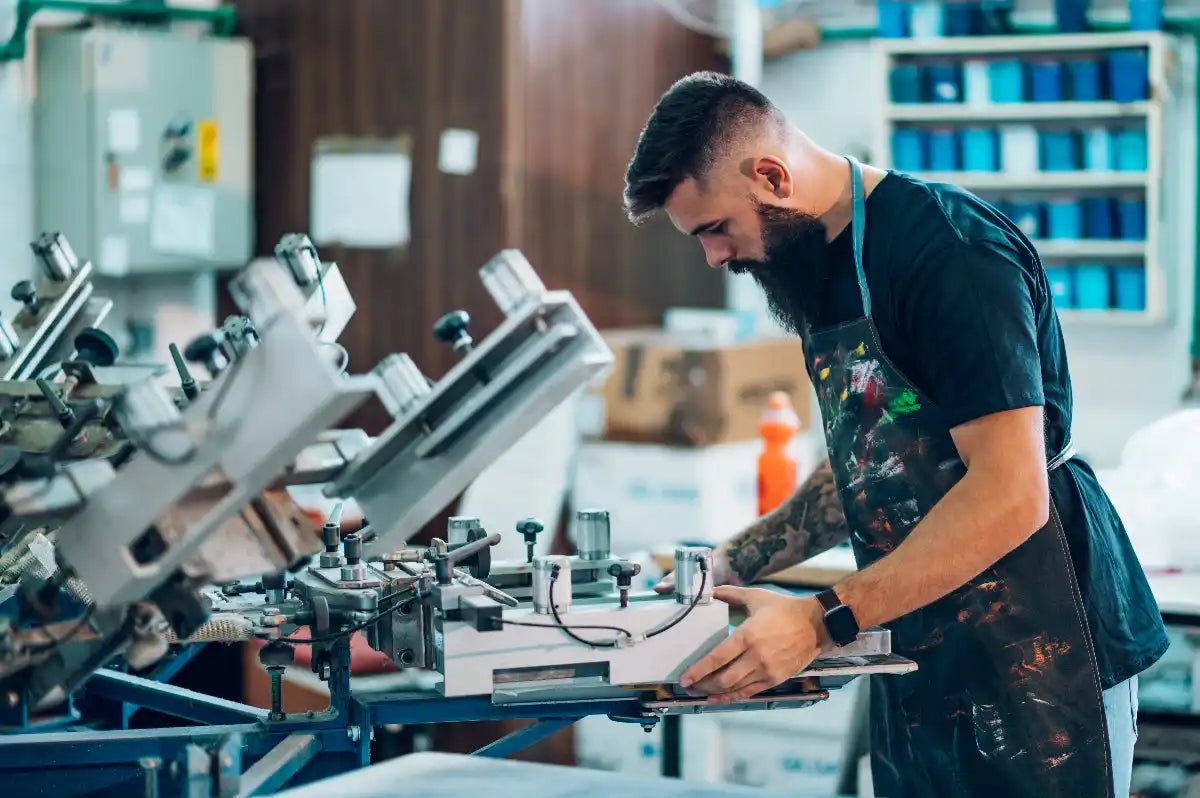
Printing Techniques for Apparel Production
Screen printing, embroidery, puff prints, and digital methods for custom clothing manufacturing.
Explore Custom Apparel Printing Techniques
Dyeing Techniques in Clothing Manufacturing
Garment dye, pigment, acid wash, and stone wash finishes that create unique apparel designs.
Compare Apparel Finishing Techniques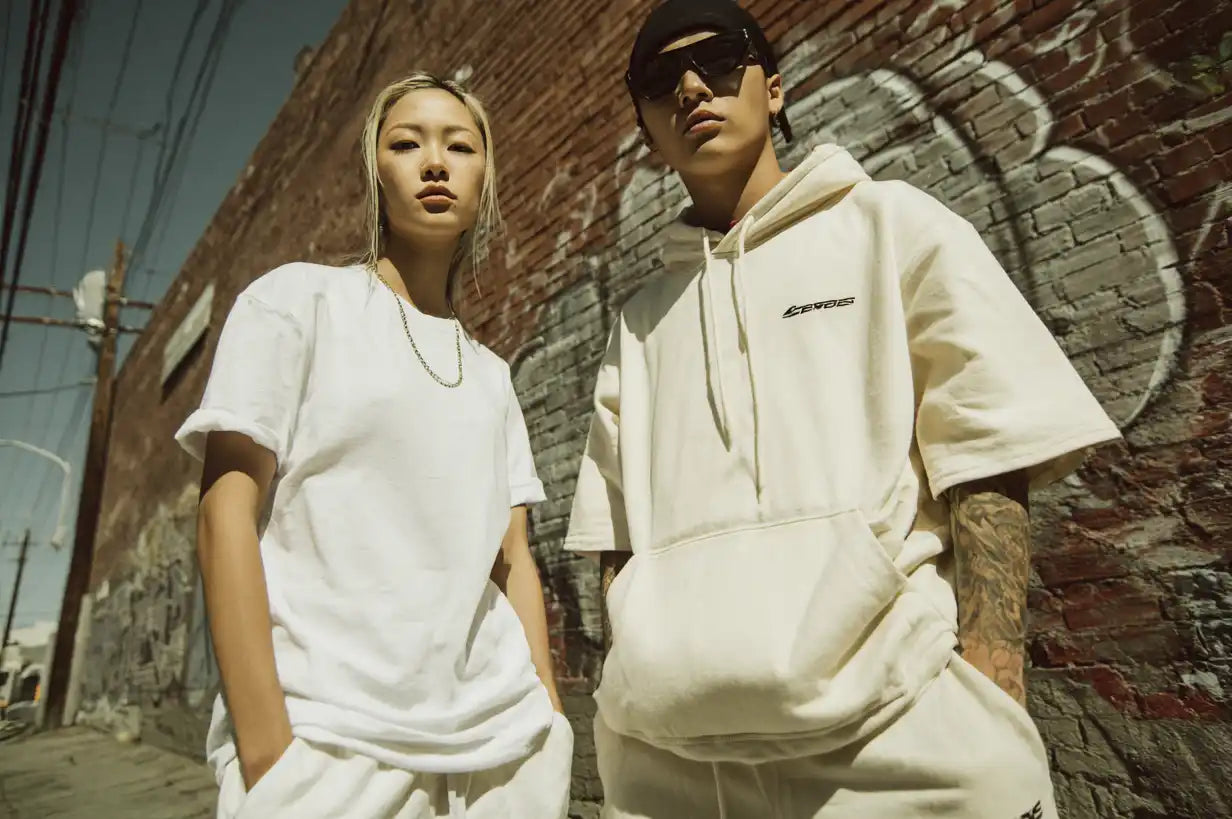
Popular Clothing Items for Custom Apparel
Hoodies, joggers, t-shirts, leggings, and biker shorts — essentials for every apparel collection.
Explore Popular Custom Clothing Items
Trends & Designs in Modern Apparel
Oversized fits, streetwear influences, and activewear styles driving custom clothing production.
Explore Trends & Designs for Apparel Development
Sustainable & Ethical Clothing Production
OEKO-TEX® certified fabrics, organic cotton, and ethical apparel manufacturing in Portugal.
Understand Sustainable & Ethical Clothing Production
Essentials for Custom Clothing Production
Custom labels, packaging, and trims that elevate your apparel brand in production.
Explore Essentials for Custom Clothing Production
Resources for Custom Clothing Production
Startup guides, logistics support, and scaling strategies for apparel brands and wholesale clients.
Explore Resources for Custom Clothing Production
Clothing Manufacturing Glossary
Explore a complete glossary of clothing and garment manufacturing terms
The Complete Clothing Manufacturing Glossary
The Best Clothing Manufacturers
Explore global clothing manufacturers by country
Explore The Best Clothing Manufacturers
The Latest Clothing Industry Updates in 2025
Discover the latest news about important topics in the clothing industry in 2025,
Stay On Top Of Clothing Industry Updates
Worldwide Best Manufacturers of Clothes in 2026
Top clothing manufacturers worldwide organized by product type
Find The Worldwide Best Manufacturers of Clothes