
DTG Printing for Custom Apparel Production
Digital and on-demand printing has become a core production method for apparel brands that prioritize speed, flexibility, and lower inventory risk. As consumer demand shifts toward personalization and shorter product cycles, brands are moving away from large pre-printed inventories. DTG (Direct to Garment) printing supports this shift by allowing production only when demand exists, without sacrificing print quality or color accuracy.
For sourcing managers and production teams producing custom t shirts and custom made hoodies, DTG offers a reliable solution for short runs, rapid sampling, and personalized programs. It allows teams to test new designs, validate demand, and iterate collections without committing to high minimum order quantities. This flexibility is especially valuable for seasonal drops, collaborations, and limited-edition releases.
What Is DTG (Direct to Garment) Printing?
DTG is a digital inkjet printing process that applies water-based textile inks directly onto finished garments. Unlike traditional printing methods, DTG does not rely on screens, films, or transfer layers. Instead, the ink penetrates the fabric fibers, resulting in a softer hand feel and higher detail retention.
- Definition: Digital inkjet printing directly onto garments
- Best for: Small runs, detailed artwork, personalization
- Cost level: Higher per unit with zero setup fees
DTG performs best on cotton and high-cotton-blend garments because natural fibers absorb water-based inks more effectively. For this reason, DTG is widely used in on-demand, made-to-order, and test-market production models where accuracy and flexibility matter more than scale efficiency.
How DTG Printing Works
DTG production begins with garment pre-treatment, a critical step that prepares the fabric surface to properly receive ink. The pre-treatment solution helps control ink spread and improves color vibrancy, particularly on darker garments. Once treated and dried, the garment is positioned on a flatbed DTG printer.
The printer applies the design directly to the garment using precision inkjet heads, following the digital artwork file exactly. After printing, the garment is heat-cured to permanently bond the ink to the fibers. Proper curing ensures wash durability, color stability, and long-term wear performance.
This streamlined workflow allows brands to customize a hoodie or t-shirt individually without increasing setup costs or slowing down production timelines. Each unit can be printed independently, making DTG ideal for personalized or variable designs.
Production Pro Tip: Professional DTG facilities maintain humidity levels between 40–60% to prevent print-head clogging and ensure water-based inks cure evenly across all production batches.
DTG vs Screen Printing
| Factor | DTG Printing | Screen Printing |
|---|---|---|
| Setup Costs | Zero setup fees | Screens and films required |
| Best Order Size | Small to medium runs | Medium to large runs |
| Artwork Complexity | Excellent for gradients and detail | Limited efficiency for complex designs |
| Fabric Compatibility | Cotton-focused | Broad fabric range |
DTG prioritizes flexibility, speed, and design complexity, making it ideal for short runs and variable artwork. Screen printing, by contrast, becomes more cost-efficient as order volumes increase, particularly for simple, repeat designs. Many brands strategically use both methods depending on the product lifecycle stage.
DTG for Custom Made Hoodies
DTG is commonly used for custom made hoodies when brands require short production runs, multiple colorways, or design personalization. Because designs can be changed digitally, production teams avoid the delays and costs associated with physical setup changes. This makes DTG especially useful for limited drops and branded merchandise programs.
For premium positioning, many brands combine DTG printing with embroidery. For high-value hybrid branding, brands often pair DTG prints with custom embroidery on sweatshirts to create visual contrast between flat graphics and textured stitching.
DTG for Custom T-Shirts
DTG is one of the most effective production methods for custom t shirts that feature detailed graphics, photographic imagery, or multi-color artwork. It allows brands to move quickly from concept to finished product without committing to large quantities. This makes DTG a strong option for sampling, influencer merch, and test launches.
Cotton t-shirts provide a smooth and absorbent surface that allows DTG inks to bond effectively with the fabric. This results in sharper detail, better color accuracy, and improved wash durability over time.
Color Accuracy and Design Capabilities
DTG printers use CMYK ink systems capable of reproducing millions of colors, including gradients and fine line details. When printing on dark garments, a white underbase is applied automatically to preserve brightness and contrast. This process ensures consistent results across different garment colors.
Artwork should be supplied at 300 DPI with proper color management to ensure consistency across production batches. Well-prepared files reduce reprints, minimize ink waste, and improve overall production efficiency.
Compliance, Ink Safety, and Global Standards
Professional DTG production relies on water-based inks that comply with global textile safety regulations. These standards help ensure garments are safe for consumers and suitable for sale across multiple regions.
Cost Structure and Production Economics
DTG pricing is driven by print size, ink coverage, and garment cost rather than color count. A key advantage is zero setup fees, which allows brands to produce even single units without added tooling costs. This makes DTG particularly attractive for early-stage brands and limited releases.
While DTG offers flexibility, bulk production methods remain more cost-efficient for high-volume SKUs. Many brands transition successful designs from DTG to traditional printing once demand stabilizes.
Common Mistakes to Avoid
- Using polyester-heavy fabrics without testing, which can cause dye migration or reduced wash fastness
- Improper pre-treatment calibration that leads to dull or inconsistent prints
- Low-resolution artwork that degrades final print quality
- Insufficient heat curing, resulting in premature fading
- Using DTG for large bulk orders where other methods are more efficient
Integrating DTG into a Scalable Production Strategy
DTG works best as part of a hybrid production strategy. Brands often use it for sampling, personalization, and short runs, while scaling core products with more cost-efficient methods. This approach balances speed, flexibility, and long-term margin performance.
If your brand plans to develop new collections using certified fabrics and scalable production methods, reach out to our team via the request form to discuss availability and production options.
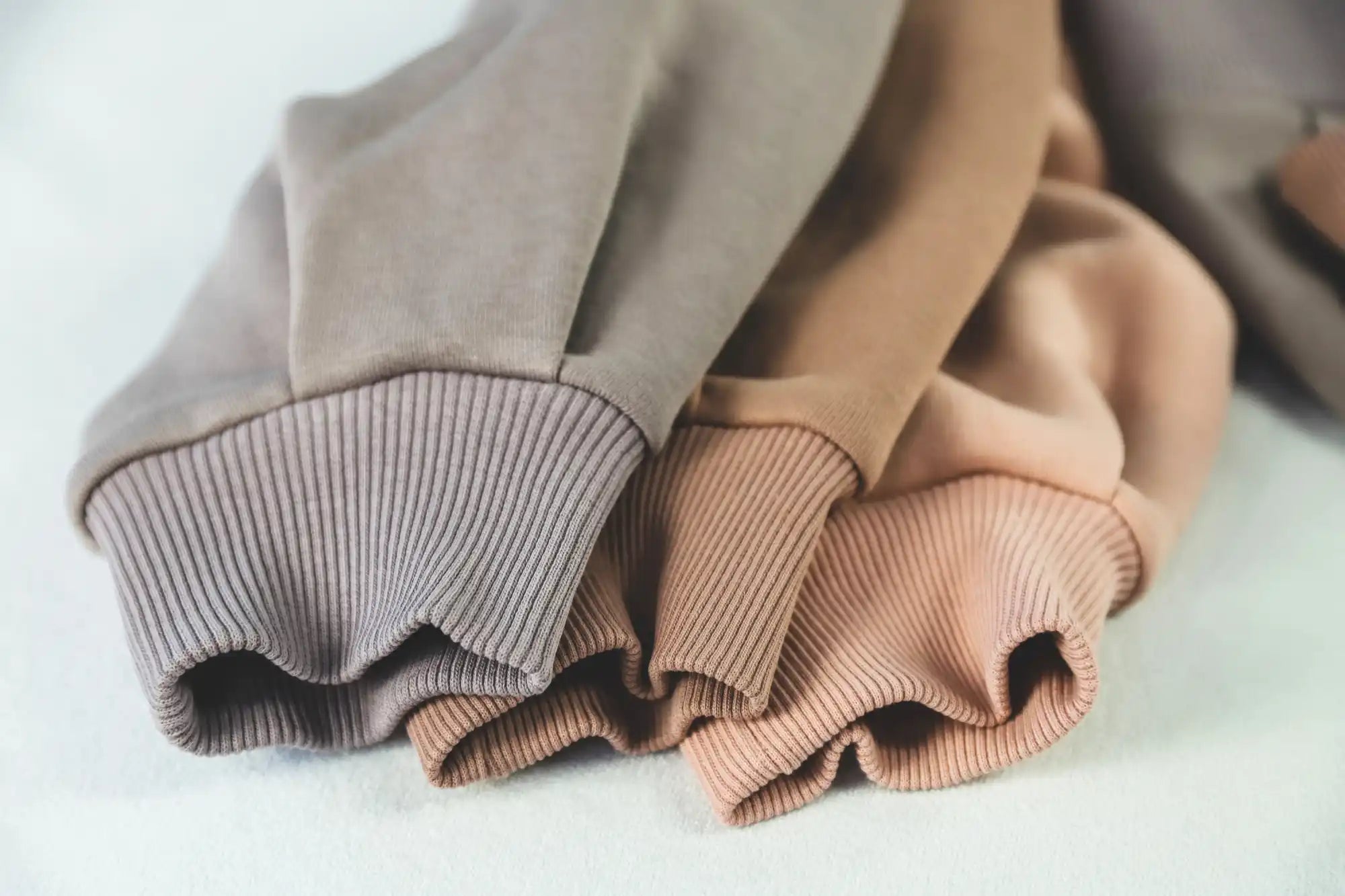
Materials & Fabrics for Clothing Production
Explore cotton, French terry, jersey, fleece, and sustainable blends used in premium apparel manufacturing.
Explore Premium Apparel Fabrics Guide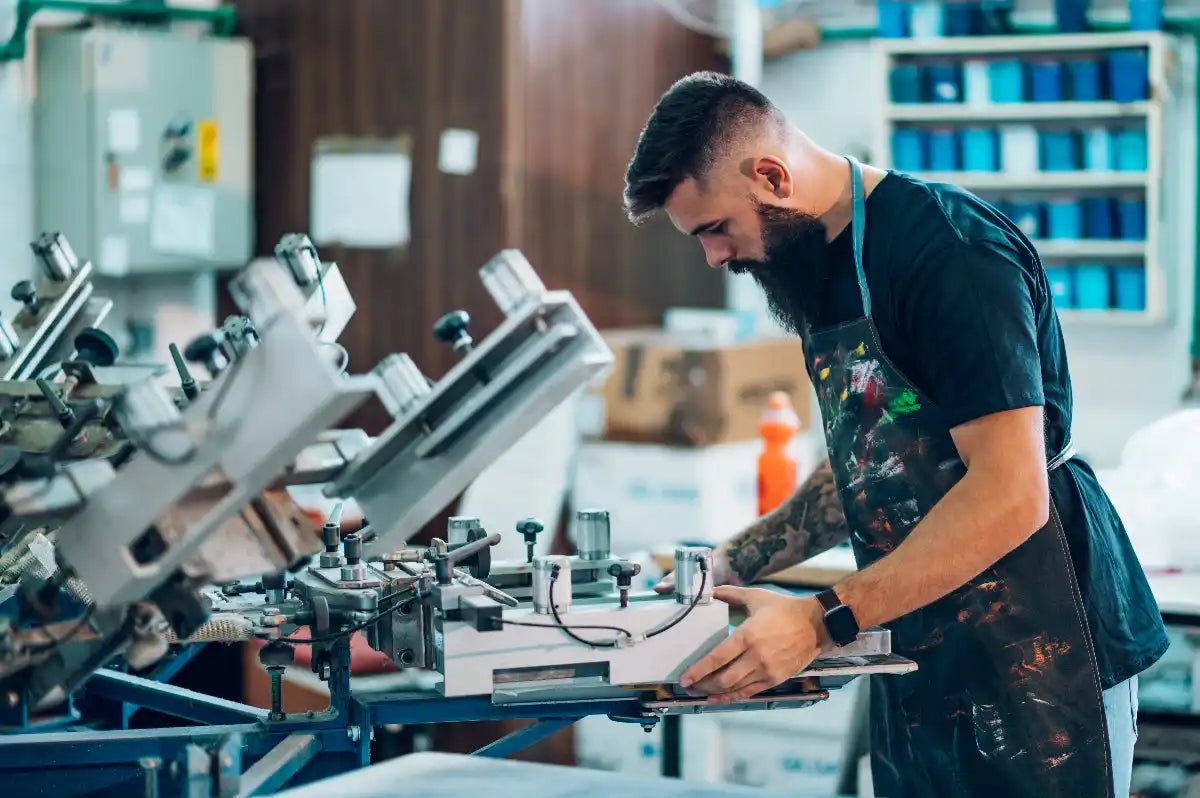
Printing Techniques for Apparel Production
Screen printing, embroidery, puff prints, and digital methods for custom clothing manufacturing.
Explore Custom Apparel Printing Techniques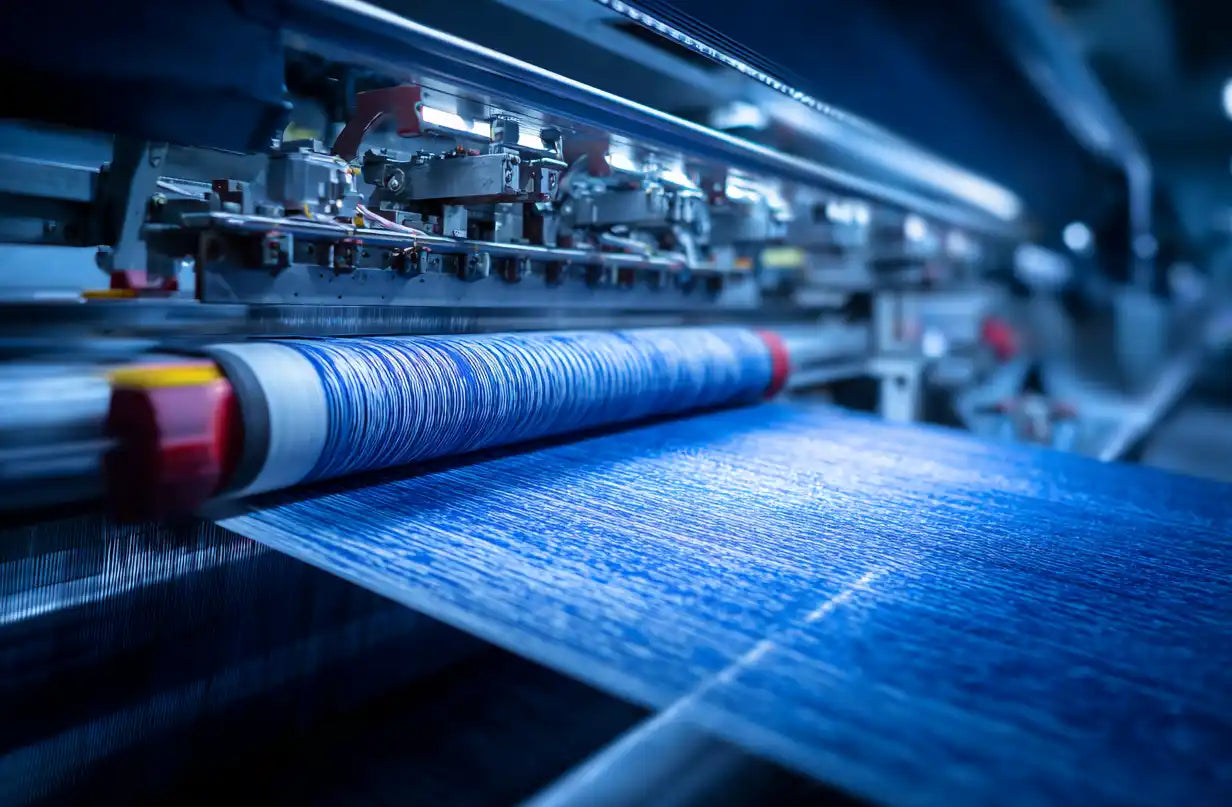
Dyeing Techniques in Clothing Manufacturing
Garment dye, pigment, acid wash, and stone wash finishes that create unique apparel designs.
Compare Apparel Finishing Techniques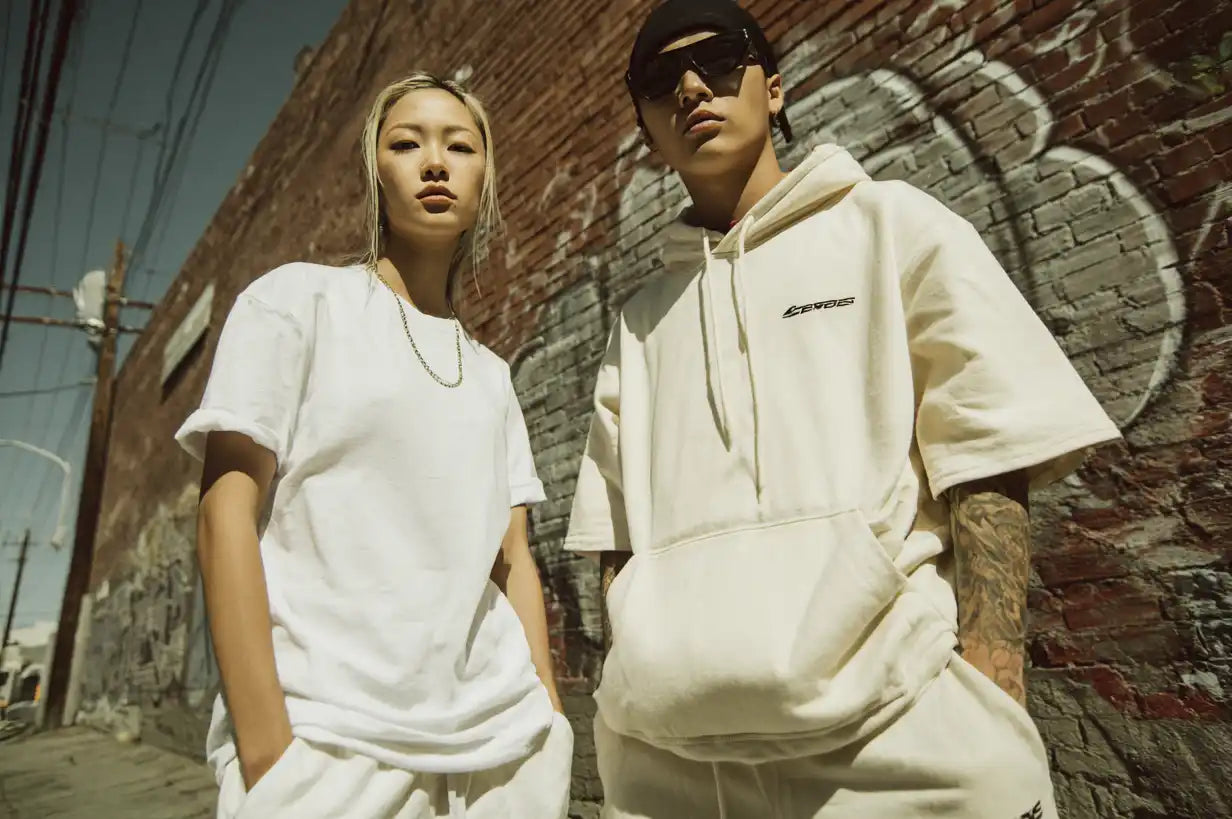
Popular Clothing Items for Custom Apparel
Hoodies, joggers, t-shirts, leggings, and biker shorts — essentials for every apparel collection.
Explore Popular Custom Clothing Items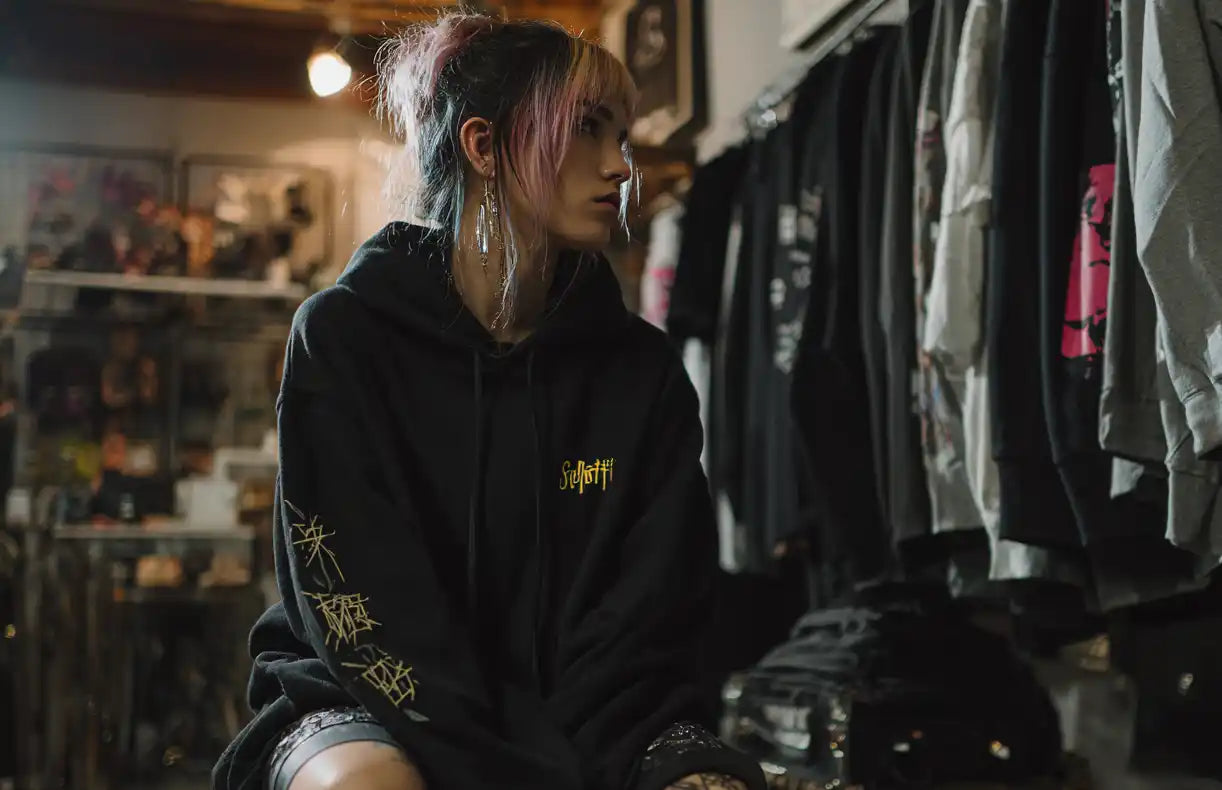
Trends & Designs in Modern Apparel
Oversized fits, streetwear influences, and activewear styles driving custom clothing production.
Explore Trends & Designs for Apparel Development
Sustainable & Ethical Clothing Production
OEKO-TEX® certified fabrics, organic cotton, and ethical apparel manufacturing in Portugal.
Understand Sustainable & Ethical Clothing Production
Essentials for Custom Clothing Production
Custom labels, packaging, and trims that elevate your apparel brand in production.
Explore Essentials for Custom Clothing Production
Resources for Custom Clothing Production
Startup guides, logistics support, and scaling strategies for apparel brands and wholesale clients.
Explore Resources for Custom Clothing Production
Clothing Manufacturing Glossary
Explore a complete glossary of clothing and garment manufacturing terms
The Complete Clothing Manufacturing Glossary
The Best Clothing Manufacturers
Explore global clothing manufacturers by country
Explore The Best Clothing Manufacturers
The Latest Clothing Industry Updates in 2025
Discover the latest news about important topics in the clothing industry in 2025,
Stay On Top Of Clothing Industry Updates
Worldwide Best Manufacturers of Clothes in 2026
Top clothing manufacturers worldwide organized by product type
Find The Worldwide Best Manufacturers of Clothes