Enzyme washing represents a major innovation in sustainable fabric finishing. Instead of using abrasive stones or chemical softeners, this biological process relies on cellulase enzymes to gently polish cotton and cellulosic fibers. The result is smoother texture, lasting softness, and reduced environmental impact — a win for both quality and sustainability.
What Is Enzyme Wash?
Enzyme wash, also known as bio-wash, is a controlled biological treatment that removes surface fuzz from fabrics using natural enzymes. The process breaks down microfibrils on the fiber surface without harming its structure, producing a clean, soft, and refined handfeel. It’s commonly applied to cotton, viscose, and lyocell garments for premium comfort and durability.
Because enzymes are biodegradable and operate effectively at lower temperatures, enzyme washing aligns with leading sustainability frameworks such as GOTS (Global Organic Textile Standard) and the ZDHC Roadmap to Zero.
How the Enzyme Wash Process Works
- Preparation: Garments are pre-cleaned to remove waxes, oils, and finishing agents.
- Enzyme Bath: A balanced solution of cellulase enzymes and buffers is prepared at 45–60°C, pH 4.5–5.5.
- Reaction: Enzymes hydrolyze cellulose, loosening short surface fibers.
- Neutralization: The bath is neutralized to deactivate the enzymes once optimal softness is achieved.
- Rinsing & Drying: The fabric is rinsed thoroughly and dried to reveal a smooth, polished texture.
Why Enzyme Washing Is More Sustainable
- Water Efficiency: Reduces water use by up to 50% compared to traditional washes.
- Energy Savings: Operates at lower temperatures, cutting energy consumption.
- Non-Toxic: Enzymes are biodegradable and safe for wastewater systems.
- Fabric Longevity: Prevents over-abrasion and extends product lifespan.
Enzyme Wash vs. Stone Wash
| Feature | Enzyme Wash | Stone Wash |
|---|---|---|
| Mechanism | Biological enzyme action | Mechanical abrasion with stones |
| Water Use | Low | High |
| Fabric Damage | Minimal | Moderate to heavy |
| Color Retention | Excellent | Variable |
| Environmental Impact | Low, biodegradable | High, stone sludge and effluent |
Applications Across Apparel Categories
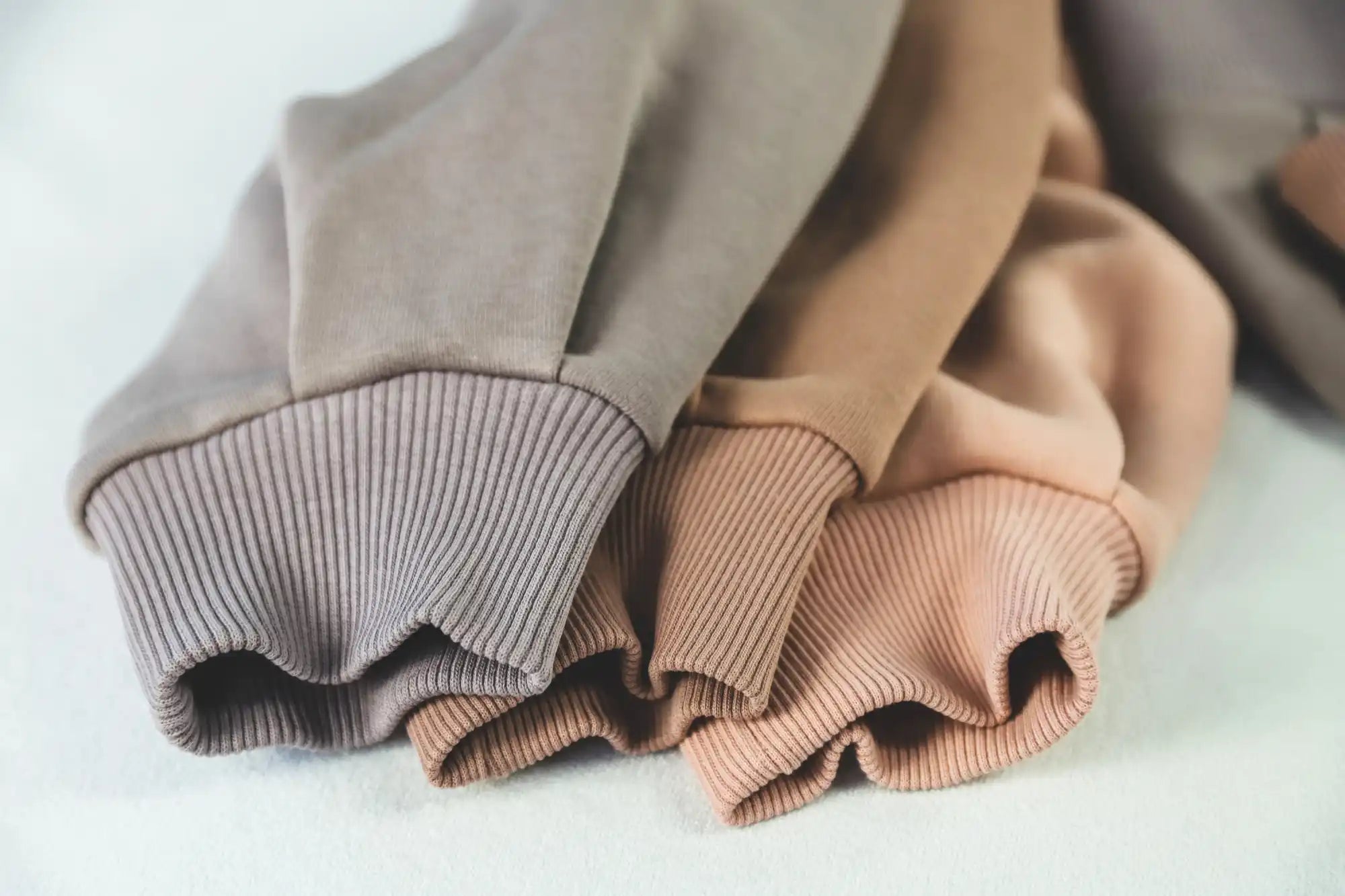
- Cotton fleece hoodies – Enhanced drape and softness.
Integration with Other Sustainable Techniques
Enzyme washing can be paired with other sustainable textile treatments for even greater results:
- Low-temperature dyeing to conserve energy and improve color fastness.
- Ozone washing for natural deodorization and fabric brightness.
- Laser finishing for pattern fading without water waste.
For more on sustainable finishing innovations, explore Dyeing, Finishing & White Label Success – The 2025 Playbook.
Certifications and Compliance
- GOTS: Authorizes biodegradable enzyme use in organic production.
- OEKO-TEX® Standard 100: Ensures safe residues for skin contact.
- ZDHC MRSL: Validates zero discharge of hazardous substances.
Market Relevance in 2025
Enzyme washing is now standard in 68% of European finishing facilities, valued for balancing softness, quality, and sustainability. It’s the preferred method for activewear, streetwear, and premium basics seeking consistent performance and eco-alignment.
Sourcing Enzyme-Washed Fabrics
- Request enzyme specification sheets and safety data from suppliers.
- Verify certifications (GOTS, OEKO-TEX®, or ZDHC).
- Compare softness, color retention, and handfeel between samples.
- Partner with transparent facilities offering wastewater data and traceability.
Garment Care Recommendations
- Wash at 30–40°C using mild, eco-certified detergents.
- Avoid chlorine bleach or optical brighteners.
- Air dry or tumble dry on low heat.
- Iron gently to maintain texture and softness.
FAQs: Certification & Standards
Are enzyme-washed fabrics certified organic?
Yes. Enzyme washing is approved in GOTS-certified facilities using non-GMO, biodegradable enzymes.
Does enzyme washing meet ZDHC goals?
Yes. It complies with ZDHC standards by removing harmful chemical discharges from the finishing process.
Is enzyme washing OEKO-TEX® compliant?
Yes. It meets OEKO-TEX® Standard 100 since no restricted substances remain on garments.
FAQs: Sourcing & Production
Where is enzyme washing most common?
Portugal, Italy, and Turkey are key centers due to advanced sustainable dyeing infrastructure.
Does enzyme washing affect lead time?
No. It can actually shorten production cycles thanks to reduced rinsing and energy demand.
Can enzyme washing be used with reactive dyes?
Yes. It’s typically applied after dyeing to improve softness and color uniformity.
FAQs: Materials & Care
Does enzyme wash work on synthetics?
No. It’s best suited to cotton, viscose, and other cellulose-based fibers.
Will softness fade over time?
No. The softness is permanent since enzymes modify the fiber surface, not just coat it.
Can enzyme washing cause shrinkage?
Minimal. Controlled reactions stabilize fabric dimensions, reducing shrink risk.
Conclusion
Enzyme washing merges biotechnology with apparel craftsmanship to create soft, durable, and sustainable garments. By reducing chemical impact and conserving resources, it represents the future of fabric finishing.
If your brand plans to develop new collections using certified, enzyme-washed fabrics, reach out to our production team through the official request form to discuss fabric options and technical details.
Written by Ava K., Senior Sourcing Strategist at AthleisureBasics – specializing in sustainable textile production and global sourcing.