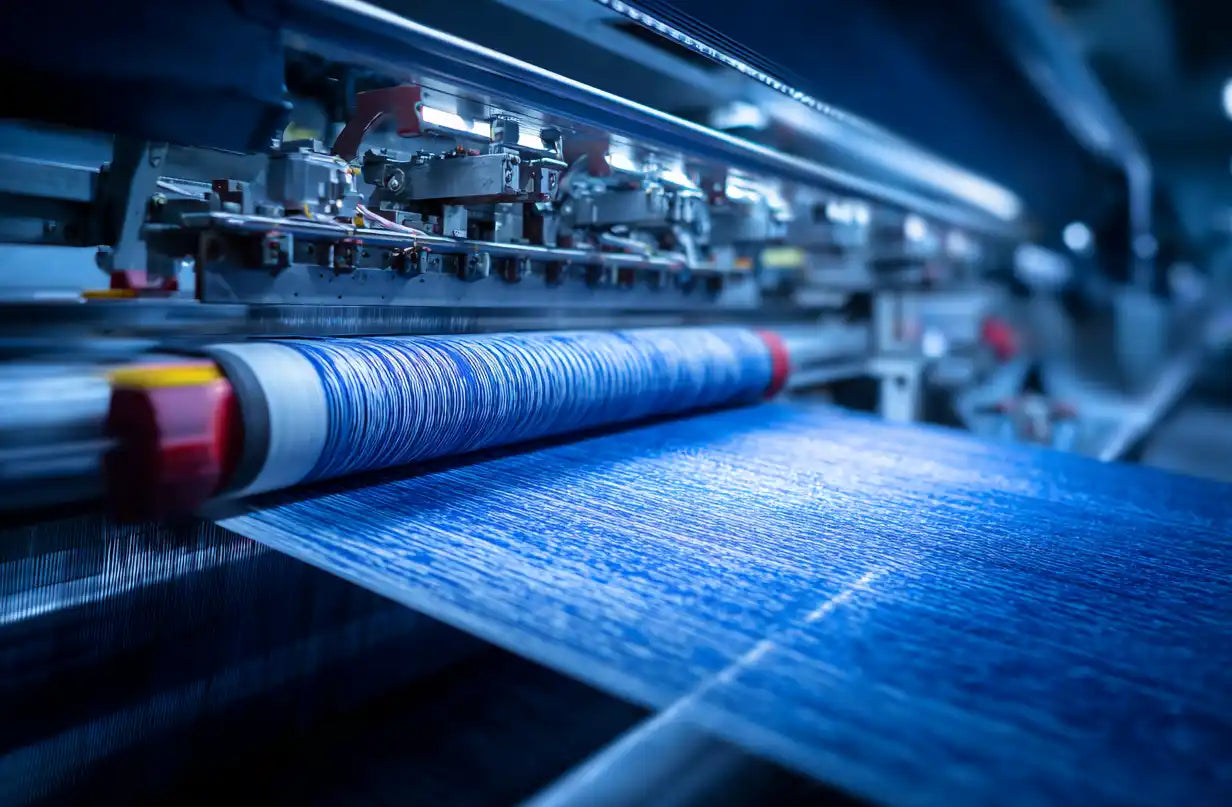
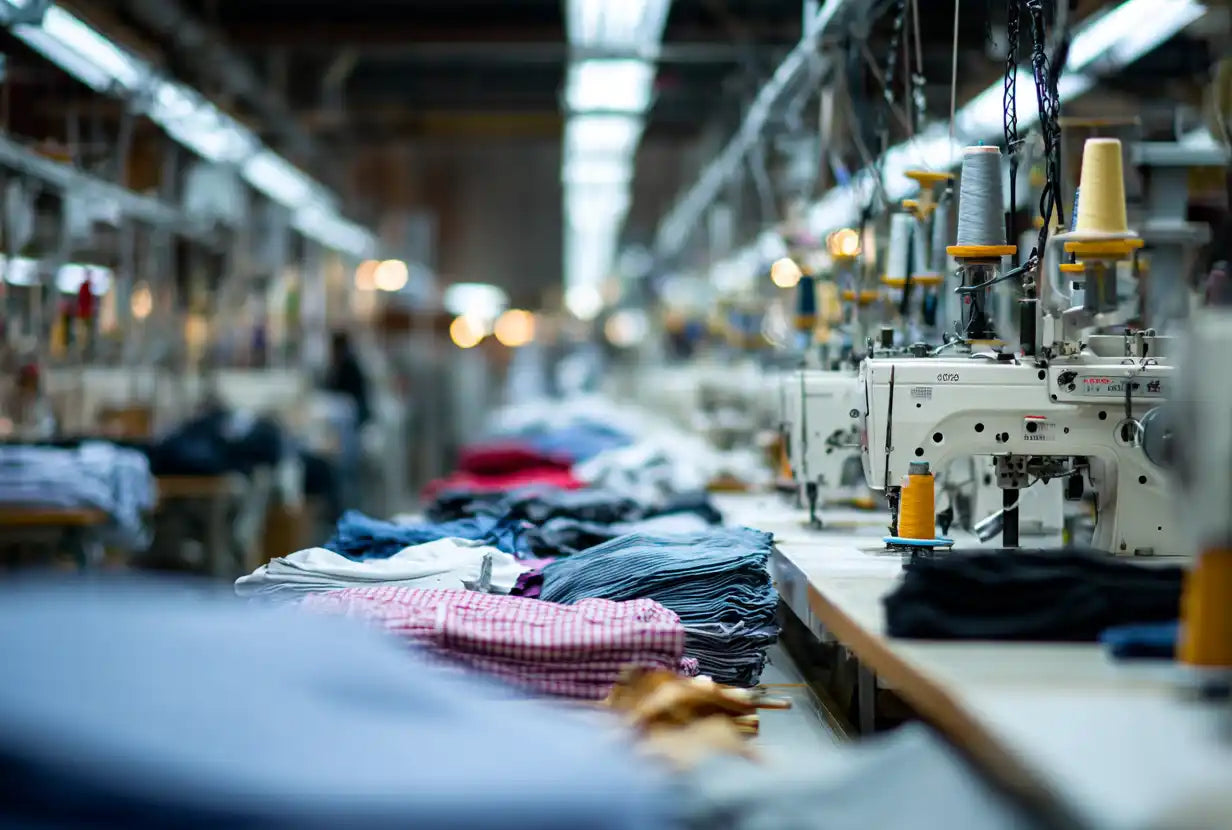
The apparel and textile (“T&C”) sector in Portugal remains a significant component of the national manufacturing base. A recent report shows that the clothing-manufacturing industry in Portugal is expected to reach approximately €4.4 billion in 2025 with about 8,145 businesses operating.
Portuguese factories offer compelling advantages for brands seeking ethical sourcing: near-shore logistics for EU markets; regulation under EU labour law; established clusters of skilled workforce—especially in the North of Portugal. In addition, Portugal’s textile industry was recently featured at the Portuguese Textile and Apparel Association (ATP) pavilion at Expo 2025 in Osaka for sustainable innovation.
For sourcing teams, ethical labour standards are no longer optional—they are core to supplier selection, brand risk management and consumer positioning.
Defining Ethical Labour Standards in Apparel Manufacturing
What “ethical labour” means in the apparel context
In apparel manufacturing, ethical labour standards typically mean the following are in place:
- Wages and benefits that meet or exceed a living-wage benchmark (rather than merely legal minimums).
- Safe, healthy working conditions—adequate lighting and ventilation, ergonomic processes, safe equipment.
- Reasonable working hours, including overtime that is voluntary, documented and paid.
- No child labour, no forced labour, no discrimination or harassment.
- Freedom of association and a voice for workers.
- Traceable working practices, audits, transparency across supply-chain tiers.
Key certifications and frameworks to verify
When assessing suppliers, the following standards and certifications are highly relevant:
- SA8000 – A social accountability standard covering child labour, forced labour, health & safety, working hours and freedom of association.
- BSCI / Amfori BSCI – Ethical trade audits widely used across apparel supply chains.
- SLCP (Sustainable Labour-Convergence Programme) – Worker-focussed audit standard and data framework.
- OEKO‑TEX® Standard 100 – Material/chemical safety certification; while focused on fabrics, a factory holding this often implies responsible manufacturing infrastructure.
- GOTS / GRS – Global Organic Textile Standard / Global Recycled Standard: relevant for materials, but also indicative of broader responsible supply-chain practice.
- ISO 9001 / ISO 14001 – Quality and environmental management systems often used in facilities pursuing ethical, sustainable production.
Portugal’s legal & regulatory baseline
As an EU member state, Portugal enforces robust labour legislation: a standard working week of ~40 hours, limits on overtime, paid leave, social security protections and a rising national minimum wage (the 2025 minimum wage in Portugal is €870 per month).
However, for true ethical sourcing, brands must require more than legal minimums—they must expect living wage commitments, subcontractor transparency and worker voice mechanisms beyond compliance.
Labour-Standards Landscape in Portugal’s Apparel Sector
Real-world data & industry context
A recent article notes that the Portuguese textile & apparel sector employed over 123,000 people and accounted for around 7% of national exports in 2023.
The manufacturing cluster is concentrated in the north of Portugal, where small and medium sized enterprises dominate the value chain.
Strengths & sourcing risks
Strengths:
- Strong legal baseline and EU regulation make basic compliance easier to manage.
- Experienced workforce and manufacturing clusters well suited to ethical small-batch production.
- Increasing factory investment in sustainability and ethical practices.
Sourcing-risks:
- SME-dominated factories may lack formal audit infrastructure or full traceability in subcontracting tiers.
- Subcontracting (e.g., washing/finishing) may fall outside primary factory oversight and carry risk of labour-standard breaches.
- Cost and lead-time pressures may still indirectly push overtime or informal labour—brands must audit rigorously.
Comparative Table: Labour-Standard Metrics for Sourcing Decisions
| Metric | Typical Benchmark in Portugal (2025)* | Why it matters for your brand |
|---|---|---|
| Standard working week | ≈ 40 hours (EU baseline) | Prevents excessive overtime, supports worker welfare |
| National minimum wage | €870/month (2025) :contentReference[oaicite:16]{index=16} | Baseline wage; ethical sourcing aims for ‘living wage’ higher than this |
| Certification presence | Factories increasingly hold SA8000, BSCI, OEKO-TEX credentials | Signals compliance readiness and provides audit basis |
| Traceability of subcontractors | Varies—brands often must audit tiers 2-3 themselves | Hidden risks (finishing, washing) often present at subcontract tiers |
*Note: Benchmarks approximate and should be verified factory-by-factory.
Practical Sourcing Guidance: Ensuring Ethical Labour When Manufacturing in Portugal
Supplier assessment & audit checklist
When selecting a Portuguese manufacturing partner, use the following checklist:
- Verify legal registration of factory and any subcontractors; include permit/licence checks.
- Request recent third-party audit reports (SA8000, BSCI, SLCP) and corrective-action logs.
- Inspect wage and overtime records, age verification of workers, evidence of freedom of association.
- Conduct a factory floor tour (physical or virtual) inspecting ventilation, lighting, rest-areas, worker amenities.
- Map subcontracting tiers (finishing, washing, trimming) and ensure labour standards apply equally.
- Solicit anonymised worker interviews or feedback mechanisms to assess worker satisfaction and rights.
Contracting & monitoring mechanisms
Key sourcing practices to embed:
- Include labour-standards clauses in your contract: compliance with SA8000/BSCI, audit rights, disclosure of subcontractors.
- Establish monitoring cadence: e.g., self-assessment quarterly, full audit annually, spot checks for subcontractors every 12–18 months.
- Implement digital tools: worker-voice apps, factory dashboards, time-tracking for hours/overtime.
- Reserve rights: termination of contract or relocation of production if unremediated labour-standard breaches occur.
Transparency & brand storytelling
Ethical labour sourcing is also a brand differentiator. Use these practices:
- Publish “Made in Portugal – Ethically Produced” details: factory name, location, worker numbers, certification status.
- Include worker-profiles (photos or short quotes, with consent) to humanise your supply chain.
- Highlight certifications and audit summaries (non-confidential) for credibility.
- Promote near-shore agility: quicker response, European logistics, lower carbon footprint compared to distant sourcing.
FAQs: Certification & Standards
What is SA8000 and how relevant is it in Portugal?
SA8000 is a globally recognised social accountability standard that sets criteria for decent working conditions including child/forced labour, health & safety, working hours and worker representation. Factories in Portugal certified to SA8000 demonstrate a credible commitment to ethical labour standards.
Does OEKO-TEX® certification guarantee labour standards?
OEKO-TEX® Standard 100 primarily addresses chemical safety in textiles, not labour conditions. However, many factories with OEKO-TEX® certification also invest in better overall manufacturing infrastructure, which often correlates with stronger labour-standards practice.
How often should I audit labour standards in Portuguese production?
Best practice is to conduct external full audits annually at tier-1 factories, quarterly self-assessments, and spot audits of subcontractors (tiers 2-3) at least every 12–18 months.
FAQs: Sourcing & Production
Are Portuguese factories cost-competitive for ethical production?
While labour and operating costs in Portugal are higher than many offshore low-cost countries, the advantages—near-shore logistics, EU compliance, skilled workforce, shorter lead-times and “made in Europe” credentials—often justify the investment for premium and conscious brands.
What typical order minimums (MOQs) are required for ethical Portuguese factories?
Many sustainable/ethical Portuguese factories cater to small- and mid-sized brands and report lower MOQs than mass-scale offshore lines. Expect MOQs starting from around 100–300 pieces per style, depending on complexity and materials.
What lead-time can I expect when sourcing in Portugal?
Small-batch Portuguese lines often deliver from sample approval to shipment within approximately 25-30 days, thanks to proximity, streamlined logistics and agile production clusters.
FAQs: Materials & Care
What material certifications should I look for in Portuguese manufacturing?
Key certifications include GOTS (Global Organic Textile Standard) for organic fibres, GRS (Global Recycled Standard) for recycled content, and OEKO-TEX® Standard 100 for chemical safety. Portuguese factories increasingly accept these inputs and integrate them into their processes.
How does ethical labour practice tie into material quality and care?
Factories that prioritise worker welfare, training, safe environments and good working conditions tend to deliver higher quality garments, fewer defects and longer product lifespan—strengthening the entire sustainable production narrative.
What should brands communicate about garment care to support ethical sourcing claims?
Educate consumers on sustainable care practices (wash cold, gentle cycle, avoid high-heat drying) to prolong life. Highlight the garment’s ethical manufacturing story—including worker welfare, certified materials and responsible production—to reinforce brand value.
Brand-Ready Next Steps for Ethical Labour Compliance in Portuguese Manufacturing
1. Map your full supply chain: primary factory, subcontractors (washing, finishing, packaging), material suppliers.
2. Screen potential factories: legal registration, recent social audits (SA8000/BSCI/SLCP), worker interview evidence.
3. Conduct or commission a labour-standards audit covering wages, hours, health & safety, worker voice.
4. Negotiate manufacturing contracts with embedded labour-standards clauses, audit rights, and disclosure of subcontract tiers.
5. Implement ongoing monitoring: quarterly self-assessments, annual external audit, worker-voice surveys.
6. Develop your brand transparency narrative: factory location, certifications, worker profiles, responsible material inputs.
7. Align labour standards with your broader sustainability strategy: certified materials + ethical labour + responsible care + circularity.
8. Leverage the “Made in Portugal – Ethically Produced” story as a differentiator for high-value and conscious collections.
Why Ethical Labour Standards Matter for Your Apparel Brand
Ethical labour standards are far more than compliance checklists— they are strategic enablers for modern apparel brands:
- Risk mitigation: Non-compliance with labour standards can lead to reputation damage, audit failures and supply chain disruption.
- Consumer trust: Increasing numbers of shoppers demand transparency, responsible production and worker welfare.
- Brand premium: “Made in Portugal – Ethically Produced” supports premium pricing, smaller-batch manufacturing and authenticity.
- Quality & operational benefits: Factories with good labour-standards practices often have stable workforces, lower defect rates and shorter lead-times.
- Sustainability alignment: Ethical labour is a pillar of responsible production—when combined with certified materials and transparent care instructions, the result supports holistic brand positioning.
Conclusion
Manufacturing apparel in Portugal offers brands a compelling pathway to ethical production. With a strong legal baseline under EU labour law, increasing certification adoption (SA8000, BSCI, GOTS, OEKO-TEX®), and compelling near-shore advantages, Portugal can deliver garments that are not only high-quality and on-trend but also ethically produced.
If your brand plans to develop new collections using certified fabrics and ethically-produced labour in Portugal, reach out to our team via the request form to discuss availability and production options.