
Fabric Dictates Fit and Function in Apparel Development
In modern apparel development, fabric selection is no longer a secondary design decision. It directly determines fit accuracy, garment performance, production scalability, and long-term wearability. For brands producing custom made hoodies, custom t shirts, or performance-driven athleisure, understanding how fabric dictates fit and function is essential to delivering consistent collections across global markets.
This article sits within the broader pillar Trends & Designs for Apparel Development, focusing specifically on how fabric choice shapes oversized silhouettes, compression fits, and hybrid lifestyle garments.
Why Fabric Selection Is a Core Design Decision
Fabric defines how a garment behaves during cutting, sewing, finishing, and wear. Weight, fiber composition, elasticity, and surface structure influence drape, recovery, breathability, durability, and garment hand-feel.
For apparel brands sourcing at scale, fabric decisions directly impact minimum order quantities, lead times, defect rates, and compliance with international standards.
- Fit consistency across size runs
- Print and embroidery compatibility
- Shrinkage, torquing, and dimensional stability
- Cost efficiency in bulk production
Heavyweight Fabrics and Oversized Fits
Oversized silhouettes continue to dominate streetwear and athleisure collections. These designs rely heavily on fabric mass and structure to maintain shape without collapsing, twisting, or appearing unintentional after washing.
How Heavyweight Cotton Works
Heavyweight cotton fabrics typically range from 280 to 450 GSM. The increased yarn density adds rigidity, allowing oversized garments to hold volume at the shoulders, sleeves, and hem while reducing seam distortion.
This structural stability ensures oversized hoodies and t-shirts look intentional rather than ill-fitted. Brands looking to customize a hoodie often choose heavyweight fleece or dense jersey to maintain clean drop-shoulder lines throughout bulk production.
Comparison: Heavyweight Cotton vs Lightweight Cotton
Heavyweight cotton offers superior shape retention, durability, and fit stability for oversized garments. Lightweight cotton provides softness and breathability but may lose structure, torque at seams, or distort after repeated laundering in oversized silhouettes.
Technical Knits and Compression Fits
Compression garments require precision engineering. Unlike relaxed fits, compression apparel must deliver controlled stretch, even pressure distribution, and reliable recovery over time.
How High-Spandex Technical Knits Work
Compression fabrics typically combine nylon or polyester with 15–25% elastane. Elastane provides multi-directional stretch, while the synthetic base fiber stabilizes the knit and controls rebound.
This construction allows garments to apply consistent pressure without deformation during movement or laundering. High recovery ensures the compression effect remains effective across repeated wear cycles.
Comparison: Compression Knit vs Standard Jersey
Standard jersey prioritizes softness and comfort but lacks the recovery needed for sustained compression. Compression knits are engineered specifically for muscle support and precision fit, making the two unsuitable substitutes.
Fabric Choice for Custom Printing and Embellishment
Fabric selection directly affects decoration quality. Ink absorption, fiber density, surface smoothness, and stretch tolerance vary significantly between materials.
How Screen Printing Interacts with Fabric
Screen printing applies ink onto the fabric surface using mesh screens. Cotton and cotton-blend fabrics absorb ink evenly, producing sharp edges, consistent color density, and durable prints.
High-stretch fabrics require specialty inks to prevent cracking during wear. Brands producing custom t shirts often choose midweight cotton to balance print clarity, comfort, and cost efficiency at scale.
Comparison: Screen Printing vs DTG
| Criteria | Screen Printing | DTG Printing |
|---|---|---|
| Ink Penetration | Ink sits on fabric surface | Ink absorbs into fibers |
| Fabric Requirement | Best on cotton and blends | Requires high cotton content |
| Best Use Case | Large runs, simple graphics | Small runs, complex artwork |
Embroidery and Fabric Compatibility
Embroidery adds texture and perceived value but introduces mechanical stress to the fabric. Incorrect fabric selection can result in puckering, distortion, or thread breakage.
How Custom Embroidery Works
Embroidery machines stitch thread directly into the fabric under tension. Stable, dense fabrics provide stronger anchoring points, resulting in cleaner logos and longer-lasting stitch integrity.
For premium branding, custom embroidery on sweatshirts performs best on heavyweight fleece and structured knit fabrics with minimal stretch.
Comparison: Embroidery vs Heat Transfer
Embroidery offers superior durability and tactile depth, while heat transfer provides flexibility for lighter fabrics. Fabric weight and elasticity determine which method performs best over time.
Portuguese Manufacturing and Fabric Standards
Portuguese manufacturing remains a benchmark for premium apparel production due to advanced textile engineering, skilled labor, and strict compliance frameworks.
- OEKO-TEX® Standard 100 certified fabrics
- GOTS certified organic cotton
- REACH-compliant dyeing and finishing
Common Mistakes to Avoid
- Selecting fabric weight without considering garment silhouette
- Ignoring stretch recovery in fitted or compression designs
- Using incompatible fabrics for printing or custom embroidery on sweatshirts
- Skipping shrinkage testing before grading sizes
- Ignoring grain lines during cutting, leading to fabric torquing after wash
- Prioritizing short-term cost savings over long-term performance
FAQs About Certification & Standards
What does OEKO-TEX® Standard 100 certify?
OEKO-TEX® Standard 100 confirms that textiles have been tested for harmful substances and deemed safe for human use. Testing applies to every production stage, including raw fibers, dyed fabrics, and finished garments. This certification is widely accepted by global apparel brands and retailers.
Is GOTS certification required for organic apparel?
GOTS is the leading global standard for organic textiles and is not legally required but strongly preferred. It covers fiber sourcing, chemical processing, labeling, and social responsibility. Many brands rely on GOTS to validate organic claims across international markets.
Are REACH regulations relevant outside the EU?
Although REACH is an EU regulation, many global brands adopt its standards worldwide. Following REACH helps ensure chemical safety across supply chains and simplifies compliance for EU-bound products. It is increasingly treated as a global benchmark.
FAQs About Sourcing & Production
How does fabric choice affect minimum order quantities?
Specialty fabrics often require higher MOQs due to knitting, dyeing, and finishing setup costs. Mills may batch production to maintain efficiency, increasing minimums. Early fabric planning helps brands manage costs and timelines more effectively.
Should fabric be finalized before sampling?
Yes, finalizing fabric before sampling is critical. Changing fabric after sampling can alter fit, hand-feel, and garment performance. It can also lead to delays and additional development costs.
Why do manufacturers request fabric testing?
Fabric testing verifies shrinkage, colorfastness, stretch recovery, and overall performance. These tests help prevent production defects and post-wash fit issues. Testing ensures the fabric performs as expected in bulk production.
FAQs About Materials & Care
Do heavyweight fabrics shrink more than lightweight fabrics?
Shrinkage depends more on fiber treatment and finishing than fabric weight. Pre-shrunk heavyweight fabrics can be more stable than untreated lightweight ones. Proper testing determines real shrinkage risk.
How should compression garments be washed?
Compression garments should be washed in cold water and air-dried when possible. Heat can degrade elastane fibers and reduce recovery. Proper care extends garment lifespan and performance.
Does embroidery affect garment care requirements?
Embroidery is durable but benefits from gentle washing. Turning garments inside out helps protect stitches from abrasion. Avoiding high heat preserves both thread integrity and fabric structure.
If your brand plans to develop new collections using technically appropriate fabrics and scalable production methods, reach out to our team via the request form to discuss availability and production options: Get a quote.
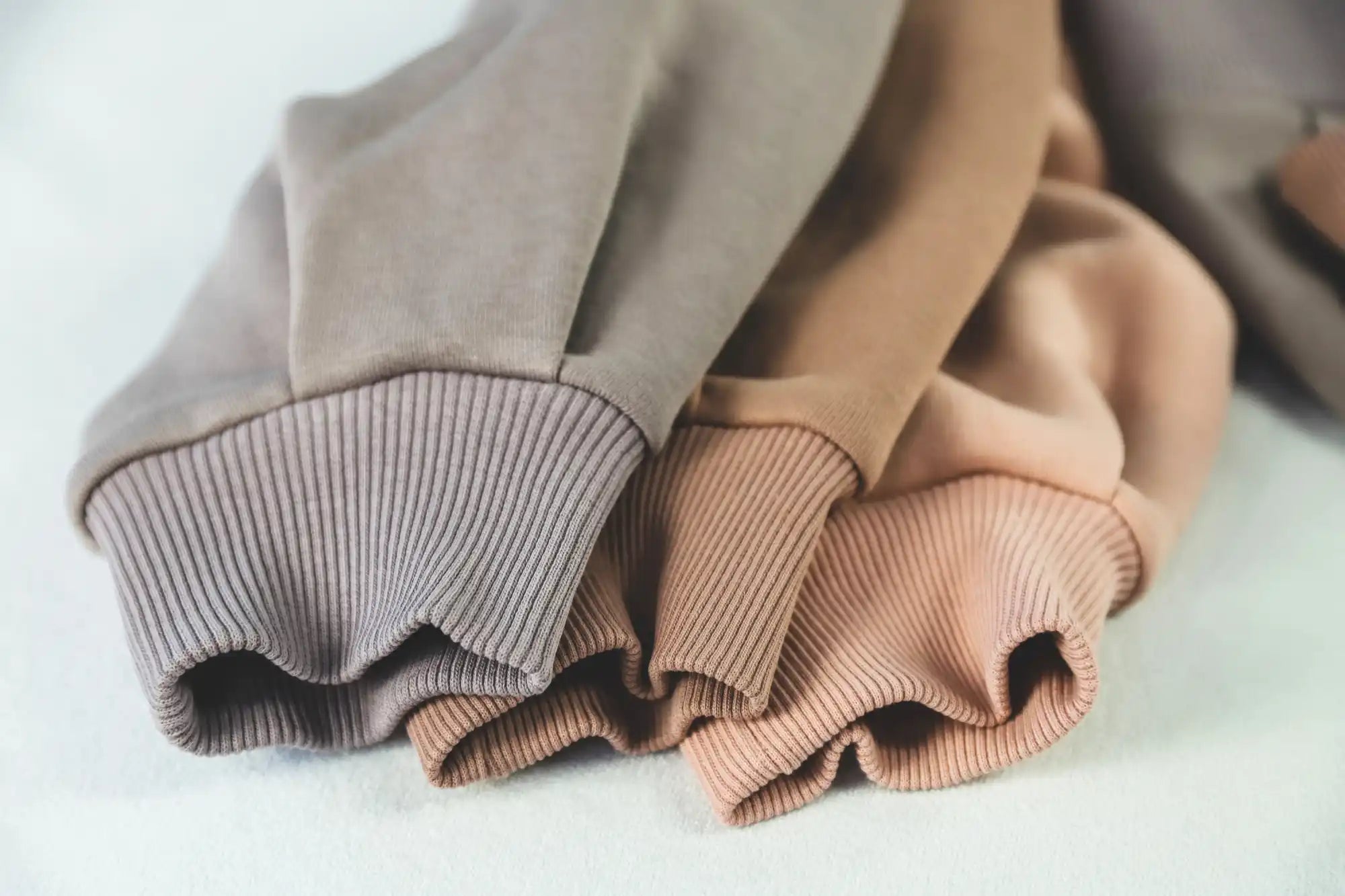
Materials & Fabrics for Clothing Production
Explore cotton, French terry, jersey, fleece, and sustainable blends used in premium apparel manufacturing.
Explore Premium Apparel Fabrics Guide
Printing Techniques for Apparel Production
Screen printing, embroidery, puff prints, and digital methods for custom clothing manufacturing.
Explore Custom Apparel Printing Techniques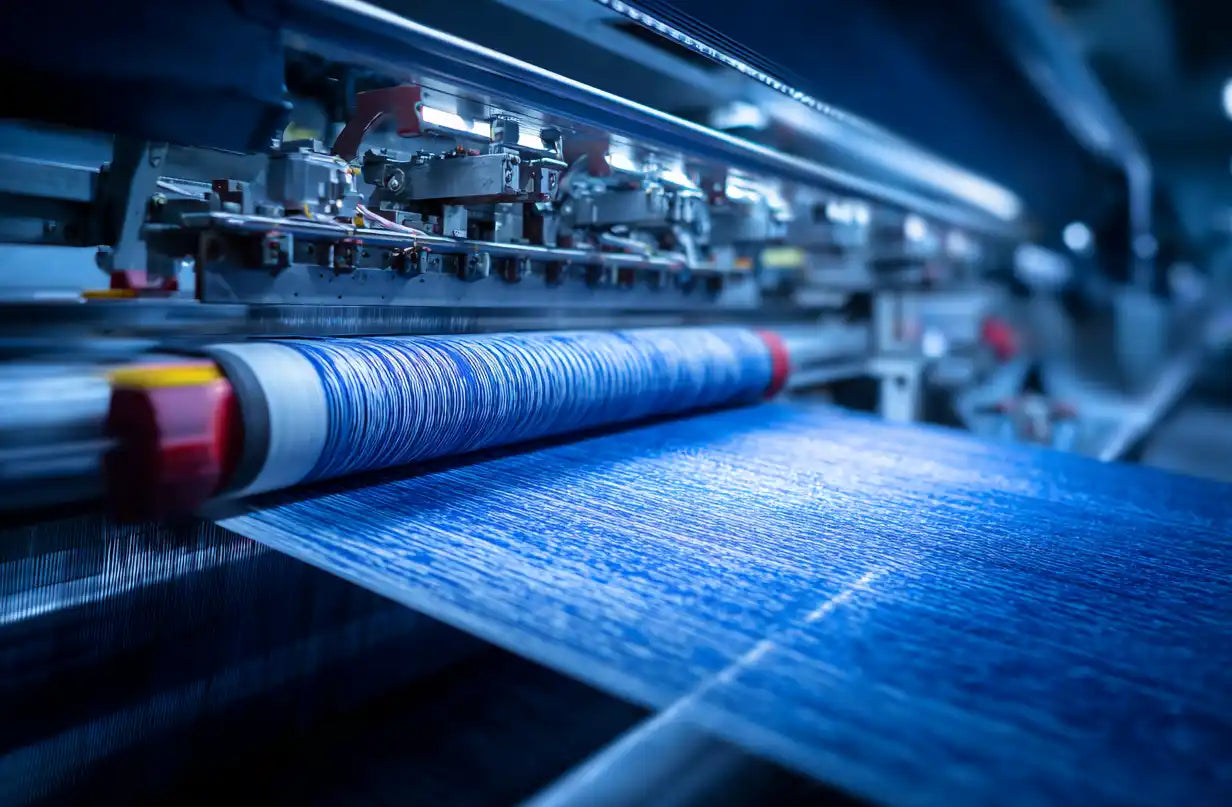
Dyeing Techniques in Clothing Manufacturing
Garment dye, pigment, acid wash, and stone wash finishes that create unique apparel designs.
Compare Apparel Finishing Techniques
Popular Clothing Items for Custom Apparel
Hoodies, joggers, t-shirts, leggings, and biker shorts — essentials for every apparel collection.
Explore Popular Custom Clothing Items
Trends & Designs in Modern Apparel
Oversized fits, streetwear influences, and activewear styles driving custom clothing production.
Explore Trends & Designs for Apparel Development
Sustainable & Ethical Clothing Production
OEKO-TEX® certified fabrics, organic cotton, and ethical apparel manufacturing in Portugal.
Understand Sustainable & Ethical Clothing Production
Essentials for Custom Clothing Production
Custom labels, packaging, and trims that elevate your apparel brand in production.
Explore Essentials for Custom Clothing Production
Resources for Custom Clothing Production
Startup guides, logistics support, and scaling strategies for apparel brands and wholesale clients.
Explore Resources for Custom Clothing Production
Clothing Manufacturing Glossary
Explore a complete glossary of clothing and garment manufacturing terms
The Complete Clothing Manufacturing Glossary
The Best Clothing Manufacturers
Explore global clothing manufacturers by country
Explore The Best Clothing Manufacturers
The Latest Clothing Industry Updates in 2025
Discover the latest news about important topics in the clothing industry in 2025,
Stay On Top Of Clothing Industry Updates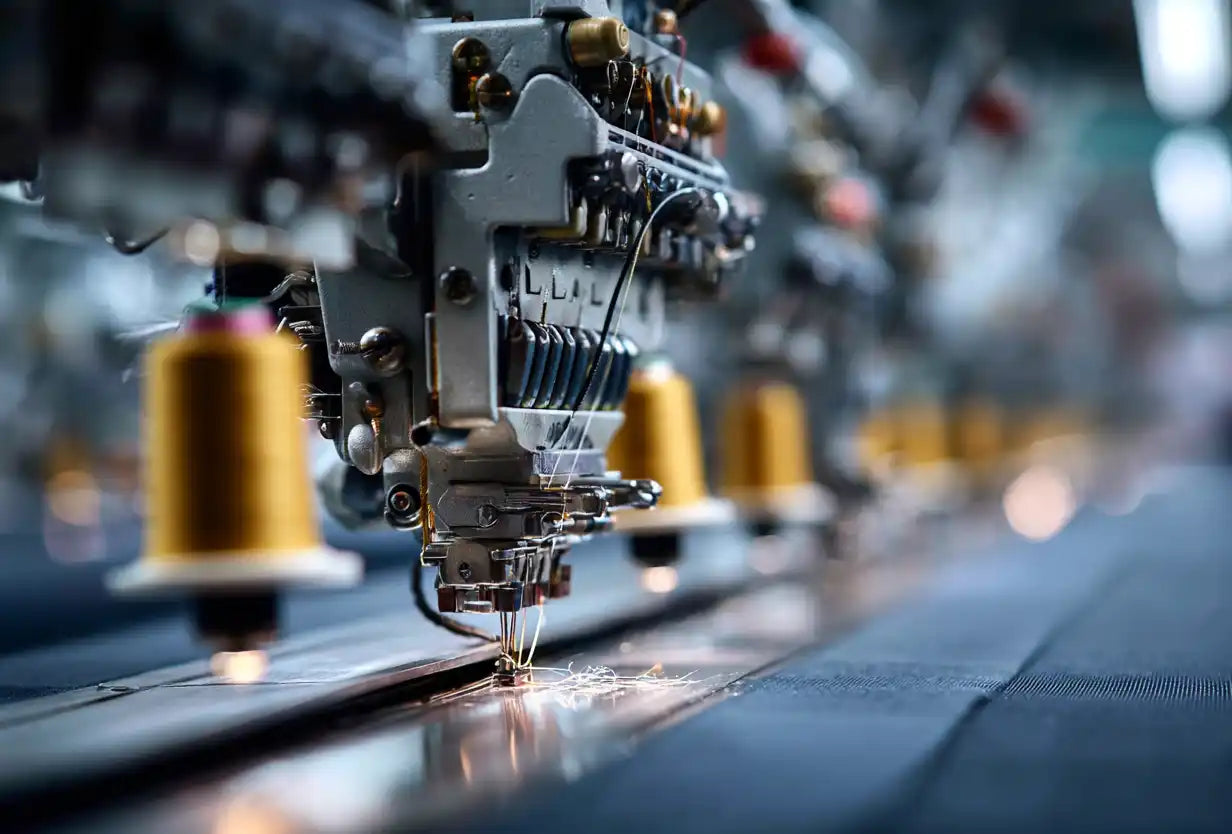
Worldwide Best Manufacturers of Clothes in 2026
Top clothing manufacturers worldwide organized by product type
Find The Worldwide Best Manufacturers of Clothes