
Fabric Dyeing Techniques & Garment Feel Guide
Fabric dyeing techniques don’t just color a garment — they define its feel, texture, and long-term comfort. Whether a tee feels soft or a denim jacket feels rugged depends on the finishing method behind it. This guide explains how enzyme wash, stone wash, and pigment dye each transform fabric performance and hand-feel.
Why Fabric Feel Defines Apparel Quality
Hand-feel affects perceived quality, durability, and brand identity. Finishing and dyeing techniques modify fibers at a microscopic level, influencing:
- Softness and drape
- Surface texture
- Durability and pilling resistance
- Color tone and depth
- Environmental impact
Explore more in our Dyeing Techniques for Clothing Manufacturing.
Overview: The Three Core Fabric Finishing Techniques
| Technique | Core Process | Resulting Feel | Ideal For |
|---|---|---|---|
| Enzyme Wash | Bio-enzymes polish the surface and remove fuzz. | Soft, smooth, premium feel. | Athleisure, premium cotton apparel. |
| Stone Wash | Abrasion using pumice or synthetic stones. | Rugged, textured, vintage feel. | Denim, jackets, heavy twills. |
| Pigment Dye | Surface pigments create tonal variation. | Vintage matte texture that softens over time. | Streetwear, tees, fleece. |
Enzyme Wash: The Science of Lasting Softness
How It Works
Cellulase enzymes gently break down surface fibers, creating a smooth, luxurious finish without damaging fabric integrity.
- Temperature: 50–60°C
- pH: 4.5–6.5
- Process time: 30–60 minutes
Benefits
- Soft, silky touch
- Low pilling
- Consistent appearance
- Lower water and energy use vs. mechanical abrasion
See enzyme-wash examples in our Sustainable Athleisure Supplier Guide.
Stone Wash: Creating Abrasion and Authentic Texture
Process Overview
Tumbling garments with pumice or synthetic stones erodes the surface and lifts fibers, producing visible fading and rugged feel.
Resulting Feel
- Textured, vintage hand-feel
- Rougher surface
- Softens over time with wear
| Advantages | Drawbacks |
|---|---|
| Classic worn look | High water and energy use |
| Strong appeal in denim | Fabric strength reduction |
| Distinctive shading | Stone disposal waste |
Pigment Dye: Surface Color with Character
Process Basics
Pigments sit on the fabric surface, bound with resin, creating a matte and slightly uneven tone that ages beautifully.
Feel and Aesthetic
- Initially firm, softens after washes
- Vintage, washed-down colors
- Subtle texture from binder film
Certification Considerations
Ensure pigment systems meet GOTS chemical requirements for organic production.
Comparison: Enzyme Wash vs Stone Wash vs Pigment Dye
| Attribute | Enzyme Wash | Stone Wash | Pigment Dye |
|---|---|---|---|
| Softness | High, permanent | Rugged, improves with wear | Moderate, improving over time |
| Texture | Smooth | Abraded | Matte, lightly textured |
| Water Use | Low | High | Moderate |
| Eco Footprint | Biodegradable enzymes | Stone waste | Low rinse processes |
Sustainability & Environmental Performance
| Factor | Enzyme Wash | Stone Wash | Pigment Dye |
|---|---|---|---|
| Water Use | Low | High | Moderate |
| Energy Demand | Medium | High | Low |
| Waste | Minimal | Stone sludge | Binder residue |
FAQs: Certification & Standards
Which certifications apply?
OEKO-TEX® Standard 100 and ZDHC MRSL ensure safe chemical use.
Are these processes suitable for organic fabrics?
Yes — enzyme and pigment processes are GOTS-compatible when approved auxiliaries are used.
How can compliance be verified?
Request MSDS, ZDHC Gateway registration, and OEKO-TEX® certificates for each chemical used.
FAQs: Sourcing & Production
Which technique offers best value?
Pigment dyeing offers low cost and fast cycles; stone wash is resource-heavy but premium in denim.
Can techniques be combined?
Yes — enzyme + stone wash or pigment + enzyme are common hybrid processes.
Conclusion
Enzyme wash provides luxury softness, stone wash delivers rugged character, and pigment dye creates vintage depth. Matching technique to your fabric quality goals ensures both elevated feel and durability.
For certified finishing options, contact our team through the Athleisure Basics Request Form.
Written by a textile engineer specializing in sustainable wet processing and apparel finishing.
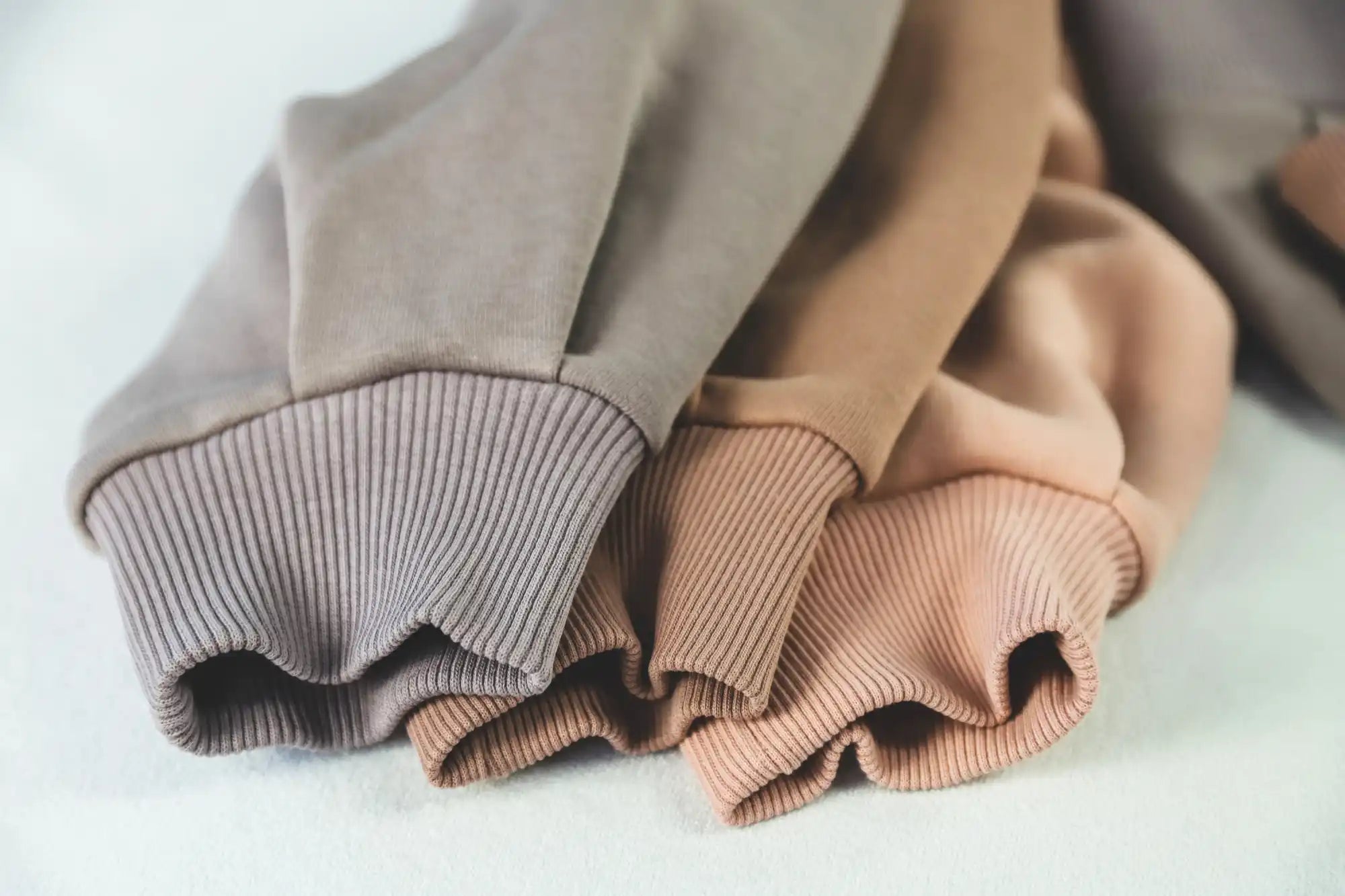
Materials & Fabrics for Clothing Production
Explore cotton, French terry, jersey, fleece, and sustainable blends used in premium apparel manufacturing.
Explore Premium Apparel Fabrics Guide
Printing Techniques for Apparel Production
Screen printing, embroidery, puff prints, and digital methods for custom clothing manufacturing.
Explore Custom Apparel Printing Techniques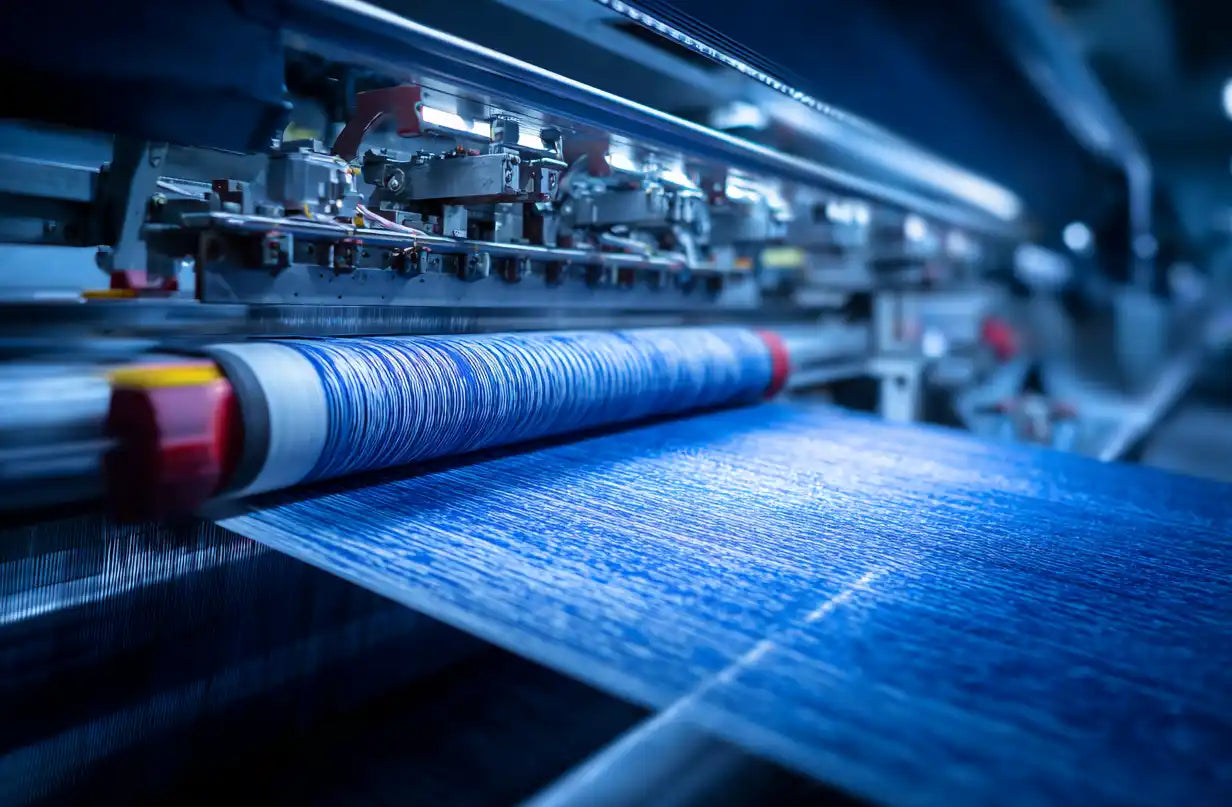
Dyeing Techniques in Clothing Manufacturing
Garment dye, pigment, acid wash, and stone wash finishes that create unique apparel designs.
Compare Apparel Finishing Techniques
Popular Clothing Items for Custom Apparel
Hoodies, joggers, t-shirts, leggings, and biker shorts — essentials for every apparel collection.
Explore Popular Custom Clothing Items
Trends & Designs in Modern Apparel
Oversized fits, streetwear influences, and activewear styles driving custom clothing production.
Explore Trends & Designs for Apparel Development
Sustainable & Ethical Clothing Production
OEKO-TEX® certified fabrics, organic cotton, and ethical apparel manufacturing in Portugal.
Understand Sustainable & Ethical Clothing Production
Essentials for Custom Clothing Production
Custom labels, packaging, and trims that elevate your apparel brand in production.
Explore Essentials for Custom Clothing Production
Resources for Custom Clothing Production
Startup guides, logistics support, and scaling strategies for apparel brands and wholesale clients.
Explore Resources for Custom Clothing Production
Clothing Manufacturing Glossary
Explore a complete glossary of clothing and garment manufacturing terms
The Complete Clothing Manufacturing Glossary
The Best Clothing Manufacturers
Explore global clothing manufacturers by country
Explore The Best Clothing Manufacturers
The Latest Clothing Industry Updates in 2025
Discover the latest news about important topics in the clothing industry in 2025,
Stay On Top Of Clothing Industry Updates
Worldwide Best Manufacturers of Clothes in 2026
Top clothing manufacturers worldwide organized by product type
Find The Worldwide Best Manufacturers of Clothes