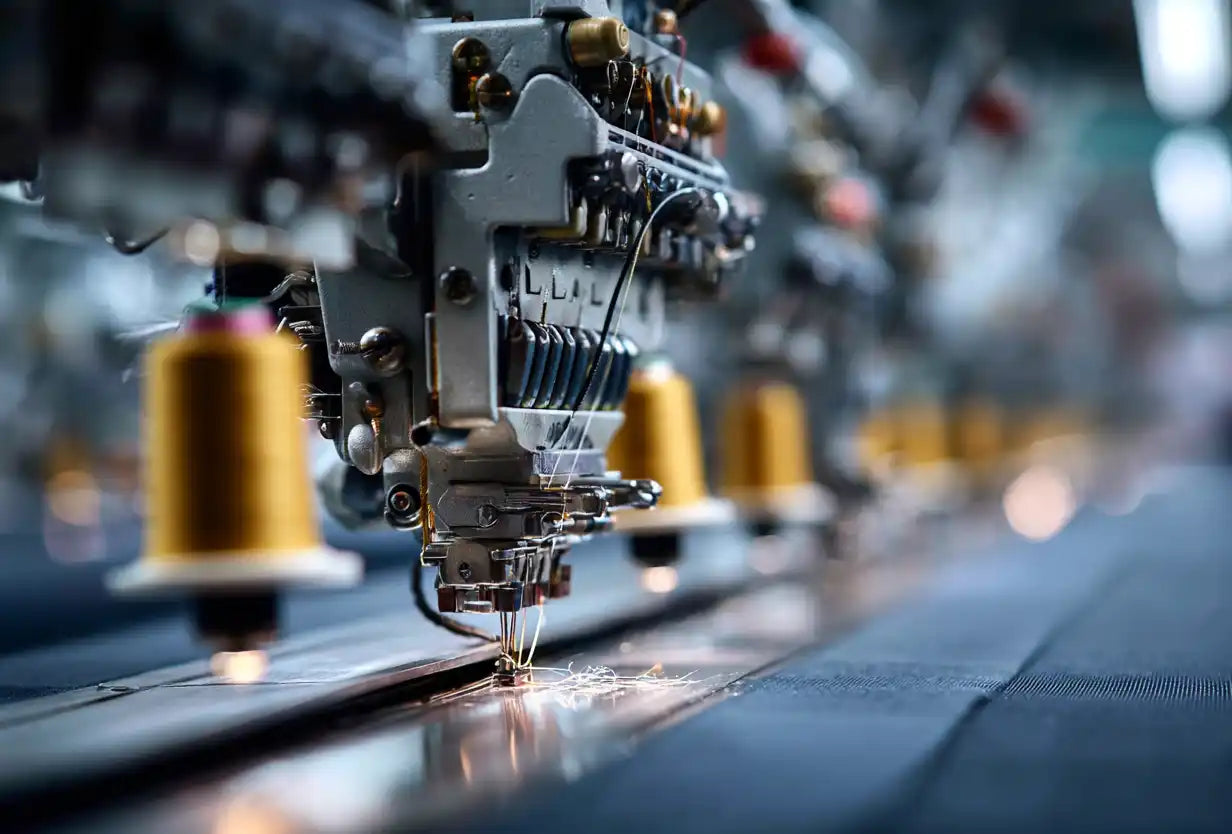
Portugal has become a global benchmark for fair trade apparel manufacturing — combining skilled craftsmanship, certified fabrics, and progressive labor standards. For brands seeking responsible production and for consumers demanding transparency, Portugal delivers both quality and conscience.
Why Portugal Leads in Ethical Clothing Production
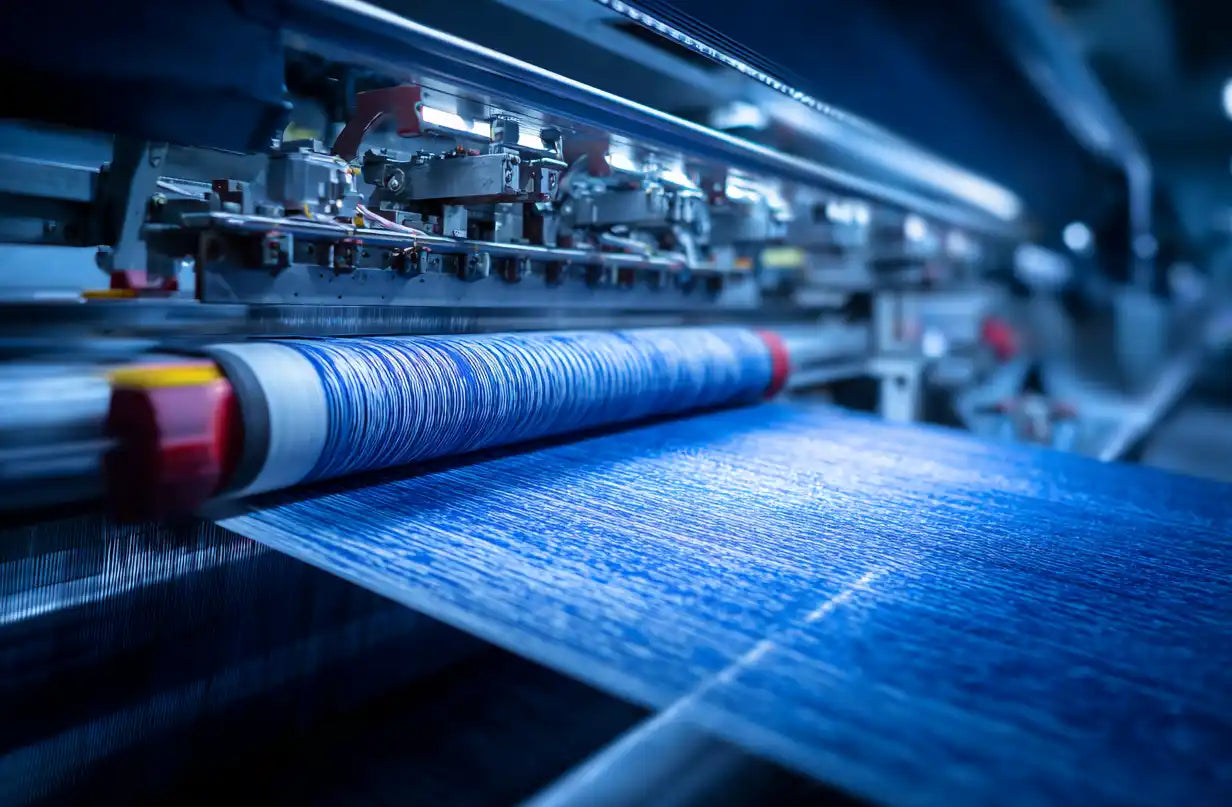
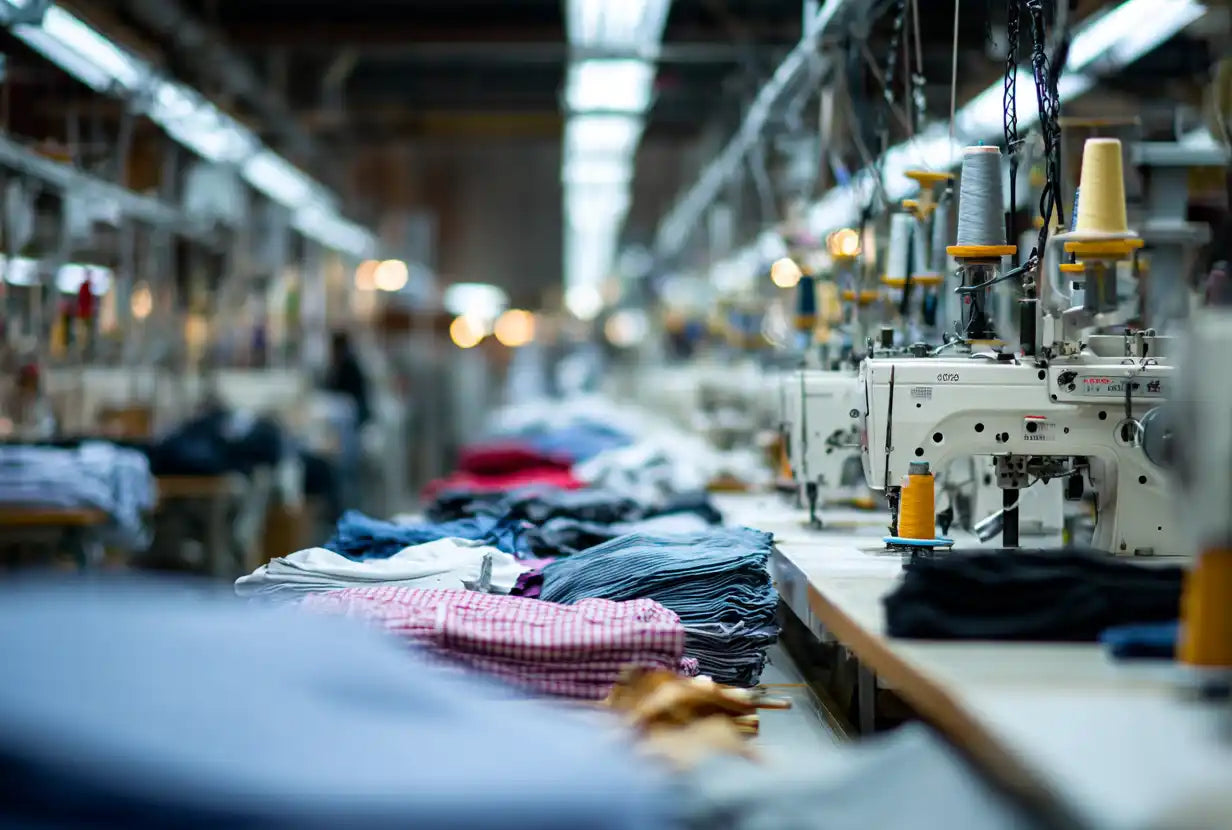
In 2025, Portugal’s textile and apparel industry employs over 160,000 workers across more than 14,000 companies, generating an estimated €10 billion in annual turnover. Its integrated supply chain—from yarn to garment—ensures traceability, reduced transport emissions, and verified sustainability at every stage.
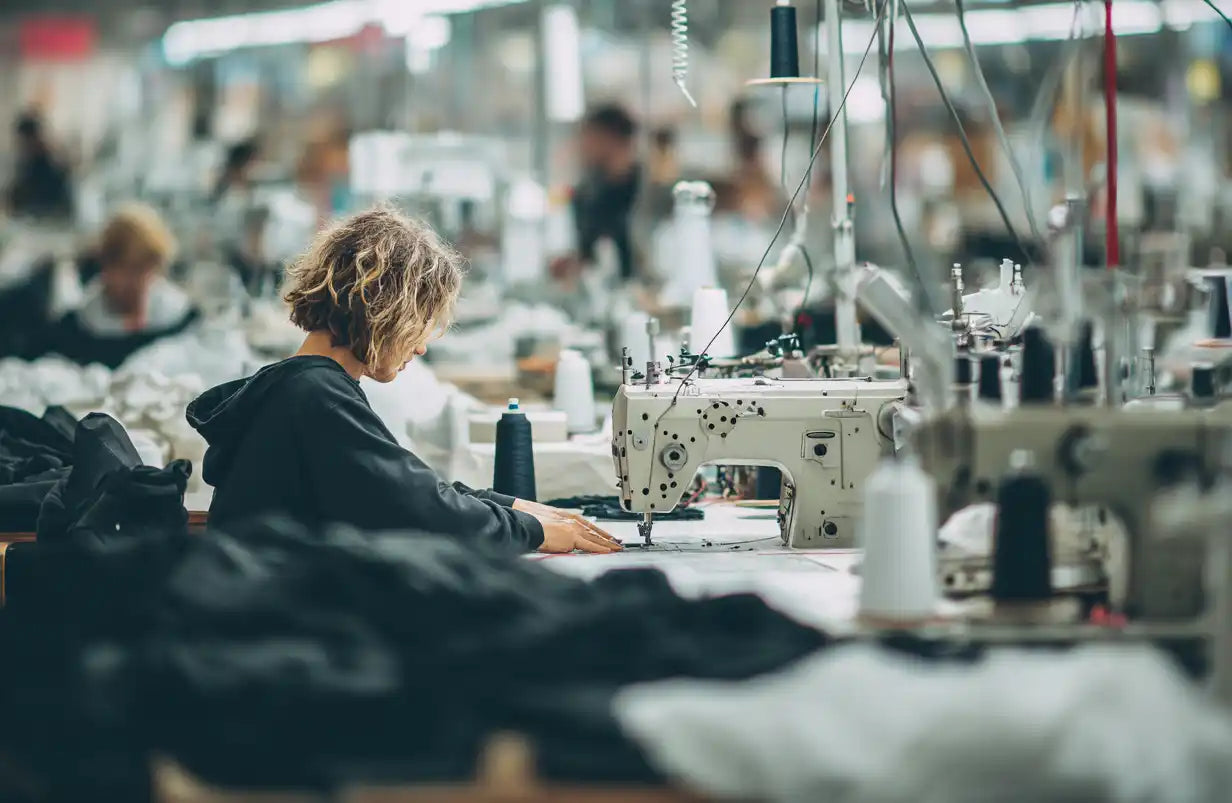
Unlike offshore production hubs, Portugal’s factories operate under European Union labor laws that mandate fair wages, regulated hours, and safe working conditions. The national minimum wage increased to €870/month in 2025, while many certified manufacturers pay 30–40 % above that benchmark to align with fair trade standards.
Near-Shoring & Sustainability Benefits
- Shorter lead times (30–45 days on average)
- Lower carbon footprint due to regional shipping
- Smaller MOQs (50–300 pieces) ideal for emerging brands
- EU environmental compliance (REACH, wastewater treatment, renewable energy)
Learn more about our approach to sustainability and ethics at AthleisureBasics Sustainability & Ethics.
What Fair Trade Apparel Manufacturing Means
“Fair trade” in apparel manufacturing goes beyond wages—it’s a holistic commitment to people, planet, and transparency. Portuguese factories leading this movement emphasize:
- Living wages and safe conditions for all workers
- Transparent supply chains from fiber to finished product
- Environmentally responsible dyeing, finishing, and packaging
- Partnerships with certified mills for organic and recycled materials
Core Certifications and What They Guarantee
| Certification | Focus Area | Relevance in Portugal |
|---|---|---|
| GOTS (Global Organic Textile Standard) | Organic fibers + social and environmental standards | Several Portuguese mills and garment factories are fully GOTS-certified. |
| RCS (Recycled Claim Standard) | Recycled content verification | Widely used for recycled polyester and nylon in athleisure and sportswear. |
| BSCI / SA8000 | Labor rights & workplace safety audits | Mandatory among most export-focused manufacturers. |
| OEKO-TEX Standard 100 | Chemical safety & consumer health | Applied across fabric and trim production for EU compliance. |
How Fair Trade Manufacturing Works in Portugal
For Brands
- Define sourcing criteria: Certified fabrics, MOQ flexibility, and fair trade audits.
- Shortlist ethical suppliers: Focus on manufacturers in Porto, Braga, or Guimarães with current certifications.
- Audit and trace: Request proof of wage levels, safety measures, and certification validity.
- Prototype responsibly: Test small runs (100–300 pcs) before scaling.
- Communicate transparently: Share your supply-chain story with consumers—this builds trust and loyalty.
For Conscious Consumers
- Look for “Made in Portugal” labels with certification badges.
- Support brands that disclose factory names and wage transparency.
- Choose durable garments that reduce waste over time.
Portugal vs. Offshore Manufacturing: A Comparison
| Region | Average MOQ | Lead Time | Labor Cost | Traceability | Fair Trade Credibility |
|---|---|---|---|---|---|
| Portugal | 50–300 pcs | 30–45 days | High | Strong (EU-regulated) | Excellent |
| Bangladesh / Vietnam | 500–1000 pcs+ | 60–90 days | Low | Moderate | Variable |
Building Trust Through Certification & Transparency
Fair trade apparel manufacturing in Portugal supports the new EU Digital Product Passport framework, ensuring every certified garment can be traced by material origin, factory, and labor compliance. This transparency benefits both brands and end customers seeking ethical alternatives to mass-produced fast fashion.
FAQs: Certification & Standards
What certifications matter most for fair trade apparel?
Look for GOTS for organic fibers, RCS for recycled materials, and OEKO-TEX Standard 100 for chemical safety. Many Portuguese suppliers maintain multiple accreditations.
How do BSCI and SA8000 differ?
BSCI is a social-compliance audit standard used throughout Europe, while SA8000 offers a globally recognized framework for worker rights, hours, and wages. Both support fair trade verification.
Can a factory be “fair trade” without certification?
Some small ateliers operate ethically without formal certification, but verified audits remain the gold standard for brand credibility and export readiness.
FAQs: Sourcing & Production
What are typical lead times for fair trade production in Portugal?
Most certified factories complete orders within 30–45 days, enabling agile, small-batch manufacturing for new collections.
Are minimum order quantities flexible?
Yes. Portugal’s near-shore model allows 50–300-piece minimums, ideal for startups and premium capsule launches.
How do brands verify ethical compliance?
Request audit summaries, certification numbers, and wage documentation from your suppliers. Genuine fair trade partners are transparent about every step.
FAQs: Materials & Care
Are recycled or organic fabrics widely available in Portugal?
Yes. Portuguese mills increasingly offer GOTS-certified organic cotton and RCS-verified recycled polyester, ensuring sustainability without compromising quality.
How should fair trade garments be cared for?
Wash at low temperatures, line dry when possible, and repair minor damage instead of discarding. Proper care extends lifespan and reduces environmental impact.
Does fair trade guarantee higher garment quality?
While certification focuses on labor and environmental criteria, ethical factories tend to invest in better materials and quality control—resulting in longer-lasting garments.
Conclusion: A Smarter Path for Brands and Consumers
Portugal’s fair trade apparel manufacturing model proves that responsible production can coexist with commercial performance. Brands gain transparency, flexibility, and ESG alignment; consumers enjoy premium, ethically made clothing with a lower footprint.
If your brand plans to develop new collections using certified fabrics and verified ethical production, reach out to our team to discuss availability and production options.