
Fleece Fabric: The Warm Core of Winter Apparel
Fleece fabric is a cornerstone of modern cold-weather apparel, balancing plush softness with dependable insulation. From heavy-weight hoodies to jackets and accessories, fleece delivers warmth, durability, and comfort that appeals equally to consumers and apparel developers. This guide explains how fleece is made, which certifications ensure quality, and how sourcing teams can specify and care for it effectively.
What Is Fleece?
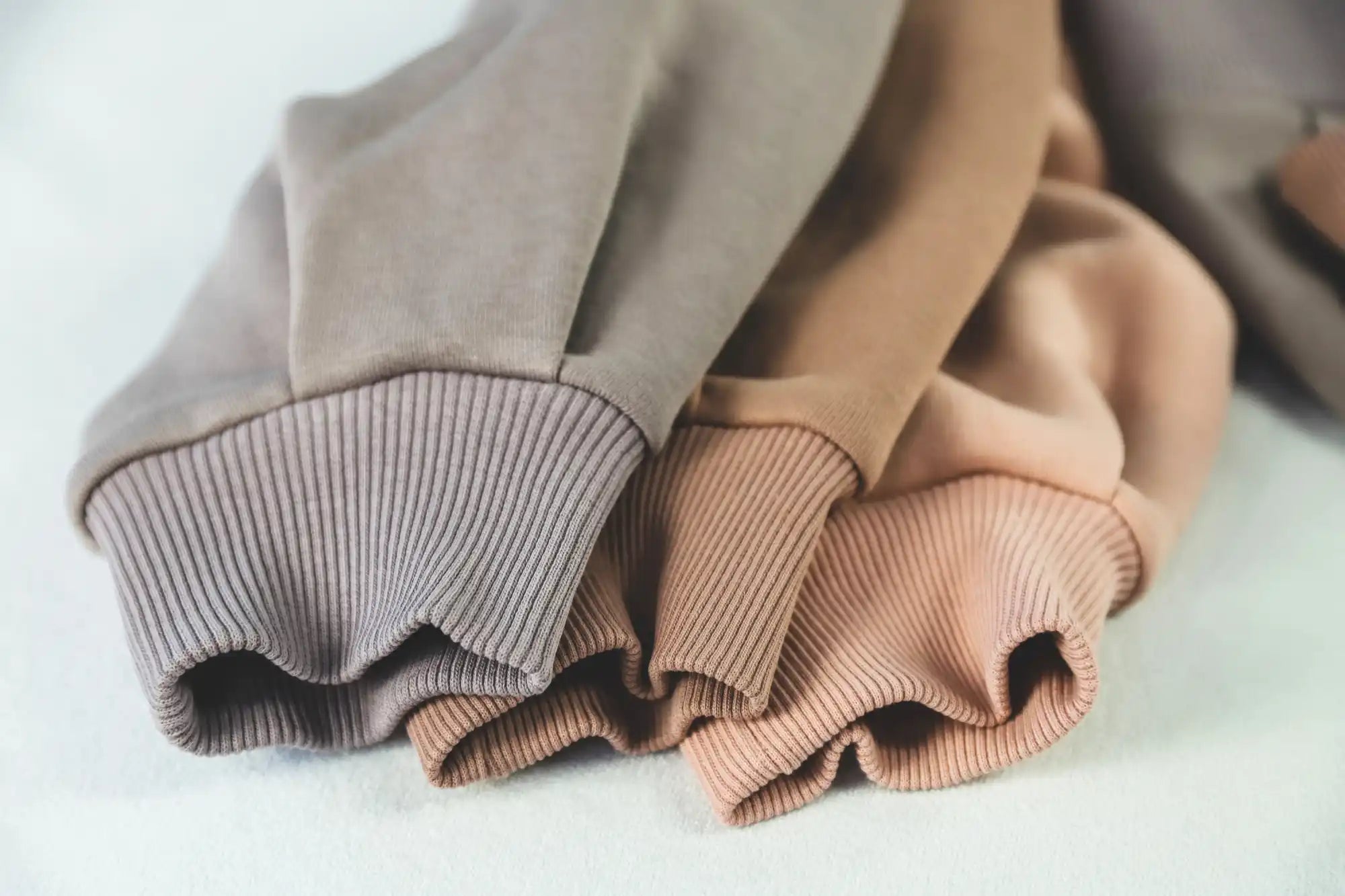
In textiles, fleece refers to a fabric with a napped, brushed pile interior designed to trap air and create insulation. Though the term once described sheep’s wool, today it covers synthetic and blended knits used widely across fashion, sportswear, and outdoor gear.
Origins and Evolution
Modern synthetic fleece emerged in the late 1970s, when Malden Mills (now Polartec) introduced “Synchilla,” a polyester pile knit that revolutionized outerwear. By making the technology publicly available, fleece quickly became the standard for warmth-to-weight efficiency in apparel.
Why Choose Heavy-Weight Fleece
- Thermal insulation: Raised pile traps warm air against the body.
- Soft comfort: Plush nap offers a cozy, premium hand-feel.
- Lightweight warmth: Retains heat with less mass than wool.
- Quick drying: Hydrophobic fibers shed moisture and dry rapidly.
Fiber Types and Construction
Common Fiber Choices
- Polyester fleece: Most common, durable, and cost-efficient.
- Recycled polyester fleece: Uses post-consumer PET bottles; certified under the Global Recycled Standard.
- Cotton or cotton-blend fleece: Smooth outer surface, soft brushed inside — ideal for sweats.
- Specialty blends: Incorporate TENCEL™, hemp, or modal for sustainability and texture.
How Fleece Fabric Is Made
- Knit or weave the base fabric (usually heavy gauge knit).
- Brush or raise one or both sides to form the plush pile.
- Heat-set to stabilize loft and reduce shrinkage.
- Apply finishes: anti-pill, water-repellent, or antimicrobial coatings.
Fabric Weight and Performance
| Weight (g/m²) | Use | Performance |
|---|---|---|
| 100–150 | Micro-fleece base layers | Light, breathable, minimal insulation |
| 200–250 | Mid-layer hoodies, vests | Balanced warmth and flexibility |
| 300 + | Heavy-weight jackets | High insulation, reduced breathability |
Popular Variants
- Polar fleece: Synthetic classic for outdoor use.
- Microfleece: Lightweight and packable.
- Sherpa fleece: Curly, deep pile resembling shearling.
- French terry fleece: Smooth-looped interior, often cotton-rich.
Performance Benefits
- Warmth-to-weight efficiency: High loft equals high insulation.
- Durability: Maintains structure through many wash cycles.
- Easy care: Machine-washable and wrinkle-resistant.
- Affordability: Lower cost than wool or down while maintaining warmth.
Considerations and Sustainability
Standard fleece is not inherently wind- or water-proof. Many outerwear brands combine it with membranes or laminated shells for weather resistance. Additionally, attention to sustainability is vital: synthetic fleece can shed microfibers during washing. A UC Santa Barbara study found that a single fleece jacket may release hundreds of thousands of fibers per wash, underlining the importance of recycled inputs and closed-loop systems.
To mitigate impact, brands now prioritize OEKO-TEX® certified and bluesign® System approved mills — ensuring chemical safety and environmental accountability throughout production.
Certifications and Standards
| Certification | Scope | Purpose |
|---|---|---|
| OEKO-TEX® Standard 100 | Tests for harmful substances | Ensures skin-safe fabrics |
| Global Recycled Standard (GRS) | Recycled content and chain of custody | Verifies sustainability claims |
| bluesign® System | Chemical management framework | Reduces environmental footprint |
| ISO 9001 / 14001 | Quality / environmental systems | Supports consistent production |
For additional reference, explore our Materials & Fabrics for Clothing Production page for certified textile sourcing insights.
How to Source and Specify Heavy-Weight Fleece
Specification Checklist
- Define GSM and pile height (e.g., ≥ 300 g/m² for outerwear).
- Choose fiber composition (100% PET, recycled, or cotton blend).
- Specify finish: anti-pill, water-repellent, antimicrobial.
- Confirm colorfastness and shrinkage tolerance.
- Document certifications and lab test data in your tech pack.
Supplier Vetting Steps
- Request mill test certificates: GSM, pilling, air-permeability.
- Verify certification numbers via Textile Exchange or OEKO-TEX database.
- Assess brushing quality and uniform pile height.
- Confirm MOQs and lead times (heavy fleece often requires higher minimums).
Sampling and Production
- Create fabric swatches and prototype garments before bulk approval.
- Conduct wash tests for loft retention and pilling resistance.
- Optimize cutting tools and seam finishes to handle bulk.
- Perform full QC: color, nap uniformity, hand-feel consistency.
Material Care and End-Consumer Guidance
Care Instructions
- Wash inside-out in cold water with mild detergent.
- Avoid fabric softeners and high-heat tumble drying.
- Air-dry or tumble on low; store folded to preserve loft.
- Use a depilling comb as needed — preventive finishing is best.
Communicating Care in Brand Messaging
Proper care extends product lifespan and reduces microfiber shedding, reinforcing both durability and sustainability. Clear care labeling supports customer trust and decreases returns — a measurable business benefit.
Comparison: Fleece vs. Other Warm Fabrics
| Fabric | Warmth | Weight | Breathability | Typical Use |
|---|---|---|---|---|
| Heavy-weight fleece | High | Medium-High | Good | Hoodies, jackets |
| Wool melton | High | High | Moderate | Formal outerwear |
| Down fill | Very high | Low | Variable | Technical jackets |
| Softshell knit | Medium | Medium | High | Transitional layers |
| Cotton fleece | Medium | Medium | High | Loungewear |
FAQs About Certifications and Standards
What makes OEKO-TEX Standard 100 important for fleece?
It ensures the finished fabric is free from harmful levels of chemicals such as formaldehyde and heavy metals, safeguarding skin comfort and safety in daily wear.
Why should recycled fleece carry the GRS mark?
The Global Recycled Standard verifies the recycled content and tracks it through the entire supply chain, preventing false sustainability claims.
How does bluesign® improve production standards?
The bluesign® System ensures controlled chemical input and wastewater safety, minimizing environmental impact during fleece manufacturing.
FAQs About Sourcing and Production
What GSM is recommended for heavy-weight fleece hoodies?
For outerwear and hoodies intended for cold conditions, aim for 300 g/m² – 350 g/m² fleece with a dense nap for optimum warmth.
Which tests confirm fleece quality?
Request lab reports for pilling resistance, colorfastness, shrinkage, and air permeability to ensure consistent performance across batches.
How can brands improve sustainability in sourcing?
Partner with certified mills, prioritize recycled or blended fibers, and require documentation from recognized bodies such as OEKO-TEX and GRS.
FAQs About Materials and Care
How do you wash fleece without damaging it?
Use cold water and mild detergent, skip softeners, and dry on low heat to maintain loft and softness.
Why does fleece pill, and how can it be prevented?
Pilling occurs when fibers break and tangle; selecting anti-pill finishes and quality yarns significantly reduces surface wear.
Can fleece be recycled after use?
Yes, polyester fleece can be mechanically or chemically recycled depending on infrastructure. Recycled fleece further supports a circular textile economy.
Conclusion
Heavy-weight fleece remains one of the most versatile materials in apparel manufacturing — plush, reliable, and now increasingly sustainable. For sourcing teams and designers, combining certified materials with informed production practices ensures both product quality and environmental responsibility.
If your brand plans to develop new collections using certified fleece fabrics for hoodies, jackets, or accessories, connect with our team to discuss sustainable material options and production timelines via the request form.
Materials & Fabrics for Clothing Production
Explore cotton, French terry, jersey, fleece, and sustainable blends used in premium apparel manufacturing.
Explore Premium Apparel Fabrics Guide
Printing Techniques for Apparel Production
Screen printing, embroidery, puff prints, and digital methods for custom clothing manufacturing.
Explore Custom Apparel Printing Techniques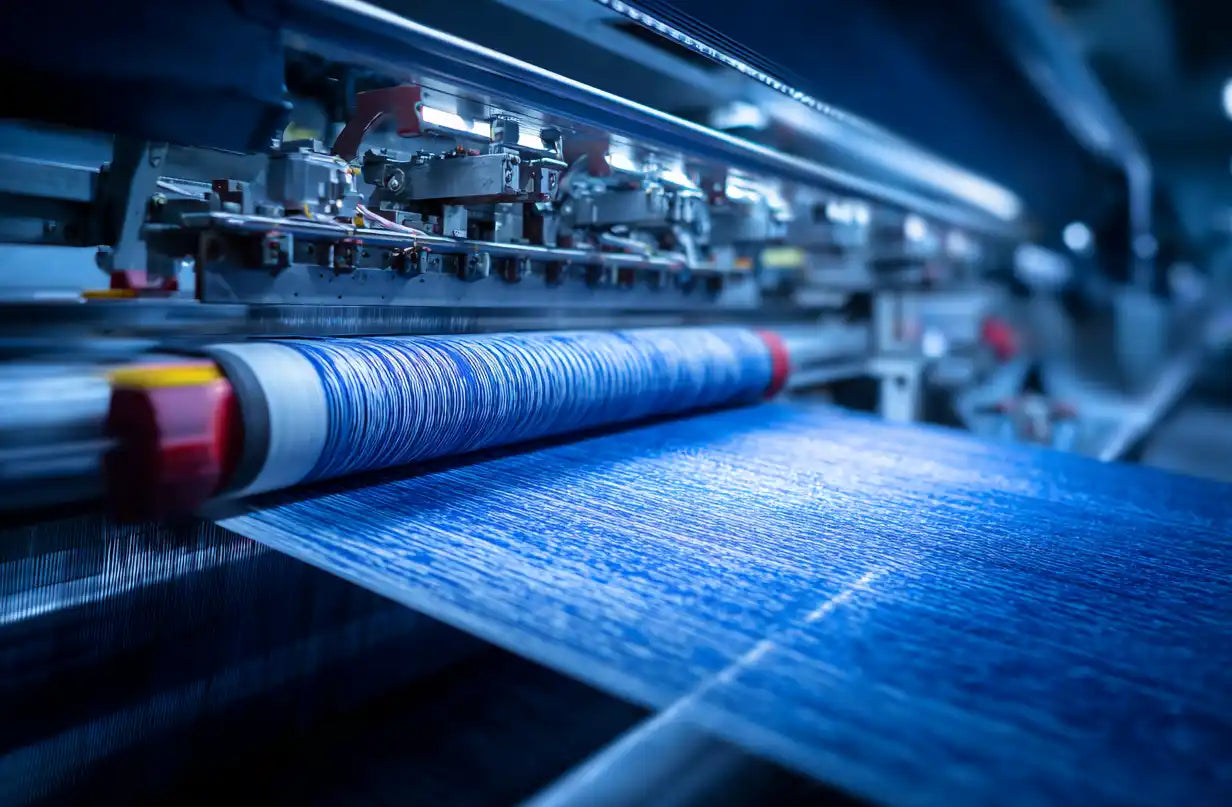
Dyeing Techniques in Clothing Manufacturing
Garment dye, pigment, acid wash, and stone wash finishes that create unique apparel designs.
Compare Apparel Finishing Techniques
Popular Clothing Items for Custom Apparel
Hoodies, joggers, t-shirts, leggings, and biker shorts — essentials for every apparel collection.
Explore Popular Custom Clothing Items
Trends & Designs in Modern Apparel
Oversized fits, streetwear influences, and activewear styles driving custom clothing production.
Explore Trends & Designs for Apparel Development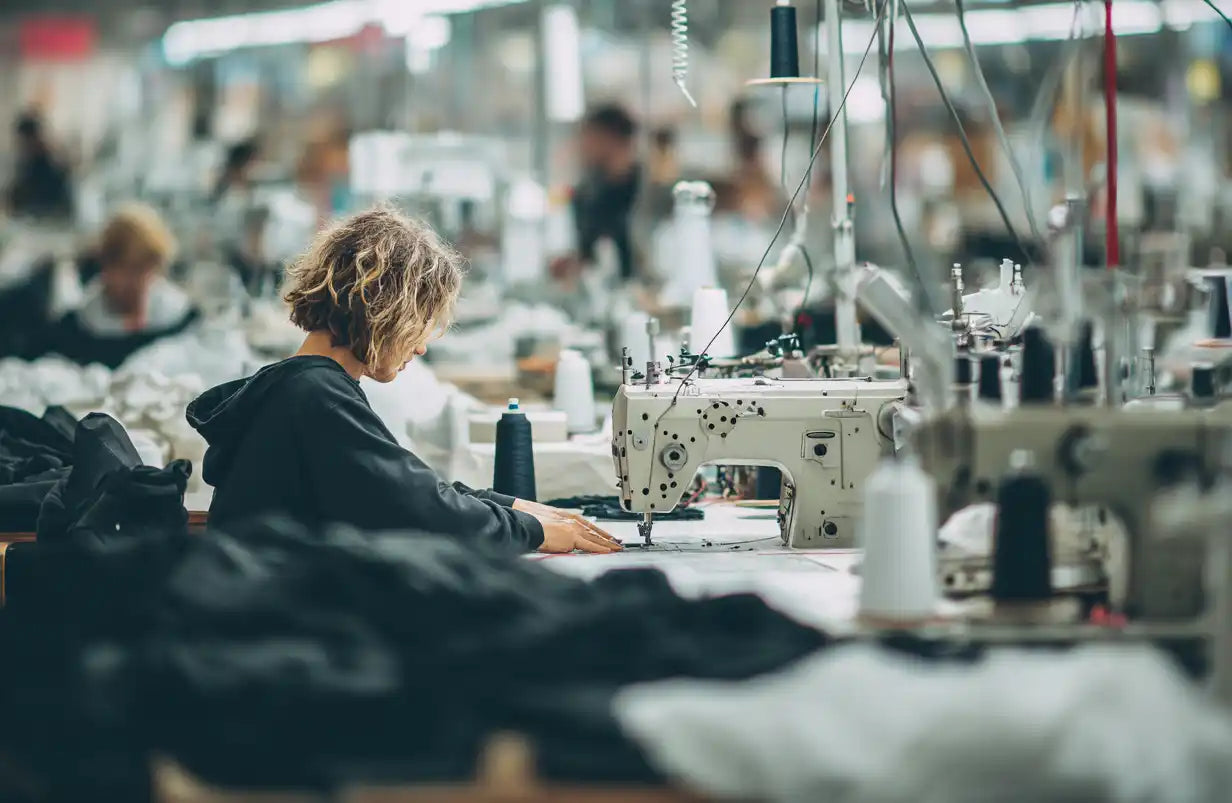
Sustainable & Ethical Clothing Production
OEKO-TEX® certified fabrics, organic cotton, and ethical apparel manufacturing in Portugal.
Understand Sustainable & Ethical Clothing Production
Essentials for Custom Clothing Production
Custom labels, packaging, and trims that elevate your apparel brand in production.
Explore Essentials for Custom Clothing Production
Resources for Custom Clothing Production
Startup guides, logistics support, and scaling strategies for apparel brands and wholesale clients.
Explore Resources for Custom Clothing Production
Clothing Manufacturing Glossary
Explore a complete glossary of clothing and garment manufacturing terms
The Complete Clothing Manufacturing Glossary
The Best Clothing Manufacturers
Explore global clothing manufacturers by country
Explore The Best Clothing Manufacturers
The Latest Clothing Industry Updates in 2025
Discover the latest news about important topics in the clothing industry in 2025,
Stay On Top Of Clothing Industry Updates
Worldwide Best Manufacturers of Clothes in 2026
Top clothing manufacturers worldwide organized by product type
Find The Worldwide Best Manufacturers of Clothes