
French Terry Fabric Guide 2025: GSM, Uses & Comparison
French terry remains one of the most relied-on fabrics in apparel development thanks to its looped interior, smooth exterior, and breathable midweight feel. From premium hoodies to joggers and year-round athleisure, French terry offers versatility that aligns with 2025 consumer preferences for comfort, durability, and responsible sourcing.
This full guide breaks down the construction, GSM ranges, sustainability options, finishing behavior, and comparisons with fleece and jersey—providing apparel brands and sourcing teams the clarity needed to select the right French terry for new collections.
Related materials overview: Materials & Fabrics for Clothing Production
What Is French Terry?
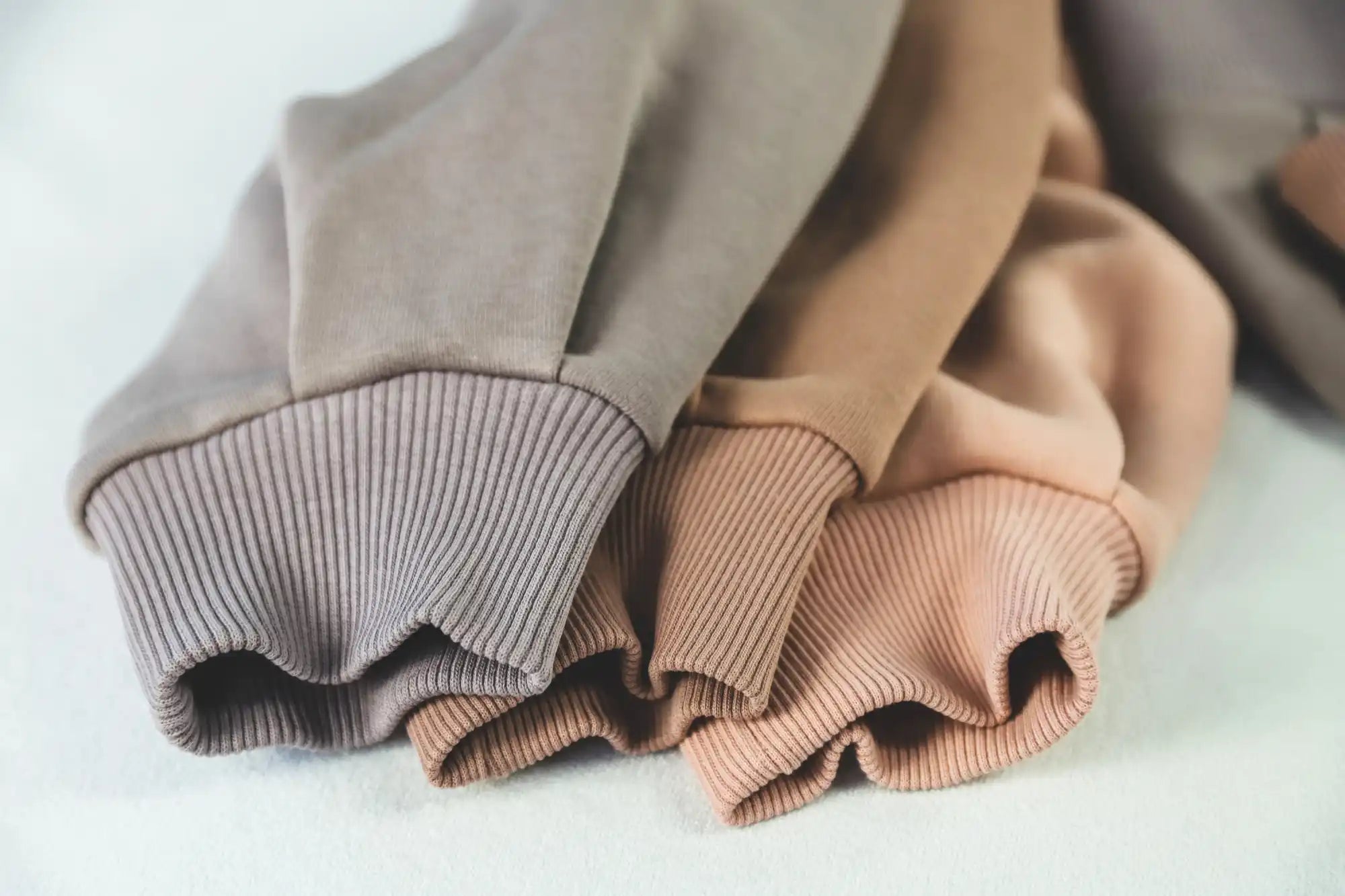
French terry is a knitted fabric featuring soft loops on the inside and a smooth jersey surface on the outside. Unlike fleece, the loops remain unbrushed, giving French terry its breathable, medium-weight comfort without excess heat retention.
Key Characteristics
- Highly breathable for year-round use
- Soft, moisture-absorbent interior loops
- Smooth face ideal for printing and embroidery
- Comfortable with less bulk than fleece
- Suitable from lightweight layers to heavier sweats
How French Terry Is Constructed
French terry is made on circular knitting machines that form two distinct surfaces simultaneously: a loop-back interior and a smooth jersey-facing exterior.
Interior: Loop-Back Structure
- Enhances air circulation and moisture absorption
- Retains warmth without overheating
- Soft against the skin
Exterior: Smooth Jersey Surface
- Clean, flat face suitable for screen printing, DTG, and embroidery
- More refined surface than fleece
- Resists snagging and maintains shape
Common Fiber Types in 2025
- 100% cotton for comfort and breathability
- Organic cotton for lower environmental impact
- Cotton/poly blends for durability and reduced shrinkage
- Modal or TENCEL™ blends for drape and softness
- Bamboo viscose blends for a silky hand feel
- Elastane-infused blends for added recovery
- Recycled polyester blends for sustainability goals
GSM Guide: Choosing the Right Weight
GSM (grams per square meter) determines structure, warmth, and garment performance. The following ranges guide selection for specific product types.
| GSM Range | Weight Class | Ideal Uses | Notes |
|---|---|---|---|
| 180–220 GSM | Lightweight | Layering tops, spring hoodies, warm-climate apparel | Highly breathable and great for summer |
| 230–280 GSM | Midweight | Joggers, shorts, all-season loungewear | Most versatile commercial range |
| 300–350 GSM | Heavyweight | Premium hoodies and structured sweats | More body without the bulk of fleece |
For additional GSM comparisons, see: Heavyweight Cotton GSM Guide
Ideal Product Applications
Hoodies
French terry is ideal for lightweight and midweight hoodies, offering a breathable feel with clean printability.
Joggers & Sweatpants
Structured yet comfortable, French terry joggers in 260–320 GSM are durable and drape well.
Shorts
French terry shorts provide body and softness, making them ideal for warm-weather sets.
Athleisure Tops
The moisture-handling properties support gym-to-street versatility and movement comfort.
Loungewear Sets
Soft loop-back interiors create elevated lounge silhouettes with long-term comfort.
Children’s Apparel
French terry is gentle, absorbent, and durable—perfect for active kids’ basics.
French Terry vs Other Fabrics
French Terry vs Fleece
| Feature | French Terry | Fleece |
|---|---|---|
| Interior | Unbrushed loops | Brushed pile |
| Warmth | Medium | High |
| Breathability | High | Medium |
| Bulk | Low | Higher |
| Ideal Use | Year-round basics | Winter insulation |
French Terry vs Jersey
| Feature | French Terry | Jersey |
|---|---|---|
| Structure | Loop-back | Flat knit |
| Weight | Medium | Light |
| Typical Use | Hoodies, sweats | T-shirts |
| Warmth | Moderate | Low |
French Terry vs Ponte
| Feature | French Terry | Ponte |
|---|---|---|
| Type | Terry knit | Double knit |
| Feel | Soft & casual | Firm & structured |
| Use | Athleisure | Tailored garments |
Dyeing, Washing & Print Compatibility
French terry supports a wide variety of dyeing and finishing techniques and maintains stability during washing when properly pre-shrunk.
Dye Methods
- Reactive dye
- Pigment dye
- Garment dye
- Silicone wash
- Enzyme wash
- Acid wash
Print Methods
- Screen printing
- Plastisol
- Puff print
- DTG printing (cotton-rich blends)
- Embroidery
Additional details: Dyeing Techniques Printing Techniques
Sustainability Options for 2025
French terry now comes in multiple low-impact variations aligned with responsible sourcing initiatives.
- Organic cotton French terry
- Cotton + recycled polyester blends
- Modal and TENCEL™ blends
- OEKO-TEX® Standard 100 certified yarns
- Low-impact dyeing and washing processes
More sustainability references: Sustainability & Ethics
External Certification Bodies
How to Choose the Right French Terry
- Define the product type: Hoodies → 280–330 GSM Joggers → 260–320 GSM Shorts → 240–300 GSM Lightweight tops → 180–240 GSM
- Select the fiber blend: Cotton for softness; cotton/poly for durability; Modal/TENCEL for drape; organic or recycled blends for sustainability targets.
- Evaluate knit density: Denser knits pill less and hold shape better.
- Choose finishing: Pre-shrunk, enzyme-washed, or garment-dyed French terry improves long-term garment quality.
Care Instructions for Consumers
- Wash cold and gentle
- Turn inside out to preserve the surface
- Avoid harsh detergents or bleach
- Air dry or tumble dry low
- Avoid high heat to reduce shrinkage
Additional Internal Resources
FAQs: Certification & Standards
What certifications can French terry meet?
French terry can meet OEKO-TEX® Standard 100 or GOTS when produced under appropriate certified conditions.
Is recycled French terry strong enough for activewear?
Yes. Certified recycled blends maintain durability and stability when sourced through responsible textile programs.
Does French terry require special compliance checks?
Most commercial French terry meets global standards such as CPSIA and REACH when sourced from compliant suppliers.
FAQs: Sourcing & Production
What GSM is best for premium hoodies?
280–330 GSM provides a structured, substantial feel without excessive weight.
Can French terry be garment-dyed?
Absolutely. Cotton-rich French terry takes garment dyes exceptionally well.
Is French terry suitable for streetwear?
Yes—its structure and printability make it ideal for modern oversized streetwear silhouettes.
FAQs: Materials & Care
Does French terry pill?
Denser knits and high-quality fibers greatly reduce pilling, especially in blends with polyester.
Is French terry warm enough for winter?
It provides moderate warmth. For colder climates, fleece is still the heavier option.
How can consumers maintain French terry?
Cold wash, gentle detergent, and low drying temperatures help preserve fabric structure.
If your brand is planning a new apparel program using French terry or certified materials, you can reach out through the request form to discuss sourcing options, GSM recommendations, and production timelines.
Materials & Fabrics for Clothing Production
Explore cotton, French terry, jersey, fleece, and sustainable blends used in premium apparel manufacturing.
Explore Premium Apparel Fabrics Guide
Printing Techniques for Apparel Production
Screen printing, embroidery, puff prints, and digital methods for custom clothing manufacturing.
Explore Custom Apparel Printing Techniques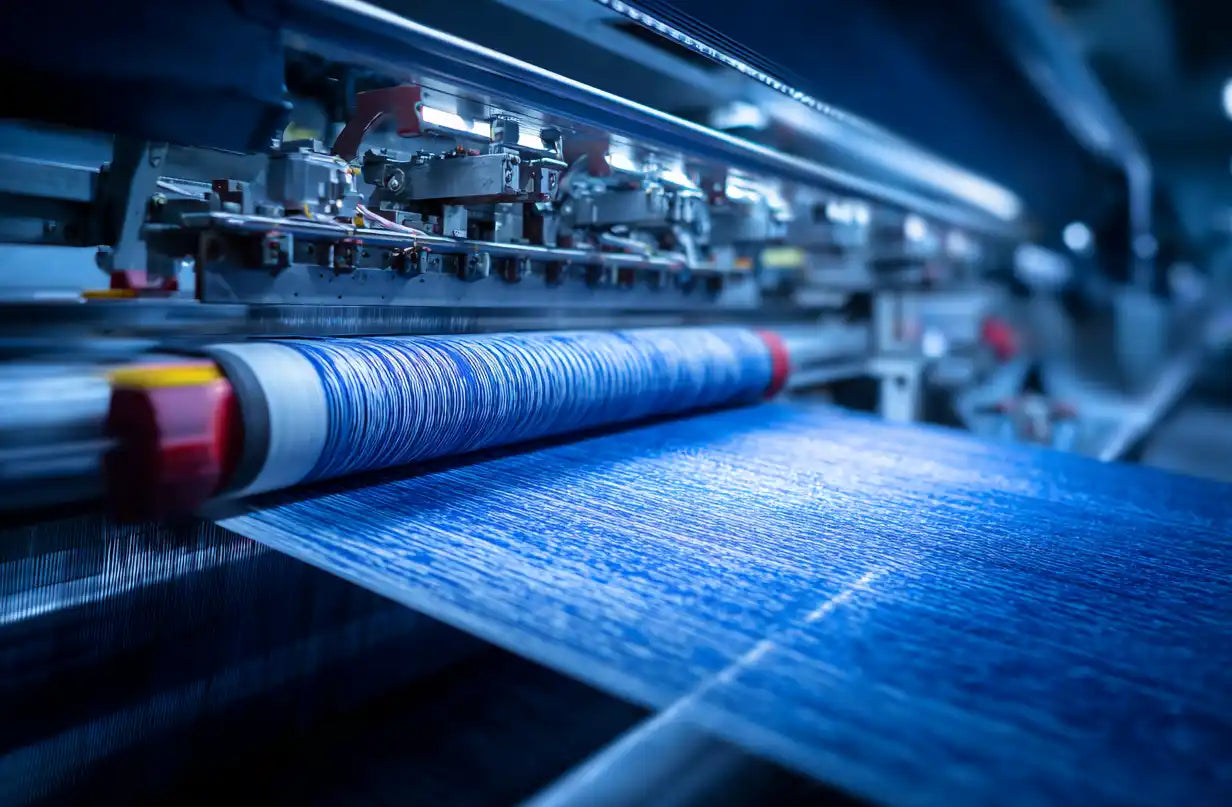
Dyeing Techniques in Clothing Manufacturing
Garment dye, pigment, acid wash, and stone wash finishes that create unique apparel designs.
Compare Apparel Finishing Techniques
Popular Clothing Items for Custom Apparel
Hoodies, joggers, t-shirts, leggings, and biker shorts — essentials for every apparel collection.
Explore Popular Custom Clothing Items
Trends & Designs in Modern Apparel
Oversized fits, streetwear influences, and activewear styles driving custom clothing production.
Explore Trends & Designs for Apparel Development
Sustainable & Ethical Clothing Production
OEKO-TEX® certified fabrics, organic cotton, and ethical apparel manufacturing in Portugal.
Understand Sustainable & Ethical Clothing Production
Essentials for Custom Clothing Production
Custom labels, packaging, and trims that elevate your apparel brand in production.
Explore Essentials for Custom Clothing Production
Resources for Custom Clothing Production
Startup guides, logistics support, and scaling strategies for apparel brands and wholesale clients.
Explore Resources for Custom Clothing Production
Clothing Manufacturing Glossary
Explore a complete glossary of clothing and garment manufacturing terms
The Complete Clothing Manufacturing Glossary
The Best Clothing Manufacturers
Explore global clothing manufacturers by country
Explore The Best Clothing Manufacturers
The Latest Clothing Industry Updates in 2025
Discover the latest news about important topics in the clothing industry in 2025,
Stay On Top Of Clothing Industry Updates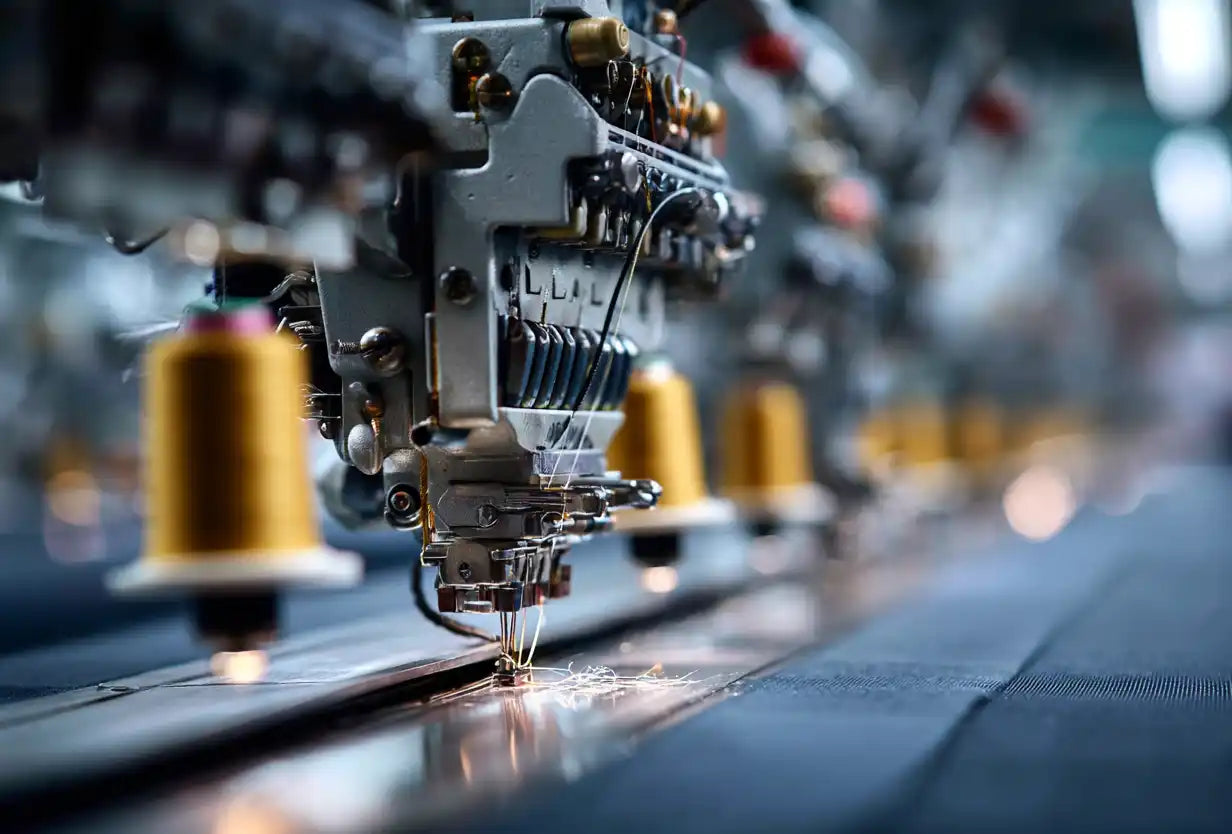
Worldwide Best Manufacturers of Clothes in 2026
Top clothing manufacturers worldwide organized by product type
Find The Worldwide Best Manufacturers of Clothes