
Garment Dyeing: How Process-Based Color Defines 2025 Apparel
Color as a Brand Signature
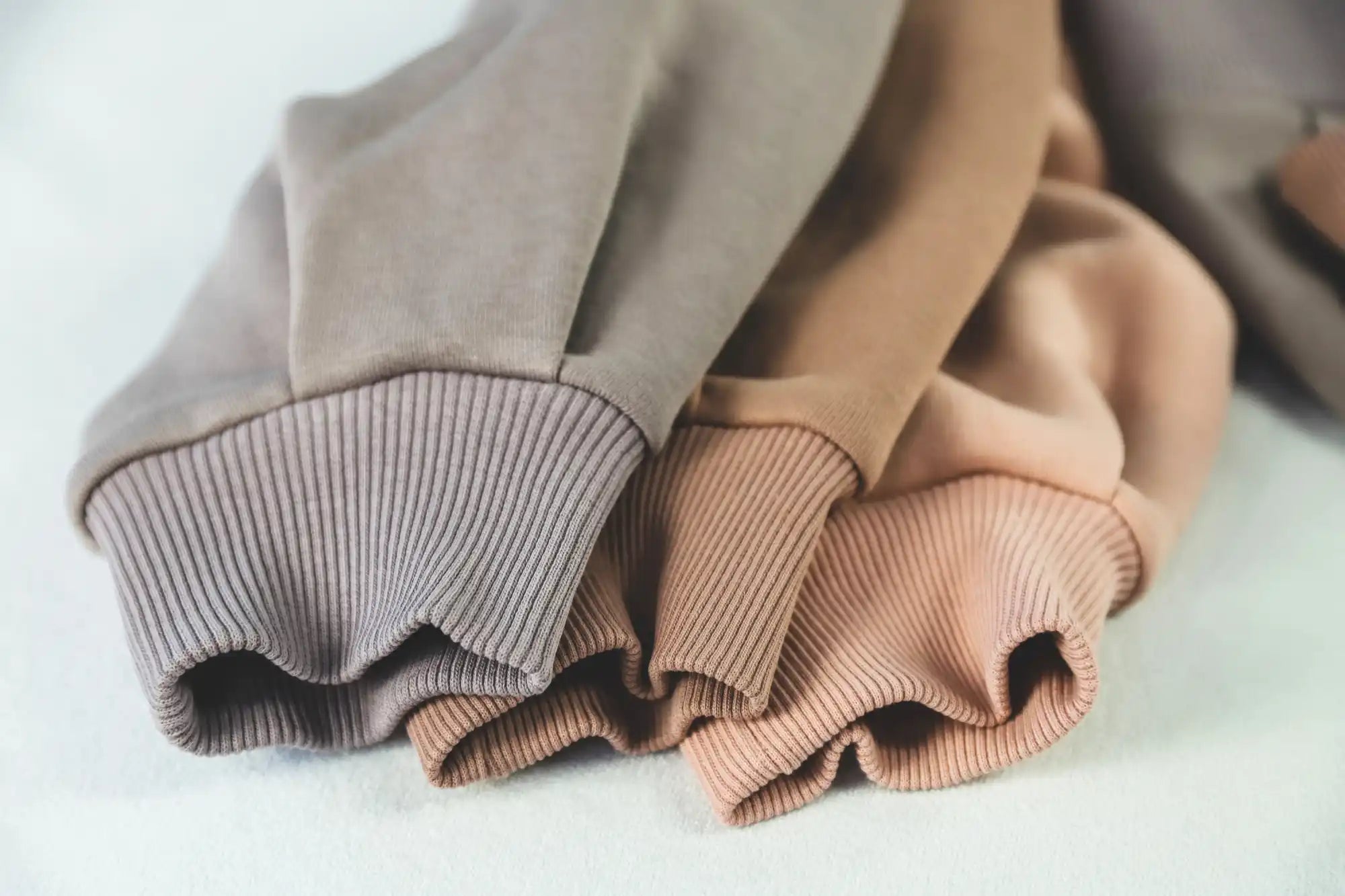
Color tells a story. In 2025, garment dyeing has become the go-to process for brands seeking depth, softness, and individuality. Unlike fabric dyeing, where color is applied before cutting, garment dyeing colors the finished piece—creating nuanced variation along seams and ribbing that signals craftsmanship.
What Is Garment Dyeing?
Garment dyeing is a post-sewing coloration technique where finished garments are immersed in dye baths using reactive, direct, or pigment dyes. The result is a soft, vintage tone with subtle irregularities—ideal for hoodies and heavyweight knits.
- Softens seams and threads for a broken-in hand feel
- Allows small-batch flexibility and low MOQ production
- Highlights garment construction through tonal contrast
The Garment Dyeing Process Step by Step
1. Preparation
Garments are checked, cleaned, and fitted with dye-resistant or compatible trims. Cotton threads and natural fabrics ensure even coloration.
2. Dye Bath Immersion
Pieces rotate in vats at 40–60°C for cotton and 30–40°C for synthetics. Salts and pH buffers control uptake, producing consistent yet nuanced shades.
3. Rinsing & Enzyme Treatment
After color fixation, enzyme or bio-polish treatments remove surface fuzz and enhance drape. This stage defines the soft, premium feel recognized in luxury blanks.
4. Drying & Soft-Touch Finish
Garments are tumble- or air-dried, sometimes finished with silicone or micro-encapsulated softeners to lock in color and comfort.
5. Optional Overdye or Pigment Wash
Designers layer pigments or apply mineral washes to amplify vintage depth—seen in the Acid Wash Oversized Collection.
Why Your Brand Will Choose Garment Dyeing
Authentic Visual Character
No two garments look identical. Irregular tone around seams highlights pattern design and craftsmanship.
Softness That Sells
The combined dye and wash cycle naturally relaxes fibers, creating the premium comfort consumers love.
Smarter Inventory Control
Brands can stock neutral blanks and dye per order—cutting overproduction by up to 40% versus fabric dyeing.
Trend Alignment
Muted mineral tones and washed neutrals dominate 2025 streetwear color forecasts, all achievable through garment dyeing.
Garment Dyeing vs. Fabric Dyeing: A Technical Comparison for Brands
| Factor | Fabric Dyeing | Garment Dyeing |
|---|---|---|
| Process Stage | Before sewing | After sewing |
| Color Result | Flat and uniform | Textured, vintage effect |
| MOQ | High (bulk yardage) | Low (batch or on-demand) |
| Hand Feel | Finish-dependent | Soft, broken-in by default |
| Sustainability | Variable | Less waste, precise water use |
Types of Dyes Used
- Reactive Dyes – Bright, wash-fast color for cotton and Tencel™.
- Direct Dyes – Cost-efficient for casualwear with medium fastness.
- Pigment Dyes – Produce washed, vintage appearance with enzyme finish.
- Sulfur Dyes – Create deep tones like charcoal and navy.
- Enzyme Overdye – Color and soften in one eco-efficient cycle.
Fabric Compatibility & Design Tips
Best results come from cotton jersey, French terry, and linen blends. Avoid synthetic-heavy fabrics unless using disperse dyes. Use cotton threads and heat-resistant accessories for temperature stability.
Sustainable Garment Dyeing in 2025
- Low-liquor-ratio machines cut water use by up to 50%.
- Closed-loop systems enable recycling of rinse water.
- Biodegradable dyes approved by GOTS and OEKO-TEX®.
- Digital shade-monitoring reduces chemical waste.
Portugal’s dye houses lead Europe in combining artisanal washing with environmental compliance. Learn more in Dyeing & Finishing 2025 Playbook.
Finishing Touches That Define Feel
- Enzyme Wash – Softens fibers and lightens tone.
- Mineral Wash – Adds irregular fading patterns.
- Silicone Finish – Creates sleek hand feel for luxury basics.
Quality Control Checklist
- Lab dips and spectrophotometer testing for shade accuracy
- Shrinkage and torque tests to ensure fit consistency
- Colorfastness validation for wash and rub resistance
The Future of Process-Based Dyeing
- AI-assisted dye prediction for shade consistency
- Low-temperature enzyme systems reducing energy 30%
- Recycled cotton integration into dye loops
- Micro-collection overdye collaborations with designers
FAQs – Certification & Standards
Can garment dyeing be certified under GOTS?
Yes. When using approved reactive or plant-based dyes and registered facilities, garment dyeing meets GOTS criteria.
Which certifications ensure safety and sustainability?
OEKO-TEX®, Bluesign®, and GOTS verify chemical safety and traceable inputs from fiber to finish.
How can brands verify their suppliers?
Request certificates, Material Safety Data Sheets, and recent audit records from the dye house.
FAQs – Sourcing & Production
Why is Portugal a hub for garment dyeing?
It combines modern machinery with craft know-how, ideal for low-MOQ streetwear and luxury basics.
Can brands dye existing neutral inventory?
Yes. Garment dyeing lets you refresh unsold stock or create limited editions without new fabric runs.
Typical lead times?
Two to four weeks depending on fabric weight and finish requirements.
FAQs – Materials & Care
How to wash garment-dyed pieces?
Wash inside-out in cold water with mild detergent. Slight color release in early washes is normal.
Will color fade over time?
Yes – controlled fading enhances the vintage look and is part of the design intent.
Are garment-dyed items pre-shrunk?
Most are stabilized during dyeing and drying but should still be tested for final fit.
Closing Thoughts
Garment dyeing unites technical discipline and creative expression. It offers brands flexibility, reduced waste, and a color signature that consumers recognize instantly. If your team is planning new collections with certified garment-dyed fabrics or washed finishes, reach out through our request form to discuss options and production timelines.
Written by Ana Matos – Head of Sourcing at Athleisure Basics, with 12 years in European textile procurement and fabric development.
Materials & Fabrics for Clothing Production
Explore cotton, French terry, jersey, fleece, and sustainable blends used in premium apparel manufacturing.
Explore Premium Apparel Fabrics Guide
Printing Techniques for Apparel Production
Screen printing, embroidery, puff prints, and digital methods for custom clothing manufacturing.
Explore Custom Apparel Printing Techniques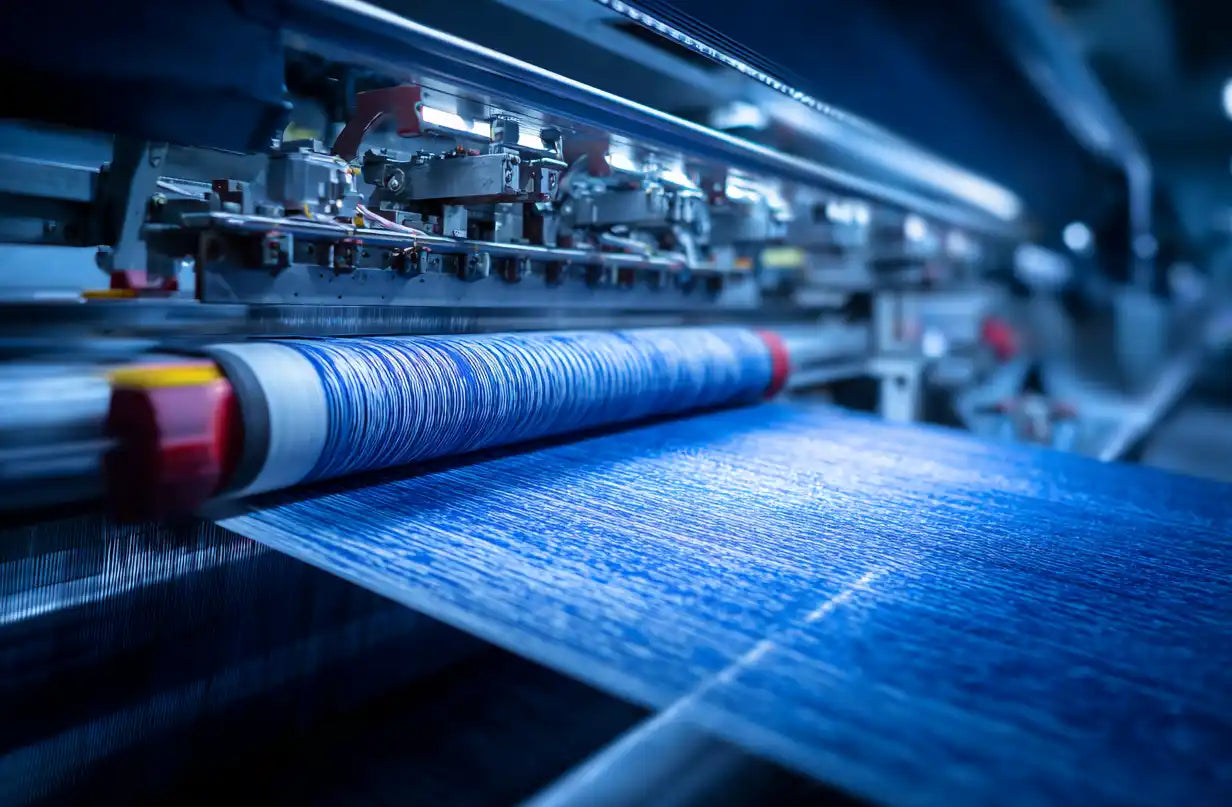
Dyeing Techniques in Clothing Manufacturing
Garment dye, pigment, acid wash, and stone wash finishes that create unique apparel designs.
Compare Apparel Finishing Techniques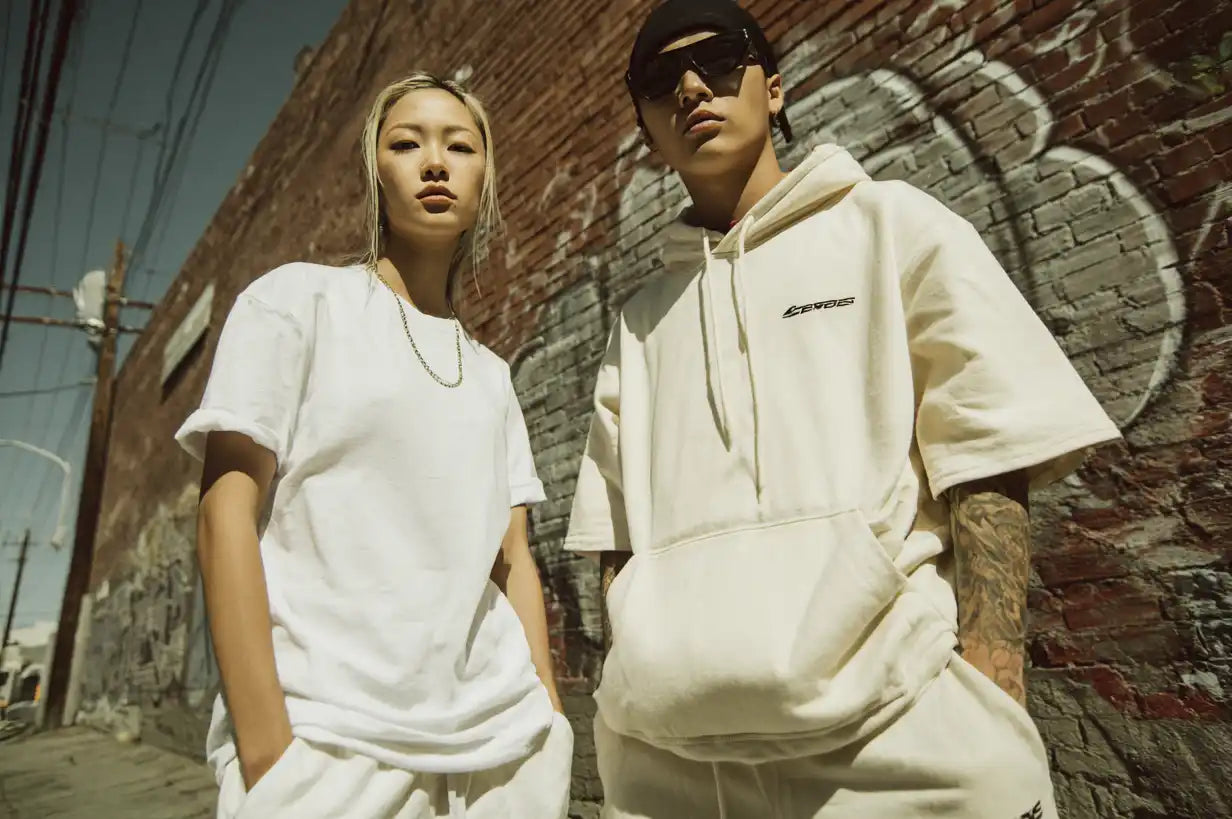
Popular Clothing Items for Custom Apparel
Hoodies, joggers, t-shirts, leggings, and biker shorts — essentials for every apparel collection.
Explore Popular Custom Clothing Items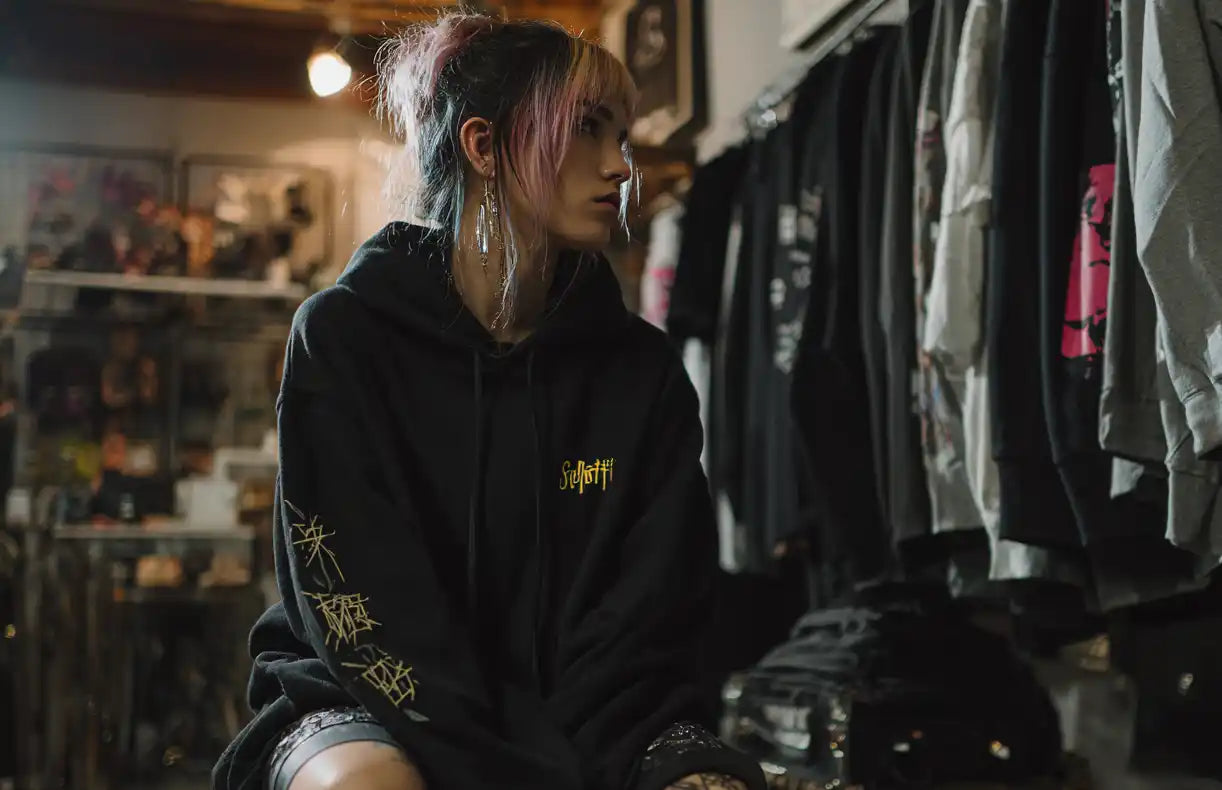
Trends & Designs in Modern Apparel
Oversized fits, streetwear influences, and activewear styles driving custom clothing production.
Explore Trends & Designs for Apparel Development
Sustainable & Ethical Clothing Production
OEKO-TEX® certified fabrics, organic cotton, and ethical apparel manufacturing in Portugal.
Understand Sustainable & Ethical Clothing Production
Essentials for Custom Clothing Production
Custom labels, packaging, and trims that elevate your apparel brand in production.
Explore Essentials for Custom Clothing Production
Resources for Custom Clothing Production
Startup guides, logistics support, and scaling strategies for apparel brands and wholesale clients.
Explore Resources for Custom Clothing Production
Clothing Manufacturing Glossary
Explore a complete glossary of clothing and garment manufacturing terms
The Complete Clothing Manufacturing Glossary
The Best Clothing Manufacturers
Explore global clothing manufacturers by country
Explore The Best Clothing Manufacturers
The Latest Clothing Industry Updates in 2025
Discover the latest news about important topics in the clothing industry in 2025,
Stay On Top Of Clothing Industry Updates
Worldwide Best Manufacturers of Clothes in 2026
Top clothing manufacturers worldwide organized by product type
Find The Worldwide Best Manufacturers of Clothes