
Hang Tags for Clothing: Branding Essentials for Custom Apparel
Hang tags are printed cardstock tags attached to garments using string, plastic fasteners, or pins. They communicate branding, pricing, material composition, certifications, and product context at the point of sale.
In custom clothing production, hang tags operate as external brand identifiers that influence perceived quality, retail readiness, and buyer confidence.
Why Hang Tags Matter for Apparel Brands
For brands producing custom t-shirts, custom made hoodies, and embroidered sweatshirts, hang tags often represent the first physical brand touchpoint. They convert garment specifications into clear, retail-friendly information.
Consistent hang tag execution supports wholesale onboarding, improves sell-through clarity, and reinforces brand credibility across global markets.
- Clarifies product positioning and pricing
- Supports retail and wholesale compliance
- Enhances perceived value at shelf level
- Strengthens brand recognition across collections
What to Include on a Clothing Hang Tag
Hang tags should remain concise, factual, and legible. Excessive content reduces clarity and increases production risk.
- Brand name or logo
- Product style or reference code
- Fabric composition
- Country of origin
- Applicable certifications
- Retail price or barcode
How Hang Tags Work in Apparel Production
Hang tags are developed after garment sampling but before bulk packing. Artwork is approved digitally, printed to specification, die-cut, and bundled for shipment to the factory or fulfillment center.
Tags are attached during final inspection or packing to ensure correct SKU matching. Attachment consistency is critical to avoid retail errors and returns.
For scalable programs, brands standardize layouts and attachment methods across all SKUs.
Hang Tag Cardstock Materials and GSM Standards
Cardstock selection directly affects durability, cost, and brand perception. Weight is measured in GSM, which defines thickness and rigidity.
| Cardstock Weight | Typical Use | Brand Positioning |
|---|---|---|
| 250–300 GSM | Mass-market apparel | Clean and functional |
| 300–350 GSM | Mid-tier brands | Balanced quality |
| 400+ GSM | Premium collections | High perceived value |
Finishing Options for Hang Tags
| Finish Type | Cost Level | Brand Effect |
|---|---|---|
| Matte lamination | Low | Soft, modern appearance |
| Gloss UV coating | Medium | High contrast and vibrancy |
| Embossing | Medium–High | Tactile brand emphasis |
| Foil stamping | High | Luxury signaling |
Hang Tag Attachment Methods
Attachment choice impacts durability, retail handling, and brand perception.
- Plastic swift tacks for mass production
- Waxed cotton cord for premium positioning
- Nylon string for lightweight garments
- Safety pins for delicate fabrics
Hang Tags vs Swing Tags
Hang tags prioritize pricing, compliance, and core product data. Swing tags are more commonly used for storytelling or campaign messaging.
For wholesale and multi-channel retail, hang tags offer clearer operational value.
Applying Hang Tags to Custom T-Shirts and Custom Made Hoodies
Custom T-Shirts
For custom t-shirts, hang tags typically communicate fabric weight, cut, and sustainability attributes. Minimal layouts support oversized and heavyweight silhouettes.
Custom Made Hoodies
When you customize a hoodie, the hang tag becomes the primary canvas for explaining fleece type, GSM, and construction. This supports higher price points and reduces buyer uncertainty.
Custom Embroidery on Sweatshirts
For custom embroidery on sweatshirts, hang tags reinforce craftsmanship by referencing stitch density, embroidery placement, or production method.
Certifications and Compliance Considerations
Hang tags may reference certifications, but they do not replace legally required care labels. Claims must be accurate and verifiable.
- OEKO-TEX® Standard 100
- GOTS (Global Organic Textile Standard)
- GRS (Global Recycled Standard)
Paper sourcing for hang tags may reference FSC-certified materials when applicable. Certification guidelines should be reviewed directly with governing bodies.
External references: Forest Stewardship Council | Textile Exchange
Common Mistakes to Avoid
- Using incorrect fabric composition. Risk: legal non-compliance and retailer rejection.
- Treating hang tags as care labels. Risk: customs seizure or penalties.
- Overdesigning tags. Risk: poor readability and retail confusion.
- Weak attachment methods. Risk: tag loss before sale.
Hang Tags as Part of Brand Essentials
Hang tags function most effectively when aligned with labels and packaging. They should reflect the same visual language used across the brand system.
View Brand Essentials for Custom Clothing Production
FAQs About Certification & Standards
Can hang tags include sustainability certifications?
Yes, provided the certification applies directly to the garment and is supported by documentation. Misuse can result in compliance violations.
Are certifications mandatory on hang tags?
No. Certifications are optional and must not conflict with required labeling regulations.
Can incorrect claims cause legal issues?
Yes. Inaccurate claims may lead to fines, recalls, or loss of retail partnerships.
FAQs About Sourcing & Production
When are hang tags attached?
They are typically attached during final inspection or packing stages to ensure SKU accuracy.
Should hang tags be sourced centrally?
Central sourcing improves consistency, while factory sourcing reduces logistical steps. Both are valid depending on scale.
Do hang tags affect MOQs?
Yes. Printing minimums often align with garment production volumes.
FAQs About Materials & Care
Are recycled hang tags durable?
Yes. When produced at appropriate GSM, recycled cardstock performs well in retail environments.
Do hang tags need special storage?
They should be stored in dry conditions to avoid warping or fading.
Should care instructions appear on hang tags?
No. Care instructions must appear on permanent care labels to meet regulations.
Next Steps for Your Apparel Program
If your brand is planning upcoming collections that require consistent branding, compliant labeling, and scalable trim sourcing, you can connect with our production team to review hang tag specifications, material options, and production timelines.
Submit a request through our form to discuss availability and production options .
Materials & Fabrics for Clothing Production
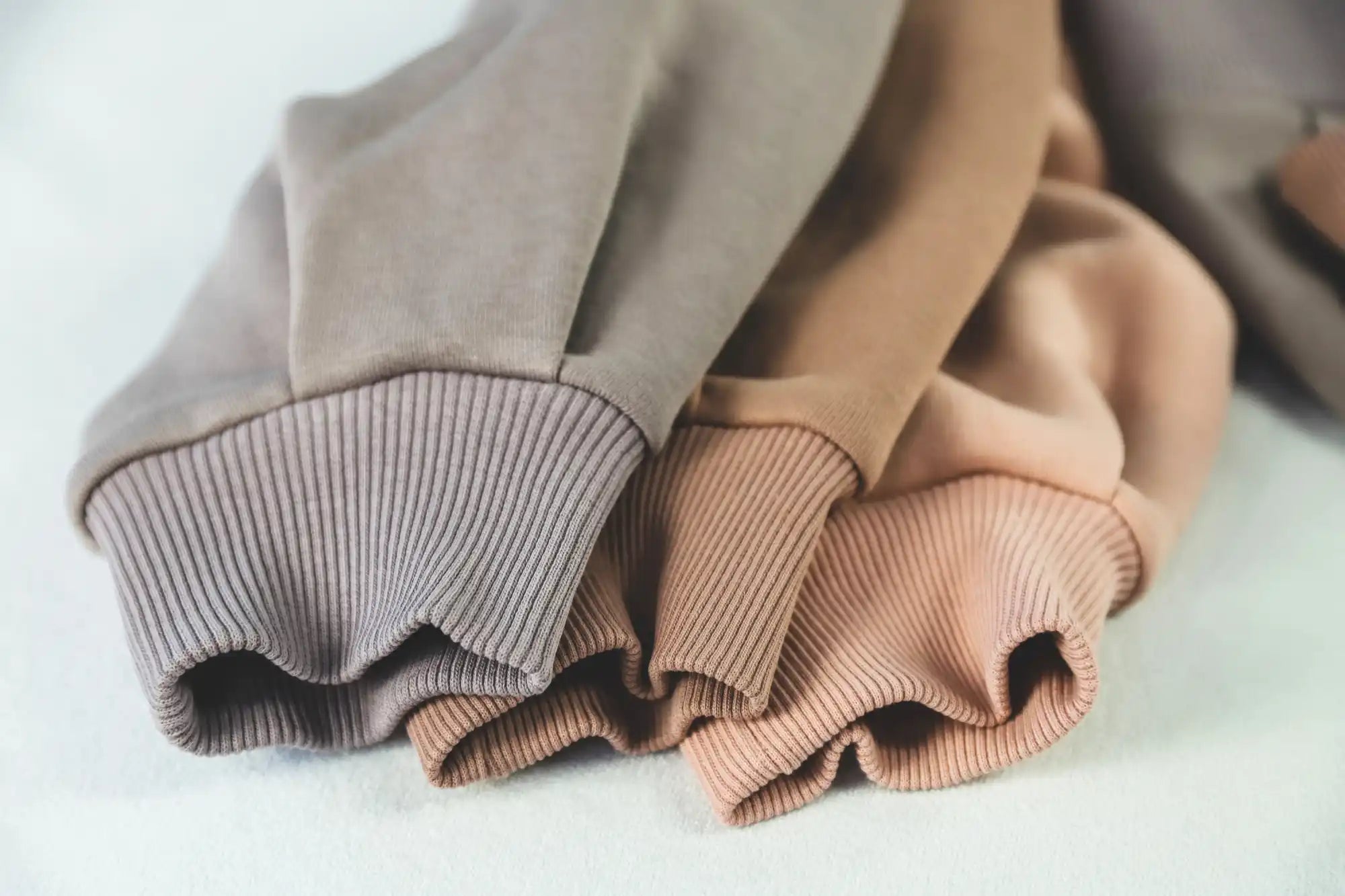
Explore cotton, French terry, jersey, fleece, and sustainable blends used in premium apparel manufacturing.
Explore Premium Apparel Fabrics Guide
Printing Techniques for Apparel Production
Screen printing, embroidery, puff prints, and digital methods for custom clothing manufacturing.
Explore Custom Apparel Printing Techniques
Dyeing Techniques in Clothing Manufacturing
Garment dye, pigment, acid wash, and stone wash finishes that create unique apparel designs.
Compare Apparel Finishing Techniques
Popular Clothing Items for Custom Apparel
Hoodies, joggers, t-shirts, leggings, and biker shorts — essentials for every apparel collection.
Explore Popular Custom Clothing Items
Trends & Designs in Modern Apparel
Oversized fits, streetwear influences, and activewear styles driving custom clothing production.
Explore Trends & Designs for Apparel Development
Sustainable & Ethical Clothing Production
OEKO-TEX® certified fabrics, organic cotton, and ethical apparel manufacturing in Portugal.
Understand Sustainable & Ethical Clothing Production
Essentials for Custom Clothing Production
Custom labels, packaging, and trims that elevate your apparel brand in production.
Explore Essentials for Custom Clothing Production
Resources for Custom Clothing Production
Startup guides, logistics support, and scaling strategies for apparel brands and wholesale clients.
Explore Resources for Custom Clothing Production
Clothing Manufacturing Glossary
Explore a complete glossary of clothing and garment manufacturing terms
The Complete Clothing Manufacturing Glossary
The Best Clothing Manufacturers
Explore global clothing manufacturers by country
Explore The Best Clothing Manufacturers
The Latest Clothing Industry Updates in 2025
Discover the latest news about important topics in the clothing industry in 2025,
Stay On Top Of Clothing Industry Updates
Worldwide Best Manufacturers of Clothes in 2026
Top clothing manufacturers worldwide organized by product type
Find The Worldwide Best Manufacturers of Clothes