
Heat Transfer Vinyl for Custom Made Hoodies & Apparel
Unlike ink-based printing methods that rely on scale for efficiency, HTV supports rapid customization with minimal setup. This makes it particularly valuable for emerging brands, capsule collections, event-driven apparel, and regional merchandising strategies. Understanding how HTV works and when it should be used is critical for sourcing managers and production teams.
What Is Heat Transfer Vinyl (HTV)?
Heat Transfer Vinyl is a specialty apparel decoration method in which pre-colored vinyl material is cut into specific shapes and thermally bonded to a garment surface. The vinyl contains an adhesive backing that activates under controlled heat and pressure. Once applied, the vinyl becomes a permanent surface layer bonded to the fabric.
HTV is best suited for solid colors, metallic finishes, reflective details, and sharply defined logos. Because color is embedded directly in the vinyl, the method delivers consistent results across cotton, polyester, and blended fabrics without ink absorption variability.
How Heat Transfer Vinyl Works
The HTV process begins with vector-based artwork preparation using design software compatible with modern RIP and cutting systems. Designs are sent to a plotter cutter that precisely cuts the vinyl film, after which excess material is removed during the weeding stage. The weeded design is positioned on the garment and applied using a calibrated heat press with controlled temperature, pressure, and dwell time. After cooling, the carrier sheet is removed, leaving a clean, bonded vinyl layer on the fabric surface.
Why Apparel Brands Use HTV in 2025
HTV continues to be widely adopted because it enables brands to customize apparel without the infrastructure required for large-scale printing. It supports fast iteration cycles, allowing teams to test graphics, placements, and colorways before committing to higher-volume production. This flexibility aligns well with modern on-demand workflows.
- Low setup cost compared to traditional printing
- Consistent color results across garment types
- Ideal for logos, names, numbers, and small graphics
- Efficient for custom t shirts and promotional apparel
Brands frequently rely on HTV when they need to customize a hoodie for short campaigns or integrate secondary branding alongside embroidery. It is also used to complement custom embroidery on sweatshirts by adding contrast elements without increasing stitch density.
Heat Transfer Vinyl vs Screen Printing
| Production Factor | Heat Transfer Vinyl | Screen Printing |
|---|---|---|
| Ideal Order Size | Small to medium runs | Medium to large runs |
| Setup Requirements | Minimal | High (screens, inks) |
| Color Capability | Solid and specialty finishes | Multi-color ink layering |
| Surface Texture | Slightly raised, tactile | Flat ink feel |
| Scalability | Limited for mass production | Highly scalable |
Fabric Compatibility and Performance
HTV adheres effectively to cotton, cotton-poly blends, and polyester fabrics when proper press parameters are used. Fabric weight plays a role in adhesion stability, with mid-weight garments (180–320 GSM) offering the most consistent results. Lightweight fabrics may show imprinting, while heavyweight fleece requires higher pressure calibration.
Performance garments often require low-temperature vinyl to prevent damage to moisture-management finishes. Pre-production testing remains essential to confirm adhesion and wash durability across fabric types.
HTV for Custom Hoodies and Sweatshirts
HTV is frequently used on fleece-based garments due to its opacity and edge definition. For custom made hoodies, vinyl maintains clarity over brushed interiors and ribbed cuffs where ink prints can distort. Logos applied via HTV remain legible even on textured surfaces.
Many brands combine HTV with embroidery to balance cost and visual hierarchy. Primary chest logos may be embroidered, while sleeve graphics or back lettering are applied using HTV, reducing production time without sacrificing brand presentation.
Common Mistakes to Avoid
- Using standard vinyl on stretch fabrics instead of stretch-rated HTV
- Applying light-colored vinyl to dark polyester without testing dye migration
- Incorrect heat press temperature leading to adhesive failure
- Oversized HTV designs increasing peel and crack risk
- Skipping wash testing before bulk approval
Dye migration is a frequent issue when applying HTV to dark, 100% polyester garments. Without a migration-block vinyl layer, sublimated dyes can discolor light vinyl over time, particularly under heat exposure.
Certifications and Compliance Considerations
HTV compliance depends on material sourcing rather than the decoration process itself. Vinyl suppliers should provide documentation confirming chemical safety and restricted substance compliance for target markets. Finished garments must also comply with labeling and consumer safety regulations.
Relevant external standards include OEKO-TEX® Standard 100 and U.S. CPSIA regulations:
- OEKO-TEX® Official Site
- CPSIA Consumer Product Safety Act
FAQs About Certification & Standards
Is HTV considered a certified decoration method?
HTV itself is not certified as a method; compliance applies to the vinyl material and the finished garment. Brands must verify supplier documentation and ensure all components meet applicable regulations. Certification responsibility rests with the brand owner.
Do HTV garments require additional testing?
Testing is recommended when garments are sold in regulated markets or used by children. Wash durability and chemical safety testing reduce compliance risk. Documentation should be retained for audit purposes.
Does embroidery certification apply to HTV?
No. Embroidery thread certifications do not automatically extend to vinyl. Each decoration material must be assessed independently.
FAQs About Sourcing & Production
Is HTV suitable for scaling a brand?
HTV supports early-stage scaling by enabling low-risk product validation. Once volume increases, brands often transition to more scalable methods. HTV remains useful for personalization and regional drops.
Can HTV be automated?
Partial automation is possible through multi-head heat presses and cutting systems. However, weeding remains labor-intensive. Full automation is uncommon for HTV.
How long does HTV production take?
Turnaround is fast due to minimal setup. Small batches can be completed within days. Production time increases with design complexity.
FAQs About Materials & Care
How durable is HTV after washing?
Properly applied HTV withstands repeated washing at moderate temperatures. Excessive heat accelerates adhesive degradation. Care labeling is essential for longevity.
Can HTV crack over time?
Cracking may occur if vinyl quality is low or if garments are overstretched. Stretch-rated HTV reduces this risk. Proper application settings are critical.
Is HTV breathable?
HTV creates a surface layer that reduces breathability in covered areas. Small design placements minimize comfort impact. Large vinyl panels are generally discouraged.
Production Planning Support
If your brand plans to develop new collections using certified fabrics and scalable production methods, reach out to our team via the request form to discuss availability and production options.
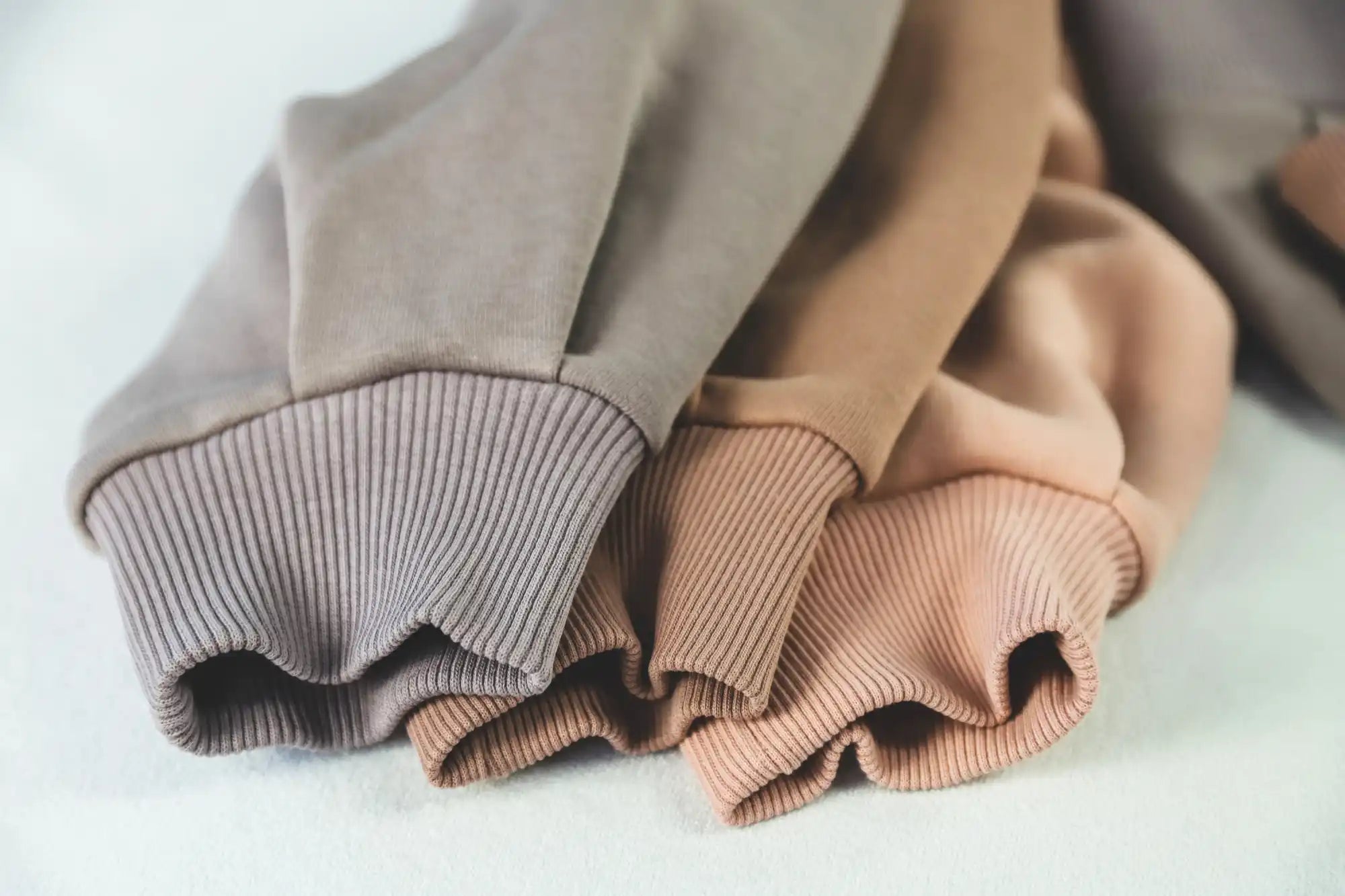
Materials & Fabrics for Clothing Production
Explore cotton, French terry, jersey, fleece, and sustainable blends used in premium apparel manufacturing.
Explore Premium Apparel Fabrics Guide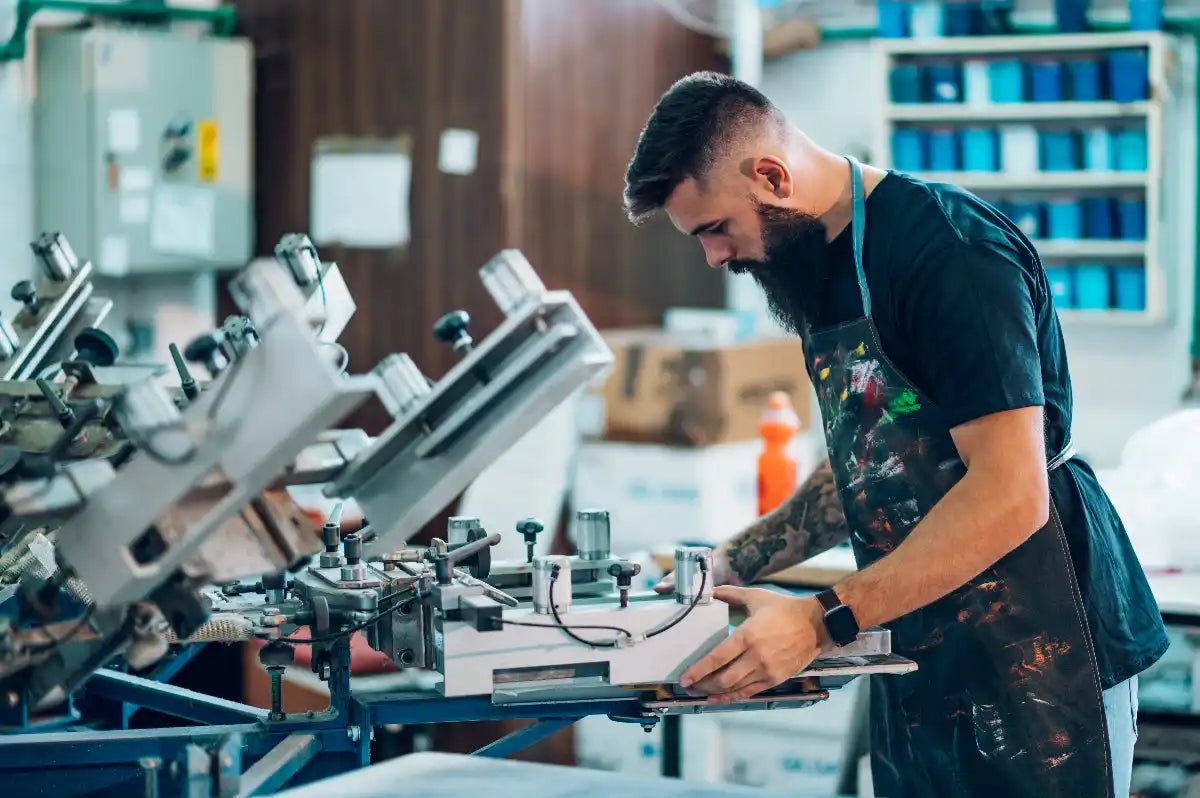
Printing Techniques for Apparel Production
Screen printing, embroidery, puff prints, and digital methods for custom clothing manufacturing.
Explore Custom Apparel Printing Techniques
Dyeing Techniques in Clothing Manufacturing
Garment dye, pigment, acid wash, and stone wash finishes that create unique apparel designs.
Compare Apparel Finishing Techniques
Popular Clothing Items for Custom Apparel
Hoodies, joggers, t-shirts, leggings, and biker shorts — essentials for every apparel collection.
Explore Popular Custom Clothing Items
Trends & Designs in Modern Apparel
Oversized fits, streetwear influences, and activewear styles driving custom clothing production.
Explore Trends & Designs for Apparel Development
Sustainable & Ethical Clothing Production
OEKO-TEX® certified fabrics, organic cotton, and ethical apparel manufacturing in Portugal.
Understand Sustainable & Ethical Clothing Production
Essentials for Custom Clothing Production
Custom labels, packaging, and trims that elevate your apparel brand in production.
Explore Essentials for Custom Clothing Production
Resources for Custom Clothing Production
Startup guides, logistics support, and scaling strategies for apparel brands and wholesale clients.
Explore Resources for Custom Clothing Production
Clothing Manufacturing Glossary
Explore a complete glossary of clothing and garment manufacturing terms
The Complete Clothing Manufacturing Glossary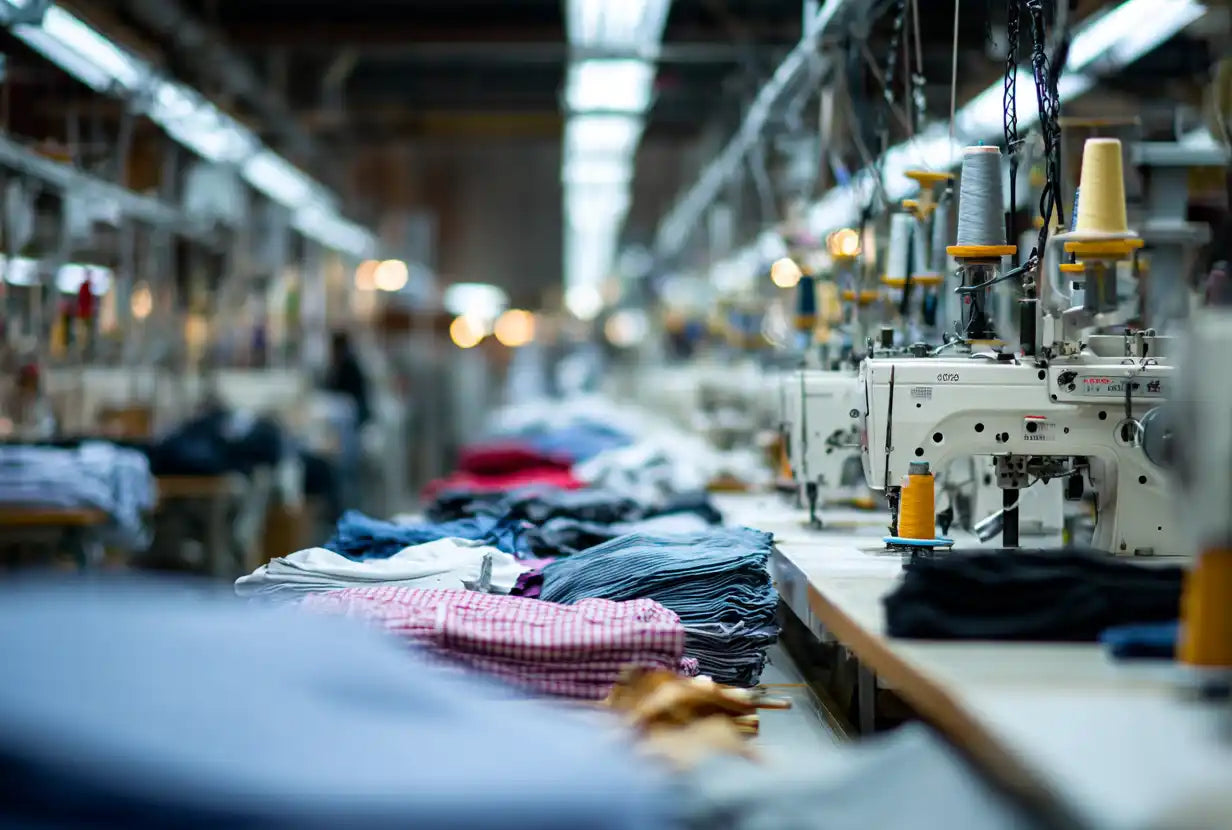
The Best Clothing Manufacturers
Explore global clothing manufacturers by country
Explore The Best Clothing Manufacturers
The Latest Clothing Industry Updates in 2025
Discover the latest news about important topics in the clothing industry in 2025,
Stay On Top Of Clothing Industry Updates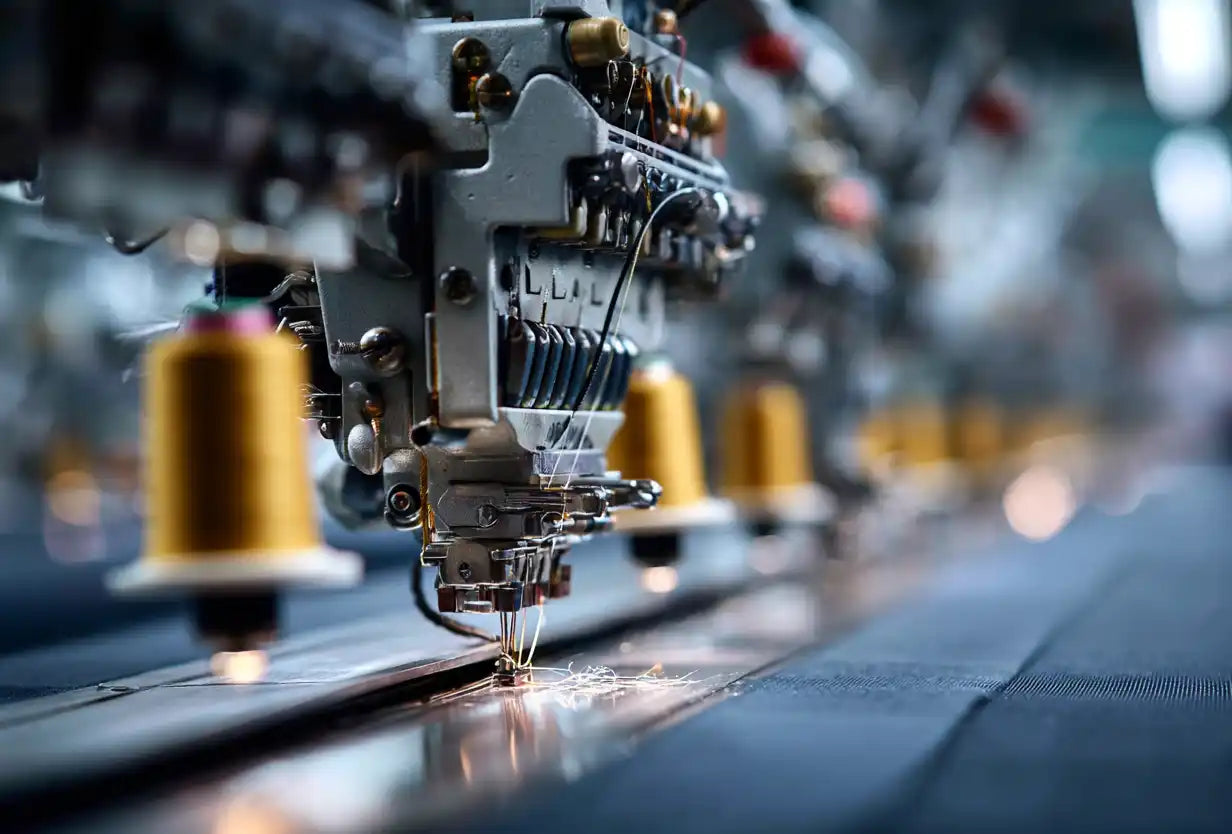
Worldwide Best Manufacturers of Clothes in 2026
Top clothing manufacturers worldwide organized by product type
Find The Worldwide Best Manufacturers of Clothes