
Understanding Heavyweight Cotton: The Durable Base for Premium Hoodies, Sweatshirts & Workwear
Heavyweight cotton is the backbone of premium apparel production — valued for its dense structure, tactile strength, and long-term durability. Typically measuring 300–420+ GSM, it defines the feel and longevity of high-end hoodies, sweatshirts, and workwear. This guide explains its characteristics, benefits, and sourcing standards for 2025-ready clothing collections.
What Is Heavyweight Cotton?
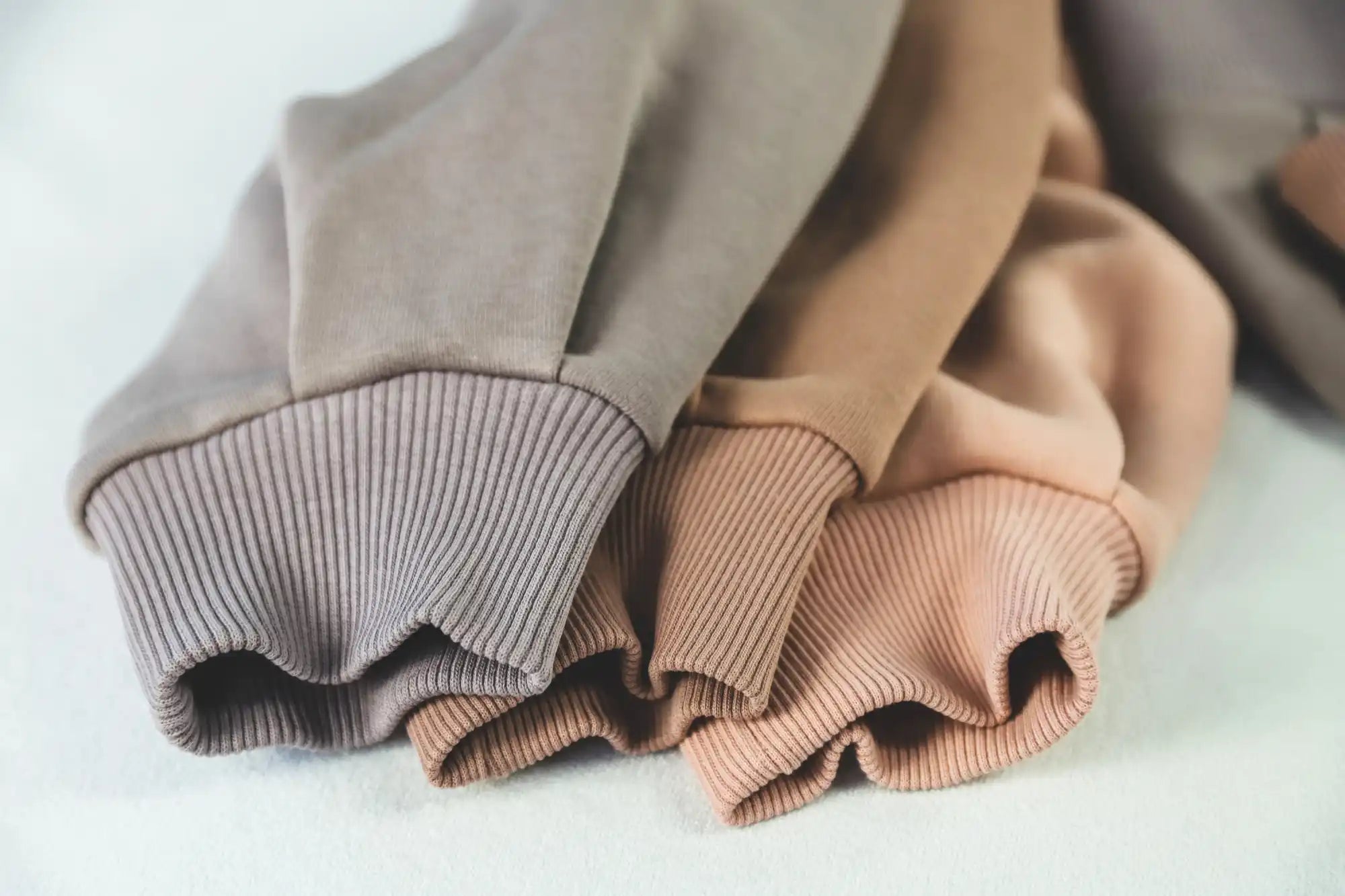
Heavyweight cotton refers to a densely knitted or woven cotton fabric with a weight of 300 grams per square metre (GSM) or higher. Compared with lighter jerseys or poplins, it offers a compact texture and greater thermal retention. Yarn is usually ring-spun and combed from long-staple fibers to enhance surface smoothness and strength.

| Fabric Type | Typical GSM | Common Applications | Key Properties |
|---|---|---|---|
| Lightweight Cotton | 120–160 | T-shirts, linings | Breathable, fluid drape |
| Midweight Cotton | 180–260 | Everyday sweatshirts | Balanced softness |
| Heavyweight Cotton | 300–420 + | Premium hoodies, workwear | Dense, durable, structured |
Why GSM and Density Matter
GSM (grams per square metre) quantifies fabric weight. The higher the GSM, the denser and more resilient the fabric. A 380 GSM fleece retains its shape and opacity far longer than a 240 GSM midweight knit. For elevated streetwear and workwear, 350–420 GSM remains the sweet spot between structure and comfort.
The Key Benefits of Heavyweight Cotton
- Durability & Longevity: Tests by European textile labs show heavyweight cotton maintaining up to 40 % higher fiber integrity after 20 wash cycles compared with midweight alternatives.
- Structured Fit: The dense yarn resists distortion, giving hoodies and sweatshirts the clean, boxy silhouette popular in modern streetwear.
- Comfort & Softness: Brushed-back fleece or loopback terry finishes provide a soft interior while preserving exterior firmness.
- Shrinkage Resistance: Pre-shrinking and compacting processes used in Portuguese mills ensure dimensional stability.
- Sustainability Potential: When sourced through GOTS-certified or Better Cotton Initiative programs, heavyweight cotton supports ethical farming and extended garment life cycles.
Applications Across Apparel Segments
| Segment | Fabric Example | Typical GSM | Function |
|---|---|---|---|
| Premium Hoodies & Sweatshirts | Brushed Fleece, Loopback Terry | 350–420 | Warmth & structure |
| Streetwear T-Shirts | Heavy Jersey Cotton | 250–300 | Oversized fit & opacity |
| Workwear & Utility Apparel | Cotton Twill Canvas | 380–450 | Abrasion resistance |
| Active Lifestyle Pieces | Cotton-blend French Terry | 300–350 | Durability with mobility |
Explore related resources: Oversized Hoodies and Sweatshirts | Premium Blank T-Shirts 2025 Trends
Inside the Manufacturing Process
- Fiber Selection: Long-staple cotton from Egypt, Turkey, or Greece ensures strength and smoothness.
- Combing & Spinning: Combing removes impurities; ring-spinning yields uniform yarns.
- Knitting or Weaving: Loopback or fleece constructions dominate hoodie and sweatshirt production.
- Finishing: Brushing, compacting, and reactive dyeing produce a soft hand-feel and lasting color.
Portugal’s mills, certified under OEKO-TEX Standard 100, lead Europe in precise GSM calibration and eco-friendly dyeing.
Comparing Fabric Options
| Property | Heavyweight Cotton | Midweight Cotton | Cotton-Poly Blend | Recycled Cotton |
|---|---|---|---|---|
| Durability | ★★★★★ | ★★★★☆ | ★★★★☆ | ★★★★☆ |
| Structure Retention | ★★★★★ | ★★★★☆ | ★★★☆☆ | ★★★★☆ |
| Breathability | ★★★★☆ | ★★★★★ | ★★★★☆ | ★★★★☆ |
| Sustainability | ★★★★☆ (if certified) | ★★★★☆ | ★★☆☆☆ | ★★★★★ |
Portugal vs Turkey: Manufacturing Comparison
| Country | Sustainability Focus | Typical MOQ | Lead Time (weeks) |
|---|---|---|---|
| Portugal | Strong (renewable energy use, certified mills) | 50–150 | 4–6 |
| Turkey | Moderate (large-scale efficiency) | 200–300 | 6–8 |
Sustainability & Certification Frameworks
- GOTS (Global Organic Textile Standard): Organic content + full supply-chain traceability.
- OEKO-TEX Standard 100: Tests finished textiles for harmful substances.
- Better Cotton Initiative (BCI): Promotes responsible farming and water stewardship.
- GRS (Global Recycled Standard): Applies to recycled cotton blends and fabrics.
Related internal reference: Made in Portugal Clothing – Premium Quality and Sustainable Production.
Sourcing Guidelines for Brands
- Request GSM verification from suppliers before bulk approval.
- Match certification documents (GOTS/OEKO-TEX) with batch numbers.
- Inspect compacted finishes and reactive-dyed color quality.
- Consider origin: Northern Portugal mills = premium consistency + low MOQ.
- Collaborate with Athleisure Basics for certified heavyweight blanks to scale responsibly.
Care & Maintenance for Heavyweight Cotton
- Machine-wash at 30–40 °C with gentle detergent.
- Avoid fabric softeners; they reduce absorbency.
- Air-dry flat to preserve structure; minimize tumble heat.
- Iron inside-out at medium temperature.
According to 2025 tests by the European Textile Care Institute, air-drying extends fiber life by ≈ 28 % versus high-heat drying.
FAQs About Certification & Standards
What certifications prove sustainability?
GOTS, OEKO-TEX Standard 100, and BCI confirm safe chemicals and responsible farming for heavyweight cotton.
Is all heavyweight cotton organic?
No. Organic status depends on certification, not fabric weight.
How can I verify a certificate?
Check certificate numbers on the issuer’s public database for validation.
FAQs About Sourcing & Production
Which regions excel in heavyweight cotton manufacturing?
Portugal, Italy, and Turkey are leaders in high-GSM production with modern eco-finishing.
What’s the usual MOQ?
Low-MOQ manufacturers offer 50–200 units per style, ideal for new brands.
Does higher GSM equal better quality?
Not always — fiber length and finishing also determine performance.
FAQs About Materials & Care
Can heavyweight cotton include elastane?
Yes. Adding 2–5 % elastane improves flexibility without losing structure.
Why does it soften over time?
Long-staple fibers relax gradually, enhancing comfort after each wash.
How to avoid pilling?
Use combed or compact-spun yarns and wash inside-out to reduce abrasion.
Conclusion
Heavyweight cotton defines the standard for structured apparel and durable streetwear. Its density, longevity, and certifiable sustainability make it the preferred base for premium hoodies and workwear.
If your brand is planning new collections using certified heavyweight fabrics, reach out via the Athleisure Basics Materials & Fabrics resource hub form to discuss fabric availability and production options.
Written by Ana Matos – Head of Sourcing at Athleisure Basics, with 12 years in European textile procurement and fabric development.
Materials & Fabrics for Clothing Production
Explore cotton, French terry, jersey, fleece, and sustainable blends used in premium apparel manufacturing.
Explore Premium Apparel Fabrics Guide
Printing Techniques for Apparel Production
Screen printing, embroidery, puff prints, and digital methods for custom clothing manufacturing.
Explore Custom Apparel Printing Techniques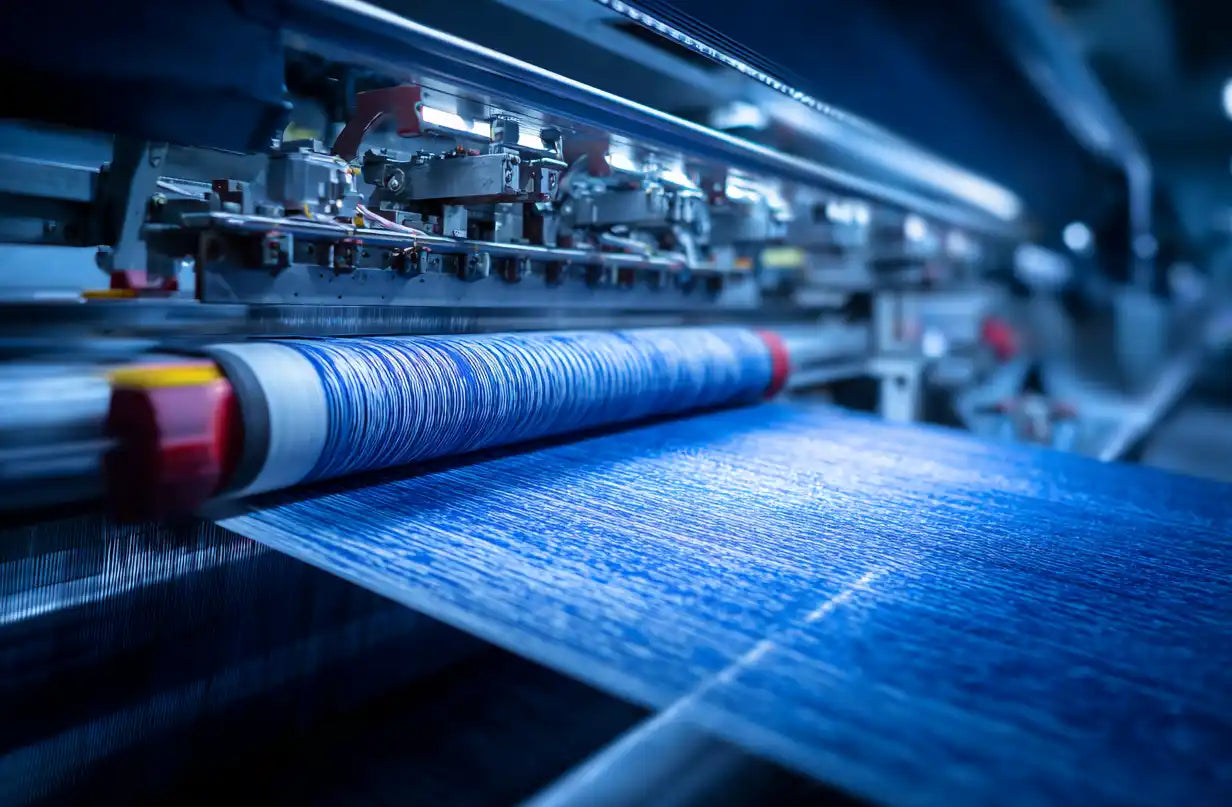
Dyeing Techniques in Clothing Manufacturing
Garment dye, pigment, acid wash, and stone wash finishes that create unique apparel designs.
Compare Apparel Finishing Techniques
Popular Clothing Items for Custom Apparel
Hoodies, joggers, t-shirts, leggings, and biker shorts — essentials for every apparel collection.
Explore Popular Custom Clothing Items
Trends & Designs in Modern Apparel
Oversized fits, streetwear influences, and activewear styles driving custom clothing production.
Explore Trends & Designs for Apparel Development
Sustainable & Ethical Clothing Production
OEKO-TEX® certified fabrics, organic cotton, and ethical apparel manufacturing in Portugal.
Understand Sustainable & Ethical Clothing Production
Essentials for Custom Clothing Production
Custom labels, packaging, and trims that elevate your apparel brand in production.
Explore Essentials for Custom Clothing Production
Resources for Custom Clothing Production
Startup guides, logistics support, and scaling strategies for apparel brands and wholesale clients.
Explore Resources for Custom Clothing Production
Clothing Manufacturing Glossary
Explore a complete glossary of clothing and garment manufacturing terms
The Complete Clothing Manufacturing Glossary
The Best Clothing Manufacturers
Explore global clothing manufacturers by country
Explore The Best Clothing Manufacturers
The Latest Clothing Industry Updates in 2025
Discover the latest news about important topics in the clothing industry in 2025,
Stay On Top Of Clothing Industry Updates
Worldwide Best Manufacturers of Clothes in 2026
Top clothing manufacturers worldwide organized by product type
Find The Worldwide Best Manufacturers of Clothes