
High-Density Print for Custom Apparel
High-density print is a specialty screen printing technique used to create sharp, raised, and tactile graphics on custom apparel. Unlike puff ink, which expands unpredictably during curing, high-density printing relies on controlled ink layering to produce a structured, embossed-like surface. This method is increasingly used by apparel brands that prioritize durability, precision, and premium visual impact across hoodies, sweatshirts, and select t-shirt programs.
As texture-driven branding becomes more prominent in streetwear, athleisure, and private-label collections, understanding the production realities of high-density print is essential for sourcing managers and product developers.
What Is High-Density Print?
High-density print is a screen printing method that builds thickness through dense plastisol ink deposits rather than chemical expansion. The ink cures into a firm, raised surface with sharply defined edges that remain consistent across production runs.
This technique is commonly used for logos, typographic graphics, and branding elements where clarity and structure are critical. It is especially effective on mid- to heavyweight garments designed for retail resale.
How High-Density Printing Works
The process begins with artwork engineered for height rather than color complexity. Screens are prepared using low mesh counts—typically between 80 and 110—to allow sufficient ink flow for thick deposits.
A 200-micron emulsion capillary film is commonly used to achieve the stencil thickness required for dimensional buildup. Ink is applied using firm squeegees, often in the 70–80 Shore A hardness range, to maintain edge control.
After printing, garments pass through a conveyor dryer where controlled heat fully cures the ink without causing expansion, locking in both structure and wash durability.
Where High-Density Print Is Used
- Front and back logos on custom made hoodies
- Minimalist branding on crewneck sweatshirts
- Chest or sleeve accents on structured fleece garments
- Premium detail elements in limited-edition collections
Because the ink does not collapse or foam, the final result maintains a clean architectural profile even after repeated washing.
High-Density Print vs Puff Print
| Feature | High-Density Print | Puff Print |
|---|---|---|
| Ink Behavior | Layered, non-expanding | Expands during curing |
| Edge Definition | Sharp and precise | Rounded and soft |
| Surface Texture | Firm, structured | Foamy, cushion-like |
| Production Consistency | Highly controlled | More variable |
Puff print is often chosen for playful or retro aesthetics, while high-density print is favored when precision and repeatability are production priorities.
Fabric Compatibility and Performance
High-density print performs best on stable knit constructions that can support ink weight without excessive stretch. Fabric selection directly affects long-term durability and surface integrity.
Recommended fabrics include cotton fleece, cotton-poly blends, heavyweight French terry, and brushed fleece. Lightweight jersey and elastane-heavy fabrics are generally unsuitable.
High-Density Print on Custom T-Shirts
While most commonly used on hoodies and sweatshirts, high-density print can be applied to select custom t shirts made from heavier cotton jersey. Print areas should remain compact to avoid stiffness or drape distortion.
This application is best reserved for logos, branding marks, or limited-edition runs rather than large-format graphics.
High-Density Print vs DTG Printing
| Feature | High-Density Print | DTG Printing |
|---|---|---|
| Texture | Raised | Flat |
| Wash Durability | High | Moderate |
| Best Use Case | Bulk production | Small runs |
| Visual Impact | Dimensional | Photographic |
DTG cannot replicate the tactile height achieved through high-density ink layering, making screen-based methods more suitable for scalable programs.
High-Density Print vs Embroidery
| Feature | High-Density Print | Embroidery |
|---|---|---|
| Weight | Moderate | Heavy |
| Detail Precision | Very high | Moderate |
| Cost at Scale | Lower | Higher |
| Hand Feel | Firm | Textured stitches |
For brands already offering custom embroidery on sweatshirts, high-density print provides a flatter, lighter alternative when weight or cost constraints arise.
Certifications and Compliance Standards
High-density printing typically uses plastisol inks, which can comply with major global safety standards when properly sourced and cured. Compliance documentation should always be confirmed with production partners.
- OEKO-TEX® Standard 100 for chemical safety
- REACH Compliance for EU chemical regulations
Common Mistakes to Avoid
- Applying high-density print on lightweight or high-stretch fabrics
- Overbuilding ink height, leading to cracking
- Improper curing temperatures that cause wash failure
- Printing over seams, pockets, or plackets, resulting in ink pooling and jagged edges
- Ignoring garment shrinkage during curing
Early sampling and fabric testing significantly reduce production risk.
Comprehensive FAQ
Certification & Standards
Is high-density print OEKO-TEX® compliant?
High-density prints can meet OEKO-TEX® requirements when certified inks are used and curing is properly controlled.
Does high-density print meet EU chemical regulations?
Yes, when inks and auxiliaries comply with REACH restrictions and documentation is provided.
Sourcing & Production
Is high-density print suitable for bulk production?
Yes. Once screens are prepared, it scales efficiently for large runs.
Can it be combined with embroidery?
Yes. Many brands combine both techniques within a single garment design.
Materials & Care
Does high-density print crack over time?
Properly cured prints resist cracking when applied to suitable fabrics.
How should garments be washed?
Wash inside out in cold water and avoid high-heat drying to preserve structure.
If your brand plans to develop new collections using certified fabrics and scalable production methods, reach out to our team via the request form to discuss availability and production options.
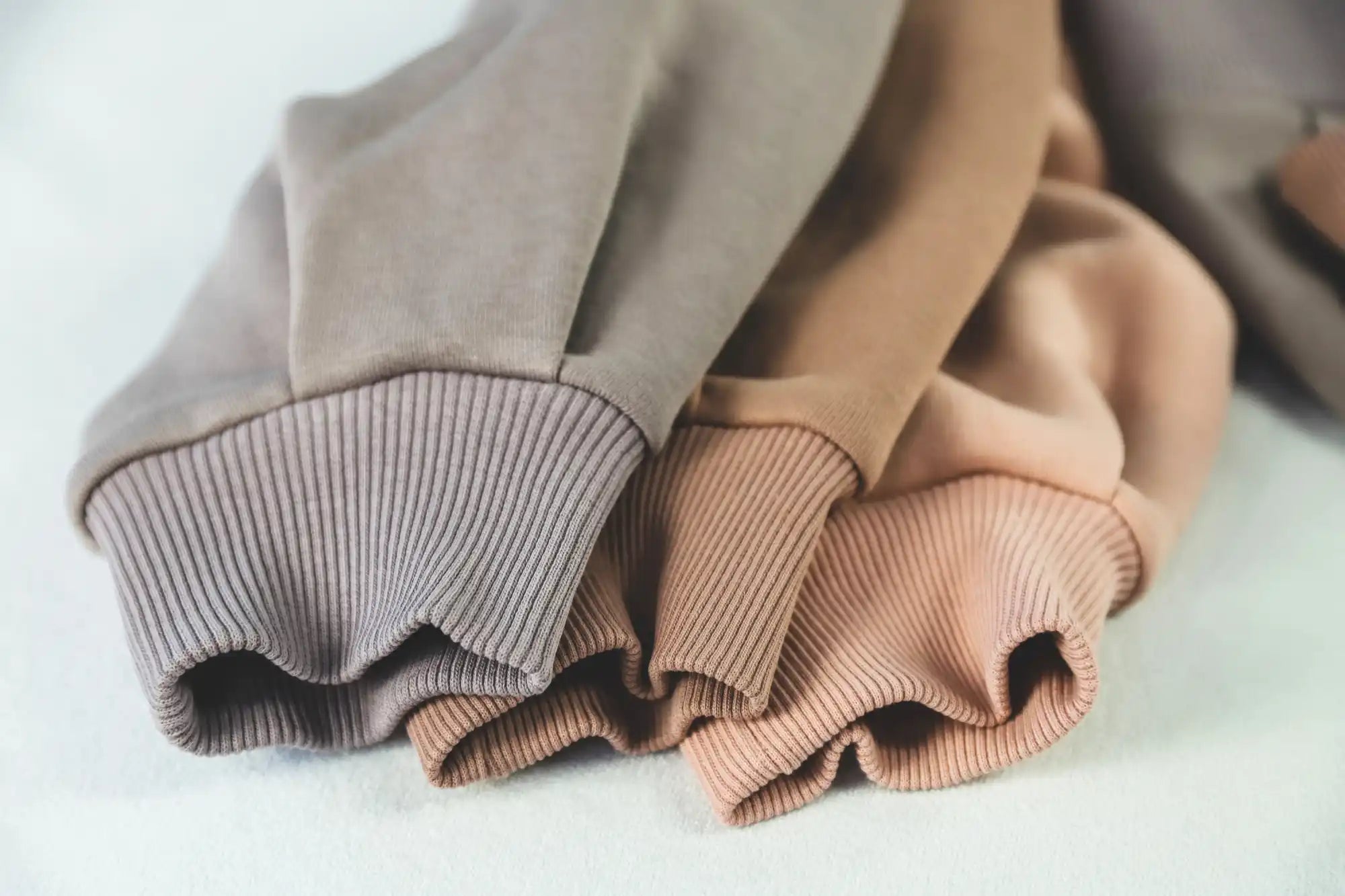
Materials & Fabrics for Clothing Production
Explore cotton, French terry, jersey, fleece, and sustainable blends used in premium apparel manufacturing.
Explore Premium Apparel Fabrics Guide
Printing Techniques for Apparel Production
Screen printing, embroidery, puff prints, and digital methods for custom clothing manufacturing.
Explore Custom Apparel Printing Techniques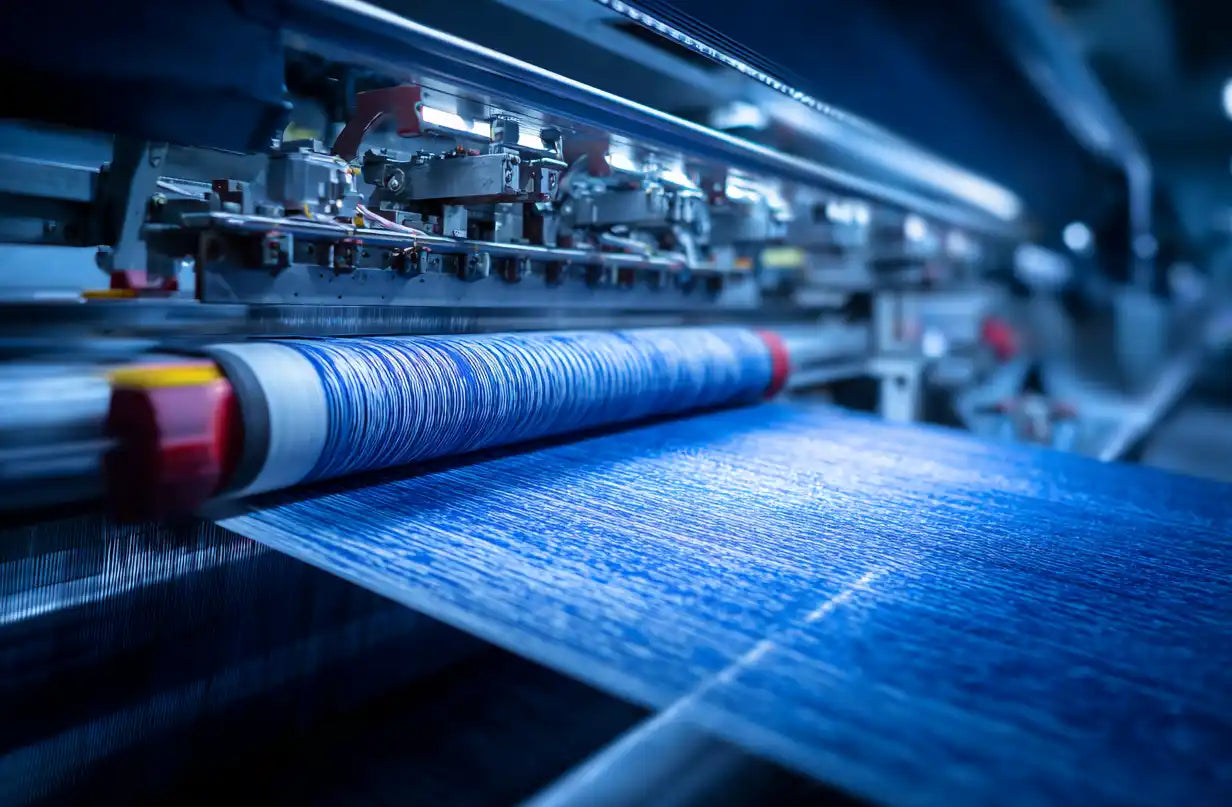
Dyeing Techniques in Clothing Manufacturing
Garment dye, pigment, acid wash, and stone wash finishes that create unique apparel designs.
Compare Apparel Finishing Techniques
Popular Clothing Items for Custom Apparel
Hoodies, joggers, t-shirts, leggings, and biker shorts — essentials for every apparel collection.
Explore Popular Custom Clothing Items
Trends & Designs in Modern Apparel
Oversized fits, streetwear influences, and activewear styles driving custom clothing production.
Explore Trends & Designs for Apparel Development
Sustainable & Ethical Clothing Production
OEKO-TEX® certified fabrics, organic cotton, and ethical apparel manufacturing in Portugal.
Understand Sustainable & Ethical Clothing Production
Essentials for Custom Clothing Production
Custom labels, packaging, and trims that elevate your apparel brand in production.
Explore Essentials for Custom Clothing Production
Resources for Custom Clothing Production
Startup guides, logistics support, and scaling strategies for apparel brands and wholesale clients.
Explore Resources for Custom Clothing Production
Clothing Manufacturing Glossary
Explore a complete glossary of clothing and garment manufacturing terms
The Complete Clothing Manufacturing Glossary
The Best Clothing Manufacturers
Explore global clothing manufacturers by country
Explore The Best Clothing Manufacturers
The Latest Clothing Industry Updates in 2025
Discover the latest news about important topics in the clothing industry in 2025,
Stay On Top Of Clothing Industry Updates
Worldwide Best Manufacturers of Clothes in 2026
Top clothing manufacturers worldwide organized by product type
Find The Worldwide Best Manufacturers of Clothes