
How to Reduce Apparel’s Carbon Footprint in Portugal
Portugal’s apparel industry is redefining sustainable manufacturing through renewable energy, circular design, and low-impact logistics. For global fashion brands, reducing the carbon footprint of each garment is now essential—not optional. This guide explains how Portuguese manufacturers and sourcing teams are cutting emissions while maintaining quality, traceability, and ethical standards.
Why Portugal Leads in Low-Carbon Apparel Manufacturing
Portugal’s textile and clothing (T&C) sector hosts over 12,000 companies employing 130,000+ professionals, generating about €8.8 billion in revenue. Concentrated mainly in the north, these factories combine modern technology with small-batch flexibility—perfect for ethical, short-run production. Because much of Portugal’s electricity already comes from renewables (hydro, wind, solar), its Scope 2 emissions are substantially lower than in many sourcing countries.
- Shorter European logistics routes reduce transport-related CO₂.
- SME clusters make supplier transparency and audits easier.
- Government incentives promote renewable-energy adoption across manufacturing.
Understanding Carbon Footprint in Apparel Production
The GHG Protocol divides emissions into three scopes:
- Scope 1 – Direct factory emissions (fuel, onsite boilers).
- Scope 2 – Indirect emissions from purchased electricity or steam.
- Scope 3 – Upstream and downstream value-chain emissions (raw materials, shipping, end-of-life).
Recent Portuguese studies found energy use represents up to 76 % of total Scope 1 + 2 emissions, while waste can contribute as much as 38 %—proof that both process energy and waste reduction are decisive factors.
Typical Emission Hotspots
| Stage | Main Emission Drivers |
|---|---|
| Fibre sourcing | Agriculture, fertilisers, transport |
| Fabric production | Dyeing, finishing, heat and water usage |
| Logistics | Shipping distance and mode |
| Use & disposal | Washing, drying, landfill |
What Are the 6 Key Strategies for Reducing Apparel’s Carbon Footprint in Portugal?
1. Power Production with Renewables and Efficiency Upgrades
Factories across Portugal are installing solar PV arrays, biomass boilers, and heat-recovery systems. These investments lower electricity-related CO₂ and stabilise operating costs. Brands can request suppliers’ energy-mix data and include renewable-energy targets in contracts.
- Ask for kWh / kg fabric data by energy source.
- Include “≥ 50 % renewable electricity by 2026” in supplier KPIs.
- Verify progress through quarterly energy reports.
2. Source Materials Locally and Choose Low-Carbon Fibres
Portugal’s proximity to EU fibre and fabric producers minimises transport emissions. Selecting Global Organic Textile Standard (GOTS)-certified or Global Recycled Standard (GRS)-verified fibres strengthens both sustainability and marketing claims.
- Use local or regional mills whenever possible.
- Specify minimum recycled-fibre content in purchase orders.
- Reference certification authorities: GOTS official | Textile Exchange (GRS)
3. Improve Dyeing, Finishing, and Water Systems
Dyeing and finishing stages often account for most thermal energy demand. Portuguese innovators now use ozone bleaching, CO₂ dyeing, and closed-loop water recycling to cut emissions and pollution.
- Prioritise suppliers with in-house wastewater treatment.
- Request emissions data (kg CO₂e / kg fabric) for finishing lines.
- Encourage heat-recovery targets (≥ 80 % steam reuse).
4. Design for Circularity and Zero Waste
Textile waste can add significant hidden emissions. Factories partnering with recycling startups are turning off-cuts into new yarns and padding. Brands can co-develop closed-loop production models to eliminate landfill contributions.
- Require “zero textile waste to landfill” policies.
- Track kg waste / kg fabric metrics each quarter.
- Incorporate off-cut reuse into product design briefs.
5. Optimize Logistics and Distribution
Portugal’s geographic advantage means shorter delivery routes to EU markets. To maximize savings:
- Consolidate shipments to full containers.
- Use rail or short-sea freight instead of air.
- Locate warehouses near primary customer regions.
6. Verify Progress with Recognized Certifications
Certifications provide measurable assurance. In addition to GOTS and GRS, look for ISO 14001 Environmental Management systems or the EU’s EMAS registration. Each helps factories track, report, and continuously improve sustainability KPIs.
For full factory evaluation guidelines, review our sustainability framework: Athleisure Basics Sustainability & Ethics in Production.
Portugal vs. Other Sourcing Regions
| Region | Logistics Emissions | Energy Grid Carbon Intensity | Low-Carbon Potential |
|---|---|---|---|
| Portugal (Europe) | Moderate | Low – renewable-heavy | High ✅ |
| Far East (SE Asia) | High | High – coal-reliant | Moderate ⚠️ |
| Turkey / N. Africa | Medium | Variable | Good if grid green |
Action Roadmap for Apparel Brands
Phase 1 – Baseline and Partner Selection
- Request carbon-emission baselines (Scopes 1–3) from all suppliers.
- Assess energy source, waste streams, and logistics routes.
- Prefer factories already publishing sustainability data.
Phase 2 – Specification and Contracting
- Set fibre content and emissions-intensity targets per kg fabric.
- Include efficiency clauses: steam-recovery ≥ 80 %, renewable energy ≥ 40 %.
- Plan shipping using consolidated sea routes.
Phase 3 – Monitoring and Improvement
- Quarterly review: kWh/kg fabric, waste kg/kg fabric, % renewables.
- Support suppliers installing solar PV or biomass systems.
- Reward continuous emission-reductions with longer contracts.
Phase 4 – Communication and Verification
- Publish verifiable metrics (e.g., “27 % lower CO₂e per garment vs 2023”).
- Show certification badges and traceable supply-chain data on product pages.
- Educate consumers about Portugal’s sustainability advantages.
Key Takeaways
- Portugal’s renewable-energy grid and proximity logistics reduce apparel’s total carbon impact.
- Energy efficiency, fibre sourcing, and waste management drive the biggest CO₂e gains.
- Verified certifications (GOTS, GRS, ISO 14001) provide credible proof of impact.
- Transparent supplier data allows measurable progress toward corporate sustainability goals.
FAQs: Certification & Standards
What does ISO 14001 mean for apparel factories?
ISO 14001 certifies that a manufacturer has an environmental management system covering energy, waste, and emissions. It focuses on continuous improvement rather than fixed targets, ensuring factories track and reduce their impact over time.
How do GOTS and GRS support carbon reduction?
GOTS certifies organic fibre processing under strict environmental and social criteria, while the GRS verifies recycled content and chain-of-custody. Both reduce dependence on virgin resources, cutting upstream CO₂e emissions.
Are factories in Portugal required to report emissions?
Yes. Under the EU’s Corporate Sustainability Reporting Directive (CSRD), companies meeting certain thresholds must disclose greenhouse-gas data. Many Portuguese suppliers are preparing these reports now to align with client expectations.
FAQs: Sourcing & Production
How does local sourcing reduce emissions?
By using EU-based mills and finishing plants, brands avoid long-haul freight and enable shorter, cleaner transport routes. Local networks also simplify traceability audits and reduce packaging waste.
Why are Portuguese SMEs central to decarbonisation?
SMEs make up roughly 87 % of Portugal’s T&C employment. Supporting them with technical training and long-term orders accelerates low-carbon technology adoption throughout the supply chain.
Which metrics should brands monitor?
Track kWh / kg fabric, % renewable energy, kg waste / kg fabric, and kg CO₂e / kg garment. Consistent data enables progress measurement and transparent reporting.
FAQs: Materials & Care
Which fabrics have the lowest carbon footprint?
Recycled polyester, recycled cotton, and certified organic fibres generally have lower embodied CO₂e than virgin synthetics. Combine low-impact materials with renewable-energy production for maximum results.
How does garment care affect total emissions?
Use-phase energy—washing and drying—can rival production emissions. Educating consumers to wash cold (≤ 30 °C) and air-dry can cut lifetime garment CO₂e by up to 25 %.
What end-of-life practices help close the loop?
Implement garment take-back programs, mechanical or chemical recycling, and design for disassembly. Portuguese factories increasingly partner with recyclers to reincorporate recovered fibres into new textiles.
Conclusion
Reducing apparel’s carbon footprint requires collaboration across design, sourcing, and manufacturing. Portugal offers a practical, data-backed route to lower emissions through renewable energy, efficient production, and circular material flows.
If your brand plans to develop new collections using certified fabrics and verifiable low-carbon manufacturing, reach out to our team via the request form to discuss availability and production options.
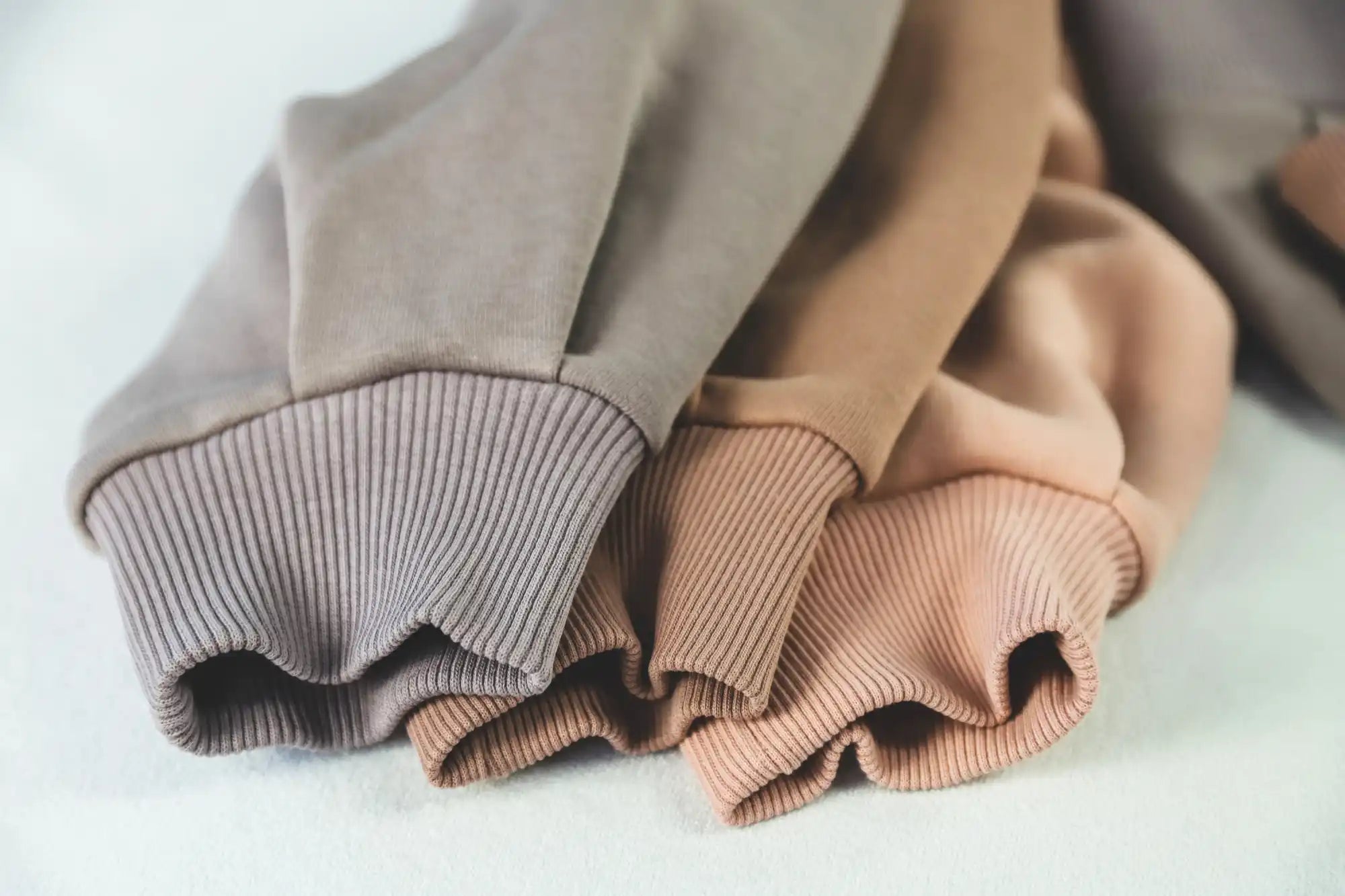
Materials & Fabrics for Clothing Production
Explore cotton, French terry, jersey, fleece, and sustainable blends used in premium apparel manufacturing.
Explore Premium Apparel Fabrics Guide
Printing Techniques for Apparel Production
Screen printing, embroidery, puff prints, and digital methods for custom clothing manufacturing.
Explore Custom Apparel Printing Techniques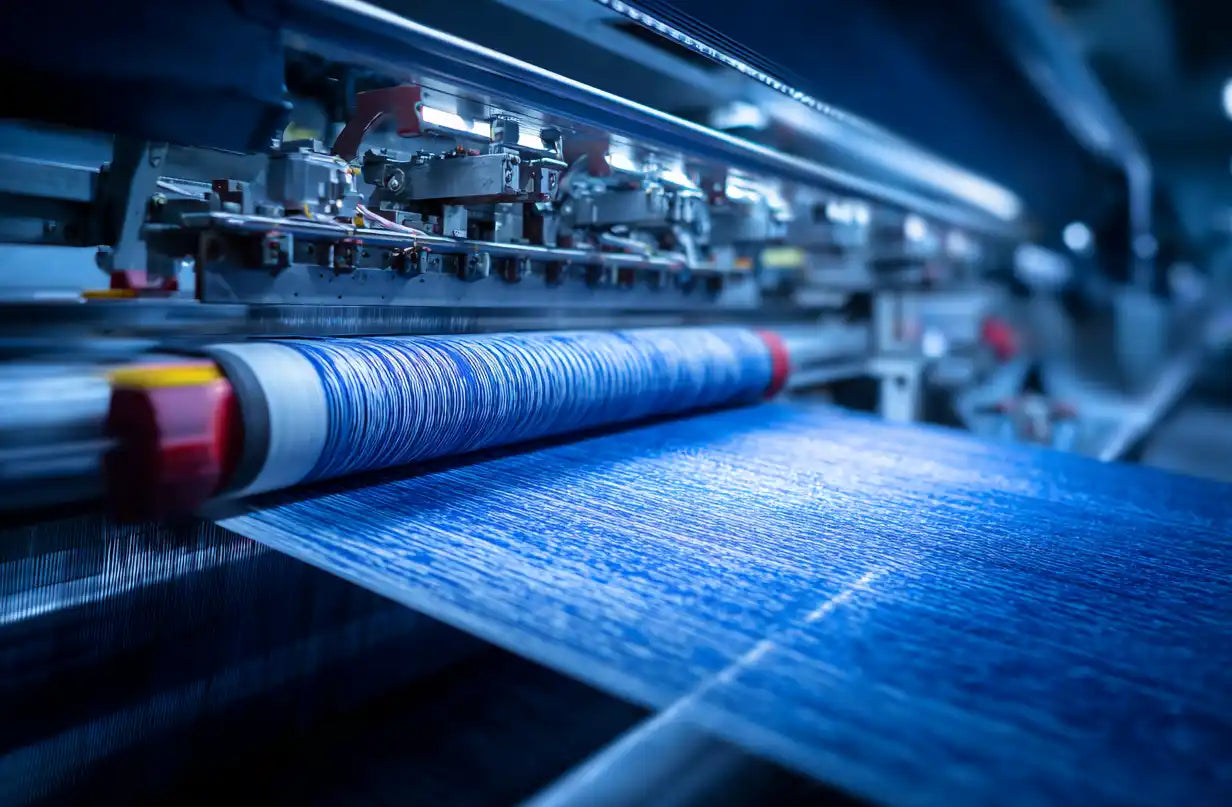
Dyeing Techniques in Clothing Manufacturing
Garment dye, pigment, acid wash, and stone wash finishes that create unique apparel designs.
Compare Apparel Finishing Techniques
Popular Clothing Items for Custom Apparel
Hoodies, joggers, t-shirts, leggings, and biker shorts — essentials for every apparel collection.
Explore Popular Custom Clothing Items
Trends & Designs in Modern Apparel
Oversized fits, streetwear influences, and activewear styles driving custom clothing production.
Explore Trends & Designs for Apparel Development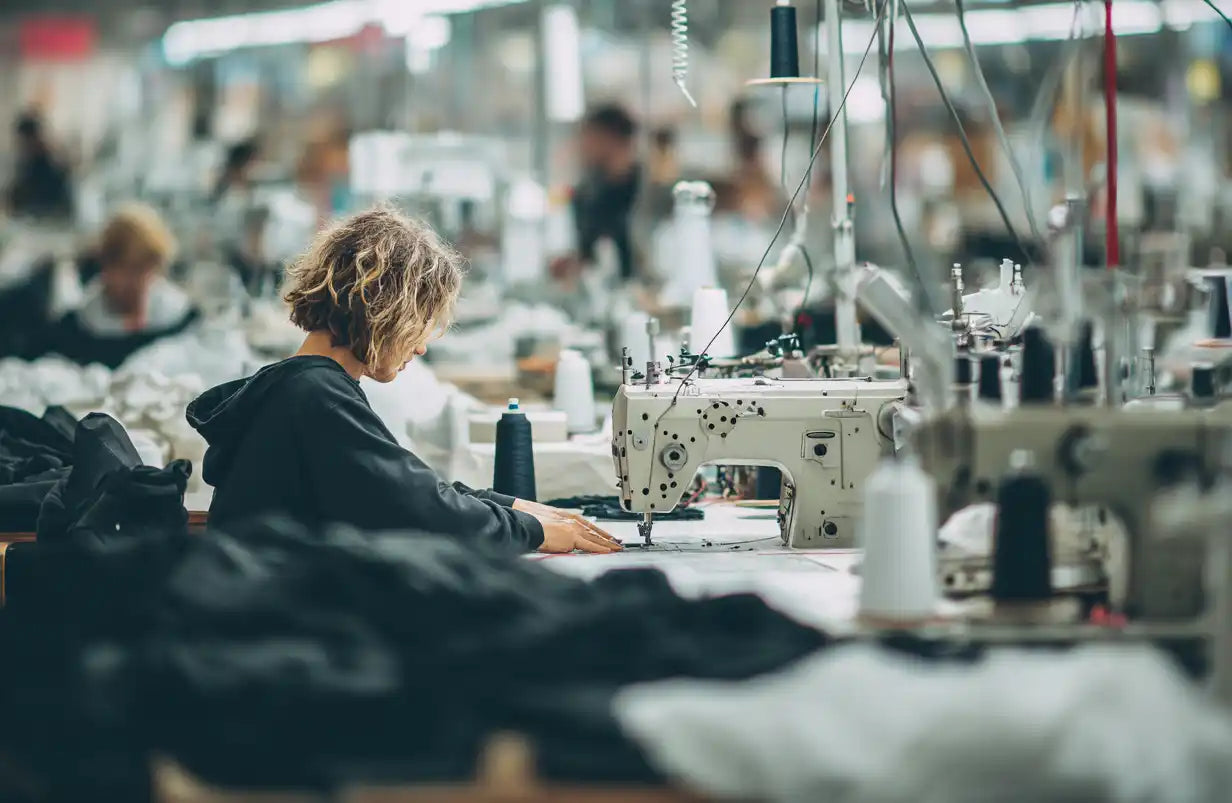
Sustainable & Ethical Clothing Production
OEKO-TEX® certified fabrics, organic cotton, and ethical apparel manufacturing in Portugal.
Understand Sustainable & Ethical Clothing Production
Essentials for Custom Clothing Production
Custom labels, packaging, and trims that elevate your apparel brand in production.
Explore Essentials for Custom Clothing Production
Resources for Custom Clothing Production
Startup guides, logistics support, and scaling strategies for apparel brands and wholesale clients.
Explore Resources for Custom Clothing Production
Clothing Manufacturing Glossary
Explore a complete glossary of clothing and garment manufacturing terms
The Complete Clothing Manufacturing Glossary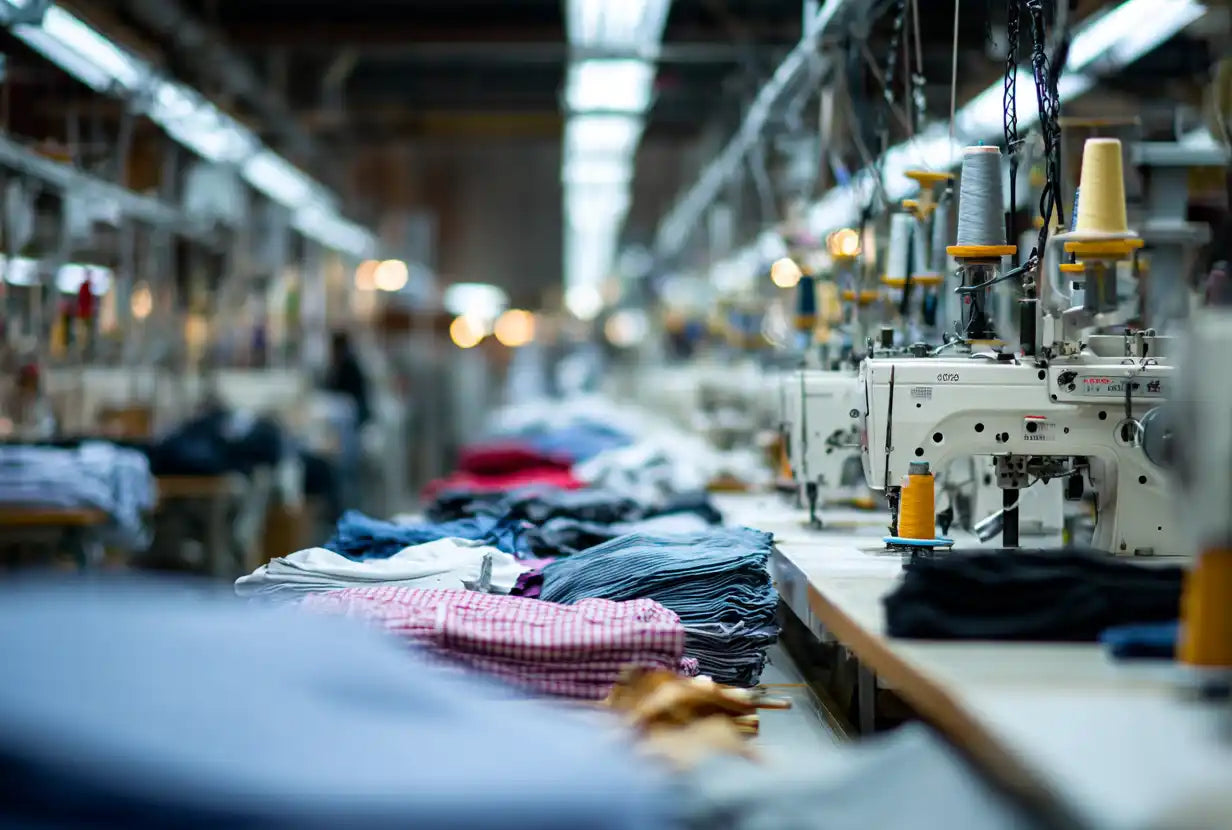
The Best Clothing Manufacturers
Explore global clothing manufacturers by country
Explore The Best Clothing Manufacturers
The Latest Clothing Industry Updates in 2025
Discover the latest news about important topics in the clothing industry in 2025,
Stay On Top Of Clothing Industry Updates
Worldwide Best Manufacturers of Clothes in 2026
Top clothing manufacturers worldwide organized by product type
Find The Worldwide Best Manufacturers of Clothes