
Industrial Embroidery for Custom Clothing Production
Embroidery remains one of the most durable and brand-defining printing techniques for custom clothing production. In 2025, apparel brands rely on embroidery to deliver long-term logo integrity, premium texture, and consistent performance across multiple garment categories.
This guide explains how industrial embroidery works, how it compares to other printing techniques, and when it is the most effective choice for custom made hoodies, custom t shirts, and custom embroidery on sweatshirts produced by established manufacturers such as AthleisureBasics.
What Is Embroidery in Custom Clothing Production?
Embroidery is the process of stitching designs directly onto garments using thread rather than applying ink or film. The design becomes physically integrated into the fabric structure, creating a raised and textured finish that withstands repeated washing and extended wear.
Because embroidery does not rely on surface adhesion, it is widely used for logos, uniforms, and branding elements that must remain legible over long product lifecycles.
- Textured, dimensional appearance
- High resistance to fading and cracking
- Professional finish for corporate and retail apparel
How Embroidery Works
The embroidery process begins with digitization, where artwork is converted into a stitch file that defines stitch direction, density, sequencing, and color changes. This file also specifies underlay stitches, which stabilize the fabric and reduce distortion during stitching.
Garments are hooped to maintain consistent tension, and industrial embroidery machines execute the stitch pattern using programmed needle paths. Pull compensation is applied during digitization to ensure the final design remains accurate once the fabric relaxes.
After stitching, excess backing is trimmed and each garment is inspected for stitch consistency, alignment, and thread tension.
Embroidery vs Screen Printing
| Factor | Embroidery | Screen Printing |
|---|---|---|
| Finish | Raised, textured | Flat ink layer |
| Durability | Very high | High (ink dependent) |
| Best Use | Logos and branding | Large graphic designs |
| Relative Cost Index | $$ | $ |
Embroidery is favored when brand longevity and premium perception matter, while screen printing is more efficient for high-volume graphic applications.
Best Garments for Embroidery
Whether you are looking to customize a hoodie or source long-lasting uniforms, embroidery performs best on stable fabrics that can support stitch tension without puckering.
- Custom made hoodies
- Sweatshirts and fleece garments
- Heavier-weight custom t shirts
- Workwear and corporate apparel
Lightweight or highly elastic fabrics may require stitch density adjustments to preserve garment structure.
Embroidery on Custom Made Hoodies
Hoodies are particularly well suited for embroidery due to their thickness and structural stability. Embroidered logos maintain sharp edges and resist wear even with frequent washing.
Brands often choose embroidery for hoodies used in uniforms, retail collections, and long-term promotional programs.
For a broader understanding of how embroidery fits into full production workflows, refer to the overview on printing techniques for custom clothing production.
Embroidery vs Heat Transfer
| Aspect | Embroidery | Heat Transfer |
|---|---|---|
| Longevity | Excellent | Moderate |
| Texture | Raised | Flat |
| Wash Resistance | Very high | Medium |
| Best Application | Permanent branding | Short-term promotions |
Thread Types Used in Embroidery
Thread selection directly affects durability, sheen, and color retention. Polyester thread is the most commonly used option in commercial embroidery due to its strength and resistance to fading.
- Polyester: durable, colorfast, and abrasion resistant
- Rayon: softer sheen for fashion-oriented designs
- Cotton: natural appearance with lower durability
Compliance and Quality Standards
Embroidery production must align with international textile safety and chemical regulations. Threads and backing materials are commonly certified under OEKO-TEX® Standard 100, confirming they are safe for direct skin contact.
Suppliers serving EU markets must also comply with REACH chemical regulations, particularly when sourcing dyes, threads, and embroidery components.
Common Mistakes to Avoid
Production Errors
- Using lightweight fabrics — Impact: puckering and distorted logos
- Poor digitization — Impact: uneven stitch density and thread breaks
Sourcing Missteps
- Unverified suppliers — Impact: compliance and quality risks
- Skipping sampling — Impact: costly revisions after production
Cost Efficiency Issues
- Oversized designs — Impact: inflated stitch counts and costs
- Incorrect technique selection — Impact: unnecessary spending
FAQs About Certification & Standards
Is embroidery safe for skin contact?
Yes. Commercial embroidery threads are commonly certified under OEKO-TEX® Standard 100, confirming they are free from harmful substances. Brands should request certification documentation from suppliers.
Does embroidery meet EU compliance requirements?
Embroidery is compliant when threads and backing materials meet REACH standards. Compliance depends on verified sourcing across the supply chain.
Is embroidery accepted for workwear programs?
Yes. Embroidery is widely used in workwear because it withstands industrial laundering and maintains logo clarity over time.
FAQs About Sourcing & Production
Is embroidery scalable for bulk orders?
Industrial embroidery machines are designed for repeatability and consistency. Once digitized, designs can be reproduced accurately across large production runs.
Does embroidery increase lead times?
Embroidery takes longer per unit than basic printing, but automated equipment minimizes delays. Planning and sampling help prevent bottlenecks.
Can embroidery be combined with other techniques?
Yes. Many brands combine embroidery for logos with printing methods for larger graphics to balance cost and aesthetics.
FAQs About Materials & Care
How should embroidered garments be washed?
Cold washing and gentle cycles are recommended to preserve thread tension and fabric structure. Harsh detergents should be avoided.
Does embroidery damage fabric?
When properly digitized and hooped, embroidery does not damage garments. Underlay stitching distributes tension evenly.
Will embroidery fade over time?
High-quality polyester threads maintain color even after repeated washing, making embroidery one of the most durable embellishment methods.
If your brand plans to develop new collections using durable embellishment techniques and scalable production methods, reach out to our team via the request form to discuss availability and production options.
Materials & Fabrics for Clothing Production
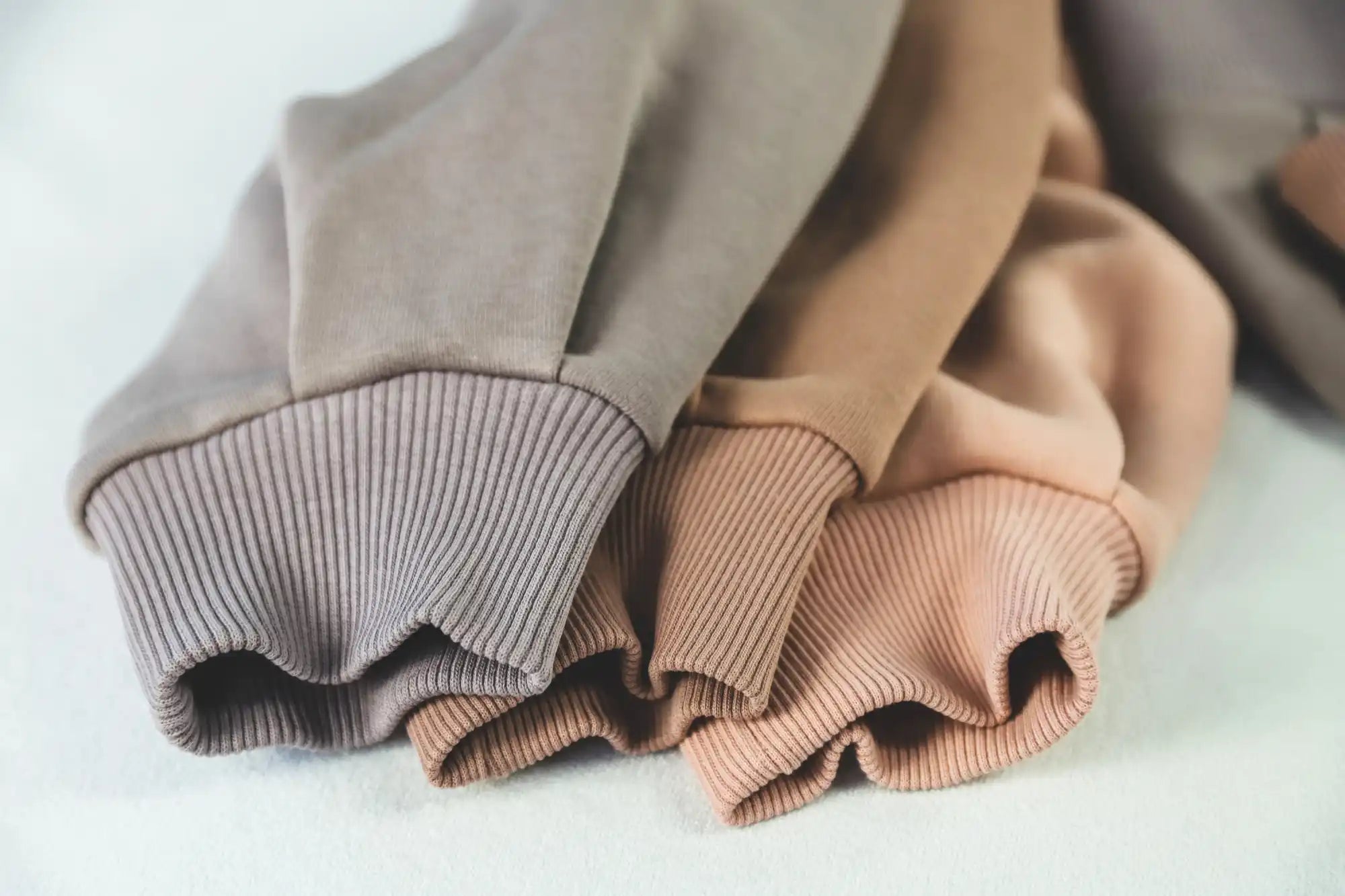
Explore cotton, French terry, jersey, fleece, and sustainable blends used in premium apparel manufacturing.
Explore Premium Apparel Fabrics Guide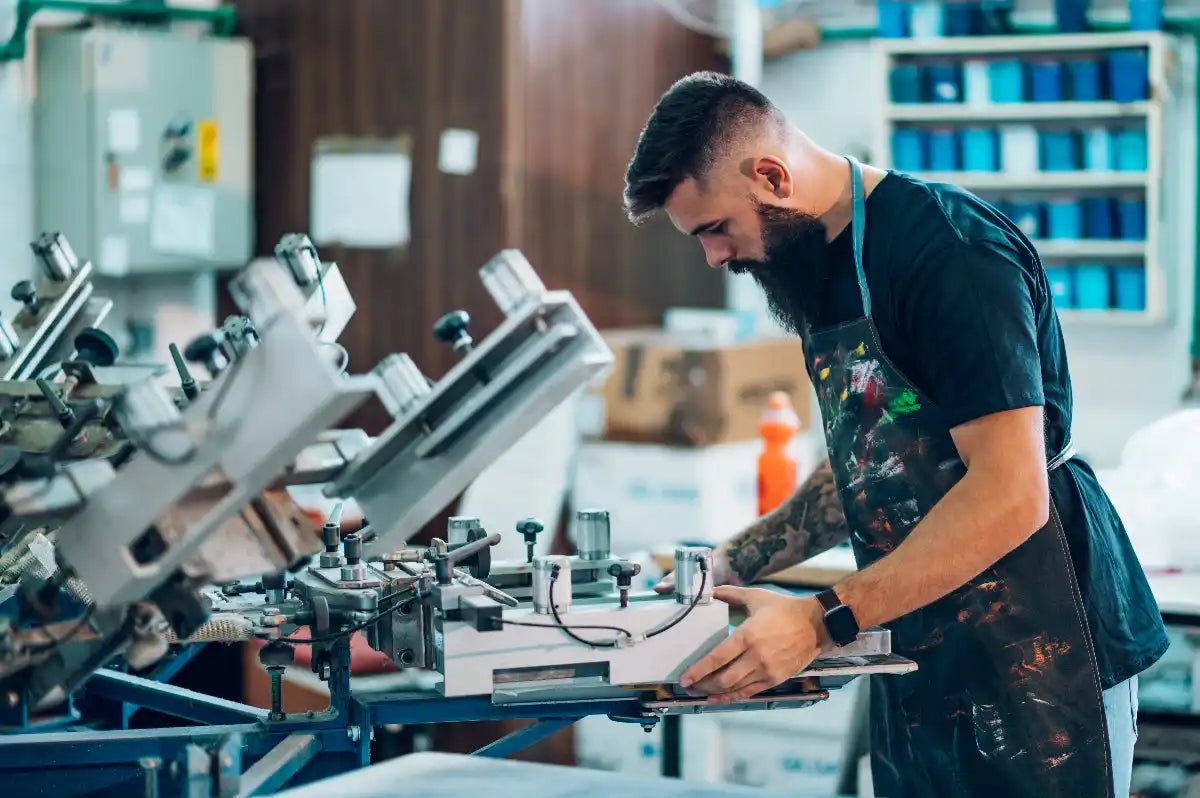
Printing Techniques for Apparel Production
Screen printing, embroidery, puff prints, and digital methods for custom clothing manufacturing.
Explore Custom Apparel Printing Techniques
Dyeing Techniques in Clothing Manufacturing
Garment dye, pigment, acid wash, and stone wash finishes that create unique apparel designs.
Compare Apparel Finishing Techniques
Popular Clothing Items for Custom Apparel
Hoodies, joggers, t-shirts, leggings, and biker shorts — essentials for every apparel collection.
Explore Popular Custom Clothing Items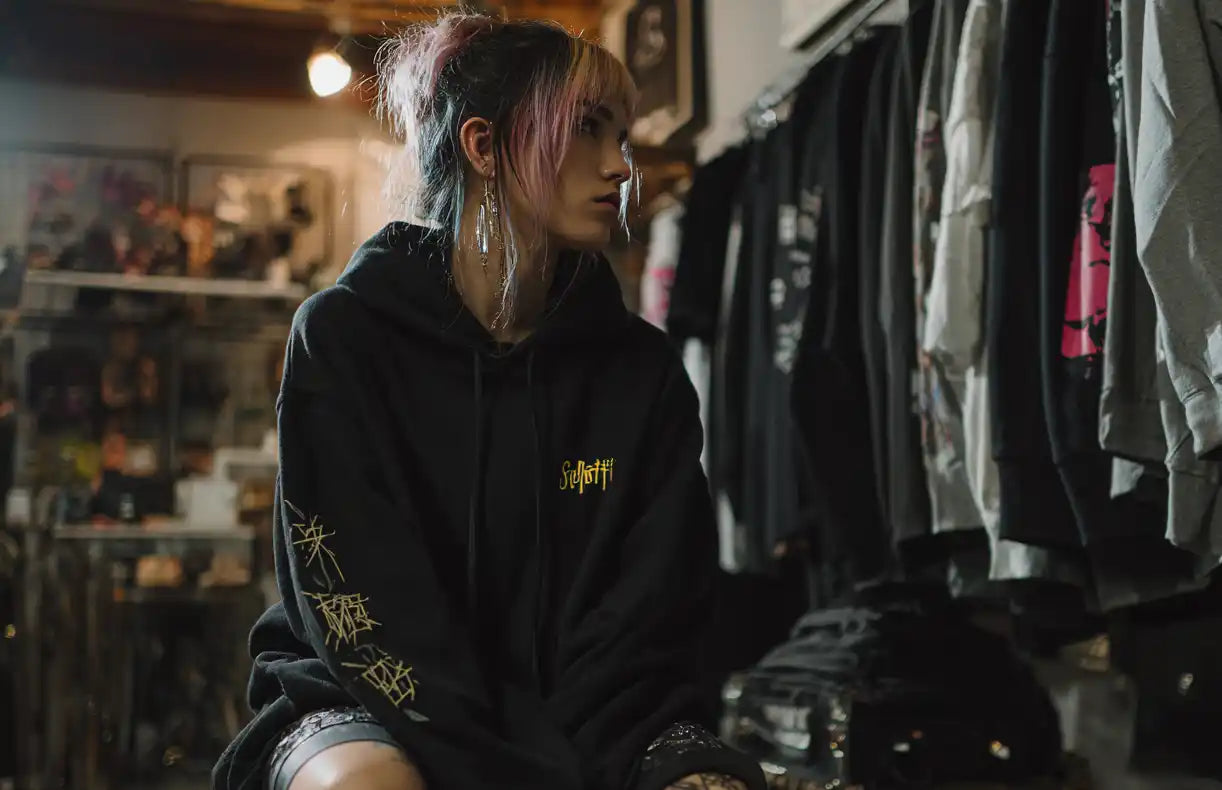
Trends & Designs in Modern Apparel
Oversized fits, streetwear influences, and activewear styles driving custom clothing production.
Explore Trends & Designs for Apparel Development
Sustainable & Ethical Clothing Production
OEKO-TEX® certified fabrics, organic cotton, and ethical apparel manufacturing in Portugal.
Understand Sustainable & Ethical Clothing Production
Essentials for Custom Clothing Production
Custom labels, packaging, and trims that elevate your apparel brand in production.
Explore Essentials for Custom Clothing Production
Resources for Custom Clothing Production
Startup guides, logistics support, and scaling strategies for apparel brands and wholesale clients.
Explore Resources for Custom Clothing Production
Clothing Manufacturing Glossary
Explore a complete glossary of clothing and garment manufacturing terms
The Complete Clothing Manufacturing Glossary
The Best Clothing Manufacturers
Explore global clothing manufacturers by country
Explore The Best Clothing Manufacturers
The Latest Clothing Industry Updates in 2025
Discover the latest news about important topics in the clothing industry in 2025,
Stay On Top Of Clothing Industry Updates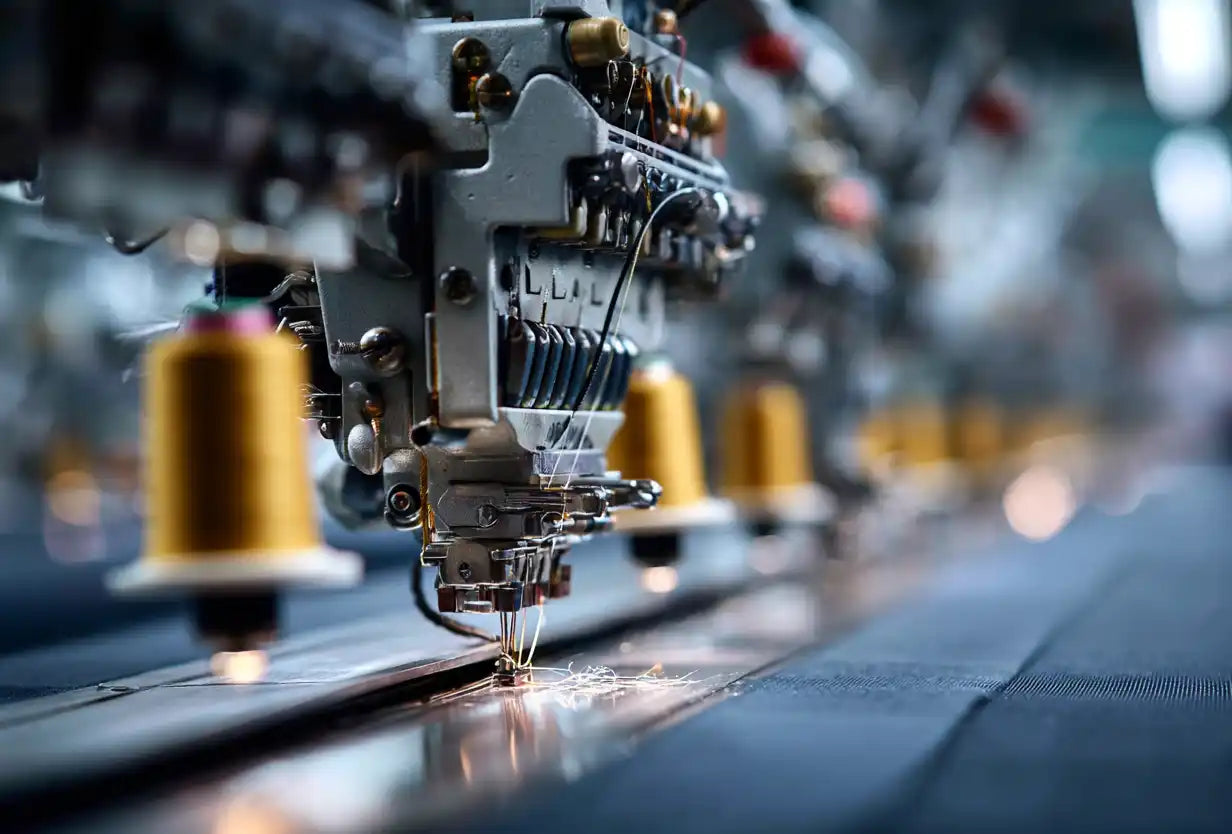
Worldwide Best Manufacturers of Clothes in 2026
Top clothing manufacturers worldwide organized by product type
Find The Worldwide Best Manufacturers of Clothes