
Jersey Knit Fabric: Soft, Stretchy & Drapey Comfort
Jersey knit is one of the most versatile fabrics in modern apparel. Soft, stretchy, and breathable, it’s the foundation of T-shirts, dresses, and athleisure essentials. This guide explores its composition, types, sustainability credentials, and best applications—helping you choose the right jersey for your next collection.
What Is Jersey Knit?
Jersey knit is a single-knit fabric known for its smooth face, soft handfeel, and gentle stretch. Originating from the Channel Island of Jersey, it’s now a global staple in everyday fashion. Unlike woven fabrics, jersey’s interlocking loops allow flexibility, breathability, and a fluid drape perfect for comfort-driven clothing.

Key Properties
- Smooth surface with a subtle texture on the reverse side
- Natural elasticity without needing elastane
- Lightweight, soft, and breathable
- Drapes beautifully and resists wrinkles
- Perfect for T-shirts, tops, and dresses
How Jersey Knit Is Made
Jersey fabric is created on circular knitting machines that produce a continuous tube of fabric. The result is a smooth, elastic textile that combines comfort with versatility.
- Fiber selection: Cotton, modal, viscose, or Tencel™ lyocell for comfort and performance.
- Single-knit construction: Loops are formed on one side only, giving a flat front and textured back.
- Finishing: Enzyme washing, brushing, or mercerizing enhances softness and sheen.
- Weight: Typically 120–220 GSM, depending on the intended garment type.
Types of Jersey Knit
Cotton Jersey
Made from 100% natural cotton, this fabric is soft, breathable, and ideal for everyday essentials like premium blank T-shirts. It’s durable, biodegradable, and widely used in sustainable fashion lines.
Stretch Jersey
Blended with elastane (spandex) to enhance stretch and recovery, this variation works well for fitted tops, dresses, and activewear.
Viscose or Rayon Jersey
Derived from regenerated cellulose fibers, viscose jersey is silky and fluid. It’s ideal for draped garments that require movement and softness.
Tencel™ or Modal Jersey
Produced from FSC-certified wood pulp under closed-loop systems. Exceptionally smooth, breathable, and eco-friendly, making it perfect for modern athleisure wear.
Wool Jersey
A lighter, softer knit variant of wool offering warmth and breathability. Common in premium layering pieces.
Jersey Knit vs. Interlock vs. Rib Knit
- Jersey Knit: Single-knit with a smooth front and textured back. Lightweight and fluid—best for tees and dresses.
- Interlock Knit: Double-knit, identical sides, thicker and stable—ideal for structured tops.
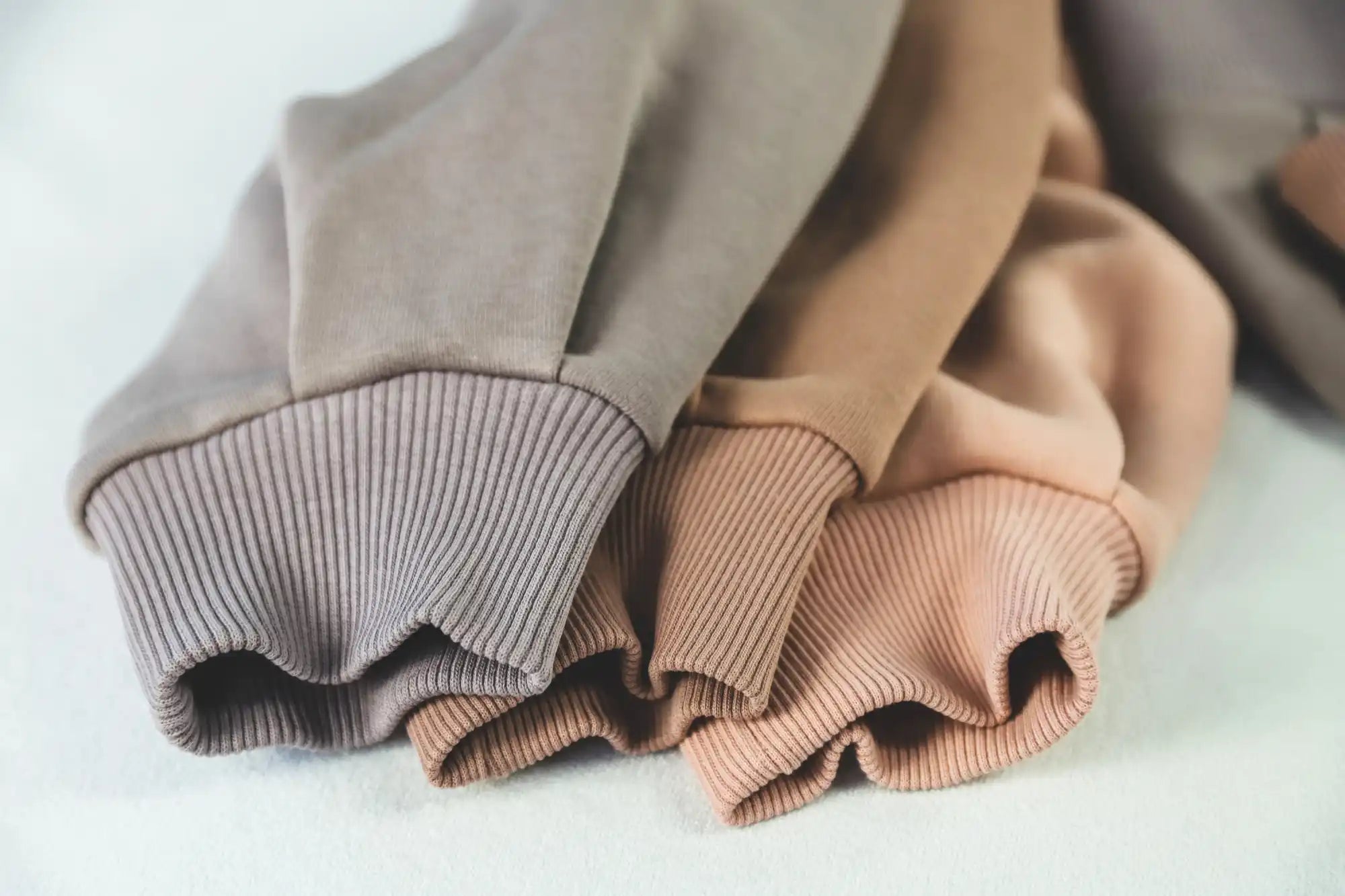
- Rib Knit: Vertical rib texture with superior stretch—used for cuffs, tanks, and trims.
Why Jersey Knit Is a Brand Favorite
Jersey is favored for its blend of comfort, sustainability, and versatility. According to Textile Exchange, the global athleisure market—largely powered by jersey-based apparel—is forecasted to grow by 8.6% annually through 2028.
1. Comfort & Flexibility
The fabric moves with the body, offering all-day comfort while retaining its shape. It’s suitable for minimalist fashion and functional activewear alike.
2. Sustainable Fiber Options
Jersey can be produced with certified natural and cellulosic fibers that align with global sustainability standards:
- GOTS (Global Organic Textile Standard)
- OEKO-TEX® Standard 100
- FSC® Certified Viscose
3. Easy Manufacturing
Portugal’s knitwear industry specializes in sustainable jersey finishing and low-MOQ production, allowing emerging brands to create quality collections responsibly.
Fiber Sources Under Natural & Cellulosic Fibers
- Organic Cotton: Renewable, breathable, and hypoallergenic.
- Bamboo Viscose: Derived from sustainable cellulose with a silky handfeel.
- Tencel™ Lyocell: Made from sustainably sourced wood pulp with closed-loop production.
- Modal: Similar to Tencel™ but optimized for extra softness and moisture control.
Care and Maintenance
To maintain softness and drape, wash jersey garments cold on gentle cycles and air dry. Avoid harsh detergents and excessive heat. Iron on low settings and fold items to prevent stretching. For more textile insights, explore Understanding Premium Blank Quality.
FAQs About Certification & Standards
Is organic jersey always GOTS certified? Not always. Both the fiber and processing must meet certification requirements.
What does OEKO-TEX® Standard 100 guarantee? It certifies fabrics are free from harmful substances and safe for skin contact.
What are cellulosic fibers? Fibers derived from plant cellulose, including cotton and Tencel™, offering comfort and breathability.
FAQs About Sourcing & Production
What GSM suits premium jersey T-shirts? 160–200 GSM provides the best balance of opacity and softness.
Can jersey fabric be garment-dyed? Yes, it dyes evenly and works beautifully with pigment and enzyme finishes.
What’s the MOQ for Portugal production? As low as 50–100 pieces per style, ideal for small collections.
FAQs About Materials & Care
Does jersey shrink? Minimal shrinkage (2–5%) may occur; prewashing reduces it.
Is pilling common? High-quality combed cotton or Tencel™ blends resist pilling better than lower-twist yarns.
How can I extend jersey’s life? Cold wash, gentle cycle, air dry, and fold garments to maintain structure.
Conclusion
Jersey knit represents the perfect balance of softness, stretch, and sustainability. Whether it’s organic cotton or Tencel™, this single-knit fabric supports modern brands focused on quality and environmental responsibility.
If your brand plans to develop new collections using certified fabrics, contact our team via the request form to discuss jersey availability, customization, and production options.
Materials & Fabrics for Clothing Production
Explore cotton, French terry, jersey, fleece, and sustainable blends used in premium apparel manufacturing.
Explore Premium Apparel Fabrics Guide
Printing Techniques for Apparel Production
Screen printing, embroidery, puff prints, and digital methods for custom clothing manufacturing.
Explore Custom Apparel Printing Techniques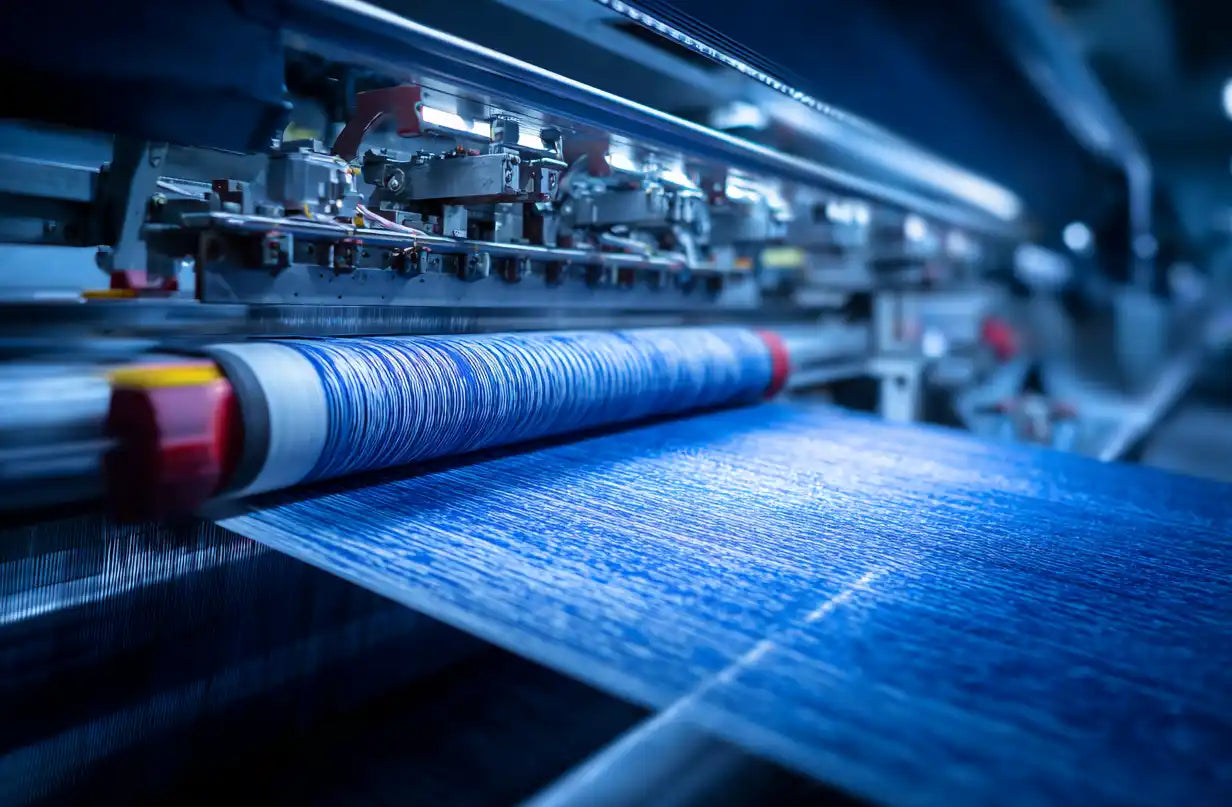
Dyeing Techniques in Clothing Manufacturing
Garment dye, pigment, acid wash, and stone wash finishes that create unique apparel designs.
Compare Apparel Finishing Techniques
Popular Clothing Items for Custom Apparel
Hoodies, joggers, t-shirts, leggings, and biker shorts — essentials for every apparel collection.
Explore Popular Custom Clothing Items
Trends & Designs in Modern Apparel
Oversized fits, streetwear influences, and activewear styles driving custom clothing production.
Explore Trends & Designs for Apparel Development
Sustainable & Ethical Clothing Production
OEKO-TEX® certified fabrics, organic cotton, and ethical apparel manufacturing in Portugal.
Understand Sustainable & Ethical Clothing Production
Essentials for Custom Clothing Production
Custom labels, packaging, and trims that elevate your apparel brand in production.
Explore Essentials for Custom Clothing Production
Resources for Custom Clothing Production
Startup guides, logistics support, and scaling strategies for apparel brands and wholesale clients.
Explore Resources for Custom Clothing Production
Clothing Manufacturing Glossary
Explore a complete glossary of clothing and garment manufacturing terms
The Complete Clothing Manufacturing Glossary
The Best Clothing Manufacturers
Explore global clothing manufacturers by country
Explore The Best Clothing Manufacturers
The Latest Clothing Industry Updates in 2025
Discover the latest news about important topics in the clothing industry in 2025,
Stay On Top Of Clothing Industry Updates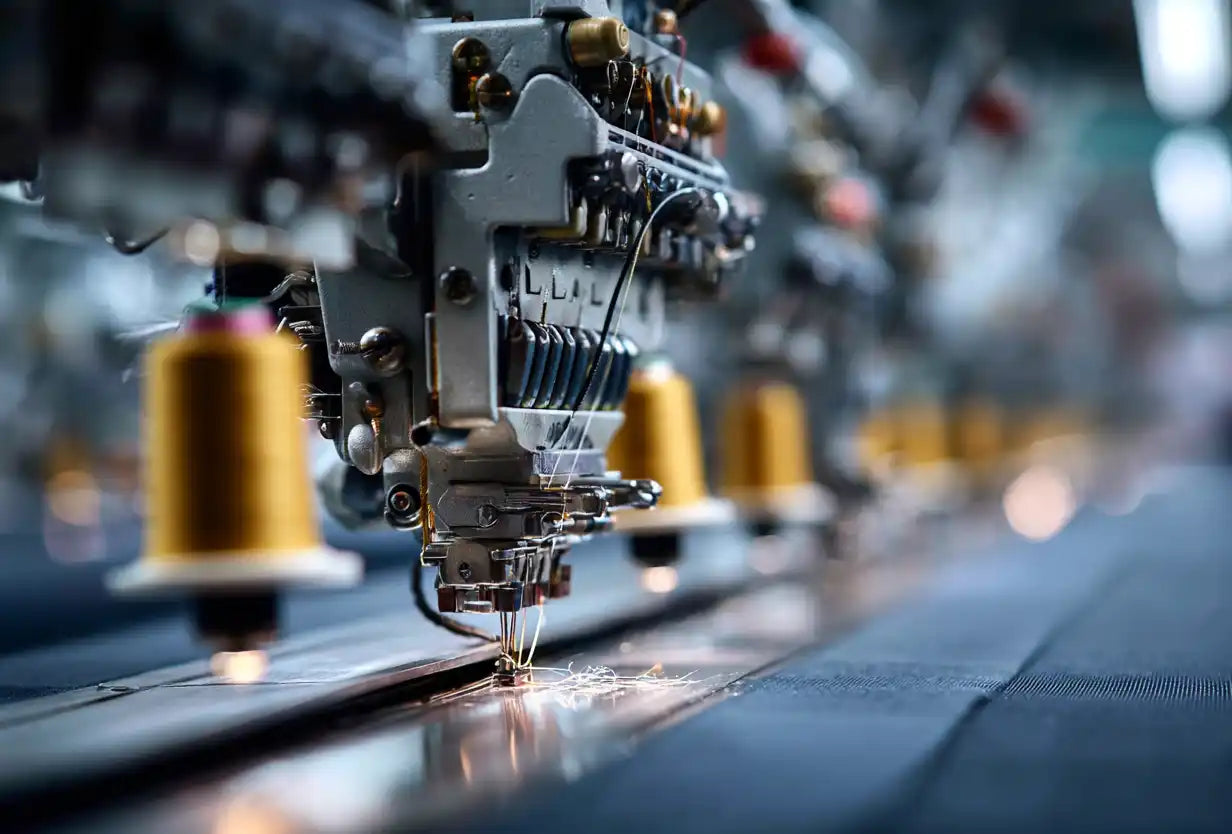
Worldwide Best Manufacturers of Clothes in 2026
Top clothing manufacturers worldwide organized by product type
Find The Worldwide Best Manufacturers of Clothes