As apparel branding continues to mature in 2025, brands are increasingly shifting away from loud, disposable decoration methods toward subtle, permanent, and material-driven finishes. Among modern embellishment techniques, laser etching has emerged as one of the most refined options for premium apparel production.
Rather than applying ink, vinyl, or thread, laser etching permanently alters the surface of the fabric itself. This makes it particularly attractive for brands producing custom made hoodies, elevated custom t-shirts, and refined sweatshirts that prioritize durability, comfort, and understated branding.
What Is Laser Etching in Apparel Production?
Laser etching is a textile embellishment process that uses focused laser energy to remove or modify surface fibers on a garment. The laser selectively vaporizes microscopic fibers, creating contrast through texture and tonal variation rather than added materials.
Because the design becomes part of the fabric, laser-etched graphics do not crack, peel, or fade. This permanence makes the method particularly suitable for garments that are washed frequently or worn daily, such as hoodies and sweatshirts.
Brands evaluating multiple decoration methods often review laser etching alongside other techniques covered in printing techniques for custom clothing production.
Why Laser Etching Is Classified as a Specialty Embellishment
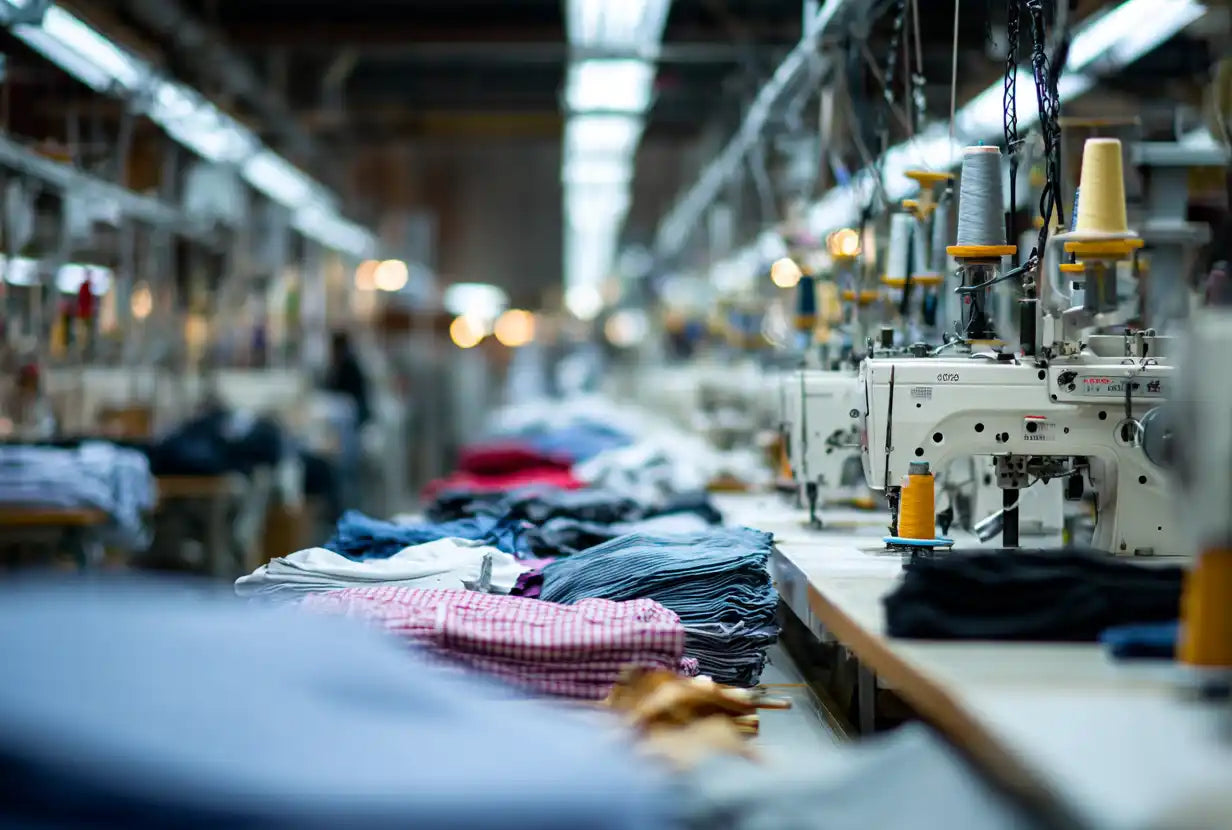
Laser etching is considered a specialty embellishment because it requires advanced equipment, controlled production environments, and fabric-specific calibration. Unlike high-volume printing, it is typically selected for design intent rather than cost efficiency.
- No inks, solvents, or adhesives
- Extremely fine detail resolution
- Permanent, wash-resistant results
- Consistent output across production runs
These characteristics make laser etching particularly attractive for brands positioning themselves in the premium, minimalist, or sustainability-focused segments.
Laser Etching for Custom Made Hoodies
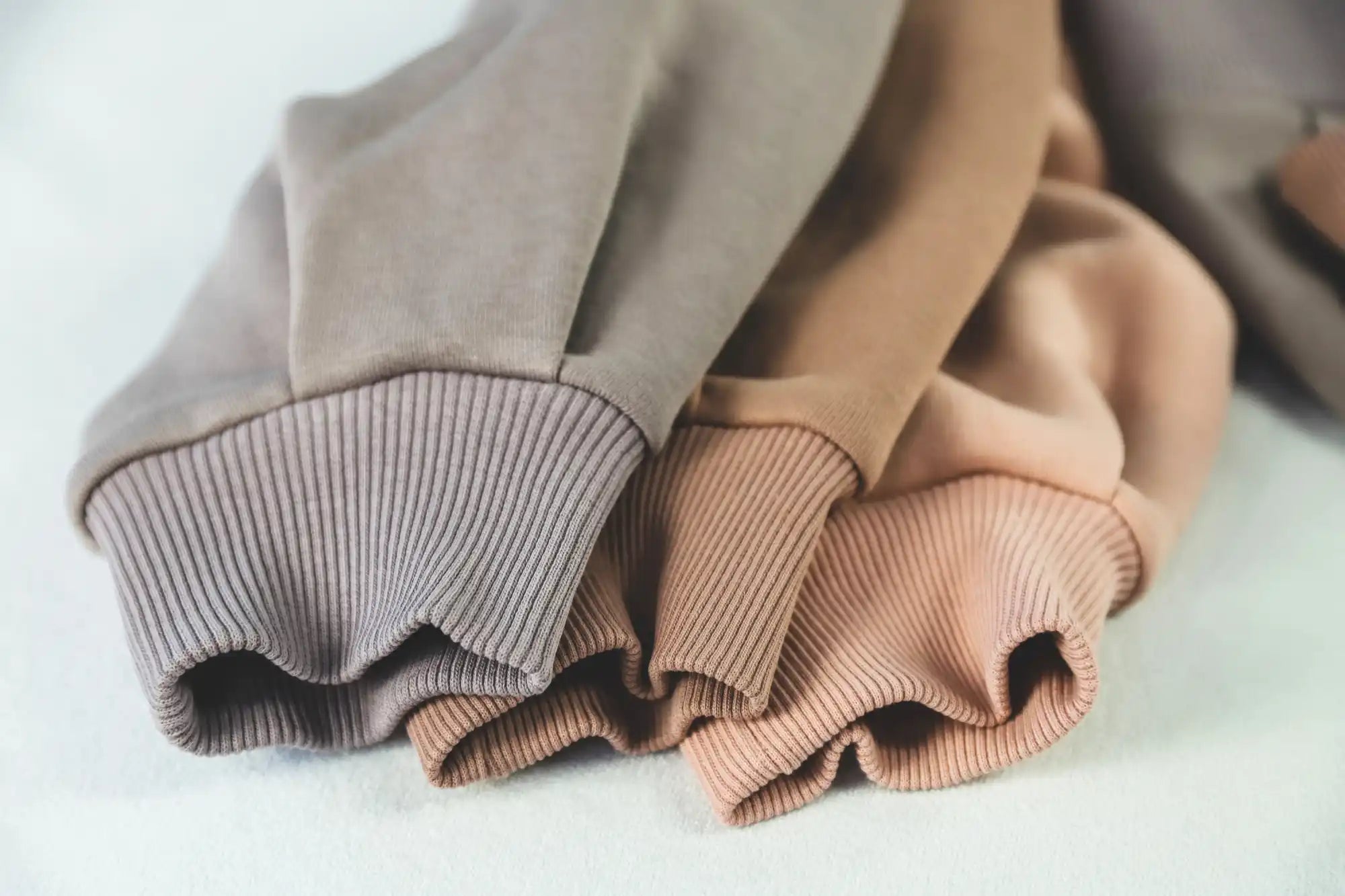
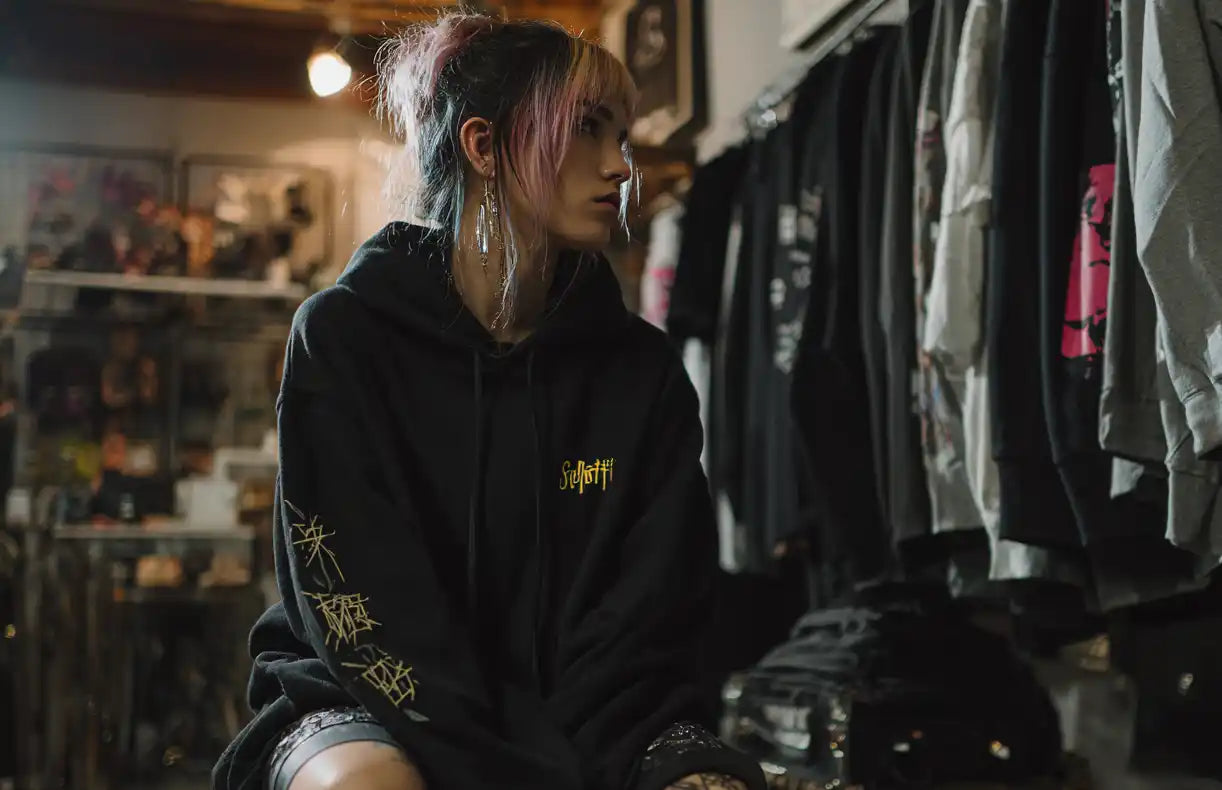
Custom made hoodies are one of the most effective garments for laser etching due to their fabric weight and surface density. Materials such as heavyweight cotton fleece and French terry respond especially well, producing clear contrast without compromising comfort.
Common applications include chest logos, oversized back graphics, sleeve branding, or tonal patterns integrated into the fabric. Because laser etching remains flat, it preserves the hoodie’s drape and avoids stiffness or added weight.
Many brands pair laser etching with high-quality blanks sourced from blank athleisure wear collections designed for customization.
How the Laser Etching Process Works
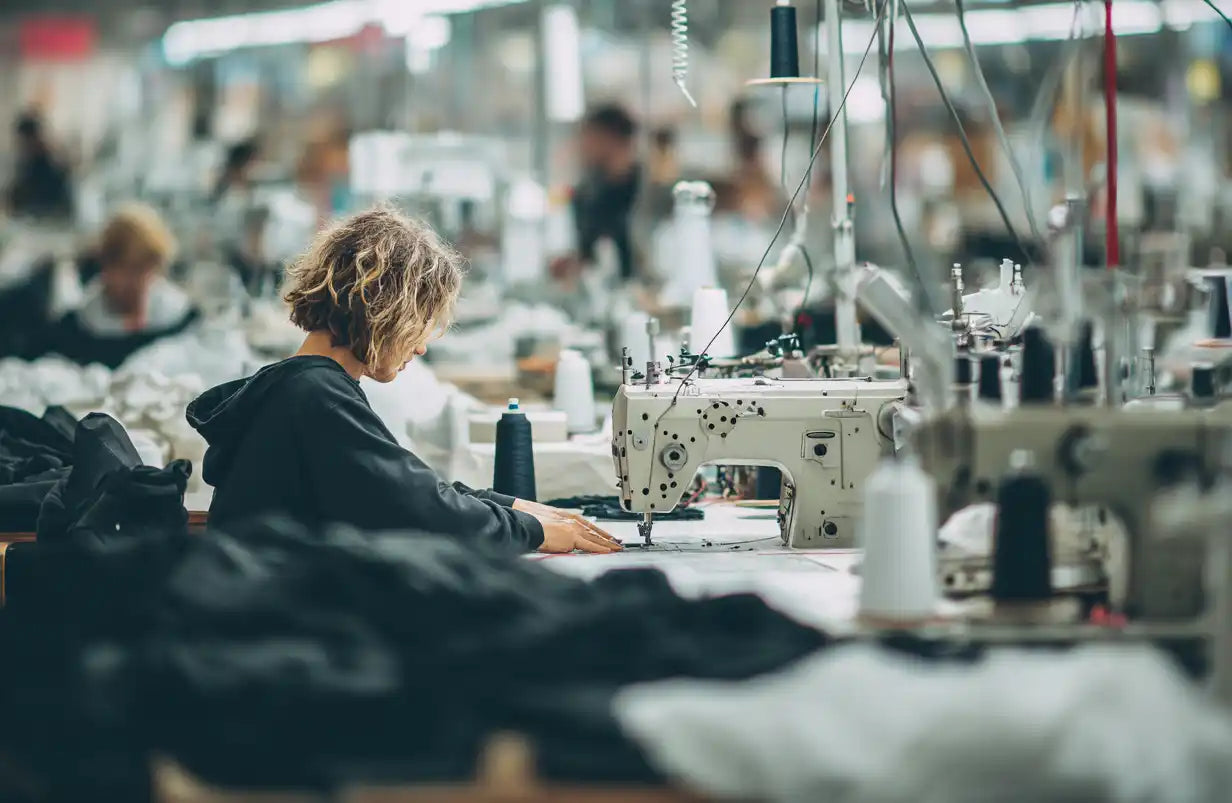
Laser etching typically occurs after cutting or garment assembly, depending on placement requirements. A digital design file is uploaded to the laser system, where depth, speed, and power settings are calibrated to match the fabric composition.
As the laser passes over the garment surface, it precisely removes surface fibers to reveal tonal contrast. Because the process is digitally controlled, results are highly repeatable across both low-MOQ and scaled production runs.
Customize a Hoodie Without Ink or Added Bulk
When brands want to customize a hoodie while maintaining softness and wearability, laser etching offers a clear technical advantage. Unlike embroidery, it adds no thread weight, and unlike printing, it introduces no surface layer.
This makes it particularly suitable for oversized silhouettes, relaxed fits, and garments designed for extended daily wear.
Laser Etching vs. Screen Printing
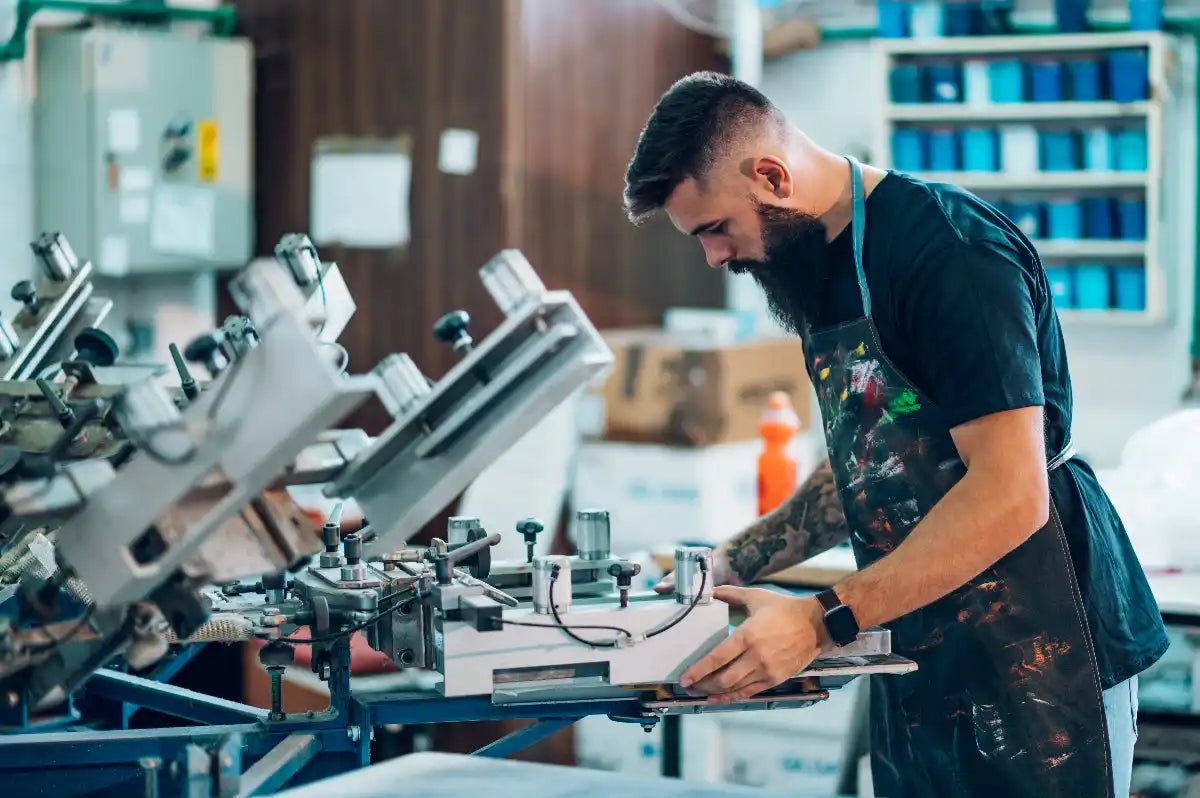
Screen printing remains widely used for bold, high-contrast graphics. However, laser etching differs fundamentally by embedding the design into the fabric rather than applying ink on top.
- Screen Printing: Ink-based, surface-level, color-driven
- Laser Etching: Ink-free, tonal, texture-driven
Many premium brands now use both techniques strategically, applying screen printing for statement pieces and laser etching for understated branding.
Laser Etching on Custom T-Shirts
Although less common than hoodies, laser etching can be applied to custom t-shirts made from high-quality cotton or cotton-blend fabrics. Fabric density and laser calibration are critical to avoid over-etching.
Laser-etched t-shirts are typically used for limited releases, capsule collections, or premium lifestyle lines where subtlety is valued over high-contrast graphics.
Production teams often reference t-shirt manufacturing standards before selecting laser etching for lighter garments.
Sustainability Advantages of Laser Etching
Laser etching aligns strongly with sustainability goals in modern apparel production. Because it requires no water, inks, or chemical dyes, its environmental footprint is significantly lower than most decoration methods.
- No wastewater generation
- No chemical residue
- Reduced material consumption
- Longer garment lifespan
These benefits align with the principles outlined in sustainability and ethics in custom clothing production.
Common Mistakes to Avoid
- Using lightweight fabrics not suited for laser exposure
- Over-etching, which can weaken fabric structure
- Ignoring distortion on stretch garments
- Assuming laser etching works on all fiber blends
Proper testing and collaboration with experienced manufacturers are essential to avoid these production issues.
Frequently Asked Questions
Is laser etching permanent?
Yes. Laser etching permanently alters the fabric surface and will not peel, crack, or fade when properly calibrated.
Can laser etching be combined with embroidery?
Yes. Many brands combine laser etching with custom embroidery on sweatshirts to create layered, premium designs.
Is laser etching scalable for production?
Once calibrated, laser etching is highly repeatable and suitable for both low-MOQ and large-scale production runs.
Conclusion
Laser etching has established itself as a defining specialty embellishment for modern apparel brands. Its permanence, sustainability benefits, and refined aesthetic make it ideal for custom made hoodies, premium custom t-shirts, and elevated sweatshirts.
If your brand plans to develop new collections using certified fabrics and scalable production methods, reach out to our team via the request form to discuss availability and production options.