
Linen Fabric for Clothing Production: The Complete 2025 Guide
What Is Linen?
Linen is a natural bast fiber extracted from the inner stalk of the flax plant (Linum usitatissimum). Unlike cotton, which grows from seed fibers, linen is derived from long, smooth fibers within the stem. These bast fibers provide:
- A hollow fiber structure for ventilation
- A naturally crisp, textured surface
- Superior tensile strength
- Fast moisture absorption
- A low-environmental-impact profile
Because of these characteristics, linen has long been associated with luxury warm-weather apparel, artisanal textiles, and performance-driven natural material applications.
Why Linen Is Ideal for Clothing Production
Superior Breathability
Linen’s hollow fibers and open weave allow heat to escape efficiently. This makes linen significantly cooler than cotton, viscose, or polyester, especially in humid climates.
Moisture-Wicking & Quick Drying
Linen absorbs up to 20% of its weight in moisture before feeling damp. It dries faster than most natural fibers, reducing clinginess and discomfort.
Durability & Longevity
Linen is 30–50% stronger than cotton and gains strength when wet. This durability supports long life cycles and maintains quality through repeated wear and washing.
Hypoallergenic Nature
Linen naturally resists bacteria and allergens, making it ideal for sensitive skin and next-to-skin garments.
Elevated Aesthetic
The clean texture, subtle variations, and natural wrinkles give linen a refined, premium look embraced by modern and minimalist fashion brands.
How Linen Is Made: From Flax Plant to Finished Fabric
1. Cultivation
Flax thrives in cool, moist regions. The world’s best-quality flax is grown in:
- France
- Belgium
- The Netherlands
- Lithuania
- Northern Portugal
China also produces large volumes, though quality varies depending on region and processing method.
2. Harvesting
Flax is pulled (not cut) to preserve fiber length, improving yarn quality and producing smoother fabrics.
3. Retting
Retting breaks down the plant’s outer layers to release the fibers. Common methods include:
- Dew retting – natural and low-impact
- Water retting – controlled and efficient
- Enzymatic retting – used for premium-quality output
4. Scutching & Hackling
These mechanical processes remove woody matter and comb fibers into aligned bundles for spinning.
5. Spinning
Linen fibers are spun into long-staple yarns. Fine yarns create softer fabrics ideal for apparel.
6. Weaving or Knitting
Woven linen is most common due to the fiber’s limited elasticity. Knit linen exists but is used more selectively.
7. Dyeing & Finishing
Finishes may include softening, enzyme washing, reactive dyeing, or garment dyeing to enhance drape, softness, or shrinkage control.
Types of Linen Fabrics for Clothing Production
100% Linen
Maximum breathability, crispness, and natural texture. Ideal for summer shirts, dresses, resortwear, and lightweight trousers.
Linen-Cotton Blends
Balanced softness and structure. Benefits include lower price, reduced wrinkling, softer handfeel, and better drape.
Linen-Viscose or Linen-Tencel Blends
Preferred in womenswear for their flow and smooth texture. These blends offer enhanced drape, better wrinkle recovery, and a softer feel.
Heavy Linen (200–300 gsm)
Used for structured garments like blazers, overshirts, and tailored trousers.
Lightweight Linen (120–160 gsm)
Ideal for warm-weather staples such as shirts, skirts, dresses, and co-ord sets.
Sustainability Profile of Linen in 2025
Linen is one of the most eco-efficient fibers available.
Low Water Use
Flax typically requires rainfall rather than irrigation and uses significantly less water than cotton.
Fewer Chemicals Needed
Flax is naturally pest-resistant and requires fewer pesticides and fertilizers compared to major crops.
Biodegradable & Circular
Pure linen is fully biodegradable and compostable, leaving no persistent residue in soil or water systems.
Efficient Land Use
Flax offers a high fiber yield per hectare and contributes minimal waste since most parts of the plant can be used.
Key Certifications for Linen Fabrics
-
OEKO-TEX® STANDARD 100 – Confirms freedom from harmful substances
- GOTS (Global Organic Textile Standard) – Organic processing and labor conditions
- OCS (Organic Content Standard) – Verifies organic inputs
- RCS / GRS – For recycled linen blends
Linen vs. Other Apparel Fabrics
| Attribute | Linen | Cotton | Tencel | Polyester |
|---|---|---|---|---|
| Breathability | Excellent | Good | Very good | Low |
| Cooling Effect | Strong | Moderate | Moderate | Low |
| Moisture-Wicking | Excellent | Moderate | Excellent | Poor |
| Strength | High | Medium | Medium | Very high |
| Sustainability | High | Moderate | High | Low |
| Wrinkle Recovery | Low | Medium | High | Very high |
| Cost | Higher | Medium | High | Low |
Best Uses of Linen in Modern Fashion
Shirts & Button-Downs: Linen button-downs remain staples in summer and resort collections due to their ventilation and polished look.
Dresses & Skirts: Linen holds structure well while maintaining natural movement.
Trousers & Shorts: Lightweight and midweight linens create breathable, comfortable bottoms for warm weather.
Co-ords & Resort Sets: Matching sets made from linen dominate warm-season retail categories.
Lightweight Jackets & Overshirts: Heavy linen blends offer structure while keeping garments breathable.
Challenges of Working With Linen and Common Solutions
Wrinkling
Linen wrinkles naturally due to low elasticity. Brands typically address this through blends (cotton, viscose, or Tencel), softening or enzyme finishes, garment dyeing, and relaxed silhouette design choices.
Higher Cost
Premium flax, European processing, and long-staple fibers contribute to higher costs. Seasonal capsules and blended fabrics help balance this.
Texture Variation
Initial crispness softens with wear and washing—many consumers prefer the lived-in texture.
FAQs About Certification & Standards
What certifications matter when sourcing linen?
Certifications such as OEKO-TEX® STANDARD 100, GOTS, OCS, and EUROPEAN FLAX® provide assurance that the fabric is safely processed and responsibly sourced. These standards support consumer confidence and supply-chain transparency.
Is organic linen common in the market?
Organic linen exists but is less widely available due to the complexity of organic flax farming. When offered, it is typically certified under GOTS or OCS and priced at a premium.
What does the Masters of Linen® certification mean?
Masters of Linen® guarantees that the entire production chain—cultivation, spinning, and weaving—takes place in Europe. This certification is associated with high traceability and quality standards.
FAQs About Sourcing & Production
Which countries produce the best linen fibers?
France, Belgium, and the Netherlands lead in quality due to their ideal climates and long-established cultivation methods. These regions produce long, fine fibers with consistent performance.
Does linen shrink after washing?
Linen can shrink 3–5% depending on weave and finish. Fabric mills often pre-wash or pre-shrink linen, but pattern allowances are still recommended.
Are linen blends suitable for premium apparel?
Yes. Blends like linen-cotton or linen-Tencel can enhance softness, reduce wrinkling, and provide a more accessible price point without sacrificing performance.
FAQs About Materials & Care
How should linen garments be washed?
Consumers should wash linen on a gentle cycle in cold water and air-dry or tumble dry on low. This preserves the fiber structure and prolongs garment life.
Does linen get softer over time?
Yes. Linen becomes naturally softer with each wash due to the gradual relaxation of the fibers, making it more comfortable over time.
Can linen be ironed or steamed?
Steaming is ideal for removing deep creases. Ironing on medium heat is also effective, though many customers prefer the natural wrinkles that give linen its character.
If your brand is planning to develop a new collection using certified linen fabrics, our team can support you with material options, blends, and production pathways. You may reach out through the request form to explore availability and manufacturing timelines.
Published by AthleisureBasics — updated 2025. For material samples and production inquiries, use the request form.
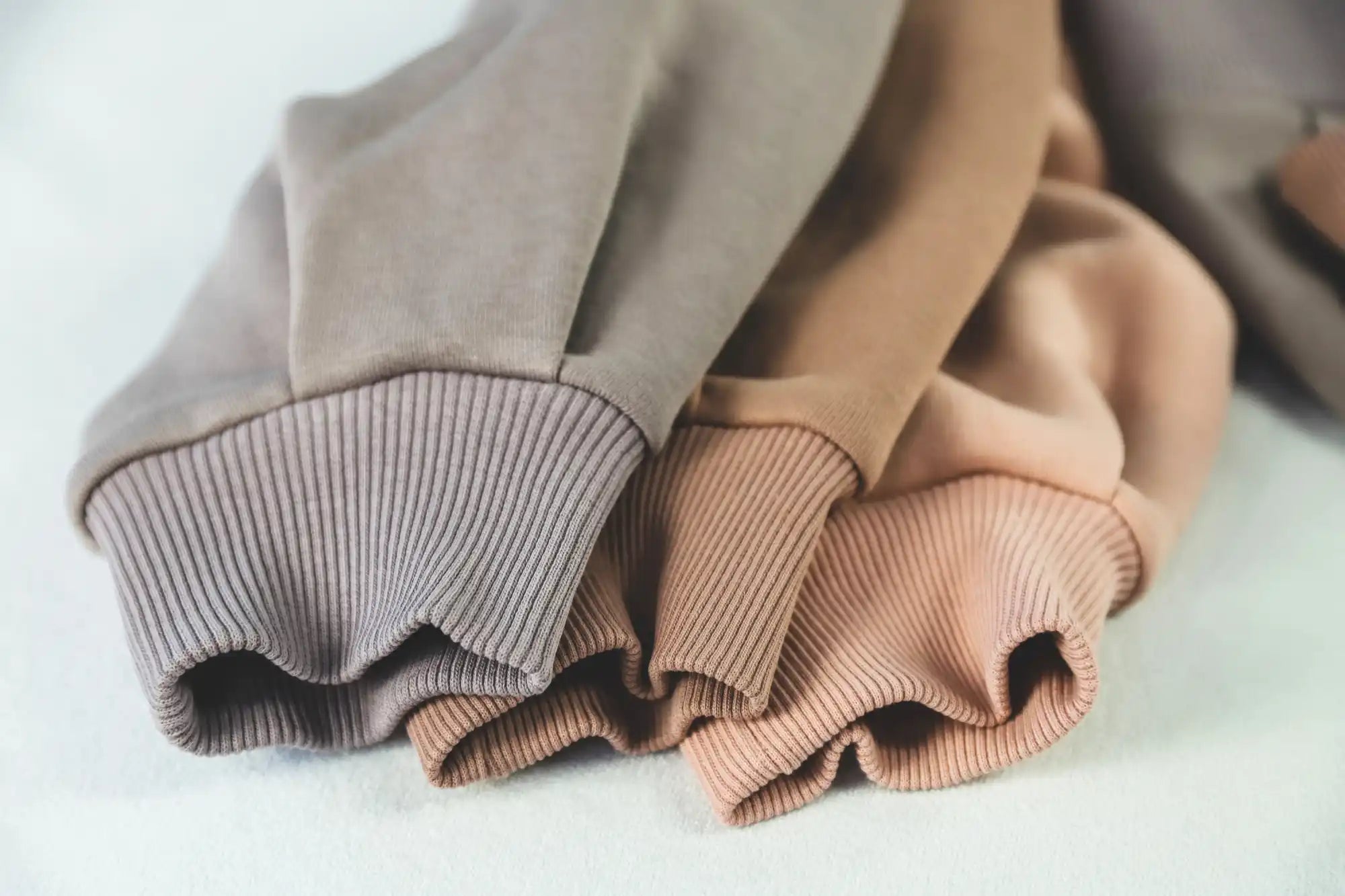
Materials & Fabrics for Clothing Production
Explore cotton, French terry, jersey, fleece, and sustainable blends used in premium apparel manufacturing.
Explore Premium Apparel Fabrics Guide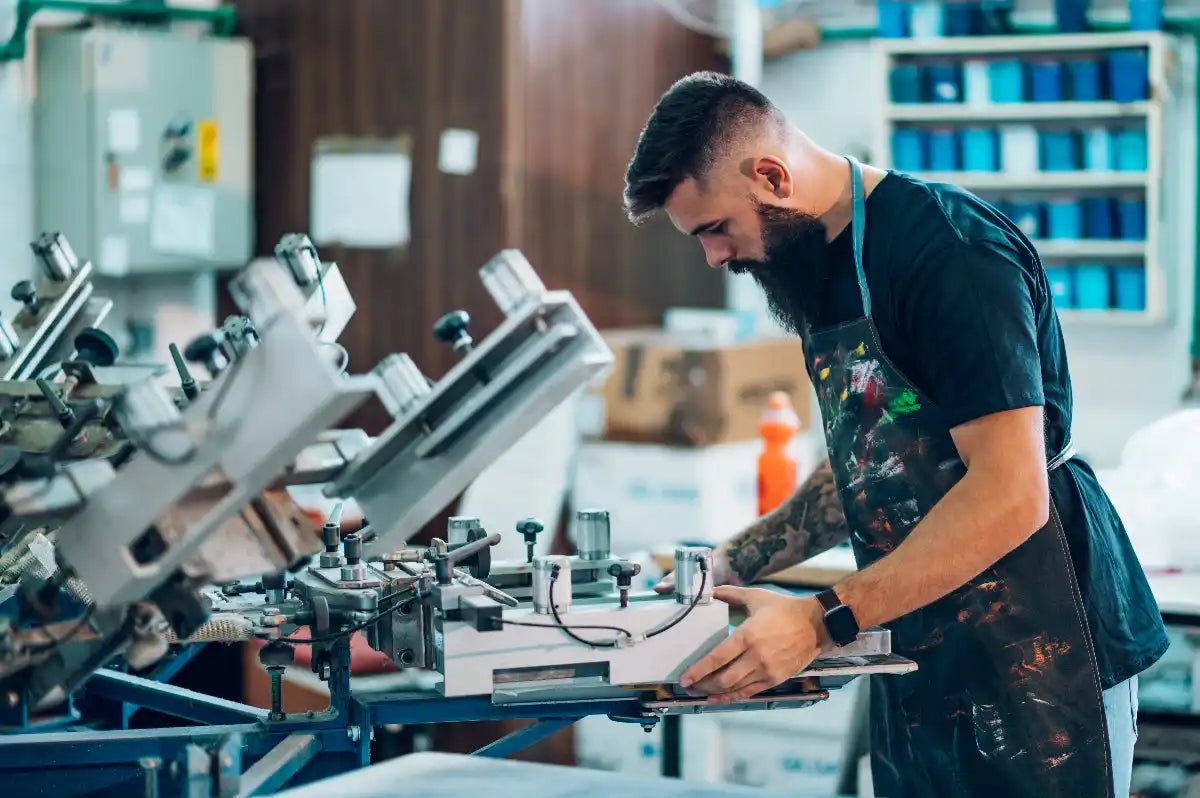
Printing Techniques for Apparel Production
Screen printing, embroidery, puff prints, and digital methods for custom clothing manufacturing.
Explore Custom Apparel Printing Techniques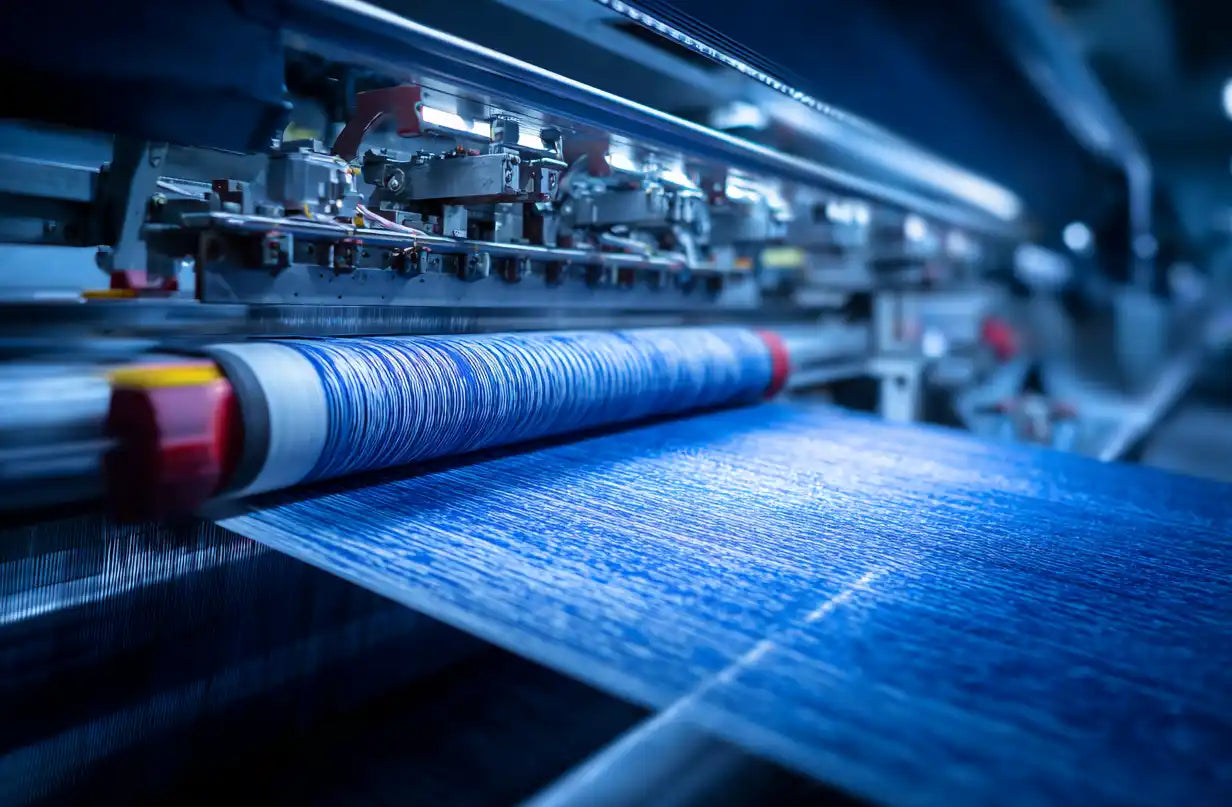
Dyeing Techniques in Clothing Manufacturing
Garment dye, pigment, acid wash, and stone wash finishes that create unique apparel designs.
Compare Apparel Finishing Techniques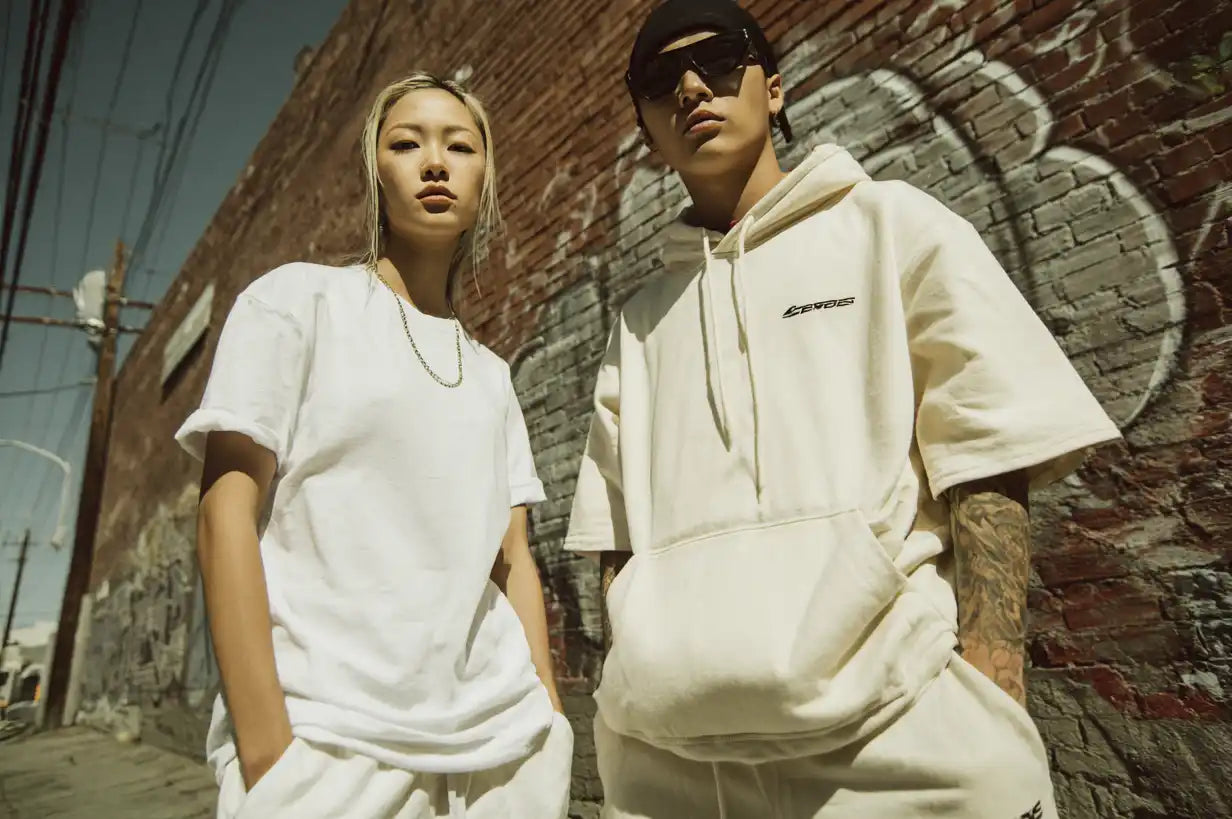
Popular Clothing Items for Custom Apparel
Hoodies, joggers, t-shirts, leggings, and biker shorts — essentials for every apparel collection.
Explore Popular Custom Clothing Items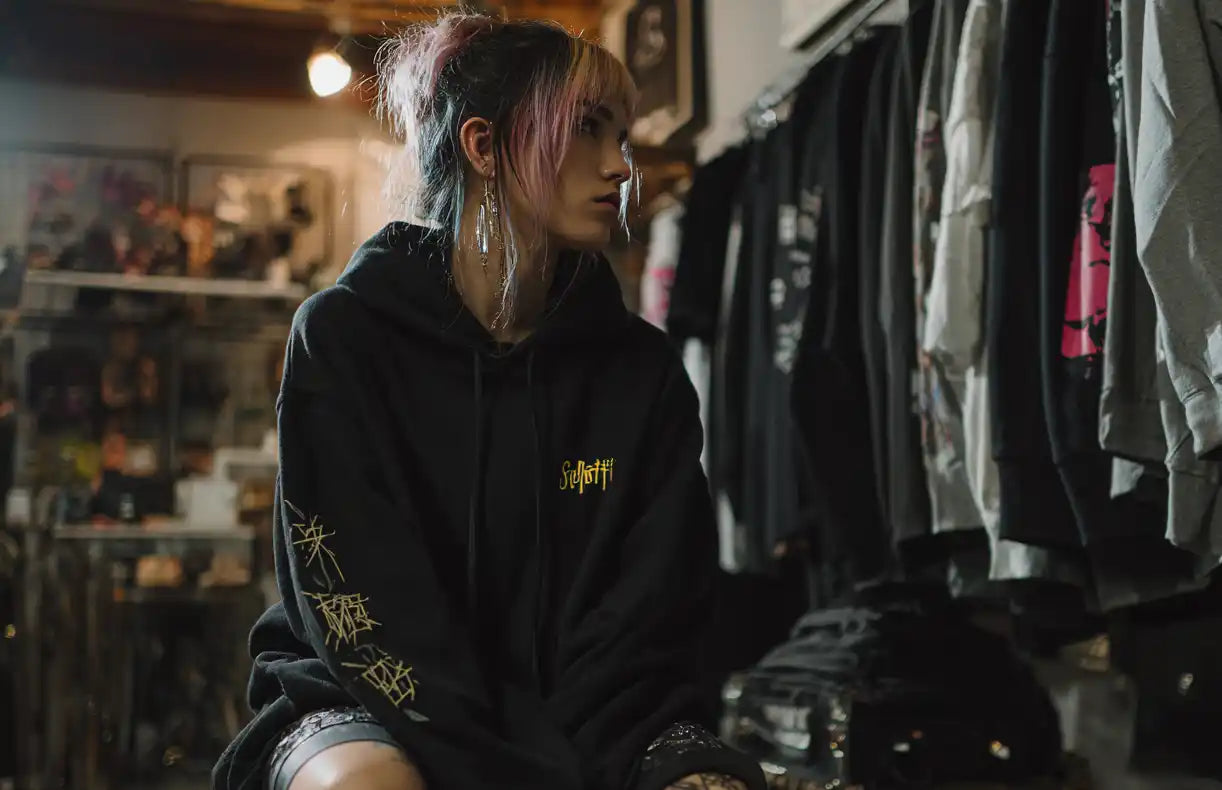
Trends & Designs in Modern Apparel
Oversized fits, streetwear influences, and activewear styles driving custom clothing production.
Explore Trends & Designs for Apparel Development
Sustainable & Ethical Clothing Production
OEKO-TEX® certified fabrics, organic cotton, and ethical apparel manufacturing in Portugal.
Understand Sustainable & Ethical Clothing Production
Essentials for Custom Clothing Production
Custom labels, packaging, and trims that elevate your apparel brand in production.
Explore Essentials for Custom Clothing Production
Resources for Custom Clothing Production
Startup guides, logistics support, and scaling strategies for apparel brands and wholesale clients.
Explore Resources for Custom Clothing Production
Clothing Manufacturing Glossary
Explore a complete glossary of clothing and garment manufacturing terms
The Complete Clothing Manufacturing Glossary
The Best Clothing Manufacturers
Explore global clothing manufacturers by country
Explore The Best Clothing Manufacturers
The Latest Clothing Industry Updates in 2025
Discover the latest news about important topics in the clothing industry in 2025,
Stay On Top Of Clothing Industry Updates
Worldwide Best Manufacturers of Clothes in 2026
Top clothing manufacturers worldwide organized by product type
Find The Worldwide Best Manufacturers of Clothes