
Manufacturing Complexity in Apparel Design Development
Manufacturing complexity is one of the most influential factors in apparel design development. In 2025, brands producing custom made hoodies, custom t shirts, and performance-driven collections must evaluate how each design decision affects pattern accuracy, labor requirements, production time, and unit cost.
This article sits within the Trends & Designs for Apparel Development pillar and focuses on a critical design consideration: how manufacturing complexity shapes feasibility, scalability, and sourcing outcomes.
Key Takeaways
- Complex design features increase labor time and skill requirements
- Pattern structure directly affects grading accuracy and consistency
- Advanced construction methods raise production cost and lead times
- Early complexity assessment reduces sourcing and delivery risk
Why Manufacturing Complexity Matters
Manufacturing complexity refers to the cumulative impact of design elements on production processes. Each added panel, seam, or decoration step increases the number of operations required to produce a garment.
For sourcing teams, unmanaged complexity often leads to higher defect rates, inconsistent sizing feedback, and missed delivery windows.
Pattern Making Complexity and Garment Structure
Pattern making is the foundation of manufacturing complexity. Simple silhouettes rely on fewer pattern pieces and predictable grading rules, while advanced designs introduce curved seams, overlaps, and directional logic.
How It Works: Complex Pattern Development
Complex patterns are created by dividing the garment into multiple functional panels. Each panel must be graded accurately across all sizes to preserve proportions. Asymmetric designs require both mirrored and non-mirrored pattern logic, increasing development and validation time.
Comparison: Simple Patterns vs Multi-Panel Construction
Simple patterns reduce cutting time and operator dependency. Multi-panel construction enables advanced design expression but requires experienced pattern makers and stricter quality control.
Asymmetric Hems and Non-Linear Cuts
Asymmetric hems create visual distinction but significantly increase production complexity. When brands choose to customize a hoodie with non-linear cuts, cutting accuracy and seam consistency become critical.
How It Works: Producing Asymmetric Garments
Asymmetric hems are laid using automatic fabric spreaders to maintain consistent tension and alignment. Specialized markers reduce distortion during cutting. Sewing operators must maintain precise seam allowances, as deviations are visually obvious in non-linear designs.
Comparison: Straight Hem vs Asymmetric Hem
Straight hems allow automated finishing and faster throughput. Asymmetric hems require slower sewing speeds and manual inspection to ensure consistency.
Colorblocking and Multi-Fabric Assembly
Colorblocking is commonly used in streetwear and performance garments, including custom t shirts designed for visual contrast. Each additional color panel increases cutting steps, seam intersections, and alignment checks.
How It Works: Colorblocked Garment Production
Colorblocked garments are produced by cutting each color separately and assembling panels in a strict sequence. Grain direction must remain consistent to prevent twisting. Industry data in 2025 indicates that colorblocked designs increase labor-per-unit costs by approximately 18–25% compared to solid garments.
Comparison: Solid Construction vs Colorblocked Construction
| Criteria | Solid Construction | Colorblocked Construction |
|---|---|---|
| Marker Efficiency | High | Lower due to multiple fabrics |
| Sewing Steps | Fewer operations | Increased panel joins |
| Cost Impact | Lower labor cost | Higher labor and waste |
Technical Performance Fits and Advanced Construction
Performance fits are engineered to support movement and durability. These designs require precise stretch mapping, ergonomic panel placement, and reinforced seam structures.
How It Works: Performance Fit Development
Performance garments are developed using stretch-tested fabrics and articulated pattern shapes. Interlock knits provide stability, while flatlock stitching reduces friction and seam bulk. Production requires operators trained in technical sewing and seam balancing.
Comparison: Standard Fit vs Performance Fit
Standard fits prioritize production efficiency. Performance fits prioritize function and comfort, increasing development time and quality control requirements.
Decoration Methods and Manufacturing Impact
Decoration choices influence production sequencing and garment handling. Brands that customize a hoodie using multiple decoration techniques must plan operations carefully.
How It Works: Custom Embroidery on Sweatshirts
Custom embroidery on sweatshirts is applied either at the panel stage or on finished garments. Stitch density, stabilizers, and hoop placement are tested to prevent fabric distortion. Embroidery increases production time but delivers long-term durability.
Comparison: Embroidery vs Heat Transfer
Embroidery offers superior longevity and texture. Heat transfer reduces setup time but may impact breathability and wash performance.
Fabric Selection and Complexity Management
| Design Category | Recommended GSM | Complexity Impact |
|---|---|---|
| Minimalist | 220–400 | Lower complexity, stable output |
| Streetwear | 240–450 | Moderate complexity, heavy handling |
| Performance | 180–260 | High complexity, technical sewing |
Common Mistakes to Avoid
- Introducing multiple complex elements in a single garment
- Ignoring grading challenges during pattern development
- Underestimating labor skill requirements
- Choosing decoration methods incompatible with fabric behavior
- Validating design only after bulk production begins
Frequently Asked Questions
FAQs About Certification & Standards
Do complex designs require certified production?
Complex garments benefit from structured quality systems. Certifications such as GOTS and OEKO-TEX® indicate controlled sourcing and process management.
Do certifications affect timelines?
Certified materials may require advance planning and documentation. This can extend development timelines slightly but reduces long-term compliance risk.
Are certifications mandatory globally?
They are not legally required in all regions, but they are increasingly expected by international buyers.
FAQs About Sourcing & Production
Does complexity increase minimum order quantities?
Yes. Factories often require higher volumes to offset setup and training costs associated with complex designs.
Should complexity be phased into collections?
Gradual complexity introduction allows factories to stabilize quality and efficiency.
Can one factory handle all complexity levels?
Only factories with skilled labor, technical machinery, and structured QC systems can do so consistently.
FAQs About Materials & Care
Do complex garments need special care?
Yes. Advanced construction and decoration often require gentler washing to maintain structure.
Do stretch fabrics increase failure risk?
Improper cutting or tension control can reduce seam strength and recovery.
Should care labels reflect garment complexity?
Clear care instructions improve garment lifespan and reduce returns.
Plan Production-Ready Apparel Designs
Manufacturing complexity should be evaluated early to avoid cost overruns, production delays, and quality issues. Aligning design ambition with pattern feasibility, fabric behavior, and skilled labor availability is essential for scalable apparel development.
If your brand is planning collections that involve advanced construction, colorblocking, or performance fits, our team can support feasibility reviews and production planning.
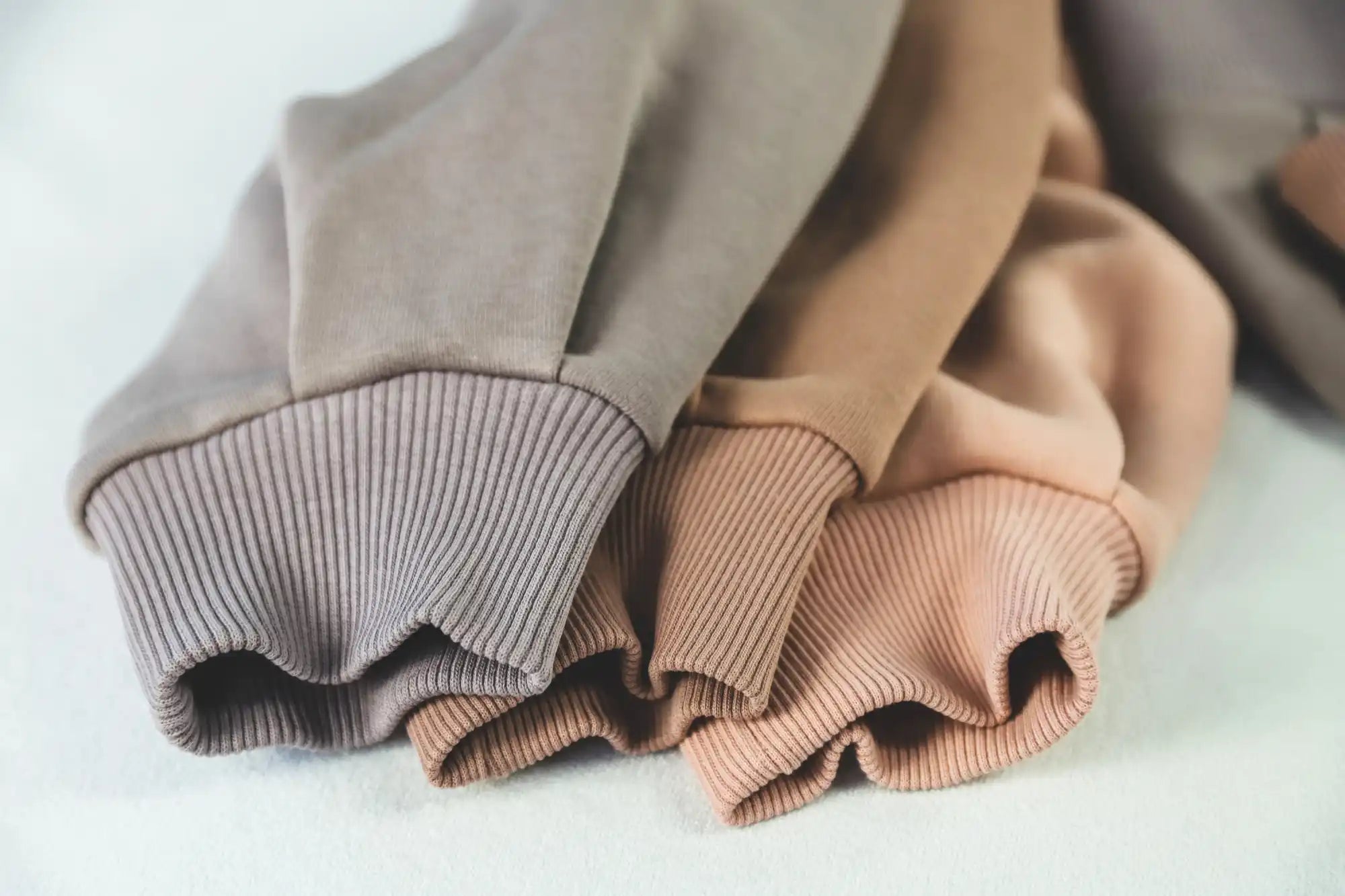
Materials & Fabrics for Clothing Production
Explore cotton, French terry, jersey, fleece, and sustainable blends used in premium apparel manufacturing.
Explore Premium Apparel Fabrics Guide
Printing Techniques for Apparel Production
Screen printing, embroidery, puff prints, and digital methods for custom clothing manufacturing.
Explore Custom Apparel Printing Techniques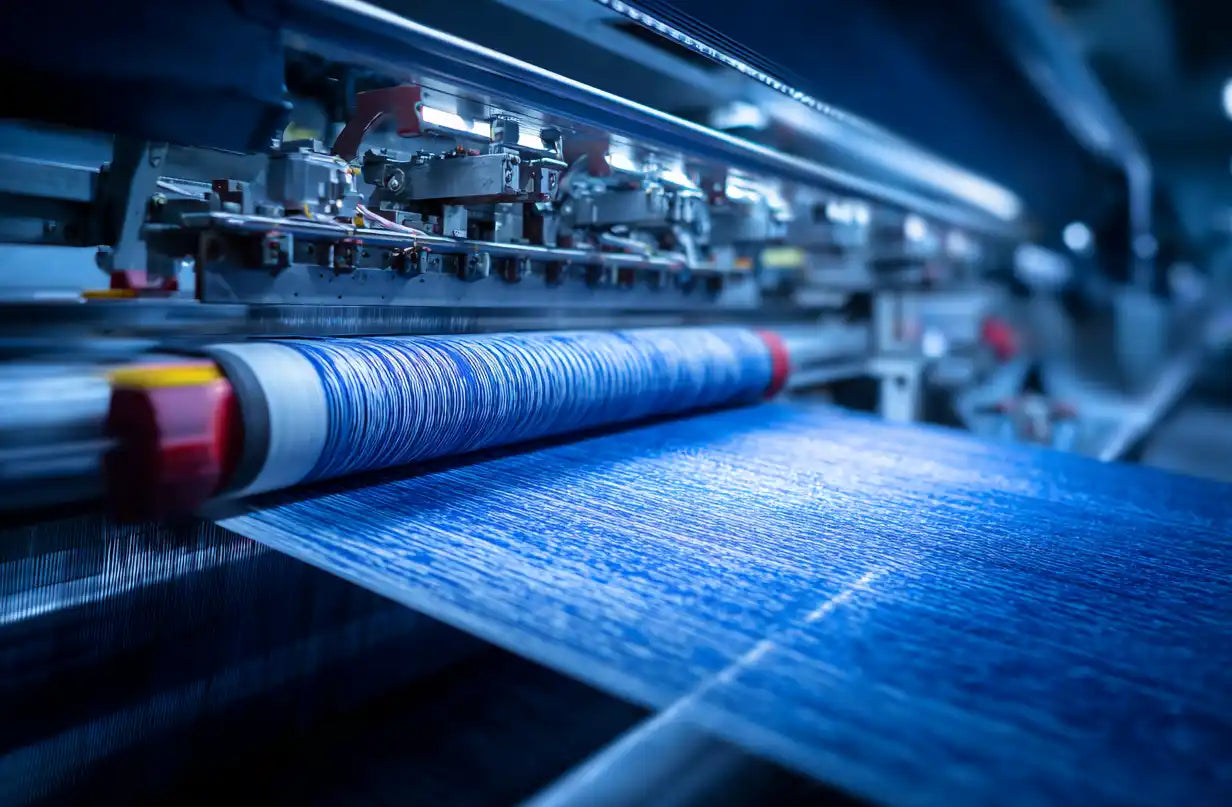
Dyeing Techniques in Clothing Manufacturing
Garment dye, pigment, acid wash, and stone wash finishes that create unique apparel designs.
Compare Apparel Finishing Techniques
Popular Clothing Items for Custom Apparel
Hoodies, joggers, t-shirts, leggings, and biker shorts — essentials for every apparel collection.
Explore Popular Custom Clothing Items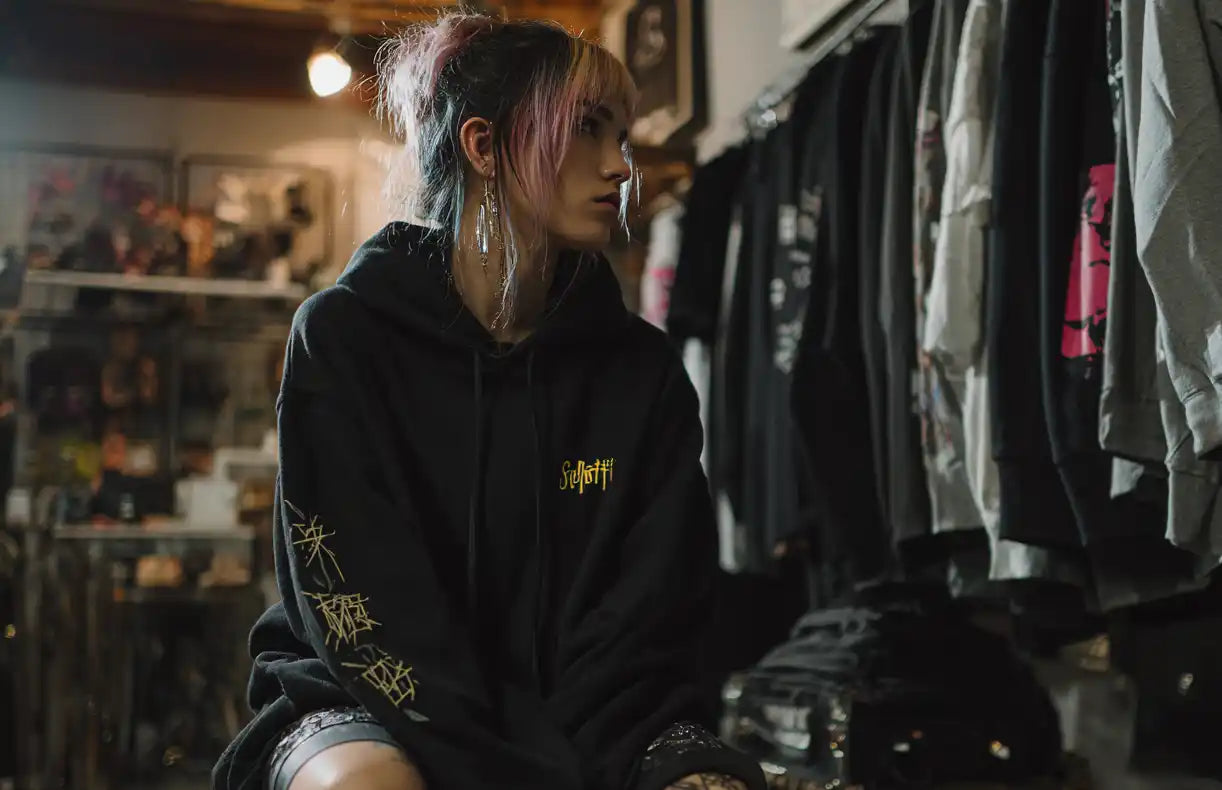
Trends & Designs in Modern Apparel
Oversized fits, streetwear influences, and activewear styles driving custom clothing production.
Explore Trends & Designs for Apparel Development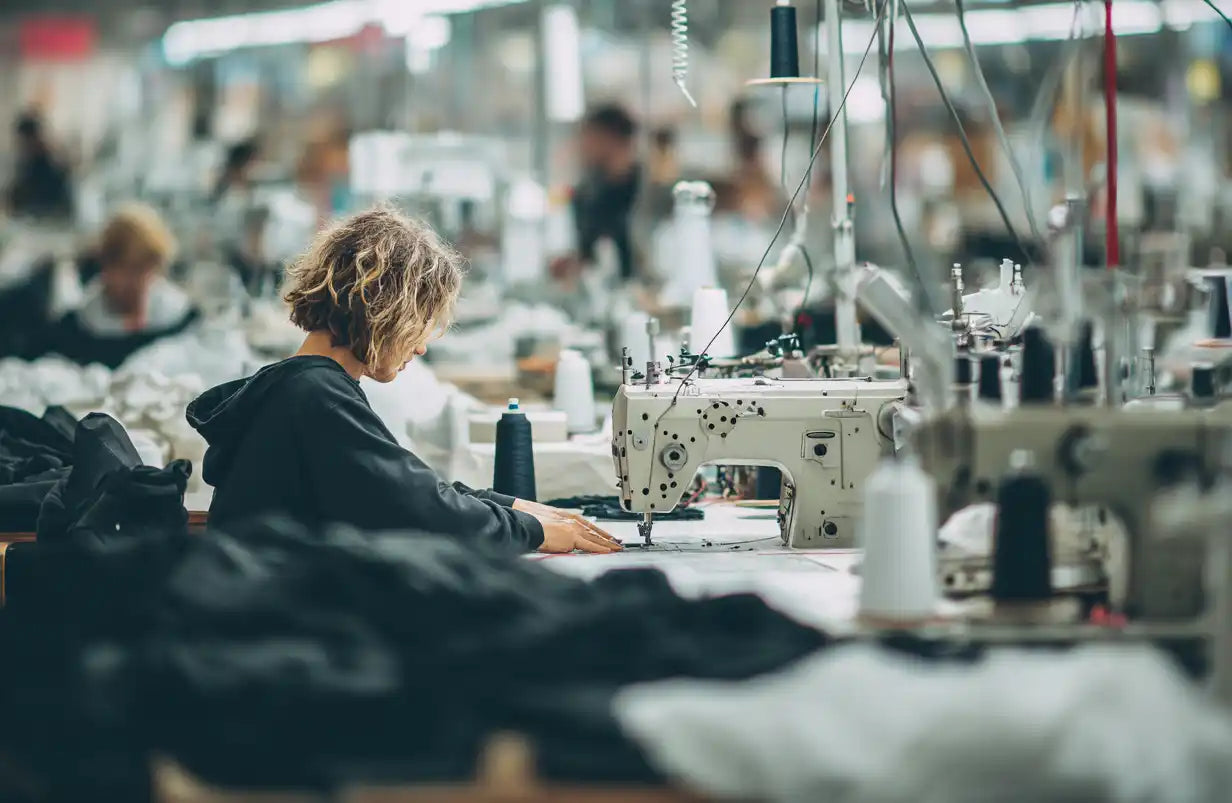
Sustainable & Ethical Clothing Production
OEKO-TEX® certified fabrics, organic cotton, and ethical apparel manufacturing in Portugal.
Understand Sustainable & Ethical Clothing Production
Essentials for Custom Clothing Production
Custom labels, packaging, and trims that elevate your apparel brand in production.
Explore Essentials for Custom Clothing Production
Resources for Custom Clothing Production
Startup guides, logistics support, and scaling strategies for apparel brands and wholesale clients.
Explore Resources for Custom Clothing Production
Clothing Manufacturing Glossary
Explore a complete glossary of clothing and garment manufacturing terms
The Complete Clothing Manufacturing Glossary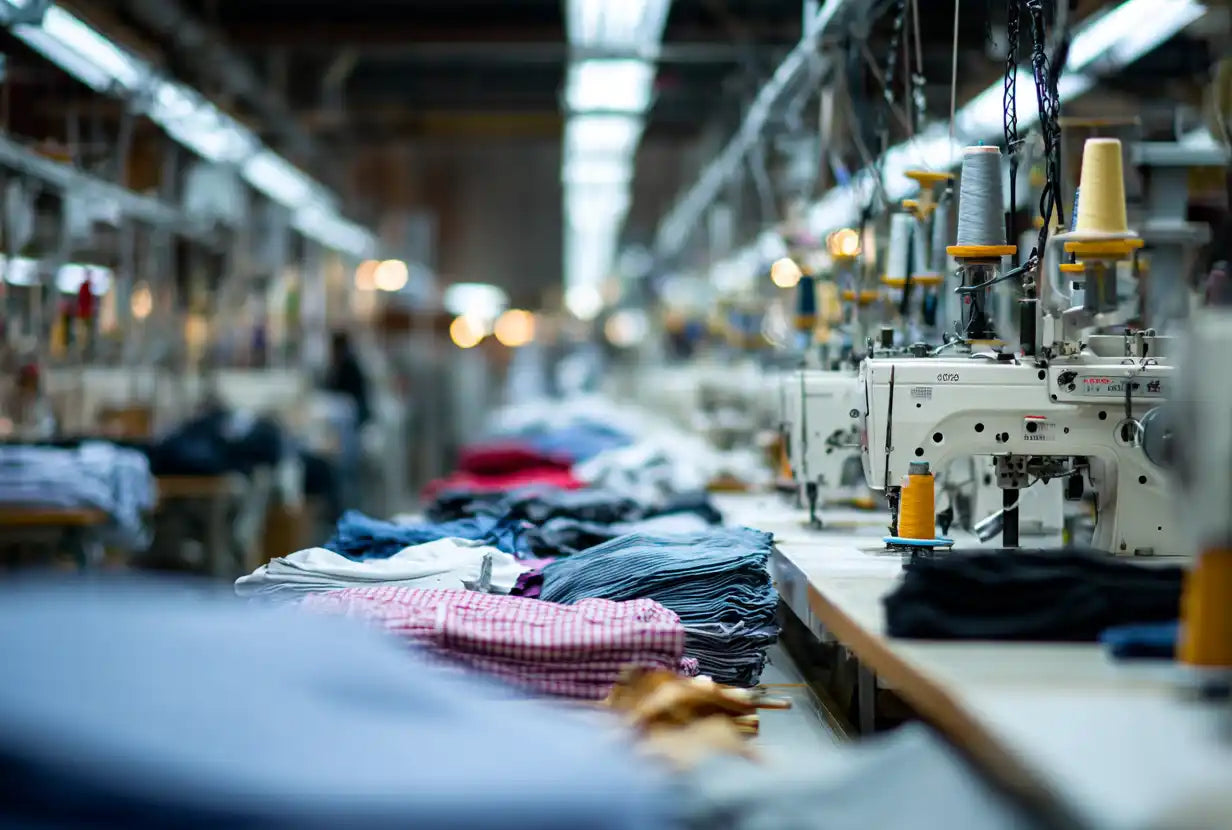
The Best Clothing Manufacturers
Explore global clothing manufacturers by country
Explore The Best Clothing Manufacturers
The Latest Clothing Industry Updates in 2025
Discover the latest news about important topics in the clothing industry in 2025,
Stay On Top Of Clothing Industry Updates
Worldwide Best Manufacturers of Clothes in 2026
Top clothing manufacturers worldwide organized by product type
Find The Worldwide Best Manufacturers of Clothes