
Material & Feel: How Labels and Tags Define Apparel Quality
In apparel production, the first quality failure is rarely visual. It is tactile. A stiff care label, scratchy woven tag, or heavy heat transfer can undermine the comfort of an otherwise premium garment the moment it touches skin.
For brands producing custom made hoodies or custom t shirts, labels and tags are not accessories. They are functional materials that directly influence comfort, perceived value, and repeat wear. This article breaks down how texture, material choice, and finishing methods determine whether a garment feels premium or disposable.
Why Material & Feel Defines Apparel Quality
Consumers evaluate quality within seconds of wearing a garment. Rough trims create friction, heat retention, and irritation that trigger negative feedback even when fabric quality is high.
In wholesale and DTC markets, poor tactile experience is one of the top drivers of returns for basics such as hoodies, sweatshirts, and t-shirts.
- Labels touch skin continuously
- Tags are handled before purchase
- Packaging sets the first physical impression
Neck Labels: The Highest-Risk Touchpoint
The neck label is the most sensitive contact area in any garment. Poor material selection here creates immediate discomfort and long-term brand damage.
Common Neck Label Materials
- Screen-printed labels (water-based or silicone)
- Woven polyester labels
- Satin labels
- Heat transfer labels
How Printed Labels Work
Printed labels use water-based or silicone inks that bond directly to fabric through heat activation. The curing temperature determines adhesion strength and softness, with lower temperatures preserving fabric hand feel. When correctly applied, the ink layer becomes part of the textile rather than a raised surface. This method is widely used for comfort-first garments such as premium hoodies and lightweight t-shirts.
Printed Labels vs Woven Labels
| Feature | Printed | Woven |
|---|---|---|
| Skin Comfort | High | Medium–Low |
| Durability | Medium | High |
| Best For | Custom t shirts | Outerwear |
Care Labels: Compliance Without Discomfort
Care labels are legally required, but their execution determines whether they feel invisible or irritating. Material selection must balance compliance, durability, and softness.
In the US, the FTC mandates fiber content, country of origin, and care instructions. Full requirements are outlined in the official guide: FTC Threading Your Way.
Preferred Care Label Materials
- Satin polyester (softest option)
- Nylon taffeta (durable but stiffer)
- Printed care labels (no physical tag)
Certifications That Protect Skin Contact
Any label or print that touches skin should meet chemical safety standards. The most widely recognized global standard is OEKO-TEX® Standard 100.
OEKO-TEX® certifies that textiles and inks are tested against harmful substances. You can verify certified components directly via OEKO-TEX Standard 100.
Custom Embroidery and Texture Weight
Embroidery adds perceived value but also adds physical weight and stiffness. When brands customize a hoodie, embroidery placement must account for fabric thickness and garment drape.
How Embroidery Works
Embroidery uses digitized patterns that guide needles to stitch thread directly through fabric layers. Stitch density and backing choice control stiffness and durability. Heavier stitch counts increase longevity but reduce softness. This makes embroidery ideal for logos placed away from high-friction areas.
Embroidery vs Printed Branding
| Factor | Embroidery | |
|---|---|---|
| Texture | Raised | Flat |
| Comfort | Medium | High |
| Longevity | Very High | Medium |
Hang Tags: First Impression Before Wear
Hang tags are the only brand element touched before purchase. Their texture communicates price point immediately.
Hang Tags vs Swing Tags
Hang tags are rigid and premium but heavier. Swing tags are lighter and cost-efficient but feel disposable. Brands selling premium basics benefit from thicker stock with soft-touch coatings.
Packaging Feel: Secondary but Strategic
Packaging should protect garments without overpowering the garment experience. Poly bags are standard but vary widely in feel.
How Poly Bag Packaging Works
Poly bags are measured in mil thickness, typically ranging from 1.5 to 3 mil. Thicker bags resist tearing but increase stiffness. Anti-static additives prevent cling and noise, improving unboxing experience. Most premium brands use 2 mil bags with matte finishes to reduce glare.
Brand Story Cards vs Poly Bags
Story cards add emotional value but no protection. Poly bags add protection but no narrative. Using both allows brands to balance logistics and storytelling.
Compatibility Rules: Fabric, Ink, and Label
Material mismatch is one of the most common causes of label failure. Ink, fabric, and wash process must be compatible.
- Water-based inks work best on cotton
- Silicone inks suit poly blends
- Heat transfers require stretch testing
For deeper production alignment, see the guide on printing techniques for custom clothing production.
Common Mistakes to Avoid
Production Errors
- Over-curing printed labels
- Incorrect backing for embroidery
- Using stiff care label materials
Sourcing Missteps
- Ignoring skin-contact testing
- Skipping wash tests
- Choosing trims before fabric is locked
Cost-Efficiency Mistakes
- Over-engineering low-margin basics
- Using premium tags on low-price SKUs
Wholesale Readiness and Buyer Expectations
Wholesale buyers inspect trims before fabric. If labels feel cheap, buyers assume the garment will fail in-store. This is why finishing quality is often a deciding factor for bulk orders.
Brands developing scalable collections should align trim quality with fabric selection from the start. Resources on materials can be found at materials & fabrics for clothing production.
FAQs About Certification & Standards
Are printed labels safe for skin contact?
Yes, when certified inks are used and curing is correctly controlled. OEKO-TEX® certified inks are tested for harmful substances and are widely used in premium apparel. Improper curing is the main cause of irritation.
Is OEKO-TEX required by law?
No, but it is widely required by retailers and buyers. It provides assurance that trims and inks meet international safety thresholds. Many brands use it as a minimum standard.
Do labels need different standards in the EU?
The EU has stricter chemical restrictions under REACH. Using globally certified inks simplifies cross-border compliance. This is why most exporters standardize to OEKO-TEX.
FAQs About Sourcing & Production
When should label materials be finalized?
Labels should be locked after fabric testing but before bulk sampling. This ensures compatibility with wash cycles and finishing processes. Late changes often cause delays.
Can labels be changed per SKU?
Yes, but it increases complexity. Most brands standardize labels across similar product families to control cost. This also simplifies inventory management.
Is printed labeling suitable for all garments?
No. Heavy fleece and brushed fabrics may not hold fine detail. Testing is required for every fabric type to avoid cracking or fading.
FAQs About Materials & Care
How many washes should labels survive?
Premium labels should last at least 30–50 wash cycles. This aligns with garment lifespan expectations. Lower durability signals poor quality to consumers.
Do softer labels wear out faster?
Not necessarily. Properly cured prints and high-quality satin labels retain softness and legibility. Durability depends on material and process, not softness alone.
Should packaging match garment feel?
Yes. Packaging sets expectation. Premium garments feel inconsistent when paired with cheap packaging. Alignment improves perceived value.
If your brand plans to develop new collections using comfort-first trims and scalable production methods, reach out to our team via the request form to discuss availability and production options.
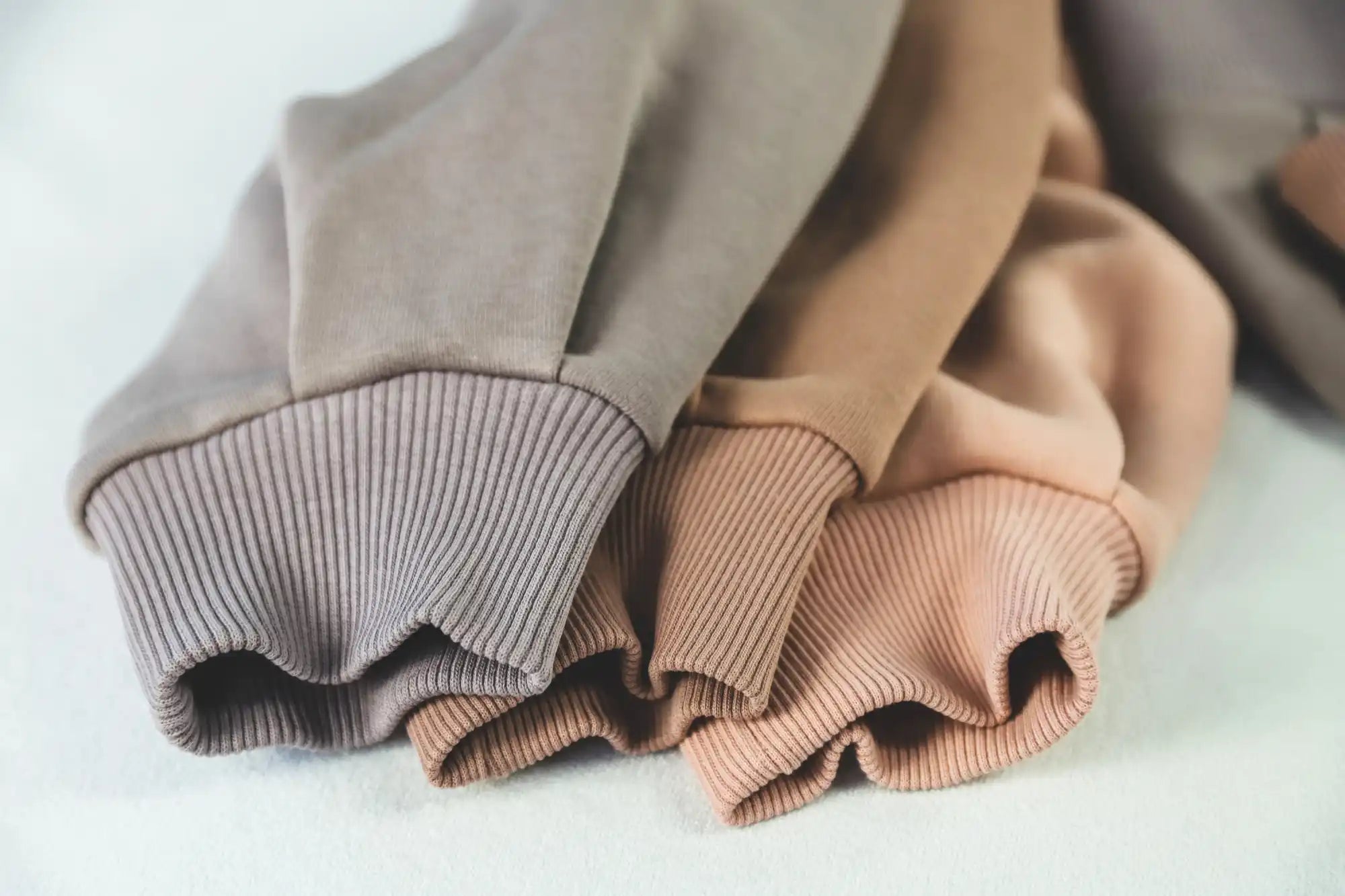
Materials & Fabrics for Clothing Production
Explore cotton, French terry, jersey, fleece, and sustainable blends used in premium apparel manufacturing.
Explore Premium Apparel Fabrics Guide
Printing Techniques for Apparel Production
Screen printing, embroidery, puff prints, and digital methods for custom clothing manufacturing.
Explore Custom Apparel Printing Techniques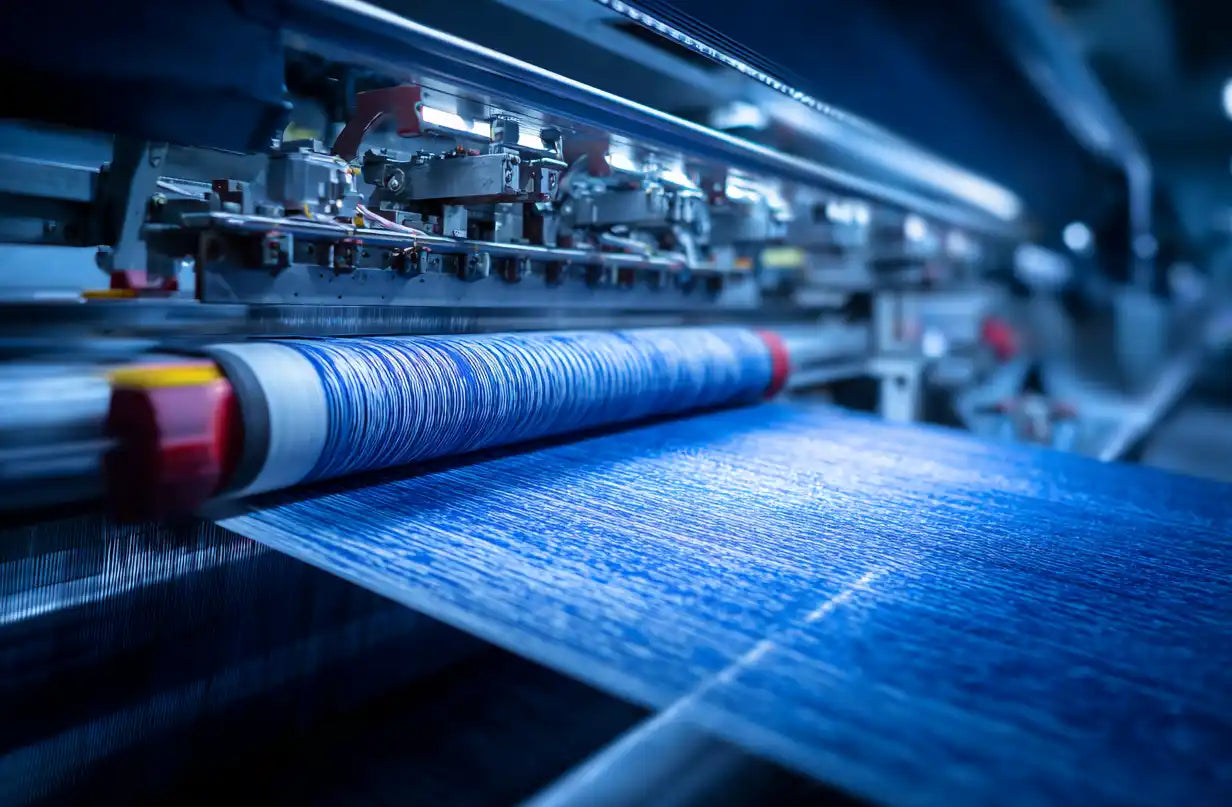
Dyeing Techniques in Clothing Manufacturing
Garment dye, pigment, acid wash, and stone wash finishes that create unique apparel designs.
Compare Apparel Finishing Techniques
Popular Clothing Items for Custom Apparel
Hoodies, joggers, t-shirts, leggings, and biker shorts — essentials for every apparel collection.
Explore Popular Custom Clothing Items
Trends & Designs in Modern Apparel
Oversized fits, streetwear influences, and activewear styles driving custom clothing production.
Explore Trends & Designs for Apparel Development
Sustainable & Ethical Clothing Production
OEKO-TEX® certified fabrics, organic cotton, and ethical apparel manufacturing in Portugal.
Understand Sustainable & Ethical Clothing Production
Essentials for Custom Clothing Production
Custom labels, packaging, and trims that elevate your apparel brand in production.
Explore Essentials for Custom Clothing Production
Resources for Custom Clothing Production
Startup guides, logistics support, and scaling strategies for apparel brands and wholesale clients.
Explore Resources for Custom Clothing Production
Clothing Manufacturing Glossary
Explore a complete glossary of clothing and garment manufacturing terms
The Complete Clothing Manufacturing Glossary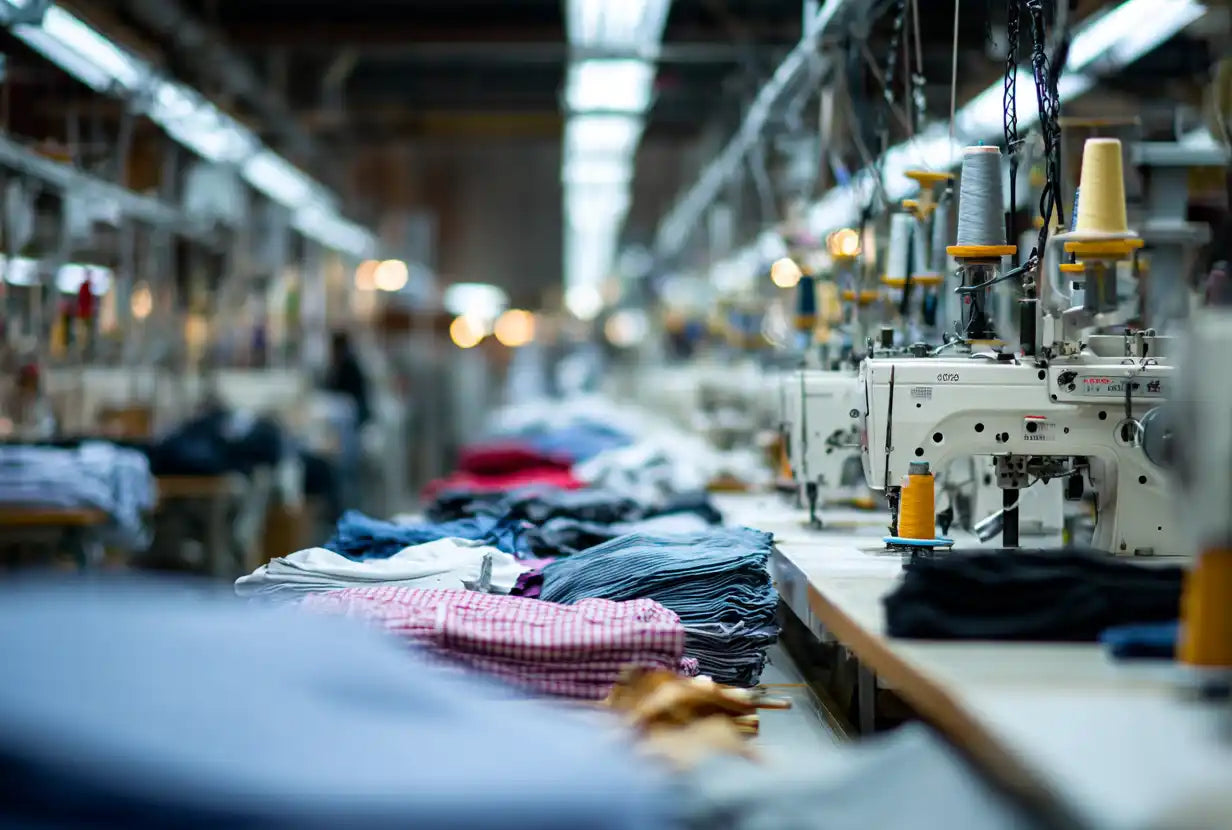
The Best Clothing Manufacturers
Explore global clothing manufacturers by country
Explore The Best Clothing Manufacturers
The Latest Clothing Industry Updates in 2025
Discover the latest news about important topics in the clothing industry in 2025,
Stay On Top Of Clothing Industry Updates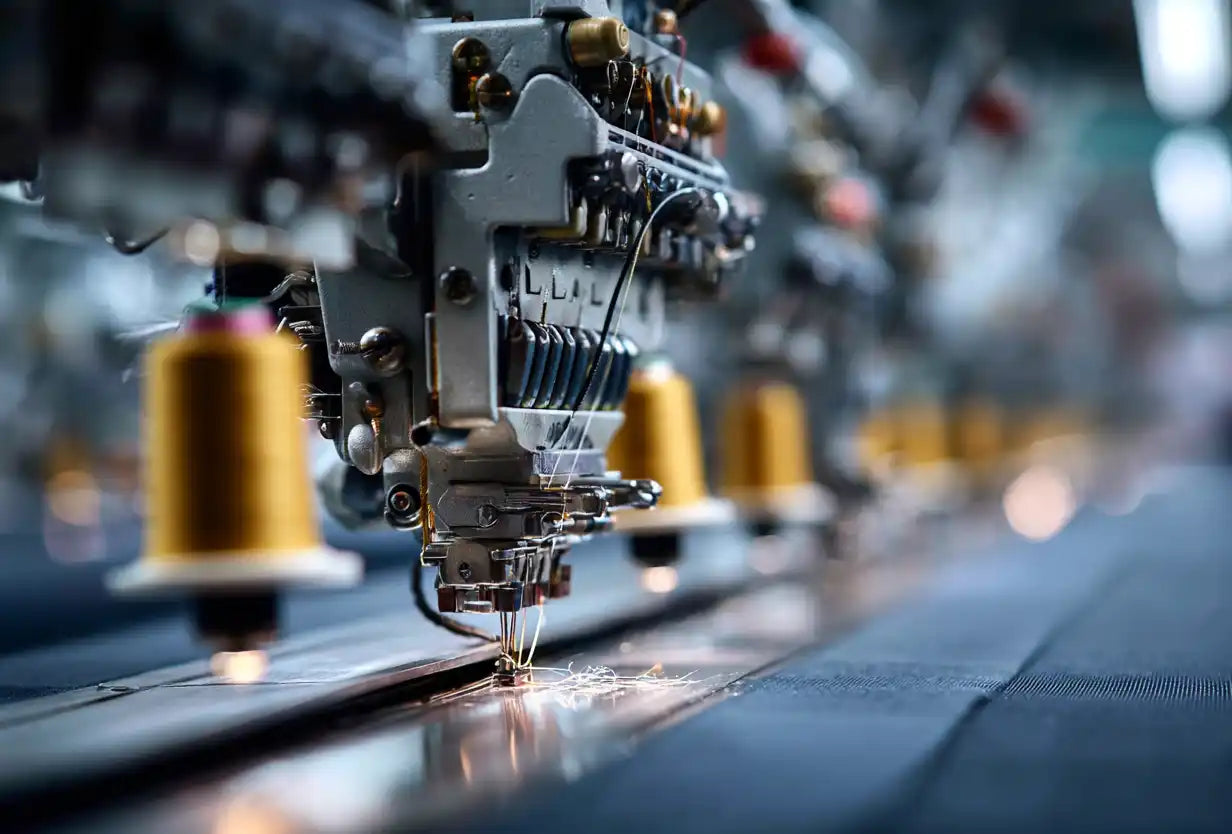
Worldwide Best Manufacturers of Clothes in 2026
Top clothing manufacturers worldwide organized by product type
Find The Worldwide Best Manufacturers of Clothes