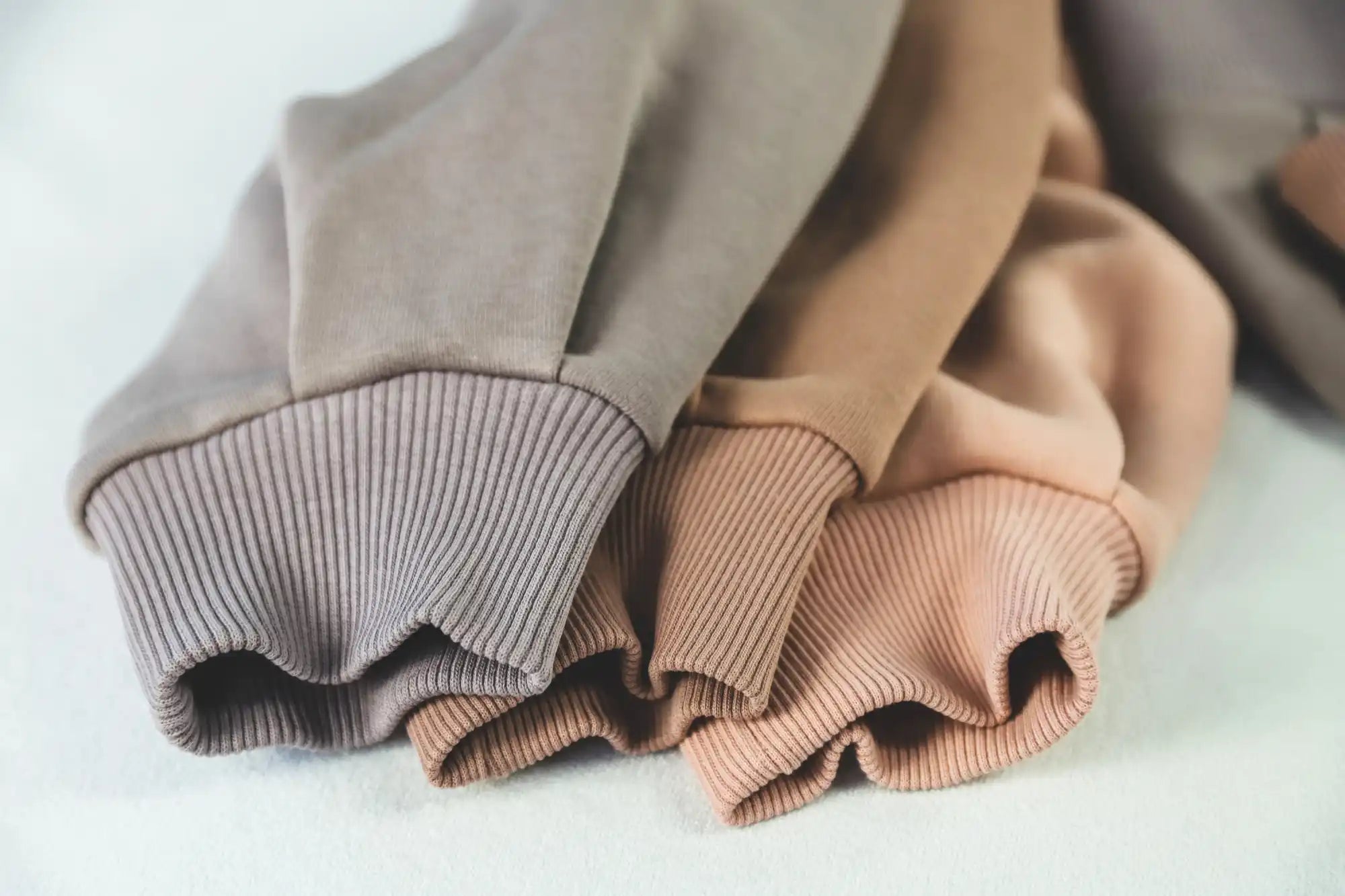
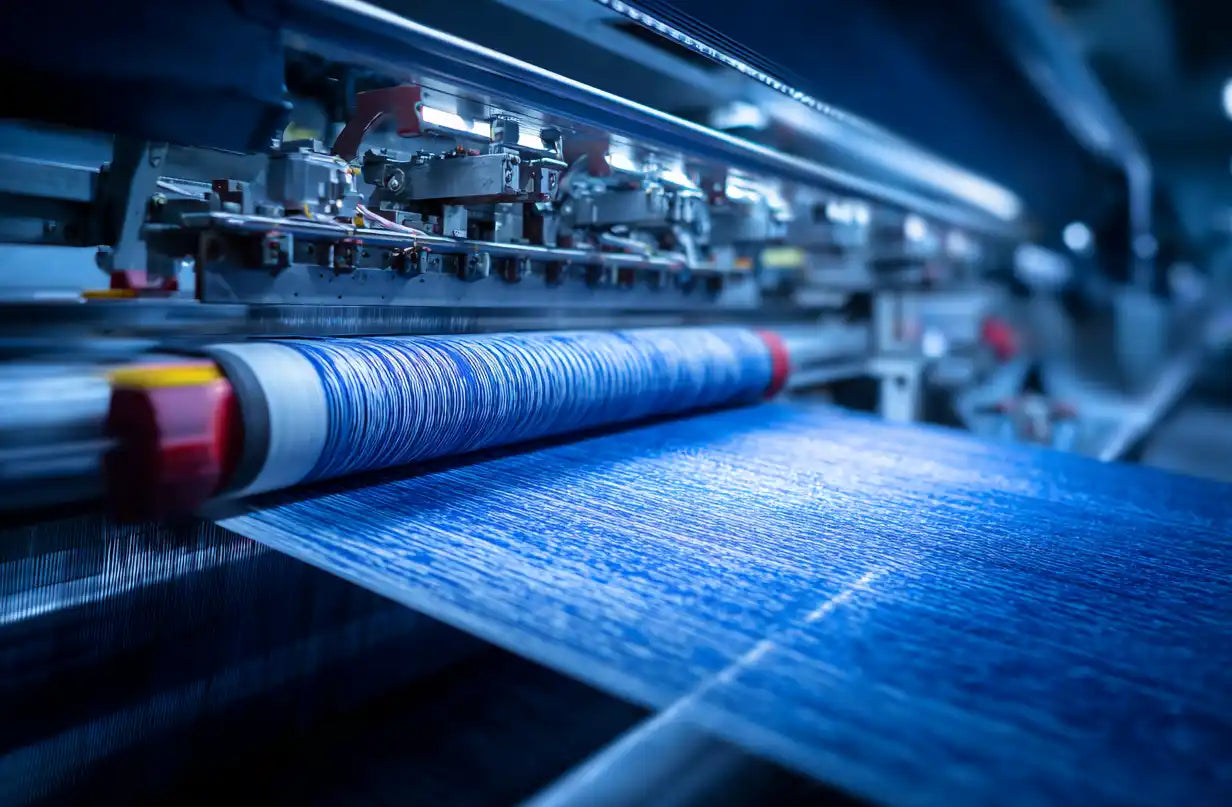
Mineral wash clothing has become a signature of eco-conscious garment finishing. Using lightweight minerals such as zeolite instead of pumice stones, it achieves a soft, vintage look while reducing water usage and fiber damage. This makes it ideal for modern streetwear and athleisure collections where comfort, durability, and sustainability intersect.
What Is Mineral Wash?
Mineral wash is a textile finishing process that uses porous minerals to gently abrade fabric surfaces, softening fibers and producing a muted fade. It creates the worn-in, lived look of stone wash—but with far less impact.
- Softer hand feel and relaxed drape
- Consistent fading across batches
- Reduced water and energy consumption
- Compatible with organic and certified fabrics
You’ll often see mineral wash on heavyweight cotton fleece hoodies and t-shirts where both comfort and longevity are key.
How the Mineral Wash Process Works
1. Preparation
Garments are pre-wetted in a mild detergent solution for even mineral absorption.
2. Zeolite Bath
Natural or synthetic zeolite minerals are added to the washing machine with the garments. Zeolite’s microporous surface gently lifts surface dyes and softens fibers without tearing them.
3. Controlled Tumbling
The garments tumble for 15–25 minutes, allowing light abrasion. Unlike stone washing, there’s no harsh friction or fabric shredding.
4. Neutralization & Softening
After washing, garments are rinsed with mild acid to neutralize pH and treated with silicone or enzyme-based softeners for enhanced comfort.
5. Drying & Finishing
The garments are tumble dried at low temperature, fixing the texture and fade. Sustainable factories reuse up to 80% of rinse water in closed-loop systems aligned with ZDHC Foundation protocols.
Why Zeolite Is the Key Mineral
Zeolite offers the perfect balance of gentle abrasion and environmental safety. Its microporous crystalline structure makes it a powerful alternative to pumice stones.
- Uniform particle size for consistent wash tone
- Less lint and fiber loss during tumbling
- Lower wastewater load due to neutral pH
- Recyclable media usable for multiple cycles
Mineral Wash vs. Stone Wash
| Criteria | Stone Wash | Mineral Wash |
|---|---|---|
| Abrasive Material | Pumice Stones | Zeolite Minerals |
| Fabric Impact | High abrasion, fiber breakage | Low abrasion, softer fibers |
| Water Use | High | 60–80% lower |
| Color Consistency | Variable | Highly uniform |
| Waste Management | Stone sludge disposal | Reusable minerals |
Environmental and Production Advantages
- Reduced water consumption through filtration and reuse systems
- Less worker exposure to dust and debris
- Minimal chemical discharge — compliant with OEKO-TEX® and GOTS frameworks
- Improved garment lifespan and softness
Applications Across Apparel Categories
- Streetwear and Lifestyle: Soft-faded oversized hoodies and tees.
- Athleisure and Activewear: Cotton-blend joggers, crewnecks, and relaxed fit sets.
- Private Label Blanks: Custom dye-ready garments with a premium lived-in tone.
Quality Control and Fabric Longevity
To ensure consistency, mills employ spectrophotometric color checks, tensile strength testing, and residue control. European data (2025) indicates mineral-washed fleece shows up to 35% lower fiber fatigue than stone-washed equivalents—prolonging product lifespan and color stability.
Portugal’s Leadership in Sustainable Finishing
Portugal remains a leader in low-impact washing, powered by renewable energy and advanced wastewater recovery systems. Its integrated mills combine enzyme, cold dye, and mineral wash methods under ISO and OEKO-TEX® STeP certification—making it a model for sustainable manufacturing.
FAQs on Certifications and Standards
Is mineral wash allowed under GOTS standards?
Yes. When all auxiliary chemicals meet GOTS requirements, mineral wash can be used on certified organic cotton fabrics.
Which certifications support safe chemical management?
OEKO-TEX® Standard 100 and ZDHC MRSL verify the safety of chemical inputs and effluent management in textile facilities.
Does mineral wash meet ZDHC wastewater guidelines?
Yes, most certified facilities maintain full wastewater transparency under the ZDHC Gateway program.
FAQs on Sourcing and Production
What fabrics respond best to mineral wash?
Heavy cotton fleece, French terry, and cotton-poly blends deliver the most even results. Synthetic-heavy fabrics may show less tonal variation.
Can mineral wash combine with garment dyeing?
Absolutely. Pigment-dyed garments washed with zeolite achieve a vintage, muted look with exceptional softness.
What are typical minimum order quantities (MOQs)?
Partner factories offer low MOQs—typically 50–100 pieces per colorway—ideal for sampling or capsule production runs.
FAQs on Materials and Care
How should customers care for mineral-washed garments?
Wash cold, inside out, and avoid bleach. Use gentle detergent and low heat drying to preserve tone and softness.
Does the finish continue to fade over time?
Slight tonal softening occurs during the first few washes, after which the color stabilizes beautifully.
Are mineral-washed garments more sustainable than acid wash?
Yes. Mineral wash avoids corrosive chemicals and uses recyclable media, making it the eco-friendlier distressing method.
Conclusion
Mineral wash bridges the gap between aesthetic texture and sustainable performance. For brands building responsible collections, it offers both creative depth and measurable environmental benefits. As textile innovation continues to evolve, mineral wash will remain a defining process in eco-conscious garment finishing.
If your team is exploring mineral wash or other certified fabric finishing options, connect with our sourcing experts via the request form to discuss sampling and production capacities.