
Nylon Fabric for Clothing: Durable, Lightweight & Sustainable
Nylon is a cornerstone of modern performance apparel. Known for its strength, flexibility, and silky feel, it’s used in activewear, swimwear, and outerwear across the fashion market. In 2025, as sustainability meets high performance, brands are turning to nylon for its unmatched balance of durability and versatility.
This guide explores what nylon is, its advantages, certifications, sustainability options, and best practices for sourcing and care — everything brands need for smart fabric specification.
If your brand plans to develop collections using certified performance fabrics, reach out via the request form.
What Is Nylon?
Nylon is a synthetic polyamide fiber made through polymerization of monomers such as caprolactam (Nylon 6) or adipic acid and hexamethylenediamine (Nylon 6,6). These polymers form strong molecular chains held by hydrogen bonds, giving nylon its signature toughness and elasticity.
Variants such as Nylon 6 (soft and dyeable) and Nylon 6,6 (high strength and heat-resistant) dominate textile production, while newer bio-based nylons like Nylon 11 and 12 — derived from castor oil — offer lower environmental impact.
Why Nylon Is Popular in Apparel Production
Nylon offers a rare combination of performance, comfort, and aesthetics. It withstands friction, keeps its shape, and dries fast — key features for activewear and outerwear.
| Feature | Performance Benefit | Apparel Application |
|---|---|---|
| High tensile strength | Resists tears and stretching | Leggings, shells |
| Low density (≈1.14 g/cm³) | Light yet durable | Running gear, travel wear |
| Abrasion resistance | Prevents pilling and wear | Outerwear, bags |
| Elastic recovery | Maintains fit over time | Athleisure, swimwear |
| Quick-dry properties | Improved comfort | Performance tops |
| Smooth texture | Comfortable on skin | Yoga, linings |
Sustainability: Recycled and Bio-Based Nylon
Traditional nylon is petroleum-based, but new technologies have created more sustainable versions:
- Recycled nylon (e.g. ECONYL®, Q-NOVA®) is regenerated from pre- and post-consumer waste such as fishing nets and carpet fibers. It reduces greenhouse gas emissions by up to 90% compared to virgin production.
- Bio-based nylon uses renewable feedstocks like castor oil to lower dependence on fossil fuels while maintaining comparable performance.
Certifications and Standards
| Certification | Purpose | Authority |
|---|---|---|
| OEKO-TEX® Standard 100 | Tests for harmful substances to ensure consumer safety. | OEKO-TEX® |
| Global Recycled Standard (GRS) | Verifies recycled content and traceability. | Textile Exchange |
| bluesign® | Controls chemicals and emissions during production. | bluesign® |
| ISO 9001 / 14001 | Quality and environmental management standards. | International Organization for Standardization |
FAQs: Certification & Standards
What does OEKO-TEX® certification mean for nylon fabrics?
It ensures the textile has been tested for over 100 harmful substances and is safe for human contact, supporting consumer trust.
Can recycled nylon carry the GRS label?
Yes, if the yarn or fabric supply chain meets Textile Exchange’s Global Recycled Standard requirements.
Are bluesign® and GRS compatible?
They complement each other—GRS verifies recycled content, while bluesign® ensures responsible chemical use.
FAQs: Sourcing & Production
Is nylon more expensive than polyester?
Typically it is 10–15% higher, but its performance and longevity justify the investment for premium apparel.
Where are most high-quality nylons produced?
Major hubs include Taiwan, South Korea, and Italy, known for consistent quality and advanced recycling infrastructure.
Can nylon be laminated for waterproof applications?
Yes, nylon woven fabrics are commonly laminated with PU or TPU membranes for breathable rainwear and outer shells.
FAQs: Materials & Care
Does nylon pill easily?
High-tenacity yarns and tighter constructions resist pilling; proper washing further minimizes surface abrasion.
How should consumers dry nylon garments?
Air-dry or tumble-dry on low heat. Excessive temperature can distort synthetic fibers and coatings.
Is nylon recyclable after use?
Yes — advanced chemical recycling can regenerate post-consumer nylon waste into new fiber, supporting closed-loop fashion systems.
Final Thoughts
Nylon remains essential to performance and sustainable apparel innovation. Its strength, flexibility, and recyclability position it as a modern solution for brands balancing functionality and responsibility.
For expert guidance in selecting certified nylon fabrics or developing technical apparel collections, contact our sourcing team.
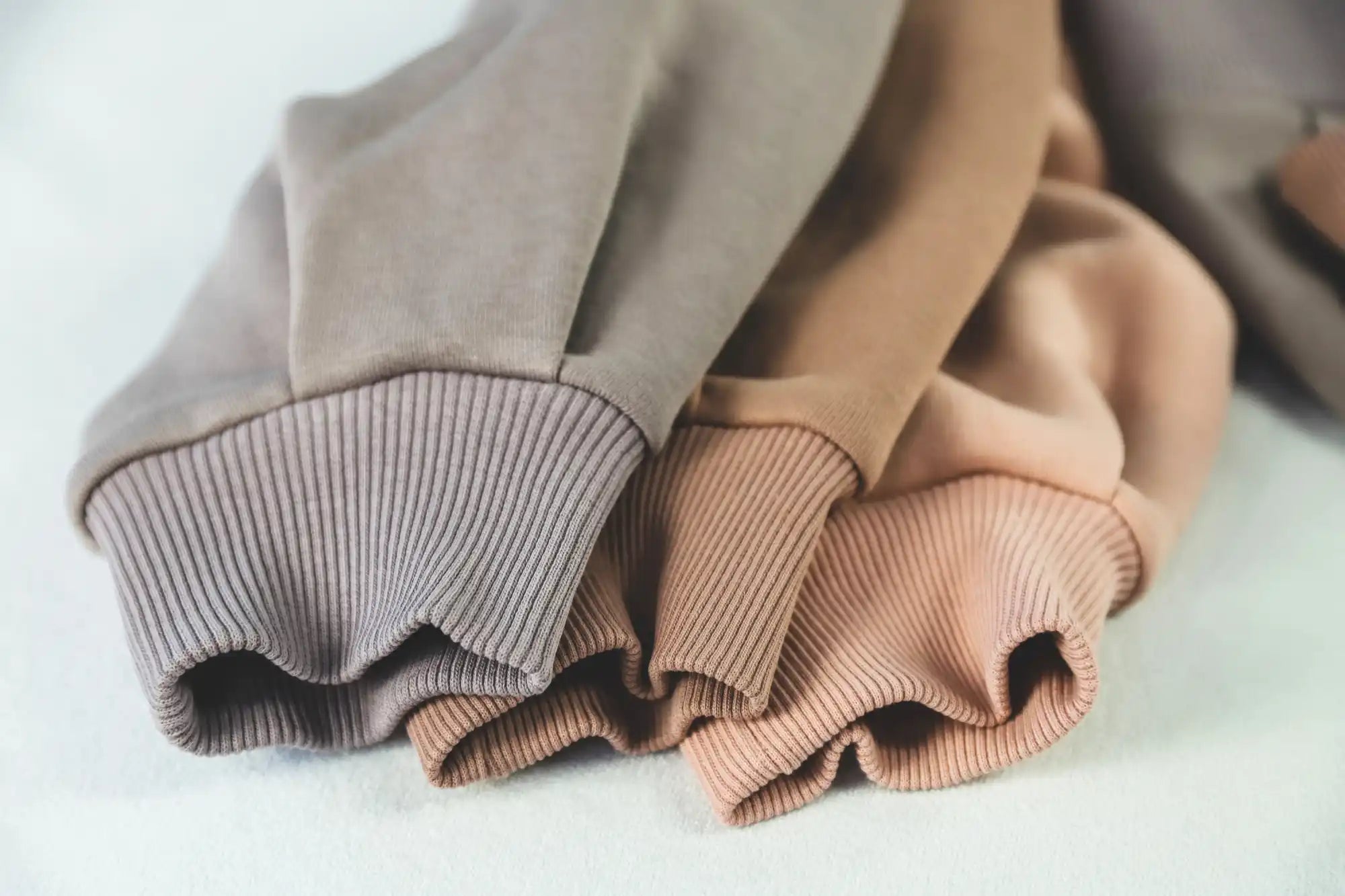
Materials & Fabrics for Clothing Production
Explore cotton, French terry, jersey, fleece, and sustainable blends used in premium apparel manufacturing.
Explore Premium Apparel Fabrics Guide
Printing Techniques for Apparel Production
Screen printing, embroidery, puff prints, and digital methods for custom clothing manufacturing.
Explore Custom Apparel Printing Techniques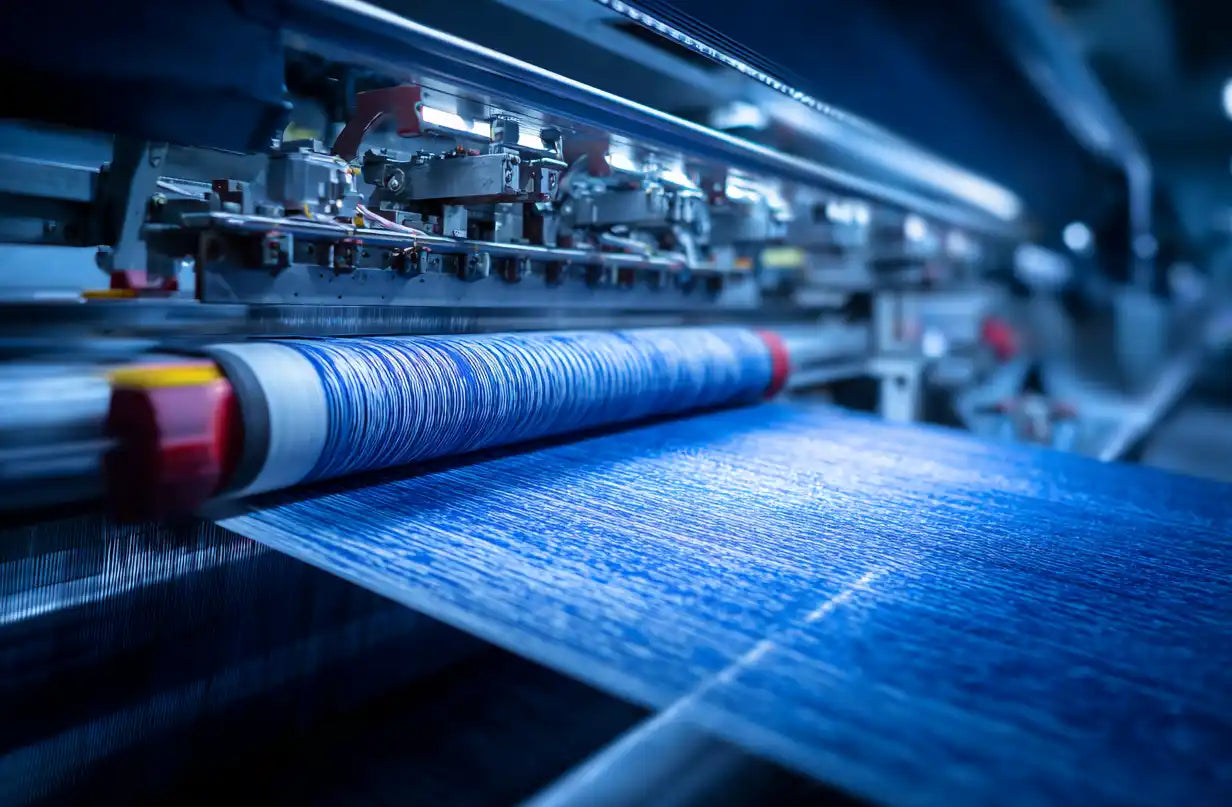
Dyeing Techniques in Clothing Manufacturing
Garment dye, pigment, acid wash, and stone wash finishes that create unique apparel designs.
Compare Apparel Finishing Techniques
Popular Clothing Items for Custom Apparel
Hoodies, joggers, t-shirts, leggings, and biker shorts — essentials for every apparel collection.
Explore Popular Custom Clothing Items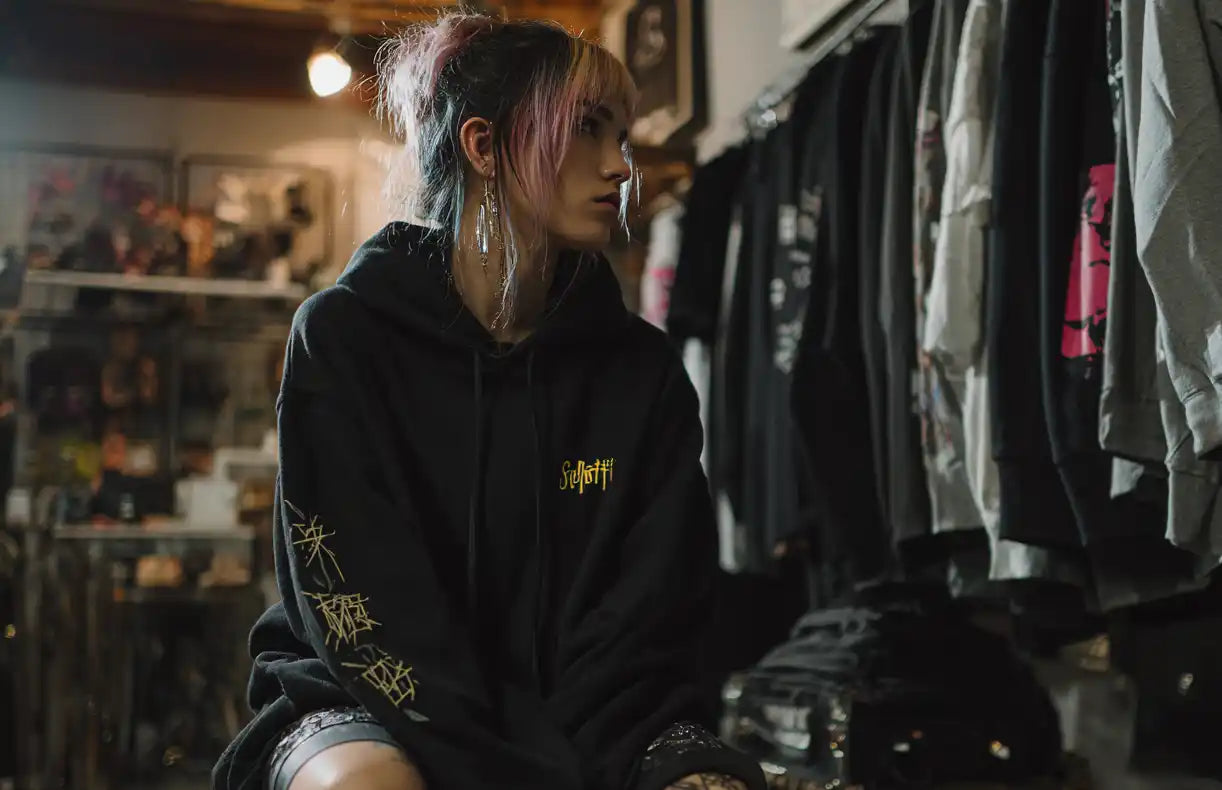
Trends & Designs in Modern Apparel
Oversized fits, streetwear influences, and activewear styles driving custom clothing production.
Explore Trends & Designs for Apparel Development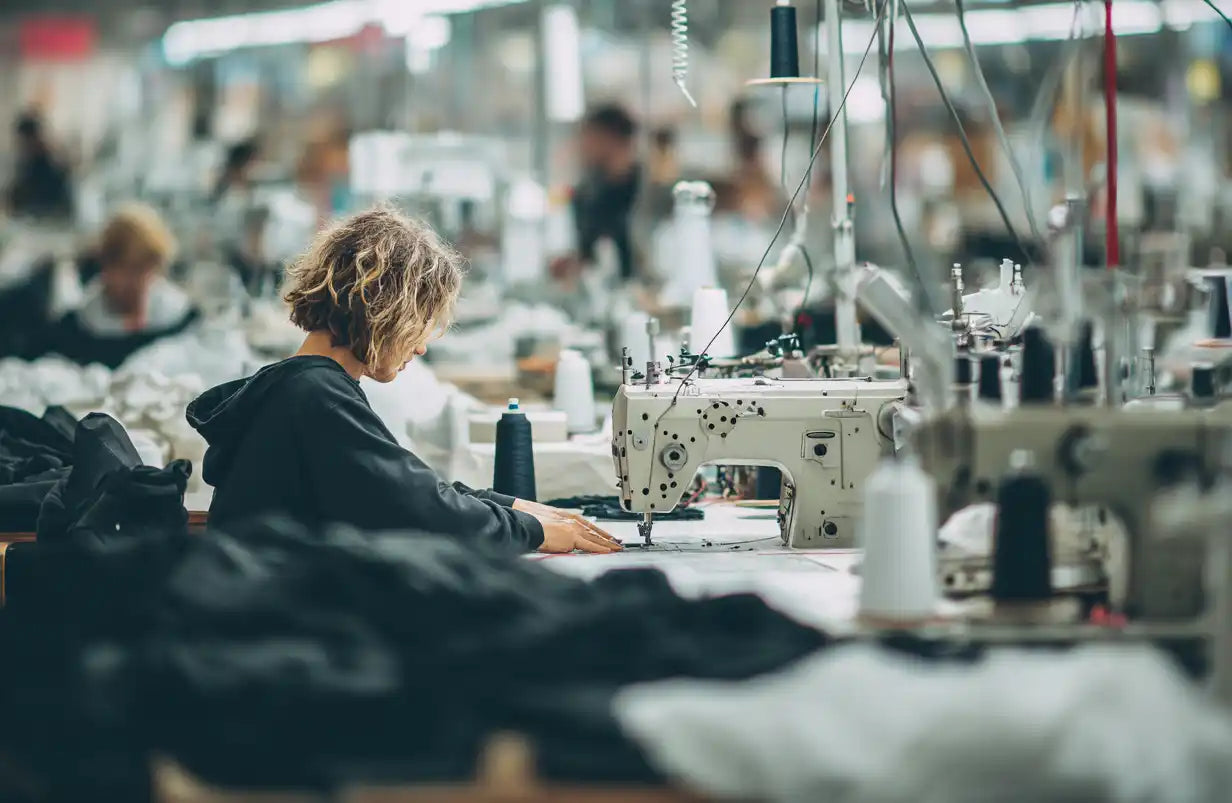
Sustainable & Ethical Clothing Production
OEKO-TEX® certified fabrics, organic cotton, and ethical apparel manufacturing in Portugal.
Understand Sustainable & Ethical Clothing Production
Essentials for Custom Clothing Production
Custom labels, packaging, and trims that elevate your apparel brand in production.
Explore Essentials for Custom Clothing Production
Resources for Custom Clothing Production
Startup guides, logistics support, and scaling strategies for apparel brands and wholesale clients.
Explore Resources for Custom Clothing Production
Clothing Manufacturing Glossary
Explore a complete glossary of clothing and garment manufacturing terms
The Complete Clothing Manufacturing Glossary
The Best Clothing Manufacturers
Explore global clothing manufacturers by country
Explore The Best Clothing Manufacturers
The Latest Clothing Industry Updates in 2025
Discover the latest news about important topics in the clothing industry in 2025,
Stay On Top Of Clothing Industry Updates
Worldwide Best Manufacturers of Clothes in 2026
Top clothing manufacturers worldwide organized by product type
Find The Worldwide Best Manufacturers of Clothes