
OEKO-TEX® Certification in Portugal: The Standard for Sustainable Apparel
In 2025, sustainability is no longer optional for apparel brands. As fashion shifts toward verified transparency, OEKO-TEX® certification stands out as one of the most trusted global standards for chemical safety and responsible production. Portugal—a leading European hub for high-quality, ethical manufacturing—has embraced OEKO-TEX® to strengthen its position as a sustainable sourcing destination.
What Is OEKO-TEX® Certification?
OEKO-TEX® is an independent international association that tests textiles and leather products for harmful substances and evaluates sustainable manufacturing practices. Its globally recognized standards include:
- STANDARD 100 – Tests textiles and components for over 1,000 harmful chemicals.
- STeP – Audits factories for environmental performance and social responsibility.
- MADE IN GREEN – Combines product safety with traceable, responsible production.
- ECO PASSPORT – Certifies chemicals, dyes, and auxiliaries used in production.
The STANDARD 100 label ensures that every element of a garment—from fabric to zipper—has been independently tested and found safe for human use. The association continually updates its limits and testing criteria; the January 2025 revision tightened PFAS and BPA thresholds and introduced mandatory QR-based traceability for labels.
What OEKO-TEX® Does (and Doesn’t) Cover
It guarantees chemical safety but not organic or recycled content. For organic certification, brands often pair it with GOTS (Global Organic Textile Standard). Similarly, recycled materials are verified through the Global Recycled Standard (GRS).
Why OEKO-TEX® Matters in Portugal
Portugal’s textile industry combines traditional craftsmanship with advanced technology and environmental management. Factories in regions such as Porto, Braga, and Guimarães operate under EU labor and environmental laws, making them ideal candidates for OEKO-TEX® certification.
- Nearshore advantage: Shorter lead times and reduced carbon footprint compared to Asia.
- Compliance alignment: OEKO-TEX® supports EU REACH and upcoming 2030 Textile Strategy targets.
- Consumer trust: Certified garments carry clear proof of safety and traceability.
According to the Portuguese Textile and Clothing Association (ATP, 2024), more than 65% of textile exports now originate from certified sustainable facilities—many holding OEKO-TEX® credentials.
Steps to Obtain OEKO-TEX® Certification in Portugal
- Define your scope: Choose between STANDARD 100 (product), STeP (facility), or MADE IN GREEN (traceable product + factory).
- Select certified suppliers: Source fabrics and trims already tested under OEKO-TEX® to shorten approval timelines.
- Laboratory testing: Submit product samples to accredited OEKO-TEX® institutes such as Hohenstein or Centexbel.
- Factory audit (for STeP): Environmental, social, and chemical management evaluation.
- Label approval: Once certified, your products can carry the QR-verified OEKO-TEX® label for one year.
Average timeline: 3–6 weeks. Cost range: €1,000–€3,000 per category. Renewal: Annual re-testing required.
Benefits for Apparel Brands
| Benefit | Why It Matters |
|---|---|
| Consumer Confidence | Visible labeling signals product safety and responsibility. |
| Regulatory Compliance | Meets or exceeds EU REACH chemical restrictions. |
| Reduced Risk | Minimizes exposure to recalls or non-compliance penalties. |
| Marketing Edge | “Made in Portugal + OEKO-TEX® Certified” differentiates premium lines. |
| Supply Chain Transparency | Traceable labeling through the OEKO-TEX® Label Check system. |
OEKO-TEX® vs. Other Textile Standards
| Certification | Core Focus | Chemical Safety | Social Criteria |
|---|---|---|---|
| OEKO-TEX® STANDARD 100 | Product safety & harmful-substance limits | ✅ | ❌ |
| OEKO-TEX® STeP | Factory environmental & social management | ✅ | ✅ |
| OEKO-TEX® MADE IN GREEN | Traceable, safe, and responsible production | ✅ | ✅ |
| GOTS | Organic fibres & processing | ⚪ Partial | ✅ |
| GRS | Recycled content & traceability | ⚪ Limited | ✅ |
Why Portugal Excels with OEKO-TEX®
- Integrated mills streamline testing and documentation.
- Small, agile production fits low-MOQ brand needs.
- Factories often hold ISO 9001 and 14001 certifications, easing audits.
- EU-compliant labor laws support ethical verification.
For apparel developers, Portugal offers both proximity and proof—certified fabrics, ethical labor, and traceable production within the EU framework.
How Brands Communicate Certification
Use accurate wording such as “OEKO-TEX® STANDARD 100 certified fabric, tested for over 1,000 harmful substances.” Avoid implying organic or carbon-neutral claims unless verified. Include QR codes or certificate numbers on product pages and labels for transparency.
FAQs on Certification
What does OEKO-TEX® certification guarantee?
It confirms that every component of a textile product has been independently tested and proven free from harmful levels of chemicals, ensuring safety for human use.
How long is certification valid?
Certificates remain valid for 12 months and require retesting to maintain compliance with updated regulations.
Does OEKO-TEX® mean organic?
No. It verifies chemical safety, not fibre origin. For organic content, combine with GOTS certification.
FAQs on Sourcing & Production
Is certification mandatory for Portuguese factories?
Not required by law but increasingly expected by European brands and retailers seeking verified sustainable sourcing.
Can small brands obtain OEKO-TEX®?
Yes. Even startups can certify single product lines using pre-certified materials from local suppliers.
What happens if materials change after certification?
Any change in fabric or trim requires verification to ensure continued compliance with the certified scope.
FAQs on Materials & Care
Are OEKO-TEX® fabrics safe for sensitive skin?
Yes. Products tested under Class I or II are safe for babies and direct-to-skin apparel.
Can recycled fabrics be OEKO-TEX® certified?
Yes, if the recycled fibres meet the same harmful-substance limits as virgin materials.
Does certification affect washing or durability?
No. It relates to chemical safety only; garments should still follow standard care instructions.
Future Outlook
Under the EU 2030 Strategy for Sustainable Textiles, all apparel placed on the European market will require demonstrable compliance on chemical safety and traceability. Brands investing in OEKO-TEX® certification in Portugal today will already meet these future expectations.
Conclusion
OEKO-TEX® certification has become a cornerstone of sustainable apparel manufacturing. For brands working with Portugal’s ethical factories, it offers measurable proof of product safety, compliance, and trust. Integrating this certification not only strengthens transparency but also enhances long-term brand value in a conscious global market.
If your label plans to develop new collections with certified fabrics or Portuguese partners, connect with our production specialists via the request form to explore available materials and compliant factories.
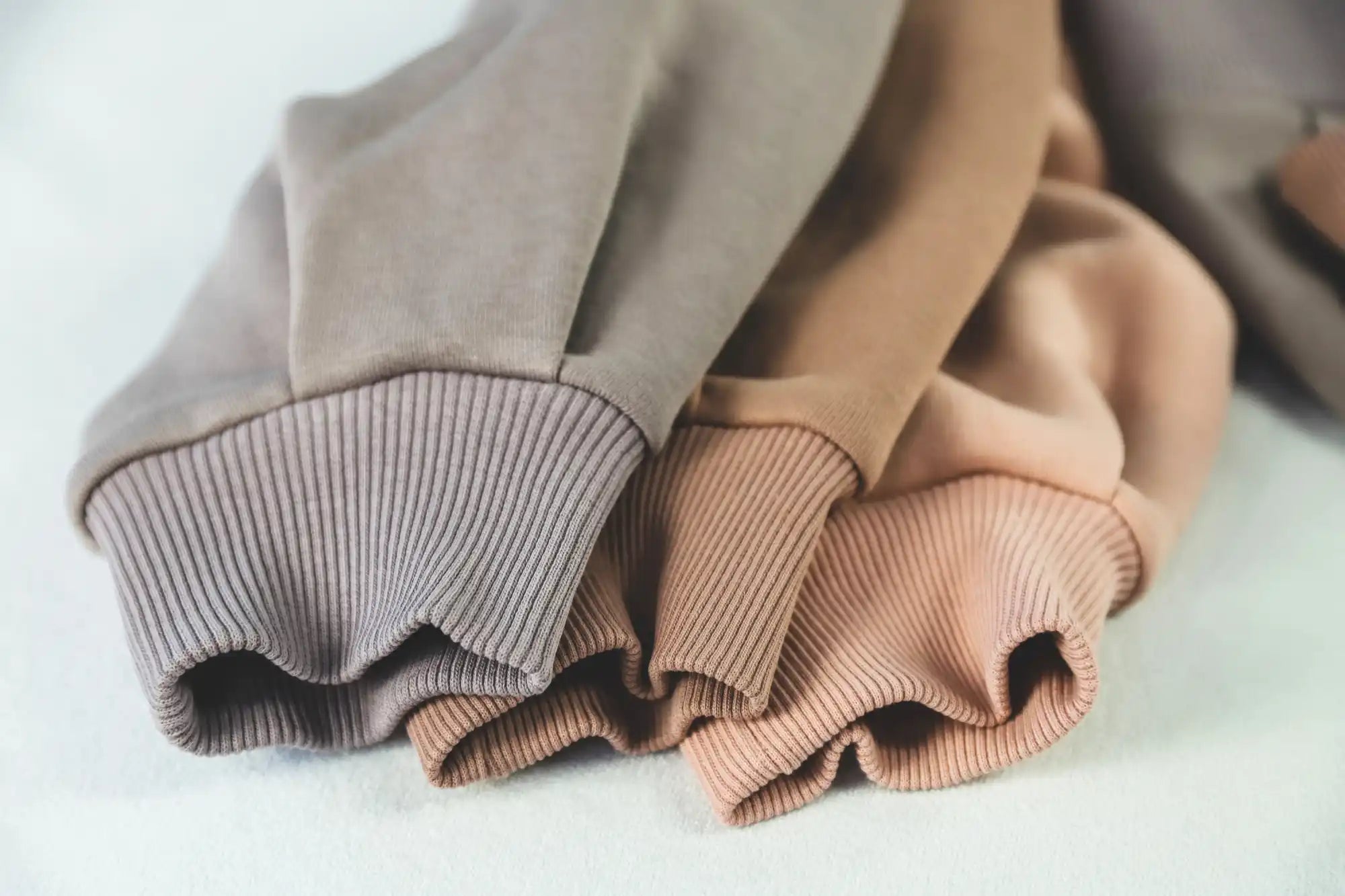
Materials & Fabrics for Clothing Production
Explore cotton, French terry, jersey, fleece, and sustainable blends used in premium apparel manufacturing.
Explore Premium Apparel Fabrics Guide
Printing Techniques for Apparel Production
Screen printing, embroidery, puff prints, and digital methods for custom clothing manufacturing.
Explore Custom Apparel Printing Techniques
Dyeing Techniques in Clothing Manufacturing
Garment dye, pigment, acid wash, and stone wash finishes that create unique apparel designs.
Compare Apparel Finishing Techniques
Popular Clothing Items for Custom Apparel
Hoodies, joggers, t-shirts, leggings, and biker shorts — essentials for every apparel collection.
Explore Popular Custom Clothing Items
Trends & Designs in Modern Apparel
Oversized fits, streetwear influences, and activewear styles driving custom clothing production.
Explore Trends & Designs for Apparel Development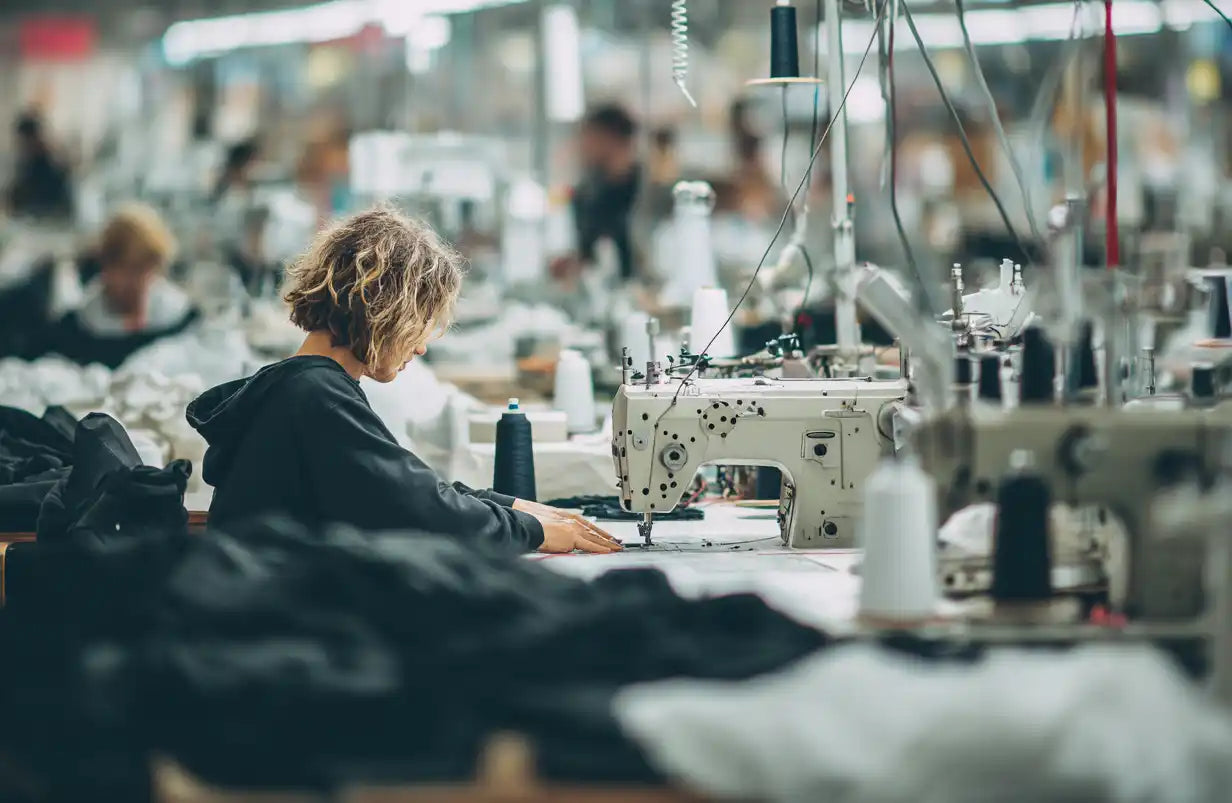
Sustainable & Ethical Clothing Production
OEKO-TEX® certified fabrics, organic cotton, and ethical apparel manufacturing in Portugal.
Understand Sustainable & Ethical Clothing Production
Essentials for Custom Clothing Production
Custom labels, packaging, and trims that elevate your apparel brand in production.
Explore Essentials for Custom Clothing Production
Resources for Custom Clothing Production
Startup guides, logistics support, and scaling strategies for apparel brands and wholesale clients.
Explore Resources for Custom Clothing Production
Clothing Manufacturing Glossary
Explore a complete glossary of clothing and garment manufacturing terms
The Complete Clothing Manufacturing Glossary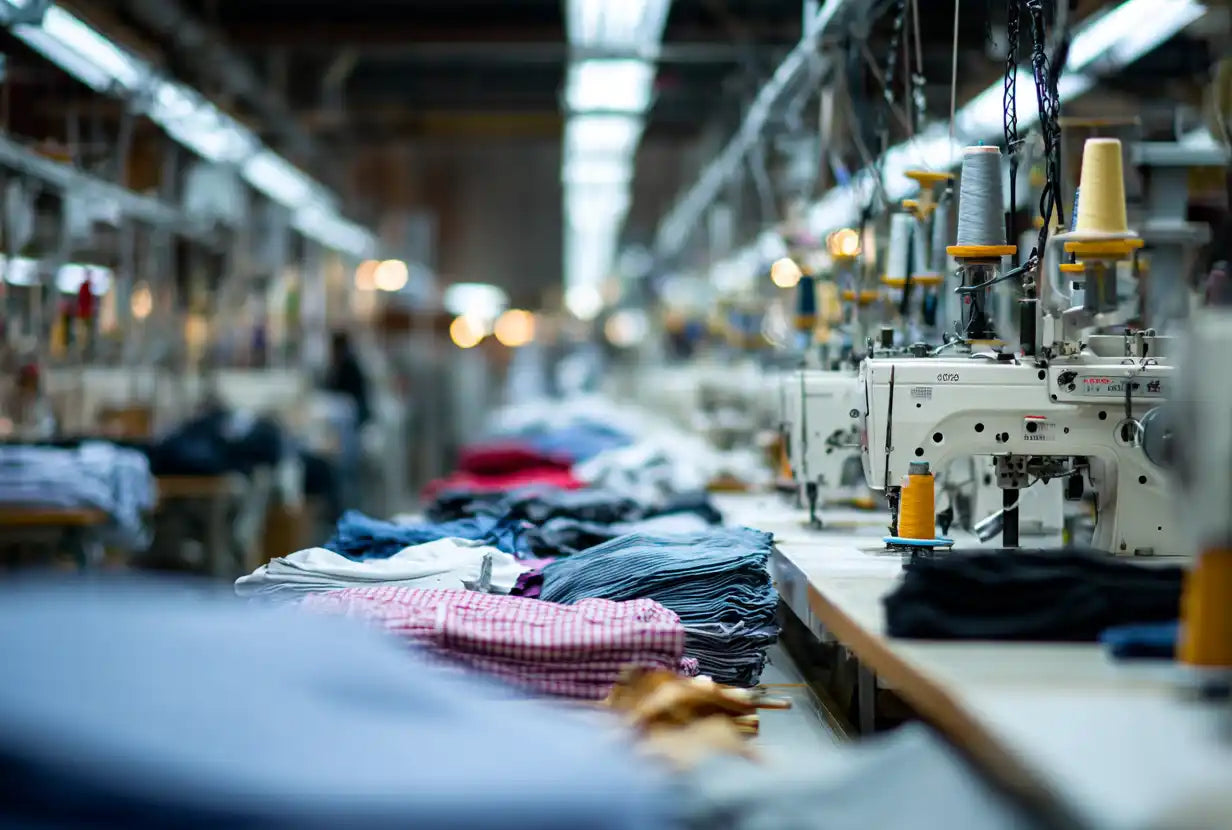
The Best Clothing Manufacturers
Explore global clothing manufacturers by country
Explore The Best Clothing Manufacturers
The Latest Clothing Industry Updates in 2025
Discover the latest news about important topics in the clothing industry in 2025,
Stay On Top Of Clothing Industry Updates
Worldwide Best Manufacturers of Clothes in 2026
Top clothing manufacturers worldwide organized by product type
Find The Worldwide Best Manufacturers of Clothes