
Organic Cotton Fabric Guide 2025 — GOTS Certified Sourcing & Specs
Organic cotton continues to set the standard for sustainable athleisure and lifestyle apparel. This guide explains what defines organic cotton, how certification works, why it matters for 2025 production, and how to source responsibly with flexible MOQs and verified traceability.
What Is Organic Cotton?
Organic cotton is grown without synthetic pesticides, herbicides, or genetically modified seeds. Farmers rely on natural composting, crop rotation, and beneficial insects to maintain soil health and biodiversity. These regenerative practices restore soil carbon and water retention, producing a cleaner fiber that supports long-term ecological balance.
Textiles made from organic cotton are certified through global programs such as the Global Organic Textile Standard (GOTS) and the Organic Content Standard (OCS). Each certifies environmental, social, and traceability criteria from raw fiber to finished garment.

Why Brands Prefer Organic Cotton in 2025
1. Verified Sustainability
Regulators and retailers now expect measurable sustainability. GOTS certification confirms compliance with strict environmental and labor standards. It provides traceable documentation across farming, spinning, and finishing—helping brands substantiate green claims under EU and U.S. regulations.
By using certified organic cotton, you meet upcoming disclosure requirements and build consumer confidence through transparent data-backed impact reporting, aligned with Textile Exchange sustainability benchmarks.
2. Better for Skin & Planet
Organic cotton fabrics are naturally soft, breathable, and hypoallergenic. They are processed without toxic finishes or chlorine bleaching, which reduces irritation and extends garment life. Environmentally, organic systems can cut water use by up to 80% and eliminate chemical runoff into rivers and soil.
These benefits make organic cotton ideal for athleisure, yoga, and loungewear—segments where skin contact, breathability, and wellness messaging are critical.
3. Enhanced Brand Storytelling
Certifications like GOTS or OCS communicate authenticity and integrity. Consumers increasingly seek proof of sustainable sourcing, and listings with verified labels often convert 15–20% higher online. Incorporating organic cotton also aligns your brand with global sustainability goals and strengthens long-term trust.
Certification Standards Explained
GOTS (Global Organic Textile Standard): Applies to the entire supply chain, guaranteeing at least 95% certified organic fibers and non-toxic chemical processing.
OCS (Organic Content Standard): Verifies organic fiber percentages within blended fabrics—useful for cotton-modal or cotton-elastane blends.
OEKO-TEX Standard 100: Tests final textiles for harmful substances, ensuring skin safety even when combined with dyes or finishes.
Performance & Fabric Specifications
Softness and Comfort
Ring-spun and combed organic cotton yarns produce a fine, smooth texture. When enzyme-washed or bio-polished, the result is a lightweight, breathable fabric suitable for premium t-shirts and leggings.
Durability and GSM
Higher GSM fabrics provide greater durability and structure. For hoodies or sweats, 280–400 GSM works best.
Hypoallergenic & Skin-Safe
Organic cotton is free from formaldehyde, azo dyes, and other restricted substances, making it safe for sensitive skin and long-term wear.
Cost & Sourcing Insights
MOQ and Supplier Options
Organic certification can influence minimum order quantities. Startups can partner with low-MOQ manufacturers or use stock-supported greige fabrics to reduce costs. Mills offering in-conversion cotton help bridge price gaps while supporting farmers transitioning to organic systems.
Price Premiums
Expect roughly a 15–30% price premium at fabric stage. The added cost reflects certification audits, segregation, and smaller farm yields but often pays off through stronger consumer retention and premium positioning.
Lead Times & Regions
India, Turkey, and China remain key sourcing regions. Plan 3–6 months ahead for certified batches and verify license numbers early during development to prevent delays.
Common Fabric Specifications
Organic Cotton T-Shirt
- Fabric: 100% GOTS-certified organic cotton
- Yarn Count: 30s–40s ring-spun, combed
- Weight: 160–220 GSM
- Finish: Enzyme rinse, reactive dye (GOTS-approved)
Organic Cotton Hoodie
- Fabric: 100% GOTS-certified fleece or loopback
- Weight: 300–400 GSM
- Finish: Brushed interior, bio-polished exterior
- Trim: OEKO-TEX-certified cords and labels
Comparing Natural & Cellulosic Options
| Fabric | Key Benefit | Cost/Premium | Durability | Certification |
|---|---|---|---|---|
| Organic Cotton | Soft, breathable, hypoallergenic | +15–30% | High | GOTS / OCS |
| Recycled Cotton | Reduces waste, lower impact | +5–15% | Medium | GRS / RCS |
| Hemp | Strong, antimicrobial, low-water | +20–25% | Very High | EU Organic |
| Linen | Cool, lightweight, durable | +10–20% | High | EU Flax / OEKO-TEX |
FAQs About Certification
- What does GOTS certification mean?
- It verifies organic fiber integrity and responsible processing at every stage of production.
- Can a fabric have both GOTS and OEKO-TEX?
- Yes, many mills offer dual certification for maximum assurance of safety and traceability.
- Is OCS less strict than GOTS?
- OCS confirms fiber content only, while GOTS includes chemical inputs and social criteria.
FAQs About Sourcing
- Where can I source certified organic cotton fabrics?
- Through verified GOTS suppliers or AthleisureBasics’ low-MOQ network specializing in organic textiles.
- How do I overcome MOQ challenges?
- Group colorways, use shared production runs, or choose stock supported organic jersey bases.
- What is the best time to book organic fabrics?
- Plan 3–6 months before production to secure certified lots and license documentation.
FAQs About Materials & Care
- Is organic cotton softer than conventional cotton?
- Yes — it retains natural fiber length and avoids chemical processing that can harden the yarn.
- How should I wash organic cotton garments?
- Wash cold with mild detergent and air-dry to maintain softness and reduce energy use.
- Does organic cotton shrink?
- Minimal shrinkage (under 3%) after the first wash for pre-washed or enzyme-finished fabrics.
Next Steps
If your brand plans to develop new collections with certified organic cotton or transition existing lines to sustainable materials, you can reach out to our team through the request form to discuss fabric availability, custom weights, and production options.
Written by the AthleisureBasics Textile Editorial Team — specialists in sustainable apparel sourcing since 2010.
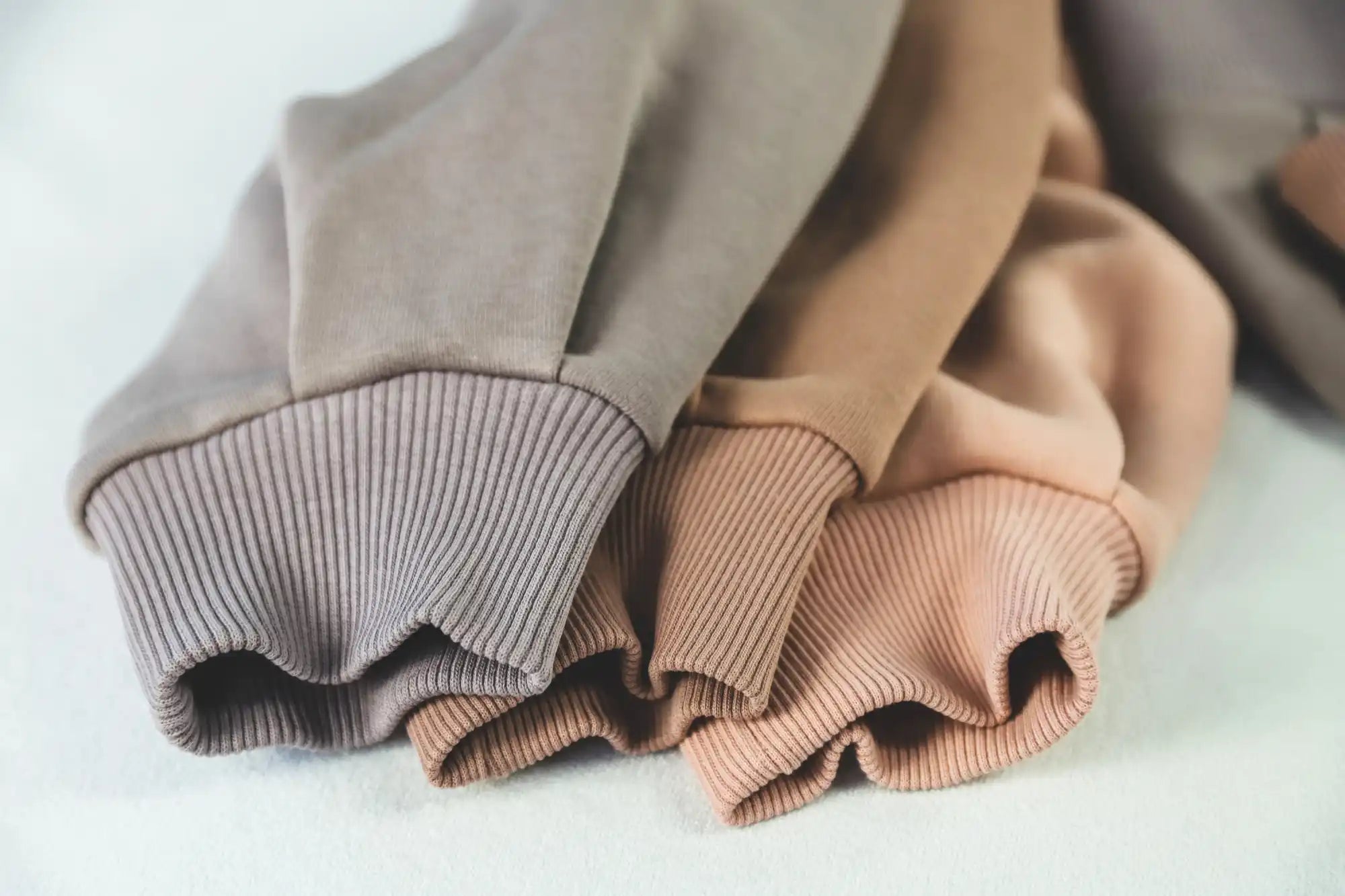
Materials & Fabrics for Clothing Production
Explore cotton, French terry, jersey, fleece, and sustainable blends used in premium apparel manufacturing.
Explore Premium Apparel Fabrics Guide
Printing Techniques for Apparel Production
Screen printing, embroidery, puff prints, and digital methods for custom clothing manufacturing.
Explore Custom Apparel Printing Techniques
Dyeing Techniques in Clothing Manufacturing
Garment dye, pigment, acid wash, and stone wash finishes that create unique apparel designs.
Compare Apparel Finishing Techniques
Popular Clothing Items for Custom Apparel
Hoodies, joggers, t-shirts, leggings, and biker shorts — essentials for every apparel collection.
Explore Popular Custom Clothing Items
Trends & Designs in Modern Apparel
Oversized fits, streetwear influences, and activewear styles driving custom clothing production.
Explore Trends & Designs for Apparel Development
Sustainable & Ethical Clothing Production
OEKO-TEX® certified fabrics, organic cotton, and ethical apparel manufacturing in Portugal.
Understand Sustainable & Ethical Clothing Production
Essentials for Custom Clothing Production
Custom labels, packaging, and trims that elevate your apparel brand in production.
Explore Essentials for Custom Clothing Production
Resources for Custom Clothing Production
Startup guides, logistics support, and scaling strategies for apparel brands and wholesale clients.
Explore Resources for Custom Clothing Production
Clothing Manufacturing Glossary
Explore a complete glossary of clothing and garment manufacturing terms
The Complete Clothing Manufacturing Glossary
The Best Clothing Manufacturers
Explore global clothing manufacturers by country
Explore The Best Clothing Manufacturers
The Latest Clothing Industry Updates in 2025
Discover the latest news about important topics in the clothing industry in 2025,
Stay On Top Of Clothing Industry Updates
Worldwide Best Manufacturers of Clothes in 2026
Top clothing manufacturers worldwide organized by product type
Find The Worldwide Best Manufacturers of Clothes