
Organic Cotton Sourcing in Portugal 2025 Guide
Portugal is setting new standards for sustainable apparel production in Europe. For brands seeking transparent, ethical manufacturing with certified materials, the country’s organic cotton sourcing ecosystem offers a clear pathway to responsible growth. This guide explains why organic cotton matters, how Portugal became a leader, and what steps apparel brands can take to integrate certified fabrics into production.
What Is Organic Cotton and Why It Matters
Organic cotton is cultivated without genetically modified seeds or synthetic agrochemicals. It relies on natural pest control and regenerative soil management, protecting biodiversity and water systems. According to Textile Exchange, certified organic cotton now represents roughly 1.6% of global cotton production and continues to grow each year.
- Uses up to 91% less water compared to conventional cotton
- Reduces greenhouse gas emissions by about 45%
- Supports better working conditions and farmer livelihoods
Organic cotton is not just an eco-label; it’s a measurable improvement in supply-chain health and material integrity. However, it demands verified traceability—something Portugal’s textile network is uniquely equipped to provide.
Why Portugal Leads in Ethical Cotton Manufacturing
European Standards, Local Craftsmanship
Portugal’s textile heartland—Braga, Guimarães, and Barcelos—houses family-run factories with decades of expertise in knitting, dyeing, and garment production. These facilities now combine traditional know-how with renewable energy and advanced digital monitoring systems.
- Short lead times due to European proximity
- Ethical labour compliance under EU law and BSCI/SMETA audits
- Vertical integration from yarn to finished garment
- Low-MOQ flexibility—ideal for sustainable start-ups
Learn more about small-batch production in our Low MOQ Premium Apparel Manufacturing in Portugal guide.
Certified Sustainability
More than 60 Portuguese mills are now certified under the Global Organic Textile Standard (GOTS), version 6.0. These factories handle organic cotton fabrics from yarn spinning to garment finishing, often using OEKO-TEX® Standard 100 approved dyes and auxiliaries. This makes Portugal one of Europe’s most reliable destinations for fully traceable organic apparel production.
Key Certifications and What They Mean
| Certification | Scope | Key Advantage |
|---|---|---|
| GOTS (Global Organic Textile Standard) | Full chain: farm → garment | Strongest environmental + social criteria |
| OCS (Organic Content Standard) | Verifies % of organic fibre | Useful for blended fabrics |
| OEKO-TEX® Standard 100 | Tests for harmful substances | Ensures chemical safety |
| Fair Trade Textile Standard | Focuses on wages + equity | Supports ethical working conditions |
Before production, always verify your factory’s active GOTS license on the GOTS public database and request Transaction Certificates (TCs) for every batch.
How to Source Organic Cotton in Portugal
1. Define Your Product Specifications
Start with your tech pack: fibre composition, fabric weight, colour palette, and finishing details. For guidance, see our fabric selection guide.
2. Select Certified Mills
Choose GOTS-registered mills experienced in organic cotton knitting and finishing. Many Portuguese suppliers in Guimarães specialise in fleece, jersey, and heavy-weight cotton blends.
3. Request Samples and Test Reports
Evaluate swatches for softness, shrinkage, and colour fastness. Ensure dye houses use GOTS-approved chemicals and provide MSDS safety sheets.
4. Negotiate MOQ and Timelines
Typical production cycle:
- Fabric development: 4–6 weeks
- Sampling: 2–3 weeks
- Bulk production: 6–10 weeks
Portugal’s low-MOQ model allows premium results with smaller commitments—perfect for emerging brands.
5. Verify Traceability
Collect all TCs, mill lists, and audit reports before shipping. Transparency is mandatory for any garment labeled “organic cotton made in Portugal.”
Environmental and Business ROI
| Factor | Organic Cotton (Portugal) | Conventional Cotton (Asia) |
|---|---|---|
| Carbon Footprint | Lower due to shorter transport routes | Higher from long-distance logistics |
| Chemical Risk | Strict EU controls + OEKO-TEX compliance | Variable chemical standards |
| Lead Time | 4–10 weeks | 12–18 weeks |
| MOQ Flexibility | 100–300 pcs typical | 1,000+ pcs |
| Relative Cost | ≈15–25% higher per unit but offset by lower freight + risk | Lower unit price but higher environmental impact |
While organic sourcing can cost more upfront, brands often recover the difference through premium pricing, storytelling, and reduced returns thanks to higher garment quality.
Integrating Organic Cotton Into Your Brand Strategy
- Start with core products like T-shirts and hoodies where cotton dominates.
- Tell an authentic story: combine “Organic Cotton” + “Made in Portugal” for consumer trust.
- Measure impact—track % organic fibre, water savings, and CO₂ reduction annually.
- Experiment with blends such as recycled + organic cotton for circularity.
- Maintain documentation for audits and retailer sustainability reviews.
Explore how these strategies align with broader sustainability goals in Sustainability & Ethics in Custom Clothing Production.
FAQs About Certification & Standards
What is GOTS and why is it important?
GOTS (Global Organic Textile Standard) ensures the fibre is truly organic and processed with approved chemicals under fair working conditions. It covers the entire chain from farm to garment.
Can I call my garment “organic cotton” if only the fabric is certified?
No. The full manufacturing chain must comply with certification rules. If only the fabric is organic, use wording like “made with organic cotton.”
How can I verify a supplier’s certification?
Search their license number on the GOTS database and check validity dates before signing contracts.
FAQs About Sourcing & Production
Where does Portugal get its organic cotton fibre?
Most mills import certified fibre from Turkey and India, then spin, knit, dye, and finish locally under GOTS oversight.
What are the typical order sizes for organic cotton apparel?
Portuguese factories often accept 100–300-piece MOQs, allowing brands to test collections responsibly.
How can I ensure full transparency?
Request transaction certificates, audit reports, and on-site inspection rights. Consistent documentation protects both your brand and your customers.
FAQs About Materials & Care
Does organic cotton feel different?
Yes—its long-staple fibres create a naturally soft handfeel. When processed in Portugal’s advanced finishing houses, it delivers premium comfort and durability.
How should consumers care for organic cotton garments?
Wash cold, use mild detergents, and line dry. Proper care extends garment life and reduces microfibre release.
Can I mix organic cotton with other fibres?
Yes. Blends with recycled cotton or TENCEL™ are common. Just label fibre percentages accurately and maintain certification integrity for each component.
Conclusion
Organic cotton sourcing in Portugal combines environmental responsibility with European quality and reliable traceability. By working with certified partners, maintaining transparent documentation, and telling an honest sustainability story, brands can build collections that are both ethical and commercially successful.
If your brand is planning a new sustainable line, reach out through our request form to discuss certified organic fabrics and production options with our sourcing team.
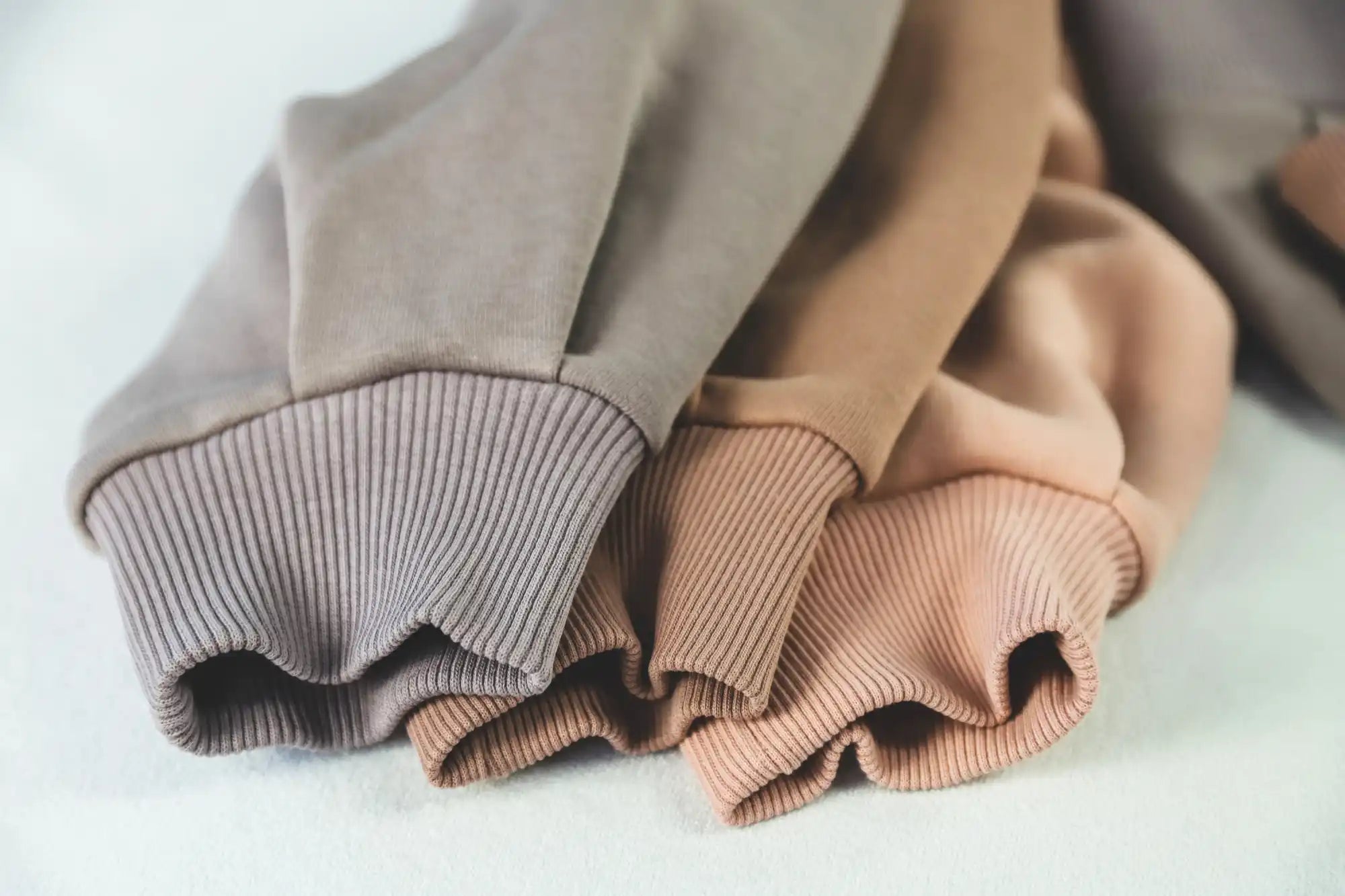
Materials & Fabrics for Clothing Production
Explore cotton, French terry, jersey, fleece, and sustainable blends used in premium apparel manufacturing.
Explore Premium Apparel Fabrics Guide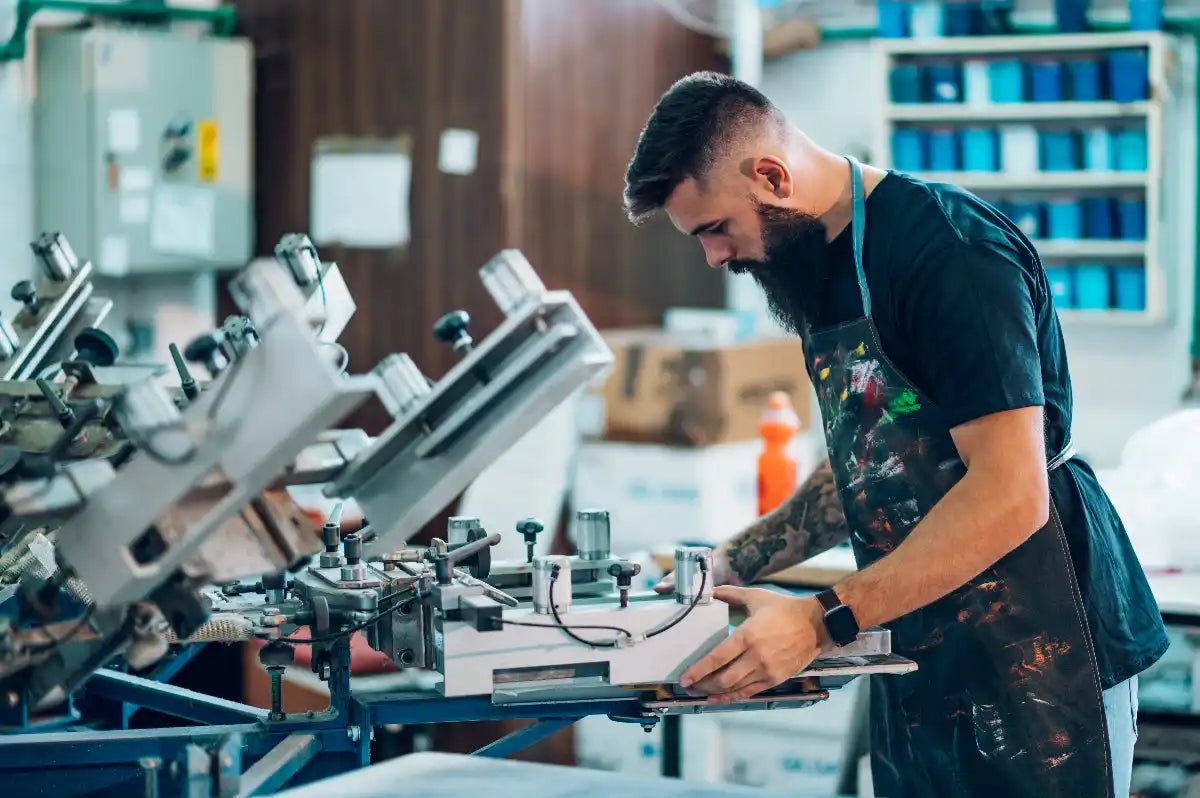
Printing Techniques for Apparel Production
Screen printing, embroidery, puff prints, and digital methods for custom clothing manufacturing.
Explore Custom Apparel Printing Techniques
Dyeing Techniques in Clothing Manufacturing
Garment dye, pigment, acid wash, and stone wash finishes that create unique apparel designs.
Compare Apparel Finishing Techniques
Popular Clothing Items for Custom Apparel
Hoodies, joggers, t-shirts, leggings, and biker shorts — essentials for every apparel collection.
Explore Popular Custom Clothing Items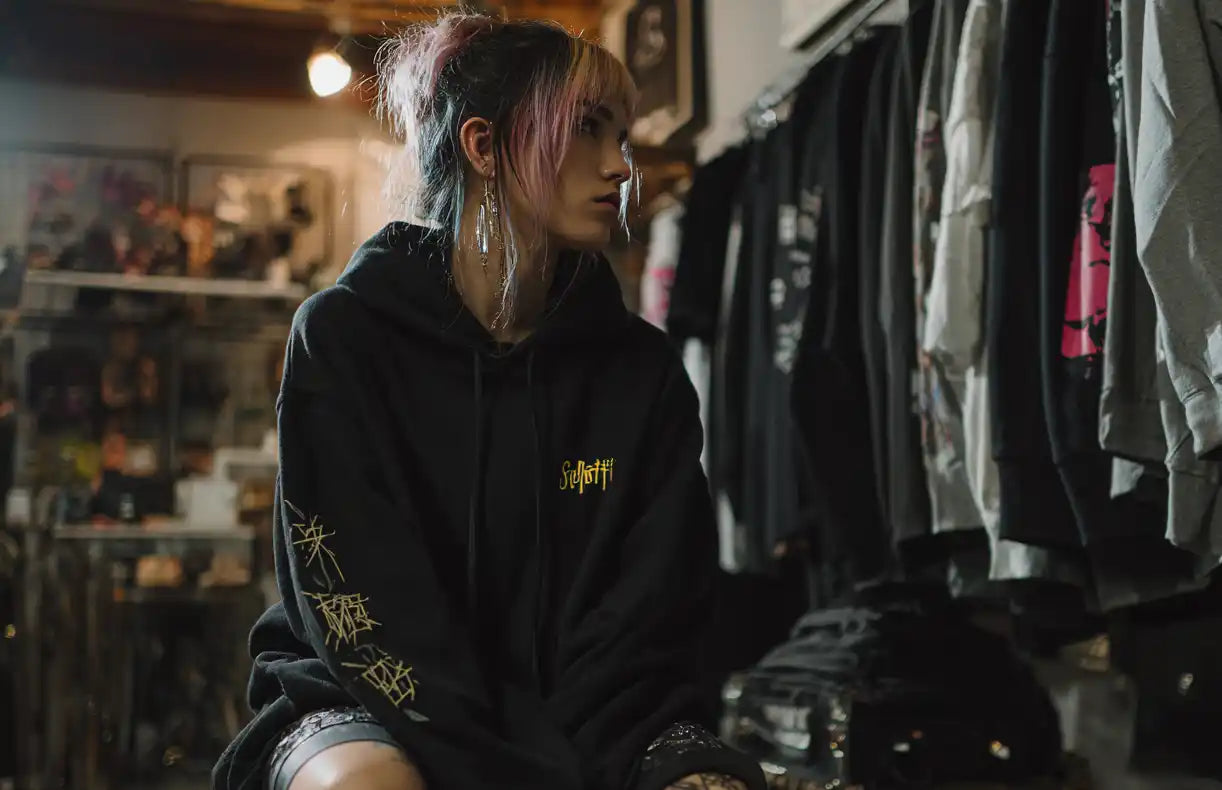
Trends & Designs in Modern Apparel
Oversized fits, streetwear influences, and activewear styles driving custom clothing production.
Explore Trends & Designs for Apparel Development
Sustainable & Ethical Clothing Production
OEKO-TEX® certified fabrics, organic cotton, and ethical apparel manufacturing in Portugal.
Understand Sustainable & Ethical Clothing Production
Essentials for Custom Clothing Production
Custom labels, packaging, and trims that elevate your apparel brand in production.
Explore Essentials for Custom Clothing Production
Resources for Custom Clothing Production
Startup guides, logistics support, and scaling strategies for apparel brands and wholesale clients.
Explore Resources for Custom Clothing Production
Clothing Manufacturing Glossary
Explore a complete glossary of clothing and garment manufacturing terms
The Complete Clothing Manufacturing Glossary
The Best Clothing Manufacturers
Explore global clothing manufacturers by country
Explore The Best Clothing Manufacturers
The Latest Clothing Industry Updates in 2025
Discover the latest news about important topics in the clothing industry in 2025,
Stay On Top Of Clothing Industry Updates
Worldwide Best Manufacturers of Clothes in 2026
Top clothing manufacturers worldwide organized by product type
Find The Worldwide Best Manufacturers of Clothes